



Oriental Carved Figurine
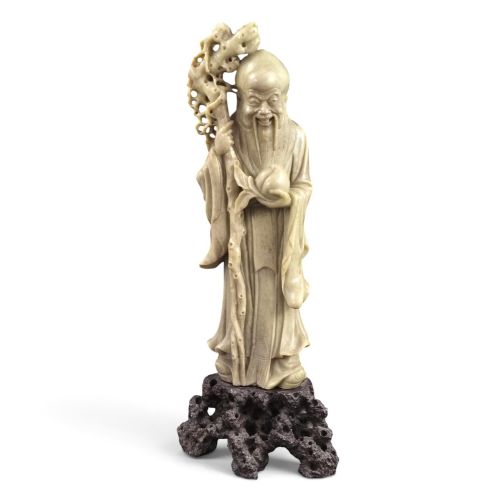
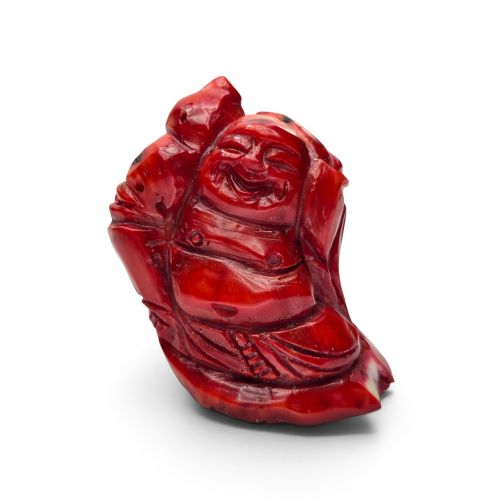
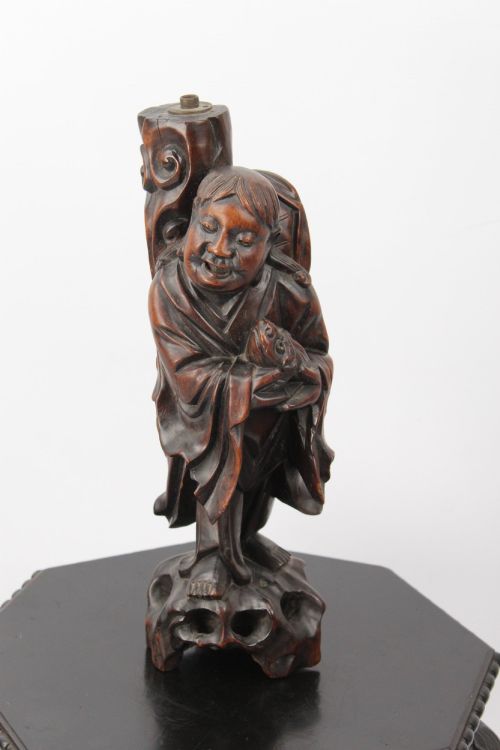
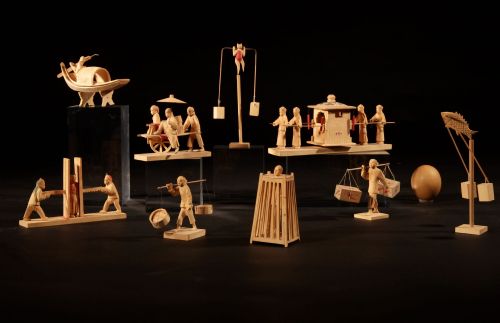
An oriental carved figurine brings hand-worked detail and natural texture into a room, spanning delicate jade animals and robust wooden immortals.
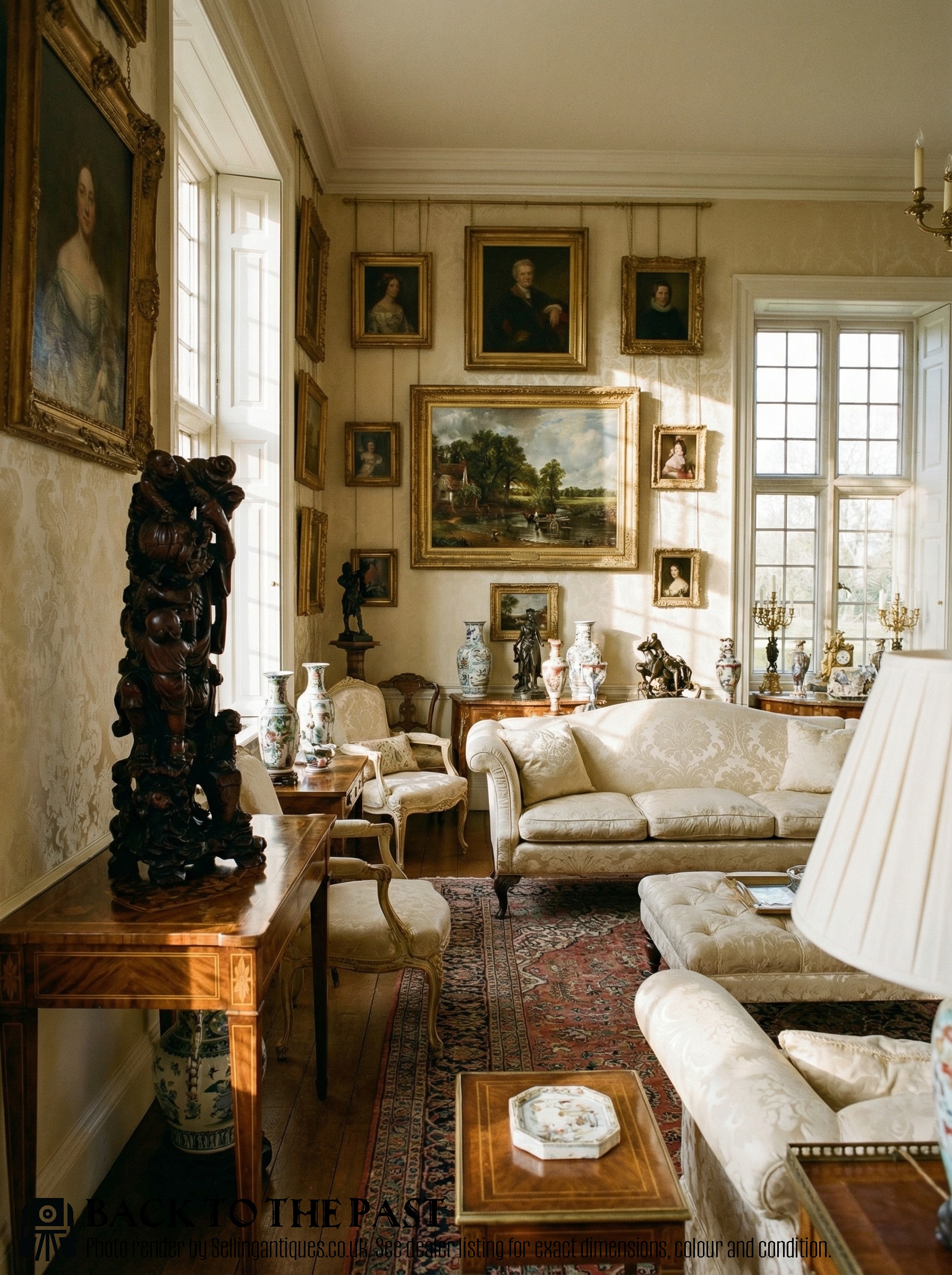
Oriental Carved Figurine
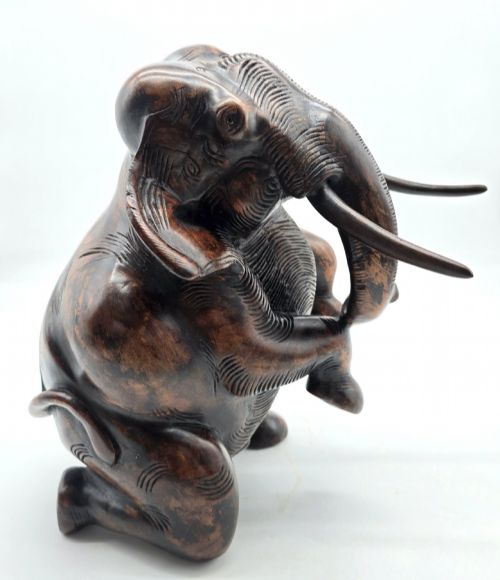
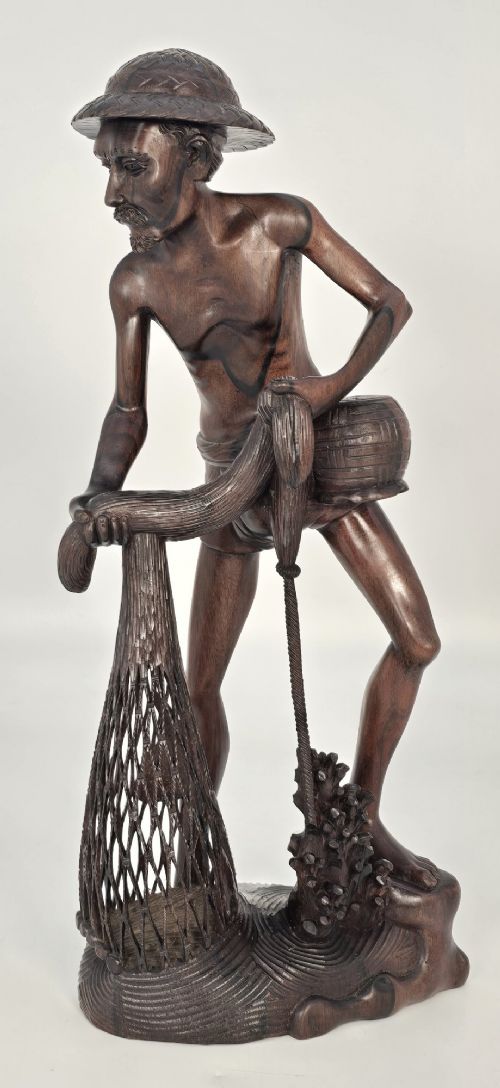
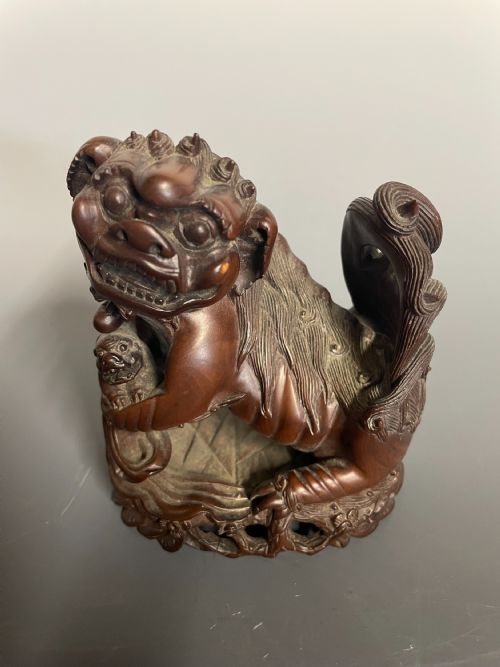
When you search for an oriental carved figurine, you encounter small-scale sculptures and figures originating from Asian workshops, India, and British interpretations from the nineteenth and early twentieth centuries. These pieces encompass traditional subjects such as deities, fishermen, animals, and dancers, rendered in varied regional traditions.
You are most likely to meet Chinese hardwood carvings from the late nineteenth century, alongside Japanese Meiji period boxwood okimono and soapstone figure groups. These items range from miniature jade fish to large wooden temple deities and ceremonial elephants.
The selection includes diverse cultural expressions spanning Qing dynasty styles, folk art, and Anglo-Indian Raj period sculpture. Each object reflects the specific carving conventions and material availability of its origin.
Materials and methods
Carvers utilised organic and mineral substances, working extensively with dense hardwoods, boxwood, root wood, and fragrant or gnarled timbers. These woods were shaped using hand chisels and knives to exploit natural grain patterns and knots.
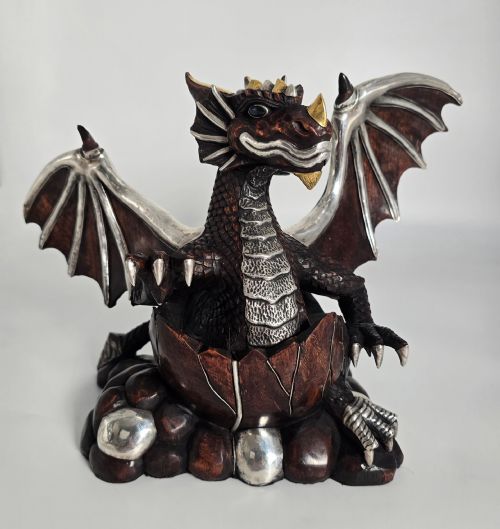
Mineral materials such as soapstone, jade, agate, and hardstone required abrasive cutting, grinding, and polishing techniques. Artisans also employed bronze, silvered bronze, lacquer, and alabaster for specific sculptural forms and decorative metal mounts.
The documented periods span the late eighteenth century through the Art Deco era, encompassing Qing dynasty and Meiji period works.
Assessing quality in carving
Quality rests upon the precision of the hand carving, seen in the clean definition of facial expressions, drapery folds, and anatomical details. Superior pieces demonstrate an understanding of the medium, whether navigating the fibrous grain of root wood or the brittle planes of soapstone.
The finesse of the composition separates standard workshop output from finer sculptural work. Greater depth of undercut work, balanced proportions, and careful integration of natural material flaws elevate an individual figure.
Haruyama Shunzan
The Oriental Carved Figurine Glossary
- Okimono
- A Japanese term for a decorative object or small carved figurine intended for display in a tokonoma alcove or room interior.
- Soapstone
- A soft, talc-based metamorphic rock utilised extensively in Chinese carving for its smooth texture and ease of shaping.
- Root wood
- Timber sourced from the root burls of trees, valued by carvers for its gnarled, twisting shapes that suggest natural forms.
- Meiji Period
- The era in Japanese history spanning from 1868 to 1912, characterised by opening trade and intricate craftsmanship in wood and metal.
- Qing Dynasty
- The final imperial dynasty of China, lasting from 1644 to 1912, which produced distinctive soapstone and hardwood figural sculptures.
Oriental Carved Figurine: Frequently Asked Questions
How do I identify soapstone?
Soapstone is a relatively soft, tactile stone with a slightly soapy or waxy feel to the touch. It often exhibits mottled colours ranging from pale cream to deep green and brown.
Chinese carvers utilised this material for figures of immortals and monkeys because it allowed for smooth surface detailing.
What is root wood carving?
Root wood carving is a sculptural method that incorporates the natural, twisted contours of tree roots and burls into the final design. Carvers cleverly adapt the existing gnarled shapes to form figures or mythical creatures.
These pieces celebrate organic asymmetry and the unique grain patterns found in ancient timber.
How should I clean these carvings?
Dust wooden and stone figures gently with a soft, dry brush to remove particles without damaging the surface. Avoid using water, soap, or chemical polishes, particularly on porous stones or dry unpolished wood.
Keeping pieces out of direct sunlight and maintaining stable indoor humidity protects the material from cracking.