

Oriental Carved Desk
These pieces form the core of an oriental carved desk collection, offering heavy hardwood and intricate relief work that brings historical craftsmanship into a modern study.
Oriental Carved Desk
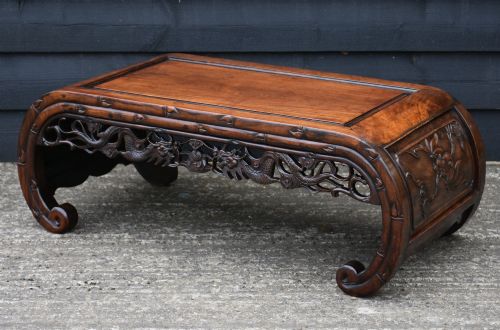
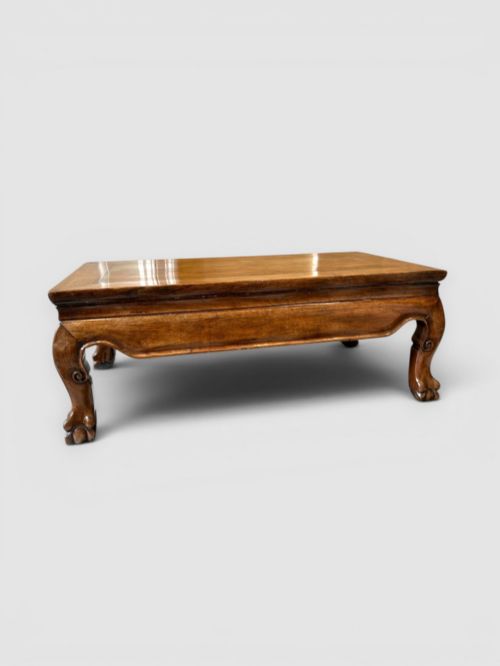
An oriental carved desk brings together solid timber construction and detailed surface carving rooted in traditional writing furniture. The examples seen on this page span writing tables, partners desks and low opium tables from various periods.
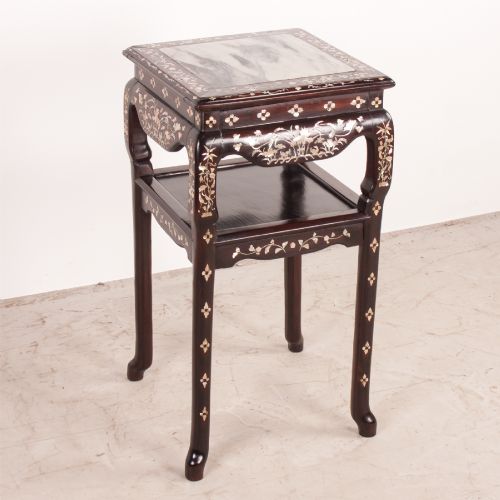
Buyers will encounter items ranging from nineteenth-century hardwood writing surfaces to tables inlaid with mother of pearl and mounted with mixed metals. The forms reflect both domestic writing use and scholars studio traditions.
Materials and Construction
Makers utilised dense timbers such as hardwood, elm, rosewood and padouk wood to form the primary structure of these writing surfaces. These woods provide the necessary weight and stability for deep chisel work.
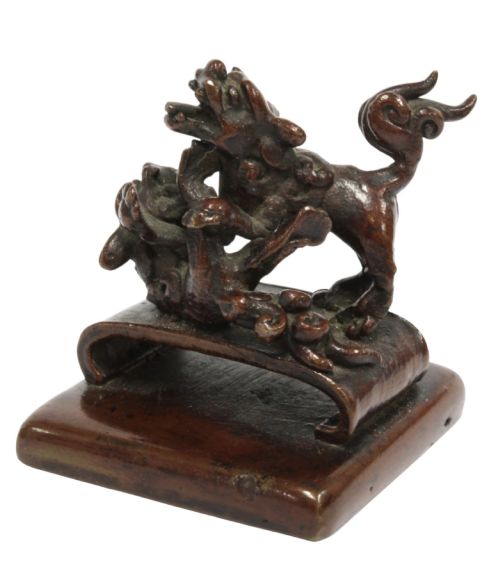
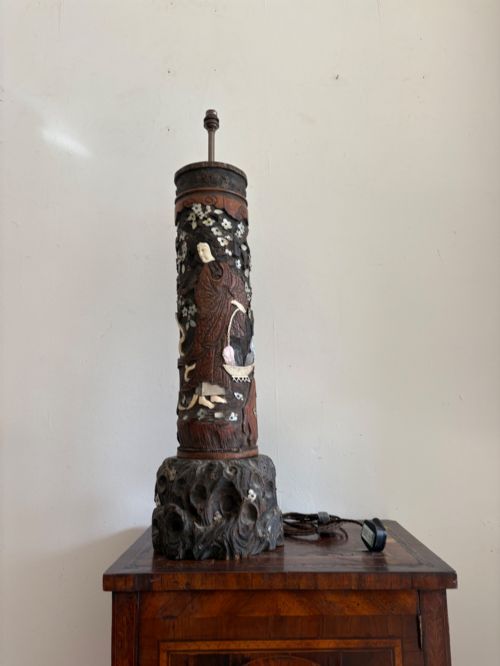
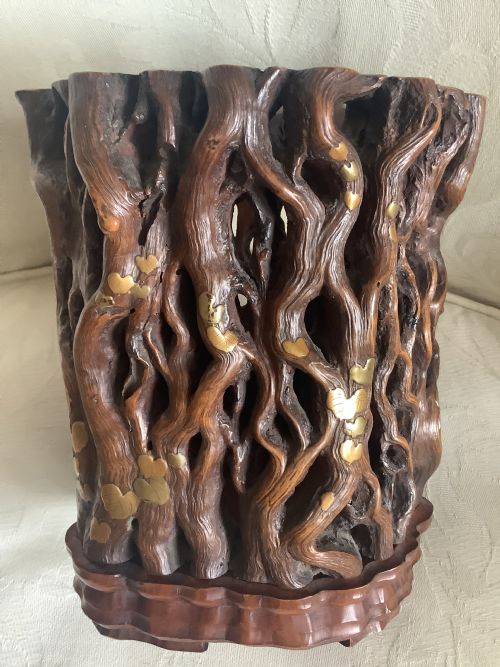
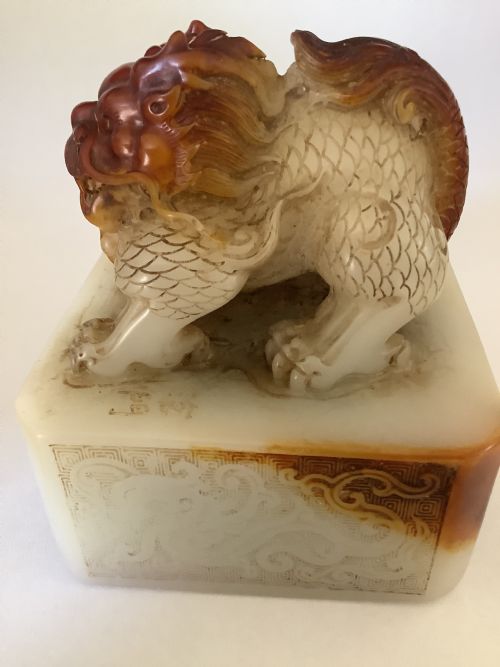
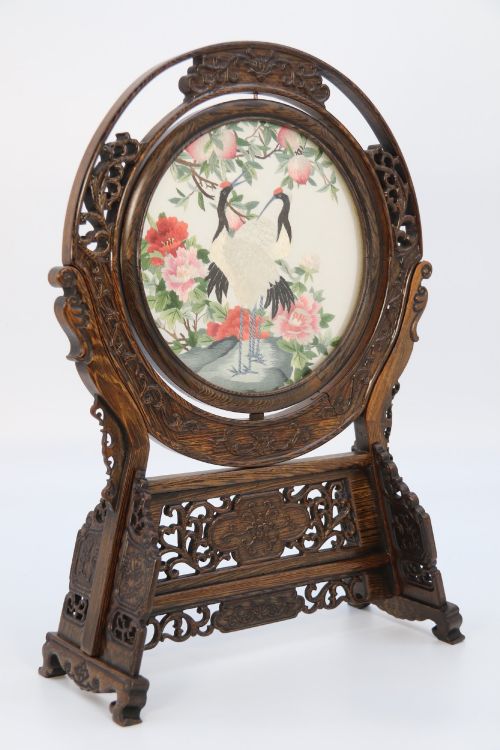
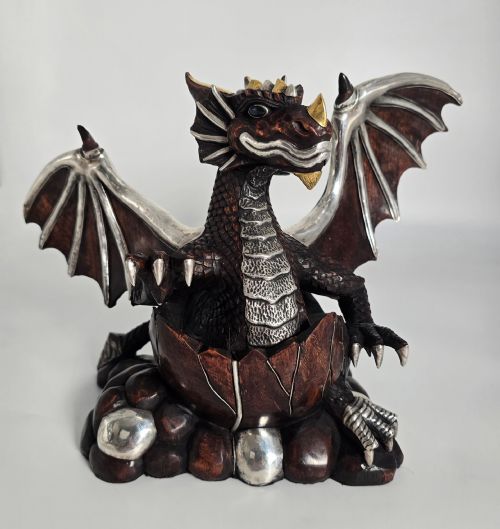
Surface ornamentation relies on contrasting inlays and mountings, incorporating mother of pearl, brass, bronze and jade. Artisans carved directly into the timber or applied detailed metal elements to accent the dragon and floral motifs.
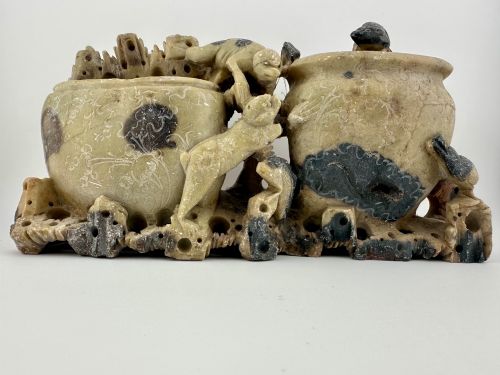
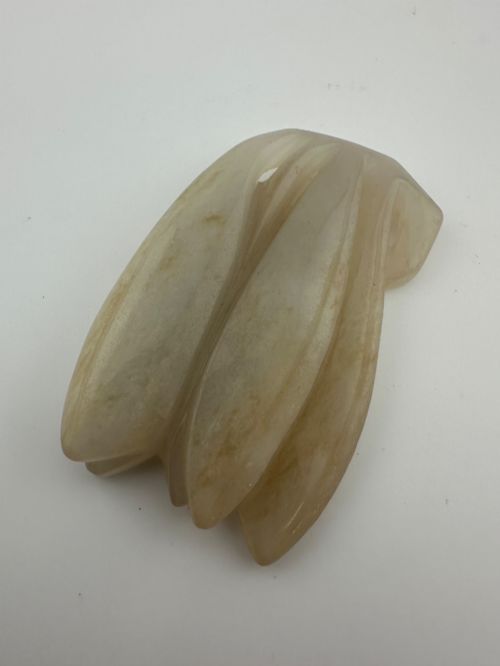
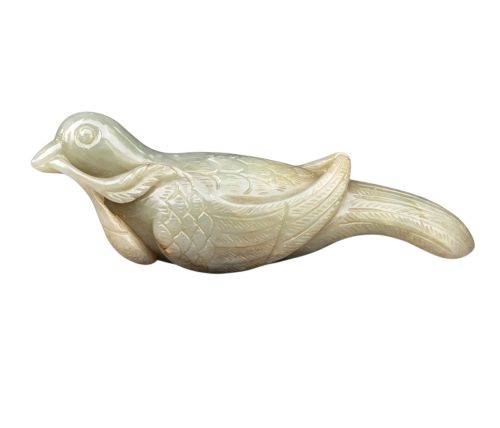
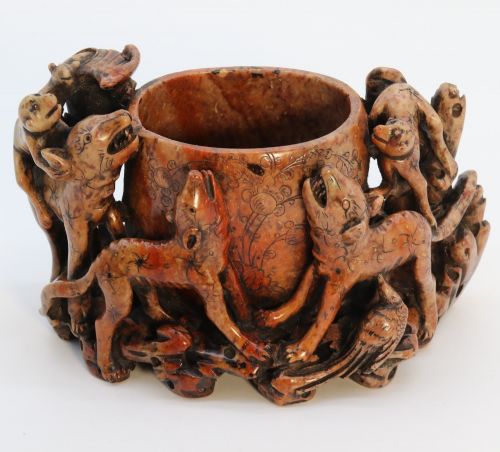
Several items double as resting places for tiny jade cicadas and stone puzzle cups.
Judging the Workmanship
The distinction between ordinary and superior pieces rests entirely upon the depth and clarity of the carving. Crisp undercutting in the hardwood and precise placement of mother of pearl inlay separate masterwork items from simpler production.
Proportion and structural integrity also dictate overall worth. A heavier casting in bronze mounts and stable joinery without modern intervention indicate a higher grade of manufacture.
The Oriental Carved Desk Glossary
- Hardwood
- A dense timber classification used for heavy furniture construction. These woods resist warping and allow for crisp, permanent relief carving.
- Opium Table
- A low surface traditionally utilised for sitting or reclining while partaking in domestic tasks. They typically feature short legs and carved apron details.
- Shibayama
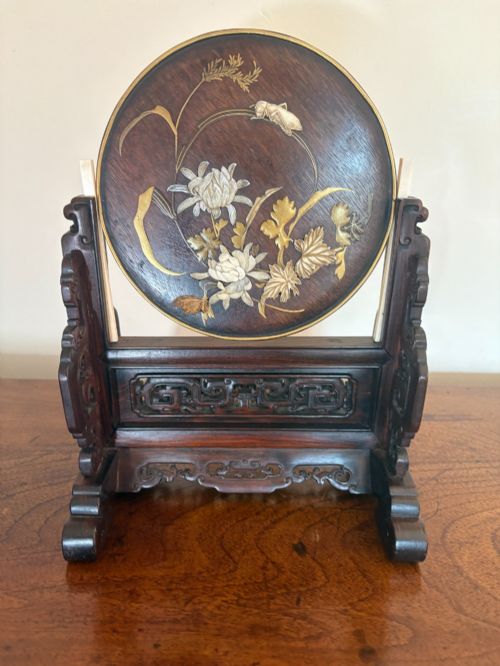
- A Japanese decorative technique utilising inlaid mother of pearl, ivory, and tortoiseshell to create pictorial scenes. It appears on screens and small decorative objects.
- Scholar's Studio
- An aesthetic space dedicated to writing, painting, and contemplation. Objects from this origin include brush pots, seals, and resting stands.
- Padouk
- A heavy, durable tropical timber known for its reddish hue. It provides a stable base for intricate cabinet work.
Oriental Carved Desk: Frequently Asked Questions
What is an oriental carved desk?
It is a writing surface constructed from dense timbers and decorated with traditional relief carving, often originating from Chinese or Japanese workshops.
These tables combine utilitarian workspace design with intricate motifs such as dragons and floral arrangements.
How do I identify nineteenth century pieces?
Nineteenth century examples typically display hand-carved hardwood frames combined with traditional joinery methods rather than modern metal screws.
Look for natural patination on the timber and genuine wear patterns around the primary writing areas.
How were these desks used?
They served as dedicated writing and administrative stations within domestic and scholarly environments. Many accommodated brush pots and seal boxes alongside the main writing surface.
Lower variants functioned as tables for reading or resting while seated upon chairs or cushions.
How do I care for hardwood furniture?
Maintain the timber by keeping the surface away from direct heat sources and sudden humidity shifts. Regular dusting with a dry cloth protects the carved relief work.
Avoid chemical polishes that can degrade the original finish or build up within the recessed carving.