






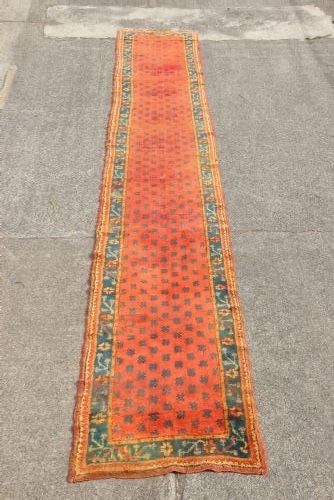

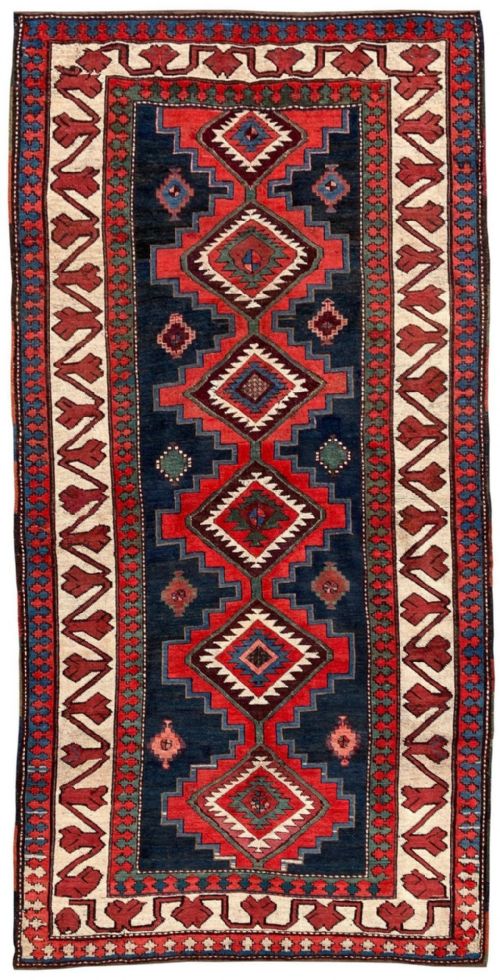
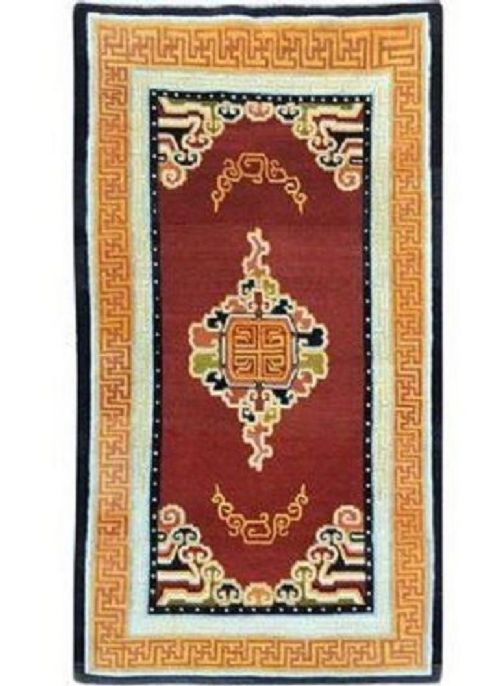
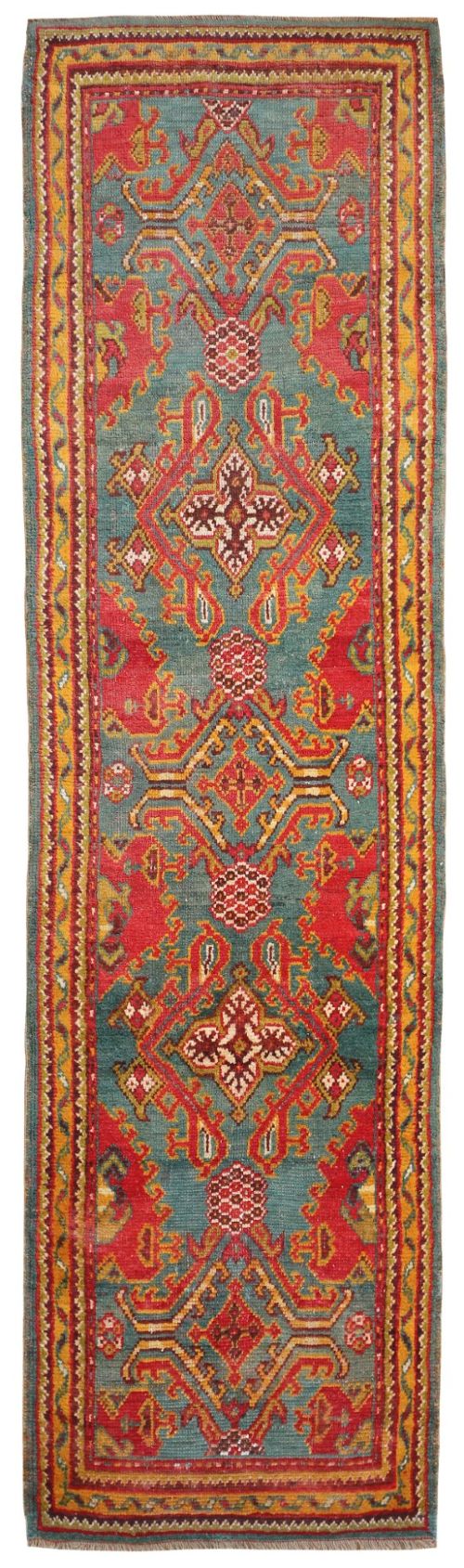
Oriental Runner Carpet
An oriental runner carpet brings linear Persian design and rich wool texture to long hallways and narrow spaces.
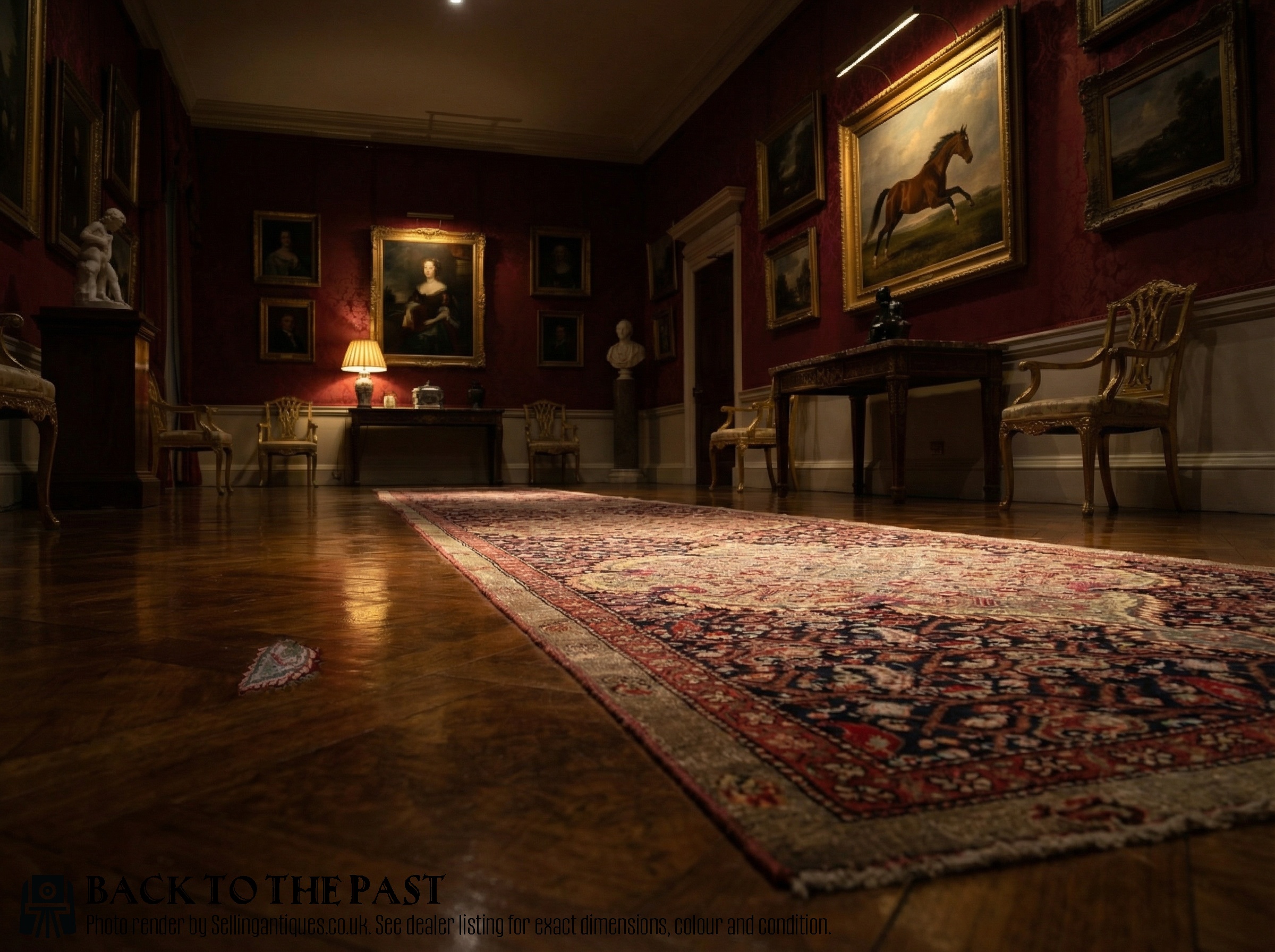
Oriental Runner Carpet
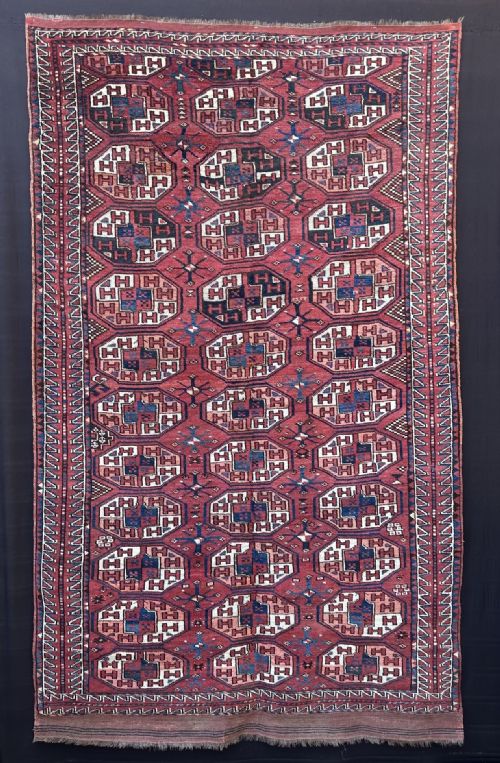
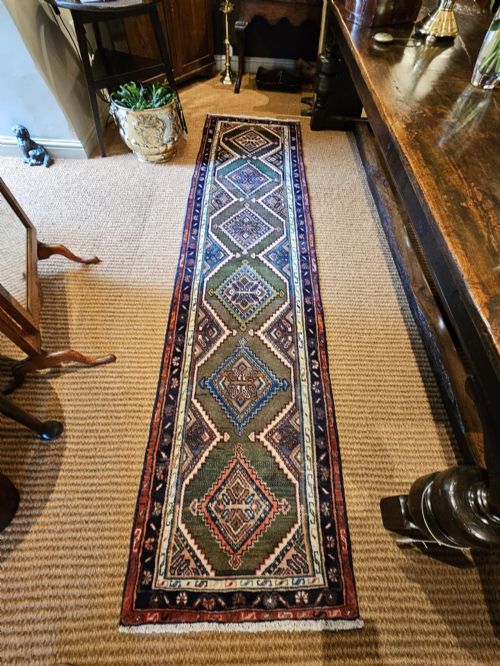
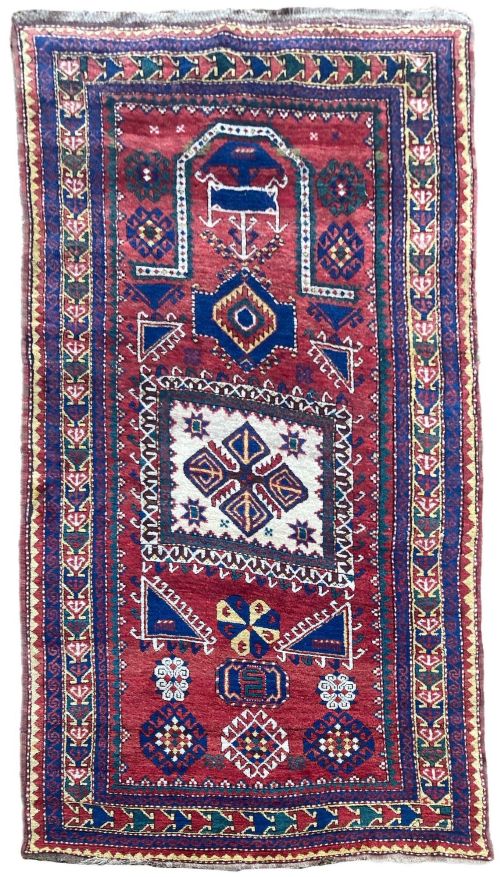
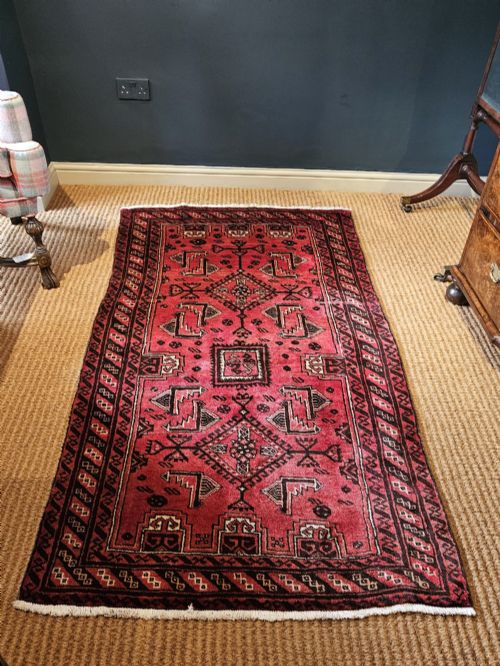
These oriental runner carpets provide narrow, elongated formats suited for corridors and hallways. The selection includes traditional Persian styles alongside tribal nomad and Kurdish tribal expressions.
Makers shaped these pieces in specific regional traditions such as Heriz, Malayer, Shashavan, Karadja, and Hamadan. Production dates span from the late nineteenth century through to the nineteen-thirties.
The form functions practically to protect floorboards while displaying intricate geometric and all-over shrub designs. Olive green backgrounds and varied regional motifs define the visual appearance of the pieces.
How they were made
Weavers constructed these carpets using pure wool pile supported by cotton foundations. The natural fibres provide the durability required for high-traffic hallway placements.
Traditional hand-knotting techniques secure the wool yarns firmly into the cotton warp and weft structures. Artisans applied natural dyes to achieve the varied colour palettes seen across the regional types.
Oriental Runner Carpet Retail Price Guide 2026
Typical asking prices for oriental runner carpet among the pieces listed under this phrase on Sellingantiques today, from the lower quarter to the upper quarter. They describe what is for sale here now, not the wider market.
Listings feature wool and cotton materials across runner forms dated between eighteen-seventy and nineteen-thirty.
What varies in quality
Knot density and precision of the geometric execution separate finer pieces from simpler village work. Tighter knotting allows sharper definition in intricate motifs like the Memling gul design.
The resilience and lustre of the wool pile determine how well the surface survives decades of foot traffic. Even wear across the length indicates balanced material quality throughout the runner.
The Oriental Runner Carpet Glossary
- Runner rug
- A long, narrow carpet format designed specifically for corridors, hallways, and stairs. This shape guides movement through a building while covering exposed floorboards.
- Warp and weft
- The foundational threads of a woven carpet. The warp runs vertically while the weft crosses horizontally to hold the knotted wool pile in place.
- Gul
- A medallion motif repeated within tribal rug designs. These octagonal or polygonal shapes often identify the specific weaving tribe or geographic origin.
- Pile
- The upper, tactile surface of a carpet formed by the cut ends of knotted yarn. Pure wool pile provides both softness underfoot and hard-wearing durability.
- Nomad
- A description for traditional weavers moving across regions while maintaining distinct regional patterns. Tribal nomad work often displays expressive, geometric interpretations.
Oriental Runner Carpet: Frequently Asked Questions
Where should I place an oriental runner carpet?
These long formats suit narrow corridors, hallways, and entryways where linear floor coverage is needed.
The elongated dimensions also function effectively beside beds or along gallery spaces to soften wooden floors.
What materials are used in these carpets?
The pieces utilise pure wool for the soft, durable pile that faces daily foot traffic.
Cotton serves as the foundational structure, forming the warp and weft threads that support the knots.
How do I identify different regional styles?
Regional types often display distinct geometric patterns, colour palettes, and structural characteristics.
Design elements such as Memling guls or shrub motifs point towards specific tribal traditions like Kurdish or Shashavan weaving.
How do I care for an antique wool runner?
Regular gentle vacuuming without a rotating brush roll helps remove embedded dirt from the wool pile.
Professional specialist cleaning preserves the natural lanolin in the wool and protects the traditional dyes.