




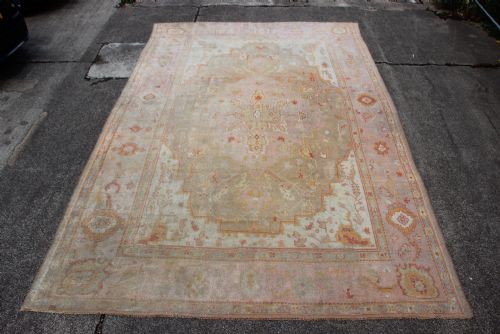
Oriental Carpet Rug
When choosing an oriental carpet rug, you acquire a woven textile spanning centuries of regional tradition from Persian, Caucasian, and Anatolian workshops.
Oriental Carpet Rug
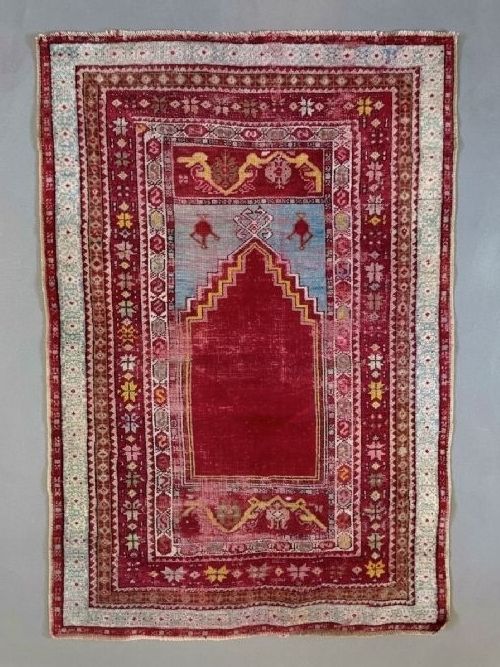
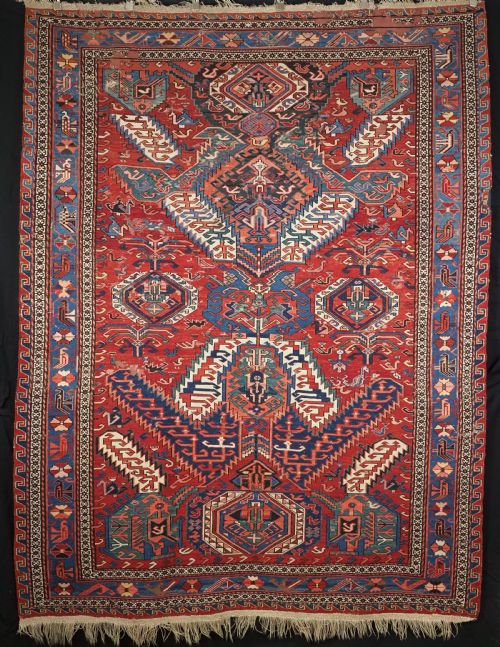
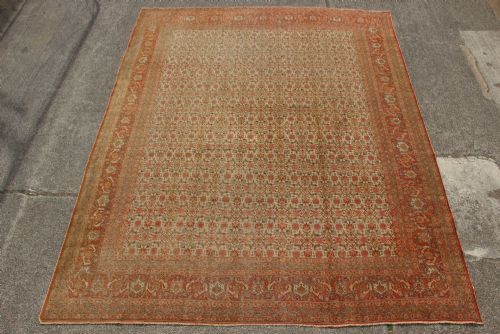
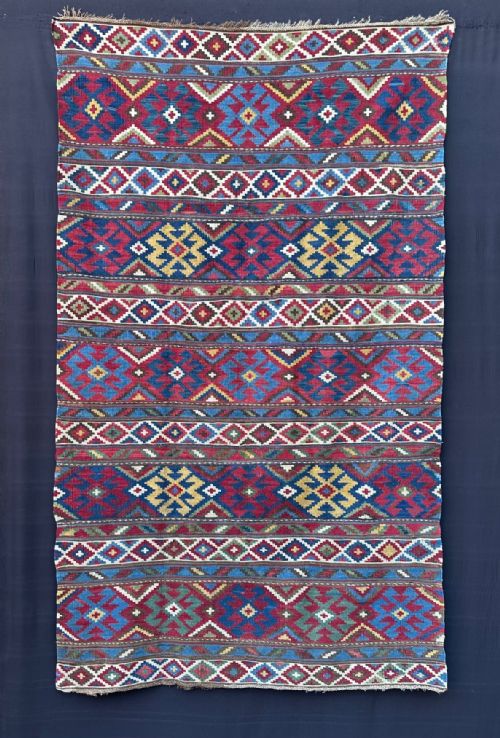
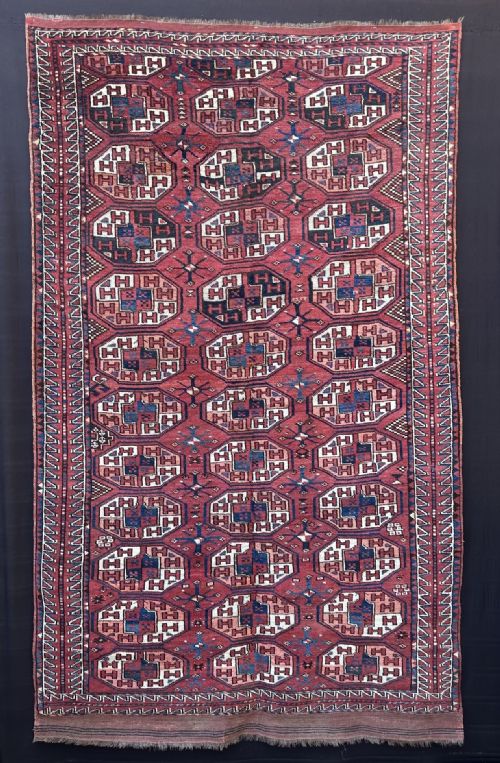
An oriental carpet rug encompasses floor coverings originating from distinct weaving centres across Persia, the Caucasus, Turkey, Turkmenistan, and Tibet. The selection on this page ranges from compact village prayer rugs to large country house carpets designed for substantial reception rooms.
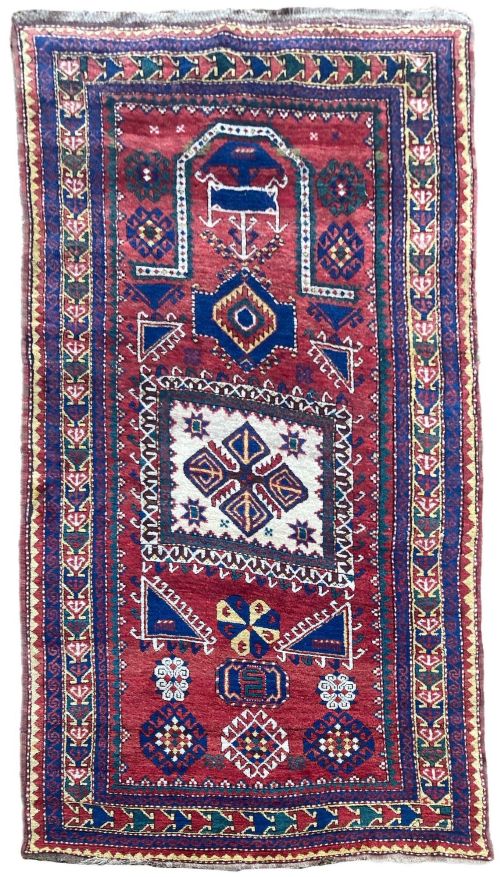
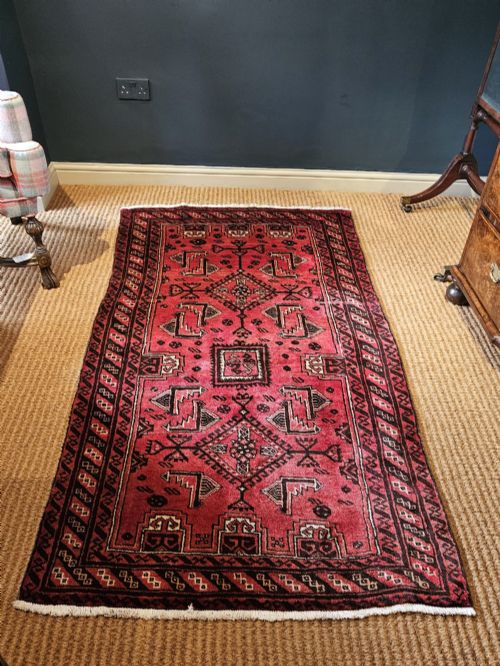
Buyers encounter numerous regional variations including Heriz, Tabriz, Hamadan, Kazak, and Baluch pieces. These examples span the nineteenth century through the early twentieth century, capturing diverse tribal and city workshop aesthetics.
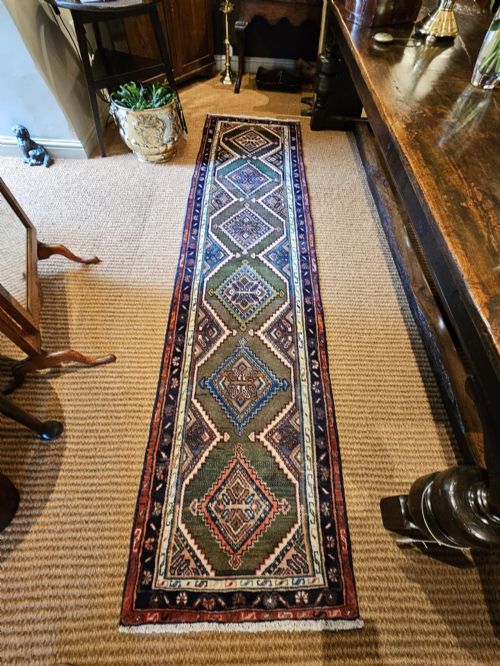
Formats vary significantly from square area carpets to long narrow runners suited for hallways. Prayer rugs with characteristic mihrab designs also appear frequently among the listed objects.
Materials and construction
Traditional weavers constructed these textiles primarily using wool, cotton, and occasionally silk highlights. Many pieces utilise hand-spun wool and natural dyes that yield enduring, complex colour palettes.
The physical build relies on hand-knotting or flat-weaving techniques such as soumak. Foundation threads typically consist of cotton or wool, giving the heavy fabrics their structural integrity.
Listings feature pieces dated across the nineteenth and early twentieth centuries, spanning wool, cotton, and silk materials.
Assessing quality and origin
Quality in an oriental carpet rug depends upon knot density, the precision of the tribal or workshop design, and the stability of the foundation. Finer city pieces demonstrate exact symmetry and intricate floral motifs, whereas tribal examples display expressive geometric patterns.
The integrity of the natural dyes and the quality of the wool heavily influence the visual depth of the pile. Original condition and clear regional attribution further elevate specific specimens.
The Oriental Carpet Rug Glossary
- Mihrab
- The arched design element found on prayer rugs that indicates the direction of prayer. It typically mirrors architectural prayer niches.
- Soumak
- A flat-weave technique involving wrapping weft threads around warp threads without cutting them. This method produces a durable structure with a textured surface.
- Runner
- A long, narrow carpet format manufactured specifically for corridors and stairs. These pieces balance length with restricted width.
- Natural Dyes
- Colourants derived from plants, insects, and minerals rather than synthetic compounds. They produce harmonious, fading tones over decades of light exposure.
- Warp
- The vertical structural threads stretched tightly on the loom before knotting begins. The weft threads interlace horizontally across these foundational strands.
Oriental Carpet Rug: Frequently Asked Questions
How do I choose the right size rug?
Measure your floor space carefully to ensure furniture legs either rest fully on the textile or sit entirely off it. Runners suit narrow hallways, while large carpets anchor central living spaces.
Consider door clearance and foot traffic patterns when selecting between heavy pile carpets and flat-woven runners.
What is the difference between village and city carpets?
City carpets like Tabriz and Isfahan feature precise, intricate floral patterns planned out on paper cartoons. Village and tribal pieces display geometric motifs created from memory by independent weavers.
Tribal rugs often possess a spontaneous, robust charm, whereas city workshops deliver formal symmetry.
How should I care for an antique rug?
Vacuum gently without using a rotating brush roll to protect the aged wool fibres and delicate fringes. Rotate the textile periodically to ensure even wear from foot traffic and sunlight.
Professional cleaning by specialists familiar with antique vegetable dyes prevents shrinkage and colour bleeding.
How can I identify the region of origin?
Examine the specific motifs, border arrangements, and colour palettes characteristic of known weaving areas such as Kazak, Heriz, or Hamadan. Structural traits like knot count and warp material also offer clues.
Regional signatures often manifest in distinct wool textures and structural edge finishes unique to specific tribes.