


Sultanabad Wool Carpet
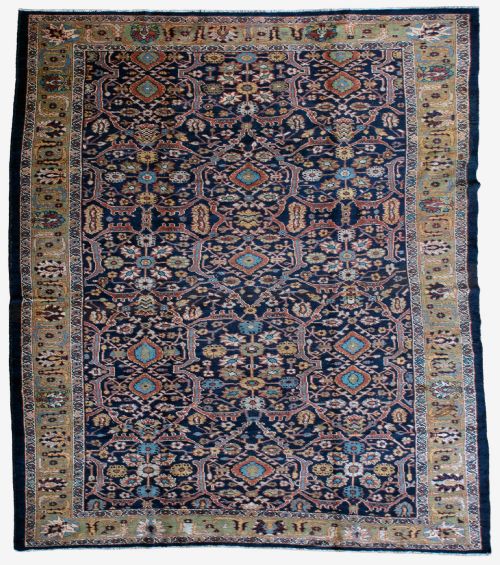
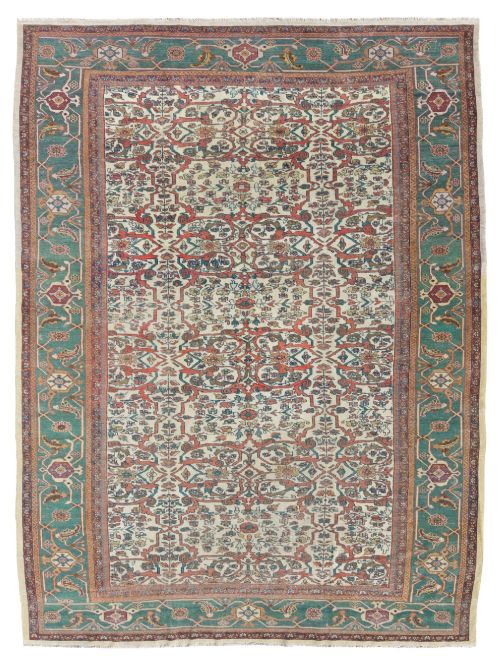
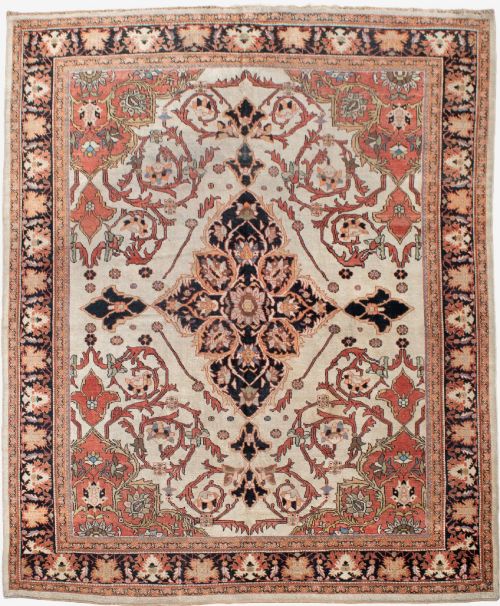
A sultanabad wool carpet brings grand Persian design into a room through large-scale floral patterns and muted vegetable dyes.

Sultanabad Wool Carpet
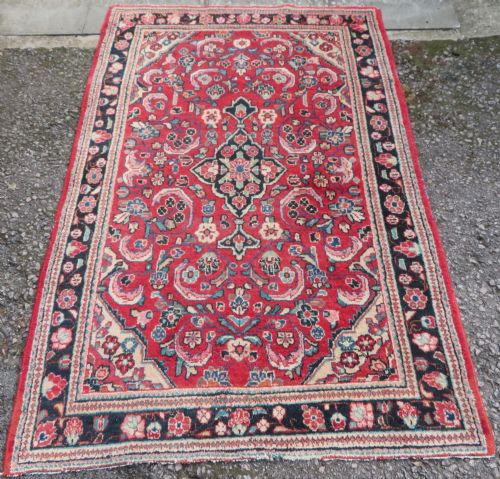
When you search for a sultanabad wool carpet, you look at floor coverings originating from West Persia during the late nineteenth and early twentieth centuries. These pieces encompass room-sized carpets and smaller rugs, often categorised under related regional names such as Mahal and Ziegler. The examples met on this page date predominantly from the 1880s and 1890s, alongside pieces from the early decades of the twentieth century.
The aesthetic of a sultanabad wool carpet relies on grand scale, featuring oversized palmettes and sweeping vines arranged with generous open space. Buyers encounter formats ranging from intimate area rugs to expansive carpets measuring over five metres in length. Persian traditional influences shape the overall composition, adapting classic motifs for Western decorative tastes of the period.
How they were made
The construction of a sultanabad wool carpet relies on hand-knotted wool pile secured upon sturdy cotton foundations. Weavers utilised hand-spun wool for the surface, which absorbed natural dyes with considerable depth and variation over decades of use. Cotton provided the warp and weft threads, offering structural stability for large formats.
Dye techniques involved natural materials sourced locally, producing characteristic soft terracotta, ivory, and muted blue tones. Artisans working in the Sultanabad region and surrounding villages executed these floor coverings on vertical looms using traditional Persian knotting methods.
Sultanabad Wool Carpet Retail Price Guide 2026
Typical asking prices for sultanabad wool carpet among the pieces listed under this phrase on Sellingantiques today, from the lower quarter to the upper quarter. They describe what is for sale here now, not the wider market.
Victorian drawing rooms welcomed these Persian carpets because their oversized flowers successfully masked the soot from coal fires.
What varies in quality
The distinction between tiers of a sultanabad wool carpet rests upon the fineness of the knot count and the rhythm of the drawing. Superior examples exhibit precise rendering of large-scale floral elements and balanced proportions across wide fields. Lesser grades show more rigid drafting or crowded motifs that lack the characteristic open grace of the workshop output.
Pile preservation and foundation integrity determine the functional grade of surviving pieces. Carpets retaining even wool depth across high-traffic areas demonstrate superior original material selection and careful historical maintenance.
Ziegler and Co
The Sultanabad Wool Carpet Glossary
- Sultanabad
- A West Persian rug-producing region known for large-scale commercial carpet manufacture in the nineteenth century. Production here aligned traditional patterns with European interior design demands.
- Mahal
- A village rug style originating from the same region as Sultanabad, typically featuring slightly more rustic village interpretations of workshop designs. These pieces share the characteristic wool pile and natural palette.
- Ziegler
- A designation often applied to commercial carpets commissioned or exported by the Manchester firm Ziegler and Co. These feature subdued palettes and oversized motifs tailored for Western drawing rooms.
- Warp
- The vertical foundation threads stretched lengthwise on the loom before knotting begins. Cotton warps provide the underlying tensile strength for heavy wool carpets.
- Palmette
- A stylized floral motif resembling a fan-shaped palm leaf, frequently seen dominating the field of these Persian carpets. This classical element anchors the large-scale composition.
Sultanabad Wool Carpet: Frequently Asked Questions
How do I clean an old carpet?
Professional specialist cleaning remains essential for fragile antique textiles to prevent dye bleed and fibre degradation.
Regular gentle suction without a rotating brush helps remove surface dust between specialist washes.
Where were these carpets woven?
Weavers produced these floor coverings in West Persia, centred around the town of Sultanabad and surrounding rural districts.
Workshops and village homes alike contributed to the regional output destined for both local use and international export markets.
Are these rugs suitable for hallways?
Selected smaller formats and runner proportions fit narrower transit spaces, provided foot traffic remains moderate.
Placing a proper underlay beneath the cotton foundation prevents slipping and reduces fibre wear on hard floors.
How do I date a carpet?
Stylistic indicators such as muted natural dye palettes and specific floral drawing styles help assign pieces to the late nineteenth or early twentieth century.
Structural details, including cotton foundation crispness and edge finish, offer further clues to the period of manufacture.