


Oriental Carpet 1890
An oriental carpet 1890 brings historical floor textiles into a room, offering rich patterns and traditional craftsmanship from Persian, Caucasian, and Turkmen workshops.
Oriental Carpet 1890
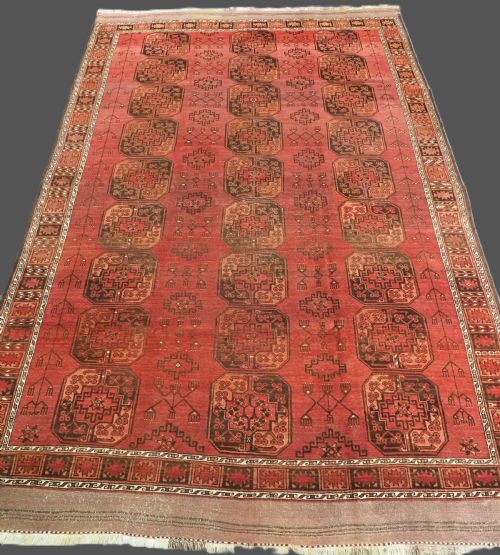
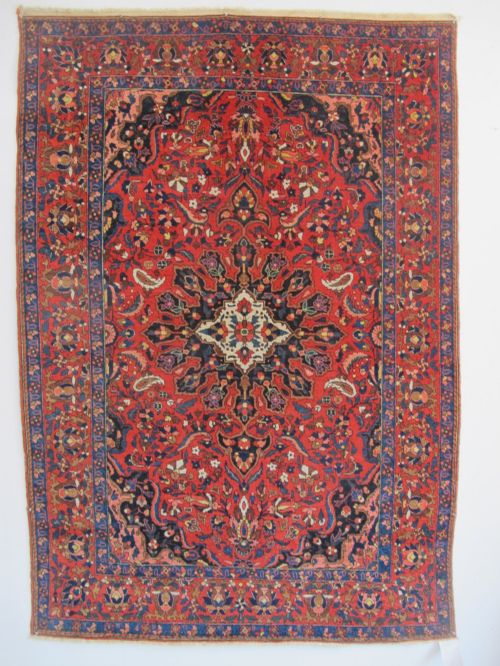
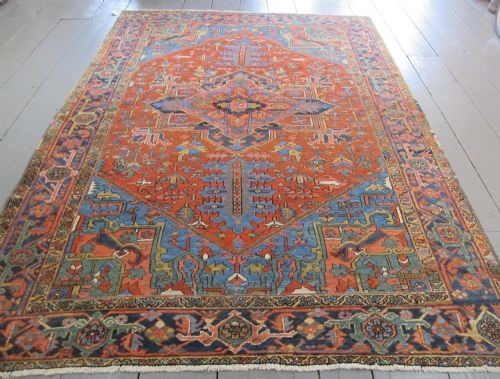
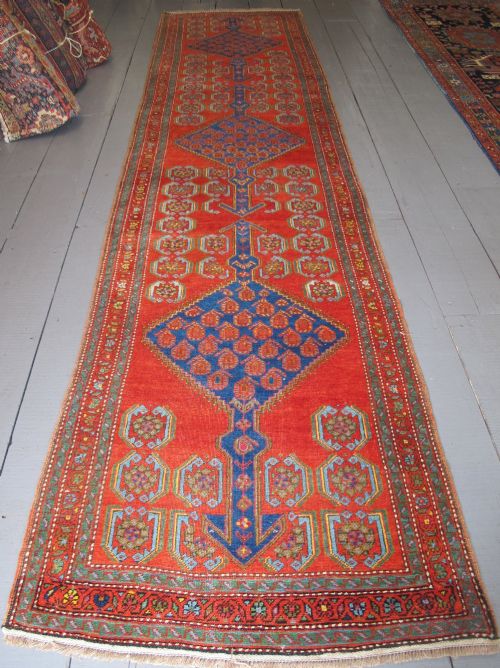
An oriental carpet 1890 represents a diverse group of woven floor coverings and tribal textiles originating from Persia, the Caucasus, Turkey, and Central Asia around the end of the nineteenth century. Buyers searching this phrase encounter various regional formats, including large floor carpets, long runners, smaller scatter rugs, and prayer rugs.
The selections span distinct tribal and village styles such as Heriz, Bakshaish, Kazak, Ushak, and Baluch. These pieces range from substantial room-sized furnishings to intricately detailed nomadic bag faces and torbas.
Most items on this page date directly to the Victorian period around 1890, reflecting the traditional weaving output of specific tribal confederations and town workshops. Each piece carries the distinct geometric or floral vocabulary of its particular origin.
How They Were Made
Weavers constructed these textiles using hand-spun wool, cotton foundations, and occasionally goat hair or silk. Natural dyes provided the foundational palette for the intricate field patterns and borders.
Nomadic and village artisans knotted the pile by hand onto warp and weft structures, utilising local materials gathered from their specific regions. Specialised regional techniques dictated whether a piece emerged as a tightly woven town carpet or a looser tribal weaving.
Listings feature wool, cotton, goat hair, and silk materials.
What Varies in Quality
The standard of an oriental carpet 1890 depends largely on the density of the knotting and the fineness of the wool used in the pile. Superior examples display precise execution of intricate motifs, such as lattice designs or medallion layouts, alongside balanced proportions.
Depth and clarity of colour distinguish finer specimens, particularly those utilising rich natural dyes that patinate gracefully over time. The integrity of the foundational structure and the preservation of original borders further delineate the hierarchy among these nineteenth-century weaves.
The Oriental Carpet 1890 Glossary
- Gul
- A repeating medallion motif often found in Turkmen and Baluch weavings. These geometric primary symbols identify specific tribal groups.
- Boteh
- A stylised floral or almond-shaped motif resembling a bent palm leaf. This ancient design appears frequently in Caucasian and Persian runners.
- Prayer rug
- A small format rug featuring a mihrab or arch design at one end, traditionally used for individual prayer. These pieces often display specific regional iconography.
- Torba
- A small nomadic wall bag or storage face produced by Turkmen weavers. They typically exhibit precise geometric guls and flat-woven backs.
- Runner
- A long, narrow carpet format designed for hallways or corridors. These pieces accommodate restricted floor spaces while retaining full regional design schemes.
Oriental Carpet 1890: Frequently Asked Questions
Where were these carpets made?
These textiles originate from various weaving centres and nomadic regions across Persia, the Caucasus, Anatolia, and Central Asia. Specific groups include Turkmen tribes, Kurdish weavers, and Persian town workshops.
Each region developed distinct weaving traditions, utilising local materials and specific design vocabularies passed down through generations.
How do I care for an antique rug?
Vacuum these wool and cotton textiles gently without using a rotating brush bar to protect the delicate pile. Professional cleaning suited for antique natural-dye carpets helps maintain the wool.
Keep the rug out of direct, harsh sunlight to prevent the natural dyes from fading unevenly over the years.
What is a tribal design?
Tribal designs feature geometric motifs, stylized animals, and repeating symbolic guls created by nomadic or village weavers from memory. These patterns differ significantly from the curved floral layouts produced in urban workshops.
Such designs offer a direct link to the cultural heritage and specific clan identities of the makers.
Are these rugs suitable for heavy traffic?
Nineteenth-century pile carpets woven with sturdy hand-spun wool and tight foundations withstand normal domestic foot traffic well. Placing a suitable underlay beneath the textile prevents slipping and reduces wear.
Runner formats suit hallways and corridors, while larger carpets anchor principal living spaces effectively.