


Indian Wool Carpet
These indian wool carpet examples combine rich regional designs with durable materials, offering a practical way to bring historical warmth and floor covering artistry into a room.
Indian Wool Carpet
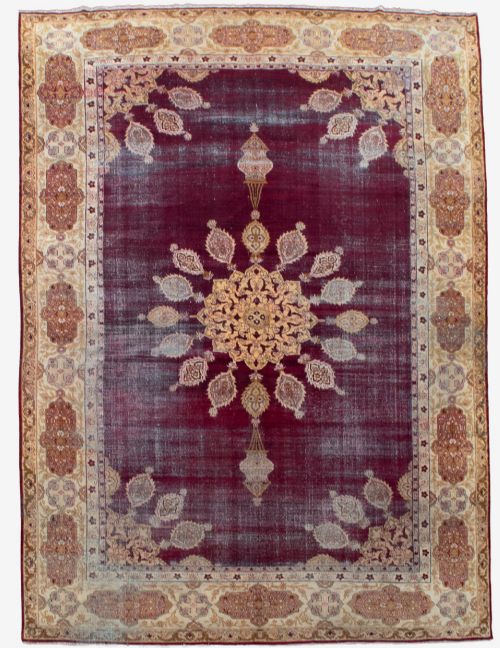
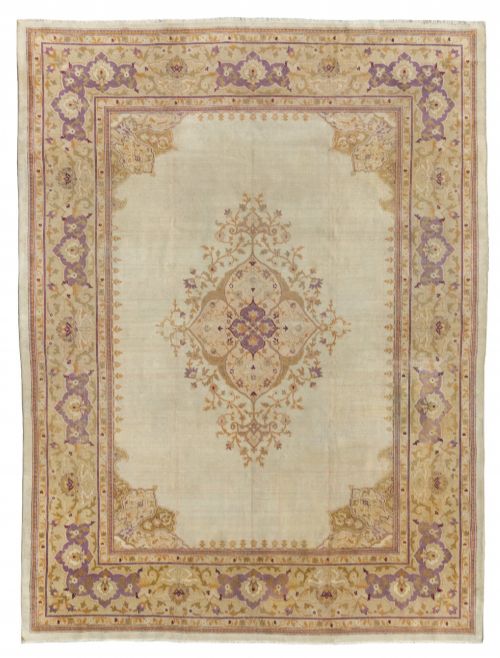
When you search for an indian wool carpet, you encounter floor coverings spanning from the eighteenth century through the early twentieth century. The selection typically includes large country house carpets, room-sized rugs, and wall-hanging fragments originating from northern weaving centres.
The most frequent examples on this page are nineteenth-century pieces from Amritsar and Agra, alongside Kashmir chain stitch rugs and crewelwork textiles. These items reflect traditional Indian, Mughal, and Indo-Persian design influences executed in substantial formats.
Buyers will find both room-filling carpets measuring over five metres and smaller area rugs suitable for focused spaces. The materials remain consistent across these periods, relying on natural wool and cotton foundations.
Assessing Quality and Execution
The quality of an indian wool carpet rests on the fineness of the knotting or stitching and the preservation of the original format. Intricate Mughal and Indo-Persian designs demand precise execution to maintain pattern clarity across large expanses.
Condition also dictates standing, with complete room-sized carpets and intact fragments each holding distinct merit depending on pile retention and structural stability. Richness of dye and integrity of the cotton foundation complete the assessment.
The listings span from the eighteenth century to the 1930s, featuring wool and cotton materials shaped by Mughal, Amritsar, and Indo-Persian styles.
The Indian Wool Carpet Glossary
- Amritsar
- A city in Punjab known for producing large nineteenth-century carpets with distinctive regional designs. These pieces often served large country houses and public spaces.
- Agra
- A northern weaving centre famous for nineteenth-century carpet production, including prison-made jail carpets. These rugs frequently utilise strong floral and all-over patterns.
- Chain stitch
- An embroidery technique used in Kashmiri rugs and textiles to create looped surface designs. It provides a textured finish distinct from standard knotted pile.
- Crewelwork
- Embroidery work using wool yarn on a cotton or linen ground, seen in decorative wall hangings and carpets. This method creates dense, colourful surface patterns.
- Indo-Persian
- A stylistic category blending traditional Persian compositional elements with Indian artistic motifs. These designs appear frequently in historical northern carpets.
Indian Wool Carpet: Frequently Asked Questions
How do I date an antique Indian carpet?
Dating relies on stylistic markers, construction methods, and documented period comparisons. Pieces from the eighteenth, nineteenth, and early twentieth centuries each exhibit characteristic dye palettes and weaving structures.
Examining the wear patterns and foundation materials alongside design influences helps narrow the period of origin.
Where were these carpets made?
Production was centered in northern regions of the Indian subcontinent, particularly around Agra, Amritsar, and Kashmir. Each region developed specific styles, from classic Mughal motifs to structured country house carpets.
Local workshops utilised regional wool and cotton supplies to execute these traditional designs.
Are these carpets suitable for heavy foot traffic?
Many nineteenth-century examples were built for substantial country house use, employing robust wool pile on cotton foundations. Large formats handle daily movement well when placed over appropriate underlays.
Fragile fragments or fine chain stitch textiles, however, are better suited for light use or wall display.
How should I clean an antique wool carpet?
Professional textile conservation cleaning is recommended for historical wool and cotton carpets. Gentle vacuuming without a beater bar removes surface dirt safely between professional treatments.
Avoiding excessive moisture and direct sunlight preserves the natural wool pile and original dyes.