





Oriental Bronze Flower Pots
These oriental bronze flower pots bring enduring craftsmanship to your home, offering heavy patinated vessels designed for display and botanical arrangements.
Oriental Bronze Flower Pots
When you search for oriental bronze flower pots, you encounter heavy metal vessels intended for floral displays, botanicals, and interior decoration. These pieces arrive from various periods, including the nineteenth century, the Victorian era, and the Meiji period.
Materials and Techniques
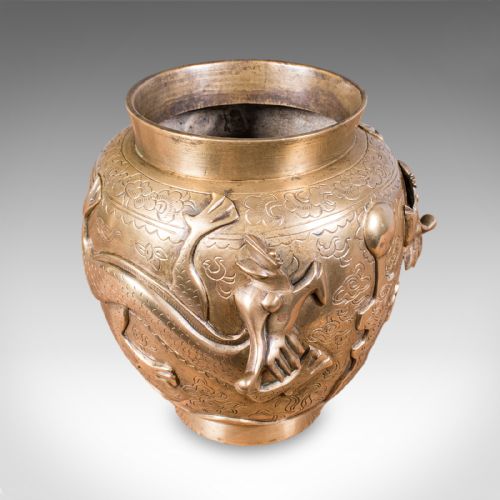
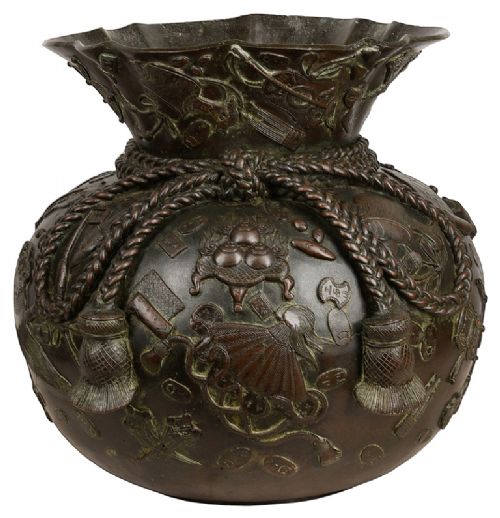
The construction of these vessels relies primarily upon cast bronze and brass, sometimes enhanced with patination, gilt bronze, or mixed metals. Artisans shaped these heavy metallic elements through traditional casting methods, ensuring durability and structural integrity.
Certain examples incorporate intricate cloisonné enamel work, fusing vitreous enamel to metal compartments within wire outlines. This combination of bronze casting and surface decoration defines the material execution across the surviving pieces.
Oriental Bronze Flower Pots Retail Price Guide 2026
Typical asking prices for oriental bronze flower pots among the pieces listed under this phrase on Sellingantiques today, from the lower quarter to the upper quarter. They describe what is for sale here now, not the wider market.
Listings span the nineteenth century, the Victorian era, and the early twentieth century, utilising bronze, brass, and cloisonné enamel.
Judging Quality
Quality in these pieces is determined by the crispness of the casting and the depth of the patination. Heavy metal vessels with balanced proportions and deliberate surface detailing demonstrate superior workshop standards.
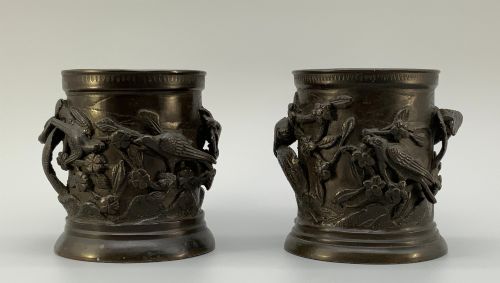
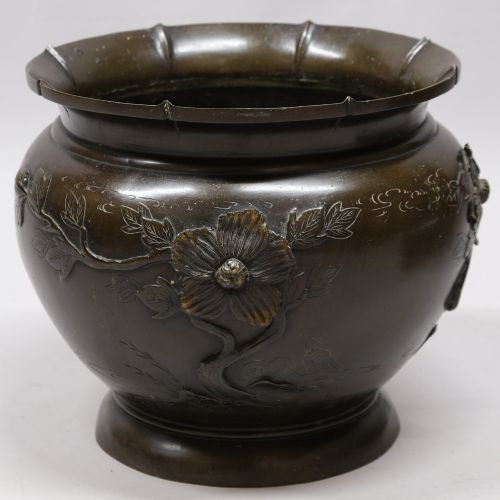
The presence of refined decorative elements, such as birds, blossom motifs, or integrated cloisonné enamel work, elevates a piece. Subtle variations in metal composition and finishing distinguish standard utility vessels from exceptional decorative examples.
The Oriental Bronze Flower Pots Glossary
- Jardiniere
- A large decorative pot or stand designed to hold a plant or floral arrangement. These vessels often sit on interior surfaces or pedestals.
- Patinated Bronze
- Bronze that has developed a controlled surface coloration or sheen through age and chemical treatment. This finish protects the metal and adds visual depth.
- Cloisonne Enamel
- A technique where enamel paste is applied within compartments defined by soldered metal wires. The piece is then fired to create coloured decorative patterns.
- Meiji Period
- A Japanese historical era spanning from eighteen sixty-eight to nineteen twelve, noted for skilled metalwork and international export arts.
- Chinoiserie
- A European artistic style reflecting Chinese aesthetic influences, frequently applied to furniture and decorative objects during the Victorian era.
Oriental Bronze Flower Pots: Frequently Asked Questions
What is a jardiniere?
A jardiniere is a decorative pot designed to hold a living plant or floral arrangement. These vessels are typically deeper and heavier than standard flower vases.
They function as centrepieces for interior spaces, accommodating larger botanical displays and floral arrangements.
How do I care for bronze?
Bronze requires minimal maintenance, needing only occasional dusting with a soft, dry cloth. Avoid using harsh chemical cleaners or abrasive pads that might strip the historic patination.
Keeping the metal away from excessive moisture preserves the surface finish and protects the underlying material.
What is Meiji period bronze?
Meiji period bronze refers to metalwork produced in Japan during the reign of the Meiji Emperor. This era is celebrated for exceptional foundry techniques and detailed decorative motifs.
Objects from this time often feature naturalistic themes such as birds, blossoms, and intricate surface patination.
How can I date these vessels?
Dating relies upon stylistic markers, casting methods, and surface decoration associated with specific periods like the nineteenth century or the Meiji era. Examination of the patination and metal composition also provides clues.
Comparing construction traits with documented examples helps establish the chronological origins of each piece.