

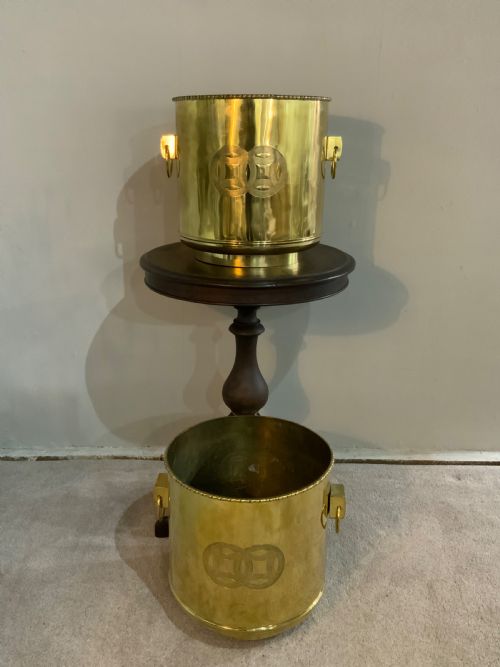


Antique Asian Planter Pots
Antique asian planter pots bring centuries of metalwork and ceramics into interiors, offering heavy bronze and painted porcelain to hold plants.
Antique Asian Planter Pots
When searching for antique asian planter pots, collectors encounter jardinières, fish bowls, and heavy decorative vessels originating from China, Japan, Thailand, and Siam. These pieces span the eighteenth, nineteenth, and early twentieth centuries, encompassing the Edo, Meiji, and Qing periods alongside Victorian interpretations.
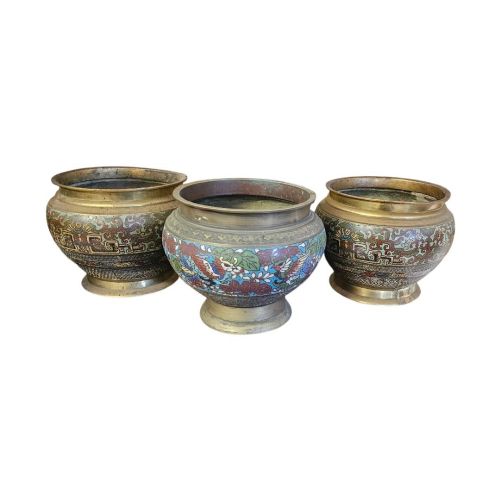
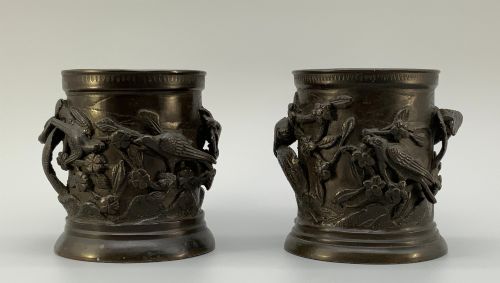
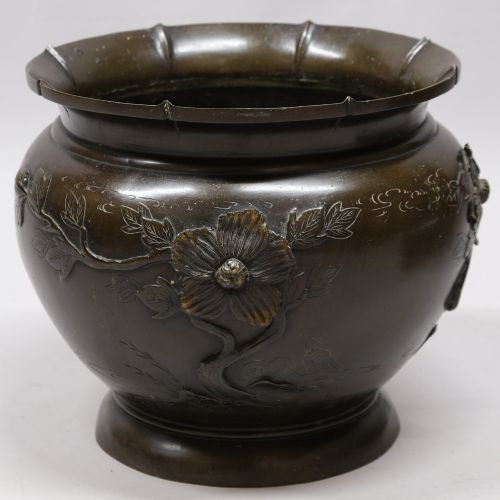
The form most frequently met on this page is the large bronze or brass jardinière, often cast with birds, blossom, or champlevé enamel. Porcelain and stoneware examples also appear, including blue and white fish bowls, Imari patterns, and Satsuma wares, frequently accompanied by associated hardwood stands.
How they were made
Bronze and brass planters rely on skilled metal casting, frequently finished with patinated surfaces, chased details, or inlaid champlevé and cloisonné enamel cells. Artisans shaped heavy metal bowls to withstand daily use while incorporating intricate motifs of nature.
Ceramic vessels utilise stoneware, porcelain, and canton enamel, decorated with cobalt pigment or polychrome glazes. Potters fired large fish bowls and jardinières at high temperatures to achieve durable finishes capable of holding soil and water.
Antique Asian Planter Pots Retail Price Guide 2026
Typical asking prices for asian planter pots among the pieces listed under this phrase on Sellingantiques today, from the lower quarter to the upper quarter. They describe what is for sale here now, not the wider market.
Several heavy bronze bowls weigh over two kilos, proving that nineteenth-century plants enjoyed remarkably sturdy accommodation.
What varies in quality
The standard of metal casting and enamel work dictates the upper tier of bronze and brass vessels, where crisp chisel work and securely anchored champlevé fields separate superior examples from simpler utilitarian bowls. Weight and wall thickness also signal superior production, as heavier bronze bowls demonstrate substantial material investment.
In ceramic pieces, precision of the cobalt pigment painting, glaze clarity, and the crispness of Imari or Satsuma details define better examples. The inclusion of matching or associated hardwood stands often elevates the presentation and desirability of the jardiniere.
Makuzu Kozan II
The Antique Asian Planter Pots Glossary
- Jardiniere
- A large ornamental pot or bowl designed to hold a plant or flower arrangement. These vessels form the core of this category.
- Champleve
- An enamelling technique where troughs are carved into a metal surface and filled with vitreous enamel before firing. This method creates colourful geometric or pictorial designs on bronze bodies.
- Meiji Period
- The era of Japanese history lasting from eighteen sixty-eight to nineteen twelve, known for exceptional bronze casting and decorative arts. Pieces from this time often feature birds, blossom, and patinated finishes.
- Imari
- A style of Japanese porcelain decorated in underglaze blue and overglaze red, gold, and green. These brightly coloured wares were widely exported during the nineteenth century.
- Cloisonne
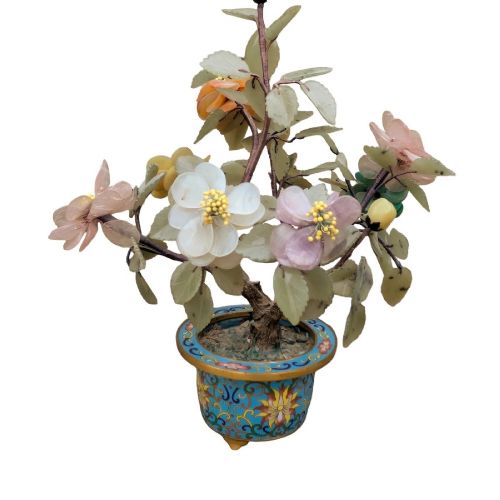
- A decorative metalwork method using thin wire soldered to a metal base to create compartments for enamel paste. It produces intricate patterns across Asian planter vessels.
- Satsuma
- A type of Japanese earthenware featuring a pale, cracked ivory glaze decorated with detailed polychrome enamels and gilding. These decorative vessels prized intricate narrative scenes.
Antique Asian Planter Pots: Frequently Asked Questions
What is the difference between a jardiniere and a vase?
A jardiniere is specifically a large, wide bowl or pot designed to contain a potted plant directly within its recess. Vases typically possess narrower necks intended for cut stems rather than established root systems.
In historical listings, some vessels serve dual purposes or adopt broader forms, but planter pots prioritize stability and soil capacity over height.
How do I care for an antique bronze planter?
Bronze and brass vessels require gentle dusting with a dry microfibre cloth to preserve their original patinated finish. Avoid abrasive metal cleaners or chemical polishes that strip historical age.
When housing live plants, place a modern plastic liner inside the antique bowl to protect the metal and enamel from moisture damage.
Were these pots made for export or domestic use?
Many nineteenth-century bronze and ceramic jardinières were manufactured specifically for the Western export market during the height of Victorian Orientalism and the Asian Revival. Artisans in Meiji Japan and late Qing China adapted traditional forms to satisfy European interior tastes.
At the same time, heavy fish bowls and decorative vessels maintained traditional functions within Asian domestic and garden settings before reaching Western collections.
How do I identify a Meiji period bronze piece?
Meiji period bronze vessels typically display deep patination, naturalistic motifs such as birds and blossom, and heavy casting. Artisans utilised sophisticated metalworking techniques developed during the late nineteenth century.
Examining the base and interior reveals casting marks and manufacturing textures consistent with workshops active between eighteen sixty-eight and nineteen twelve.