
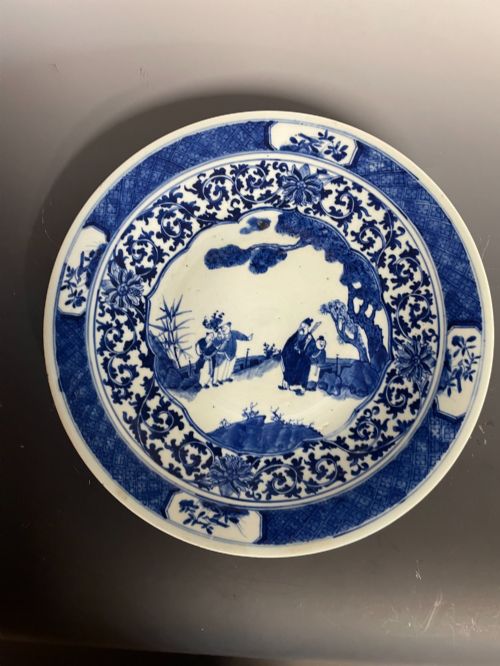
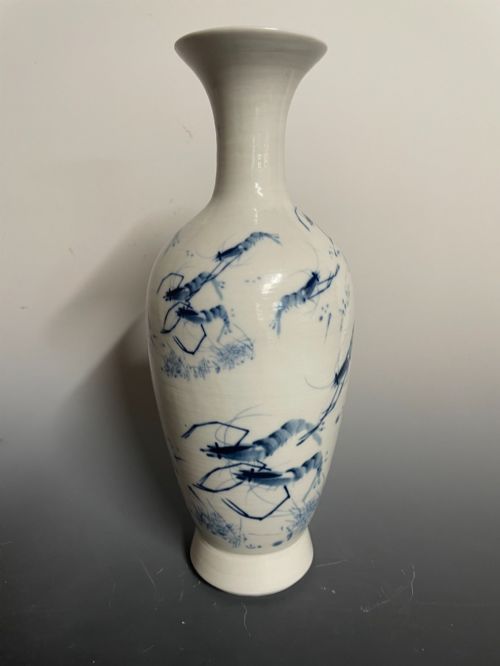
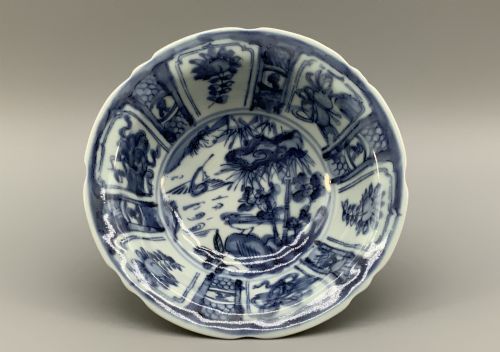
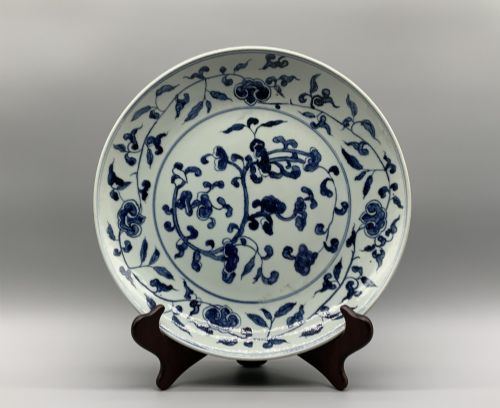


Oriental Blue White Ceramic
Oriental blue white ceramic pieces bring historic cobalt pigments and intricate painted motifs into modern rooms.
Oriental Blue White Ceramic
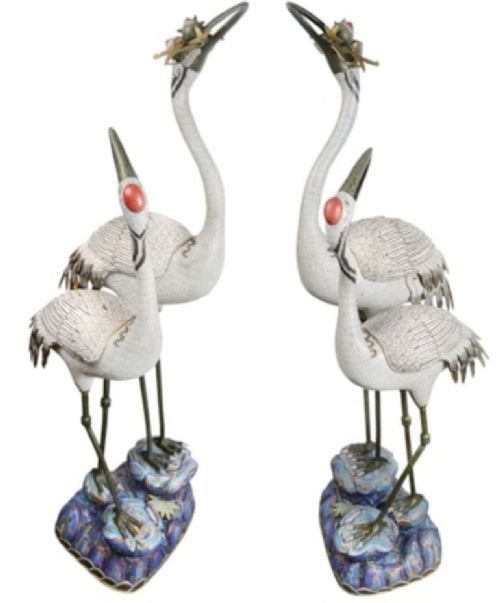
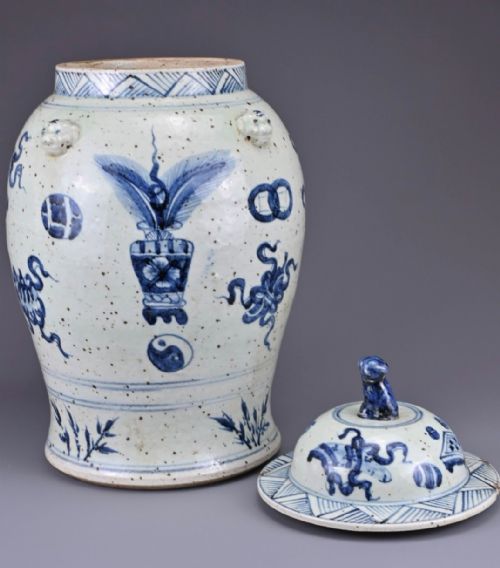
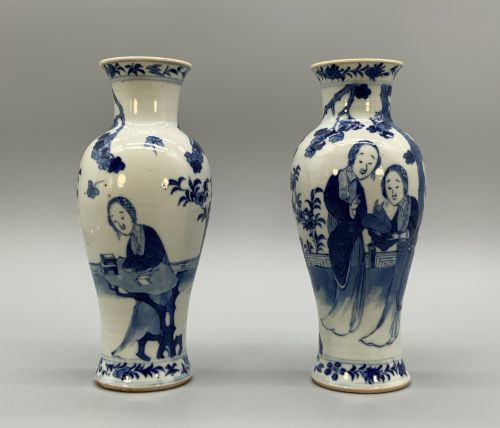
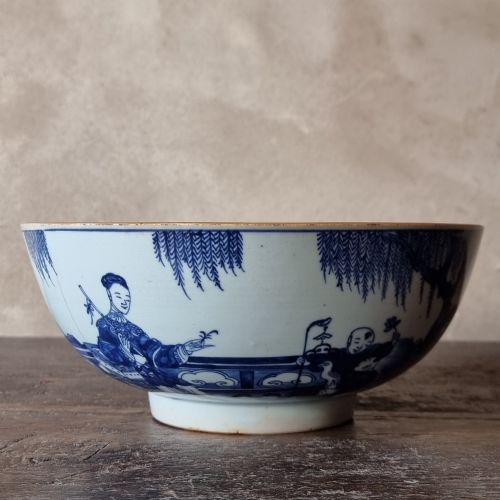
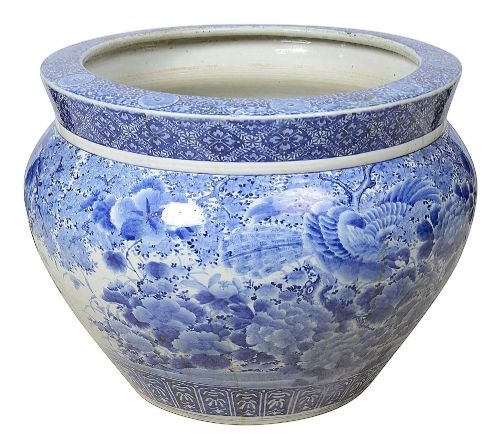
When buyers search for oriental blue white ceramic, they encounter centuries of craftsmanship spanning Chinese dynasties, Japanese kilns, and European interpretations. These objects range from massive chargers and temple jars to delicate tea pots, ginger jars, and decorative bowls.
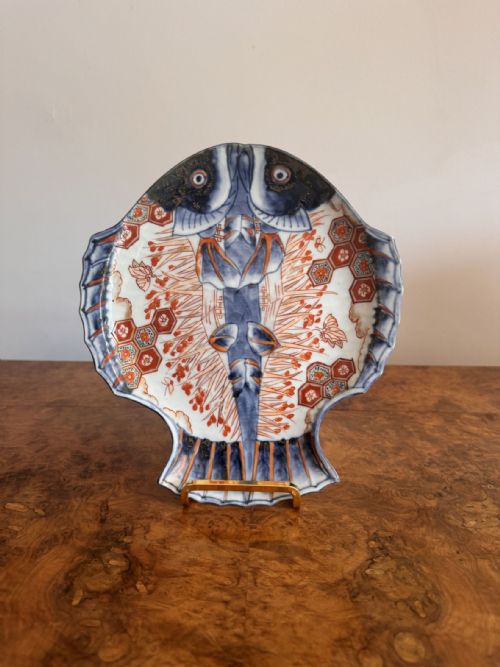
The versions most commonly met on this page include 18th-century Kangxi period porcelain, 19th-century Qing dynasty vessels, and Japanese Arita Imari wares. Forms often transition from traditional display pieces to converted table lamps and umbrella stands.
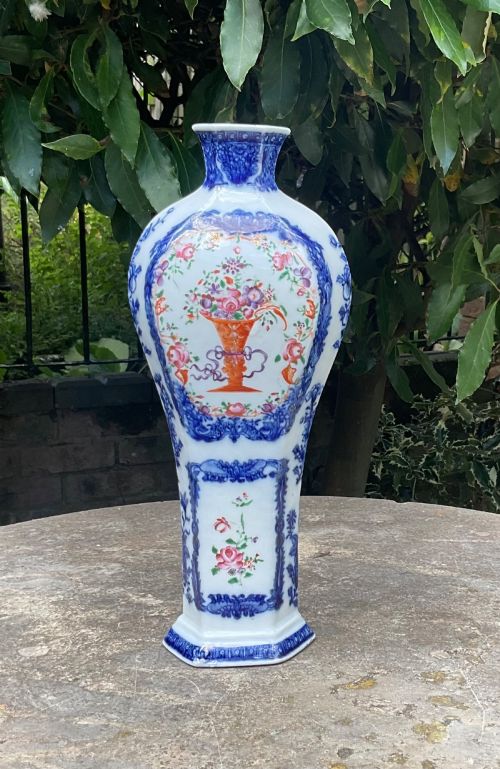
Pieces reflect distinct regional movements, incorporating Chinese export styles, Chinoiserie, and Japanese Meiji designs. Domestic Georgian transferware pottery also appears alongside these eastern imports, showing the global influence of the palette.
Materials and methods
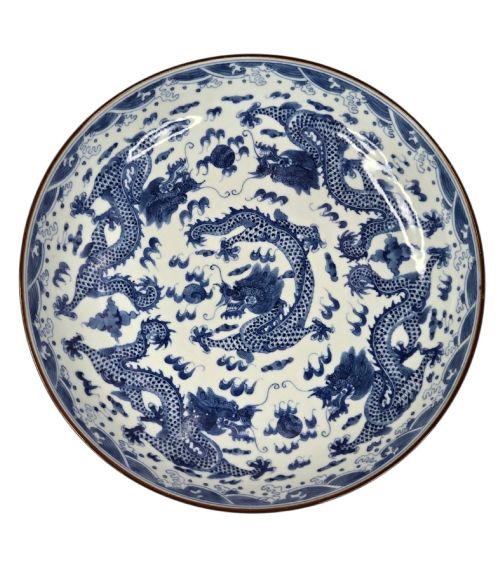
Potters shaped high-fired porcelain and earthenware bodies before applying metallic cobalt glaze underglaze. Artisans painted botanical motifs, dragons, and figurative scenes by hand directly onto the clay body.
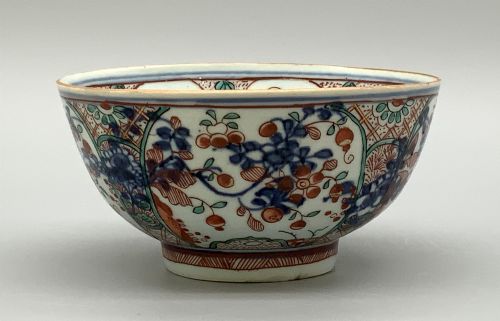
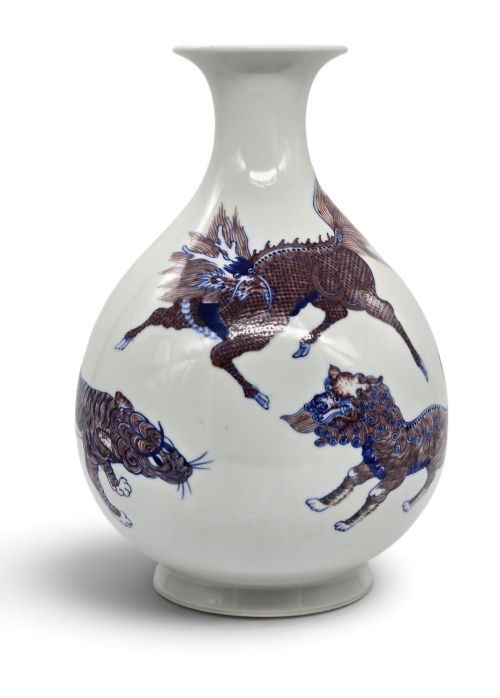
Kiln workers utilised clear glazes to seal the cobalt pigment during intense firing, producing rich blue tones against white backgrounds. Enamel colours and copper-red details were occasionally added in secondary firings.
Mounts and secondary fittings incorporated brass elements, while some later vessels arrived paired with carved wooden stands or conversion hardware for electrical lamps.
Erotic spring palace snuff bottles tucked away in the listings offer a surprising private glimpse into Qing dynasty daily life.
Measures of distinction
Skill in the brushwork distinguishes standard production items from masterworks. Fluid, confident lines in the cobalt underglaze separate exceptional painted detail from repetitive or hasty decoration.
The purity of the white porcelain body and the stability of the glaze during high-temperature firing influence the overall finish. Clear vitrification and minimal distortion during the kiln process indicate superior manufacturing.
Historical age and intact provenance elevate certain forms, particularly when specific reign marks or documented periods like the Kangxi era align with the physical condition of the ceramic.
John Rogers And Son·J W R·Hicks And Meigh·J And R Riley
The Oriental Blue White Ceramic Glossary
- Imari
- A style of Japanese porcelain originating from Arita, typically combining underglaze blue with iron red and gilt details. These wares were heavily exported to Europe.
- Underglaze
- A decoration technique applied to ceramic bodies before the final glaze and firing. This method protects the pigment beneath a glossy surface.
- Jardiniere
- A large ornamental ceramic pot designed to hold live plants or floral arrangements. They frequently appear in domestic interior displays.
- Transferware
- A pottery decoration method using an engraved copper plate to transfer printed patterns onto ceramic surfaces. It became popular in Georgian and Victorian England.
- Charger
- A large decorative plate or platter intended for display on walls or sideboards rather than dining use.
Oriental Blue White Ceramic: Frequently Asked Questions
How do I date an antique charger?
Dating relies on examining the potting technique, foot ring construction, and stylistic nuances of the cobalt painting. Cobalt tones and glaze characteristics often shift between dynasties and centuries.
Secondary clues include reign marks, kiln grit adherence on the base, and whether the piece shows export characteristics meant for Western markets.
Were these vessels meant for daily use?
Many larger forms like chargers, jardinières, and ginger jars served decorative or storage roles rather than active dining functions. Punch bowls and tea pots saw direct culinary service in period households.
Export wares were frequently commissioned specifically for display in European cabinets and reception rooms.
What is the difference between Chinese and Japanese pieces?
Chinese porcelain often emphasises subtle underglaze blue painting, imperial dragon motifs, and scholarly iconography across periods like the Kangxi and Qing eras. Japanese Arita and Imari production frequently introduces iron red, vibrant enamel highlights, and scalloped edges.
Kiln techniques and clay compositions also vary distinctly between the two regional traditions.
How should I display a converted lamp?
Vessels converted to lamps should retain their structural integrity without invasive drilling that compromises the antique body. Placing them on stable sideboards allows the painted motifs to act as primary focal points.
Pairing them with neutral shades ensures the blue and white patterns remain the dominant visual element in the room.