
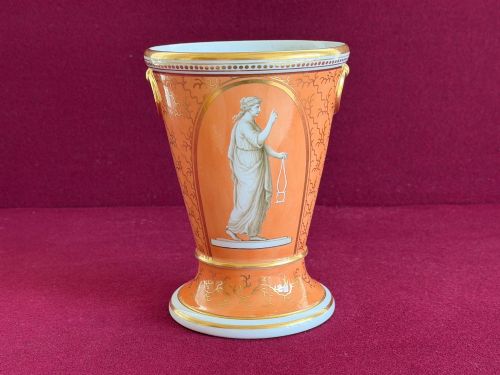


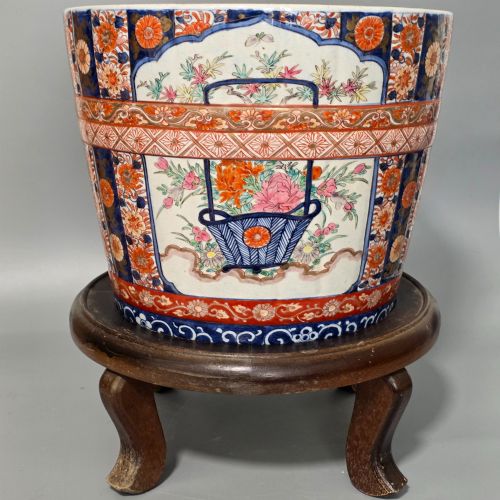


Orange Ceramic Planter
These orange ceramic planter pieces bring vibrant colour and historic form into a room, offering genuine utility alongside centuries of craftsmanship.
Orange Ceramic Planter
An orange ceramic planter functions as a decorative vessel for housing plants, taking forms such as jardinières, garden planters, and specialised vessels like the Nevers faience pot à orange. These items span periods from the seventeen hundreds through the nineteenth century, reflecting global ceramic traditions.
The selections available here range from Georgian English porcelain pieces and French terracotta pots to eighteenth-century Chinese export wares and Japanese Imari jardinieres. Buyers frequently encounter nineteenth-century Japanese Imari examples alongside European earthenware and porcelain creations.
Originating across distinct global workshops, these vessels serve both practical botanical functions and decorative interior display roles. The diverse geographical origins mean forms vary from traditional Japanese jardiniere shapes to French provincial terracotta and Worcester porcelain jardinieres.
Materials and construction techniques
Maker workshops shaped these pieces using earthenware, porcelain, terracotta, and tin glaze, applying gold leaf and enamel decoration where appropriate. Hardwood often appears as a complementary material, particularly for stands accompanying Japanese Imari planters.
Techniques range from hand-thrown terracotta shaping to refined porcelain manufacturing practices seen in Georgian English works and eighteenth-century Chinese export pieces. Artisans employed specialised glazing and firing methods to achieve the distinctive colours and durable surfaces characteristic of each period.
Listings feature periods spanning from the seventeen hundreds through the nineteenth century, including Georgian and Edo eras.
Distinctions in quality
Quality reveals itself in the precision of the form, the finesse of the hand-painted enamel work, and the integrity of the glaze. Pieces bearing specific historical factory attributions, such as Worcester porcelain or Nevers faience, demonstrate superior artistic execution.
The sophistication of the decorative motifs, whether Japanese Imari patterns or French provincial styling, separates standard utility items from masterworks. Preservation of original surface details, gilding, and associated stands elevates the standing of an individual piece.
Flight And Barr·Barr Flight And Barr·Samson
The Orange Ceramic Planter Glossary
- Jardiniere
- A large ornamental pot or planter designed to hold plants or flowers. These vessels often feature decorative glazed surfaces and sit on matching stands.
- Imari
- A style of Japanese porcelain decorated in underglaze blue and overglaze red, gold, and other colours. This aesthetic heavily influenced European ceramic production during later centuries.
- Tin glaze
- An opaque white glaze made by adding tin oxide to lead glaze, commonly used in faience production. It provides a smooth surface for painted decoration.
- Faience
- European tin-glazed earthenware produced from the fifteenth through the eighteenth centuries. Nevers stands as a notable centre for this colourful ceramic tradition.
Orange Ceramic Planter: Frequently Asked Questions
What is a jardiniere?
A jardiniere is a decorative pot designed to hold growing plants or floral arrangements, often displayed on tables or stands.
Historically, these vessels served prominent decorative functions in grand interiors across Europe and Asia.
How do I identify Imari ware?
Imari pieces typically feature a distinct palette of underglaze blue, iron red, and gold accents.
Originating in Japan, this style became widely exported and later emulated by European potteries.
Where were these planters used?
These vessels were placed in formal gardens, orangeries, and reception rooms to house prized botanical specimens.
Their robust ceramic and terracotta construction allowed them to transition between indoor display and sheltered outdoor spaces.
How do I care for antique planters?
Antique ceramic and terracotta planters require gentle cleaning with soft cloths and mild solutions, avoiding harsh abrasives.
Using a plastic liner inside the vessel protects the historic porous material from moisture damage.