




Orange Blue Imari Dish
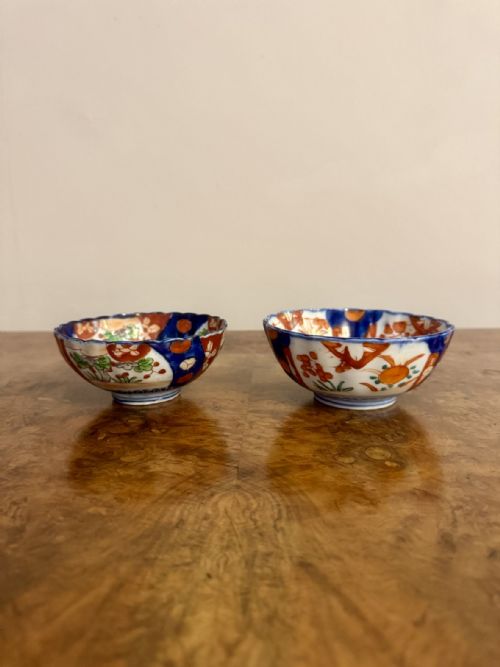
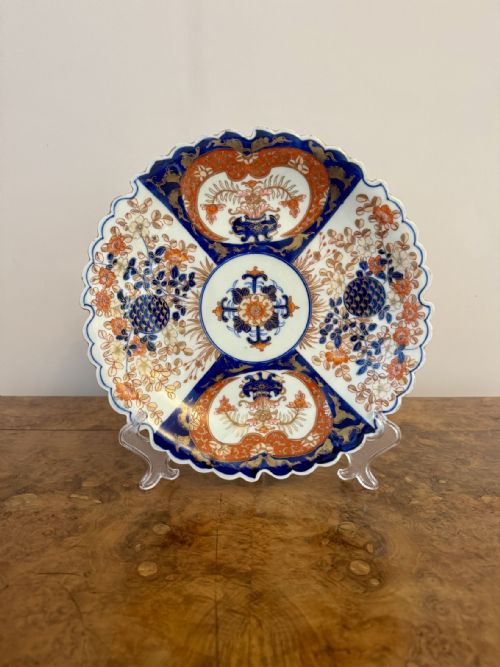
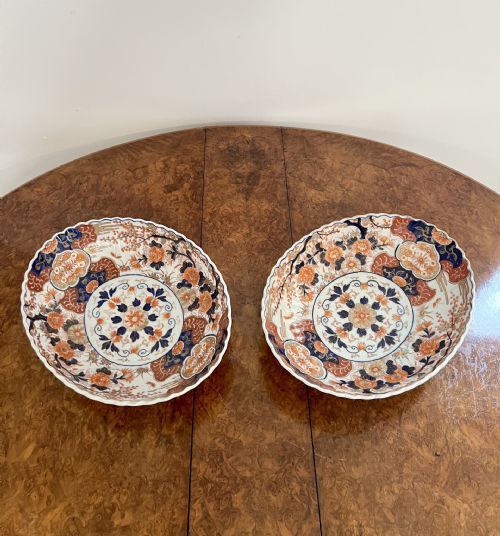
An orange blue imari dish brings vibrant cobalt and iron red ceramic artistry to a table, combining export porcelain traditions from across centuries.
Orange Blue Imari Dish
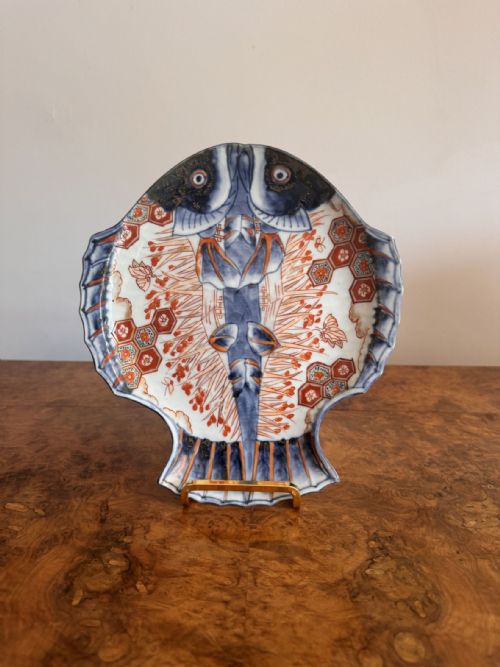
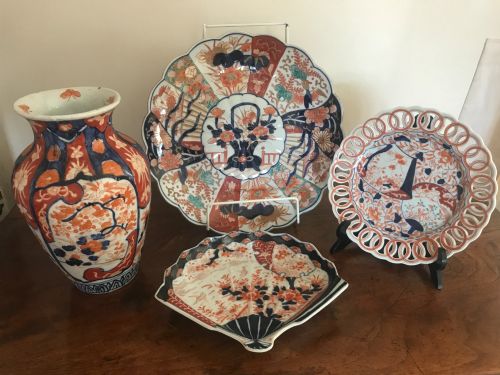
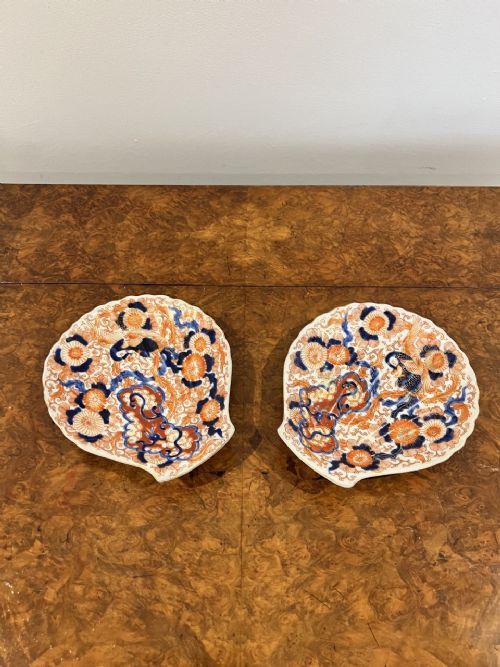
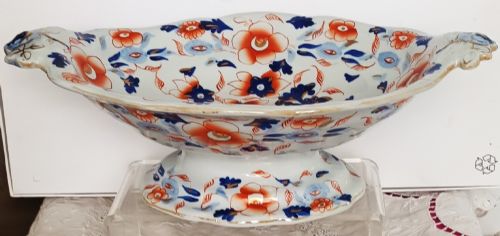
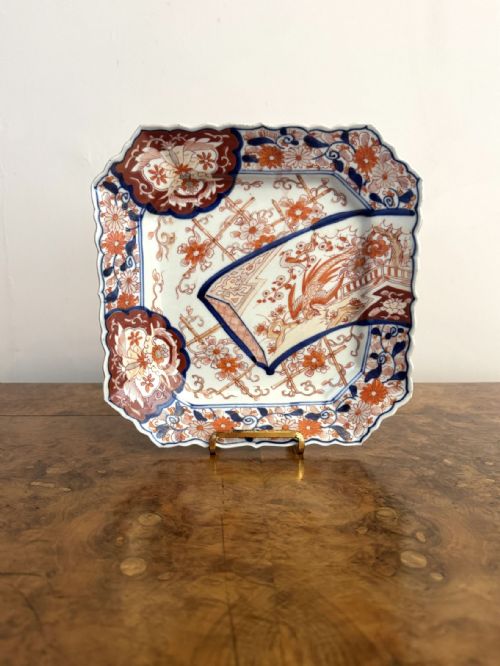
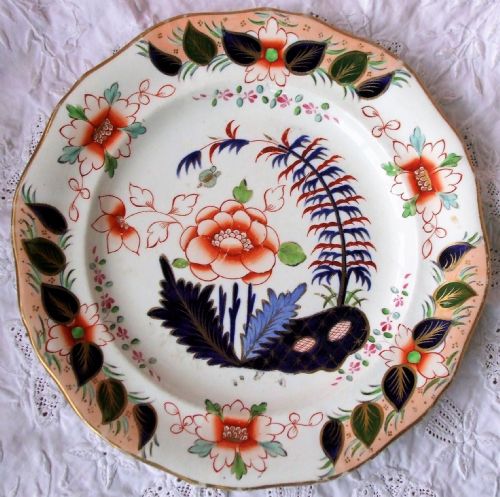
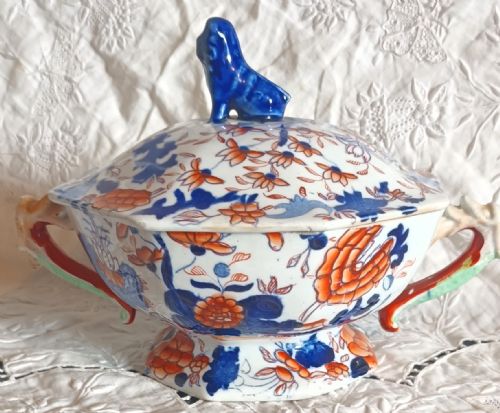
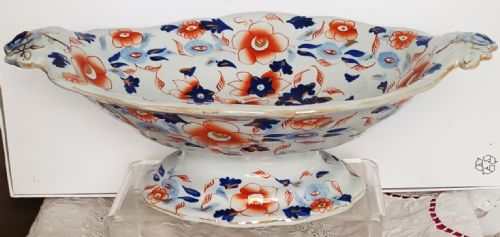
An orange blue imari dish sits among decorative plates, chargers, bowls, and tureens spanning the eighteenth, nineteenth, and early twentieth centuries. These pieces originate primarily from Japanese traditions, including the Edo and Meiji periods, alongside Chinese export works and English Georgian ironstone interpretations. Buyers encounter standard circular plates alongside fish, shell, square, fan, ribbon, and boat shapes designed for display.
The most common examples on this page date around nineteen hundred, reflecting robust production in Japanese imari alongside Victorian era entries. Domestic English factories such as John Davenport of Longport and Mason's also contributed ironstone and china variants utilising the signature palette. Collectors find individual items as well as matched pairs, sets of six, and small multi piece groupings.
How they were made
Potters formed these items using ceramic paste, porcelain, and heavy ironstone bodies shaped into specific geometric or organic forms like shells and fish. Artisans then applied underglaze cobalt blue and hand painted iron red enamel pigments directly onto the biscuit fired clay. Many examples integrate gold leaf, gilt highlights, and rich gilding over the glaze to catch the light.
Kiln firing fused the enamel and glaze layers to the ceramic body, producing a durable finish designed for both decorative display and functional service. The resulting surface unites deep blue tones with warm orange and red hues, often enriched with detailed hand painted motifs.
Listings span from seventeen hundred through the Victorian era and nineteen hundred, featuring Japanese imari, Chinese export, and English ironstone.
What varies in quality
Quality rests in the precision of the hand painting and the crispness of the cobalt blue and iron red enamels against the porcelain or ironstone ground. Superior pieces display deliberate brushwork and confident placement of gilt and gold leaf details without blurring or smudging.
Form complexity also distinguishes individual items, separating standard circular plates from heavily moulded fish, fan, or boat shaped dishes. The consistency of the glaze and the preservation of the enamel colours across centuries mark the distinction between ordinary production and finer examples.
John Davenport of Longport·Mason's·Royal Crown Derby
The Orange Blue Imari Dish Glossary
- Imari palette
- A traditional decorative colour scheme dominated by cobalt blue, iron red, and complementary gold highlights. This palette originated in Japanese kilns before influencing European ceramic production.
- Ironstone
- A heavy, durable type of earthenware developed in England during the nineteenth century. It provided a robust alternative to true porcelain for domestic tableware and comports.
- Charger
- A large decorative plate utilised primarily for display on walls or sideboards rather than for serving food at the dining table.
- Edo period
- A significant era in Japanese history spanning from seventeen hundred onwards, noted for distinct aesthetic developments in export ceramics.
- Comport
- A raised footed dish or bowl designed to hold fruit or act as a centrepiece on a dining table.
Orange Blue Imari Dish: Frequently Asked Questions
How do I display an imari charger?
Imari chargers are large, visually striking display plates traditionally shown on sideboards, mantels, or hung directly on walls. Their vibrant enamel patterns and gold leaf details draw the eye from a distance.
Pairing them with matching bowls or smaller plates creates a balanced arrangement within a room.
Are these dishes made of porcelain?
Many of these pieces are formed from fine Japanese or Chinese porcelain, while others consist of sturdy English ironstone china. Each material offers a different weight and surface texture beneath the glaze.
Both porcelain and ironstone bodies successfully support the traditional hand painted cobalt and red pigment combinations.
How can I tell the age of a dish?
Age is indicated by stylistic markers, period production methods, and specific historical eras such as the Edo or Meiji periods and the Victorian age. Reference to English Georgian ironstone similarly points to nineteenth century manufacturing.
Examining the glaze composition and the specific characteristics of the hand painted motifs helps clarify the period of origin.