
Open Arm Accent Chairs
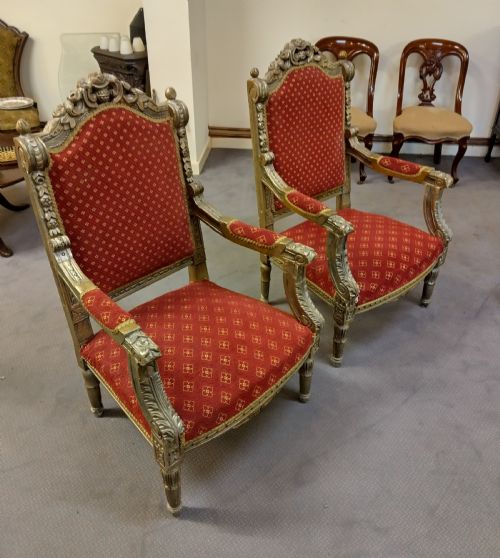
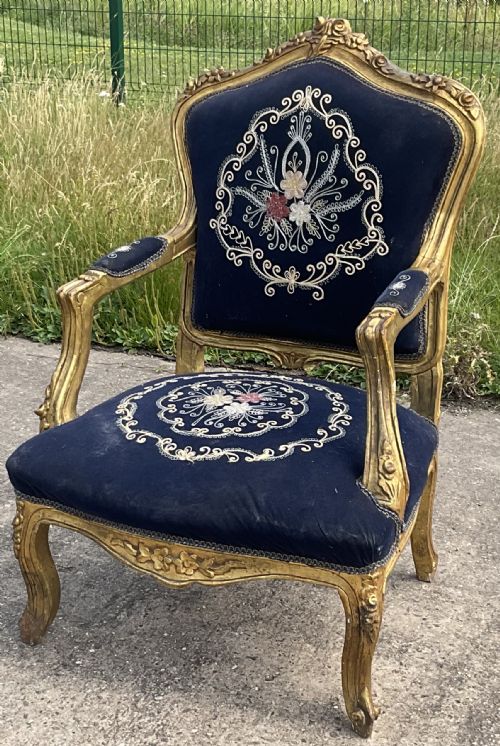
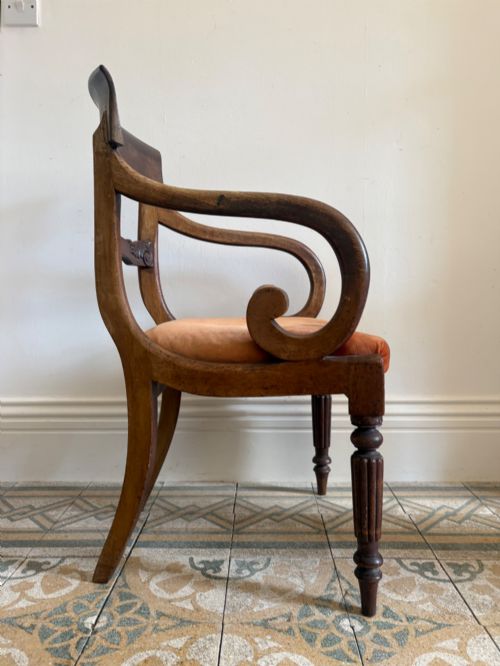
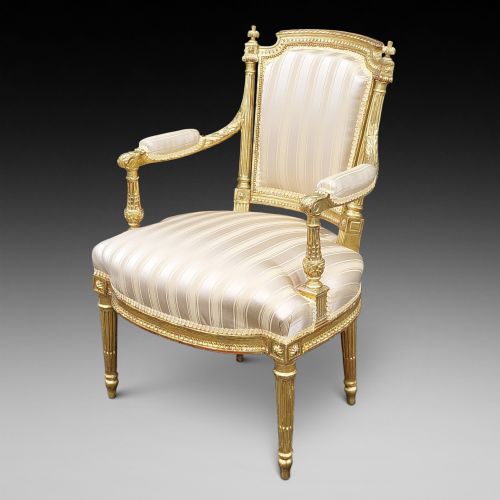
Open arm accent chairs bring period character and functional seating to a room, spanning Georgian mahogany designs to French giltwood fauteuils.
Open Arm Accent Chairs
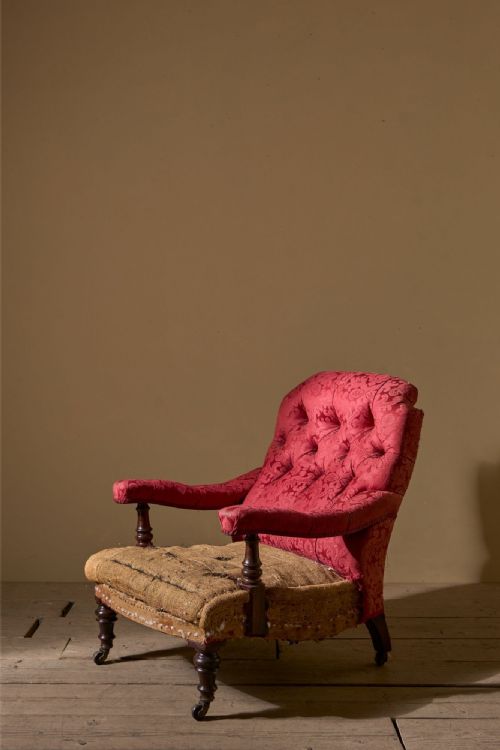
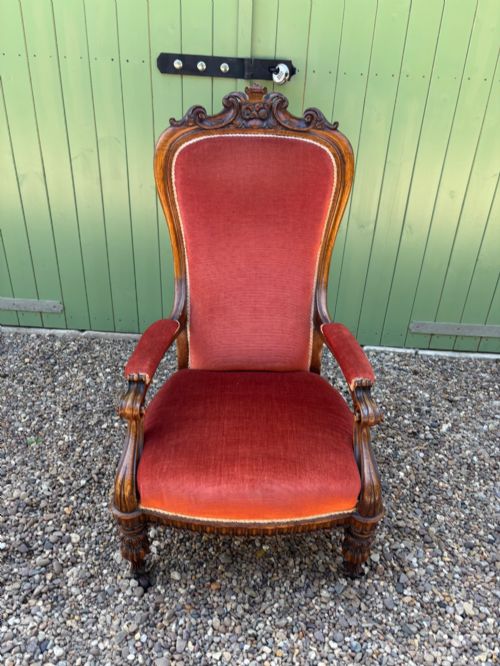
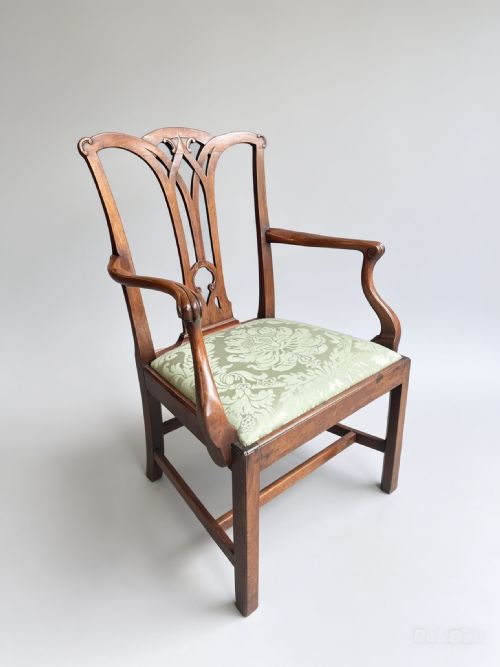
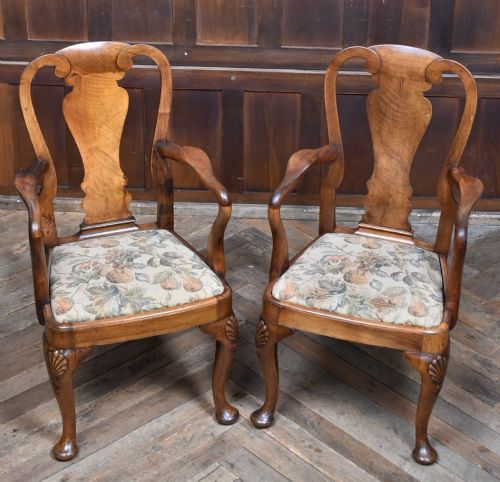
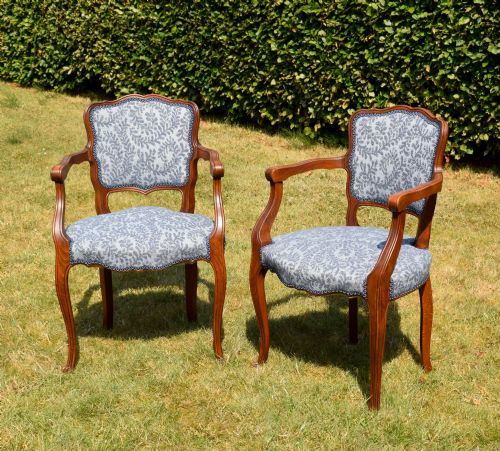
Open arm accent chairs encompass various seating forms designed with exposed wooden frames and structural armrests, frequently appearing as individual armchairs or matched pairs. When searching for open arm accent chairs, buyers encounter pieces originating from the eighteenth, nineteenth, and early twentieth centuries, reflecting shifting aesthetic priorities across decades.
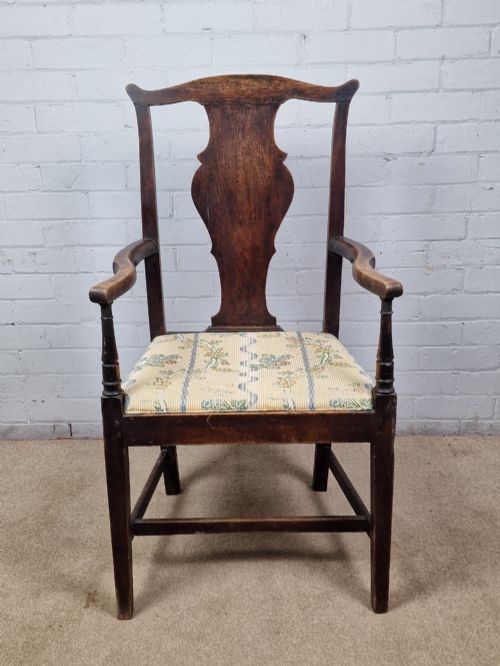
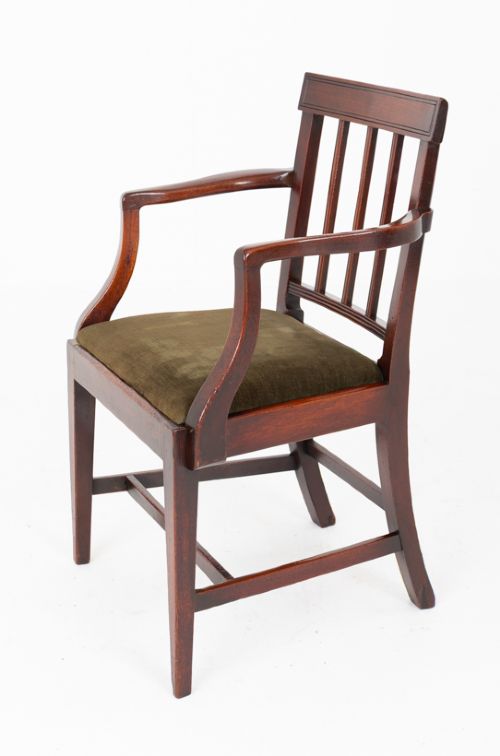
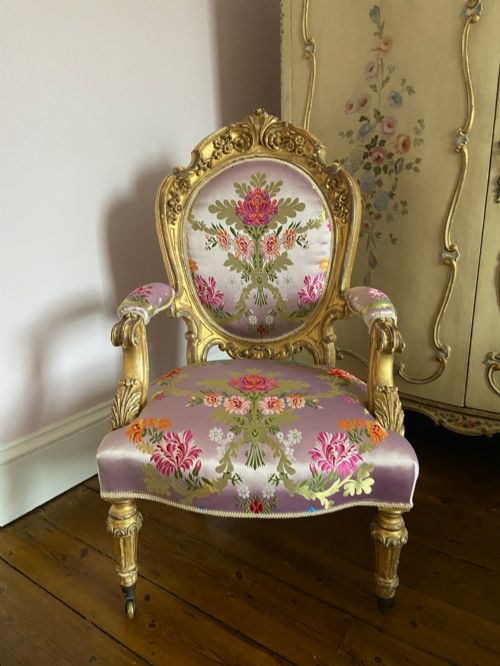
The selection ranges from robust English country house oak armchairs and mahogany Georgian Gainsborough chairs to ornate French giltwood fauteuils and Edwardian inlaid salon seating. Form follows function in these seating types, which balance decorative presence in a reception room with practical comfort.
Most examples hail from English and French workshops, utilising regional hardwoods and distinct stylistic vocabulary from the Regency, Victorian, and Neoclassical periods. Buyers select these chairs to anchor a corner, flank a fireplace, or provide additional seating within period and eclectic interiors alike.
Determining quality in craftsmanship
Quality in these chairs rests upon the crispness of the hand-carving and the structural integrity of the timber frame. Superior examples demonstrate tight joinery at the stress points where the arms meet the back and seat rails, avoiding looseness or excessive reinforcement.
The choice of primary timber and the sophistication of the secondary framing timbers dictate the grade of the piece. Finer items exhibit balanced proportions, refined carving execution, and original or sympathetic upholstery materials that complement the era of the frame.
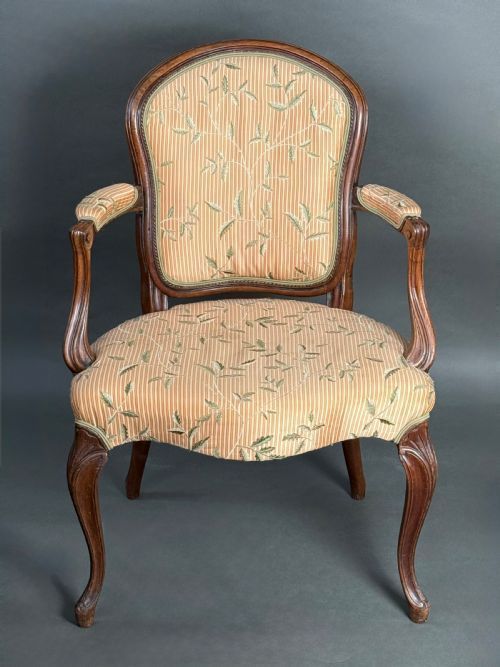
The inventory includes French fauteuils, English Gainsborough chairs, and painted Swedish neoclassical seating forms.
Thomas Chippendale·Colefax and Fowler
The Open Arm Accent Chairs Glossary
- Fauteuil
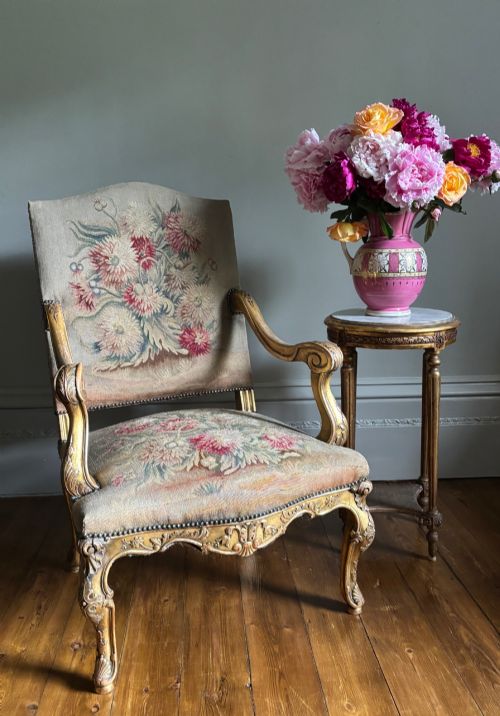
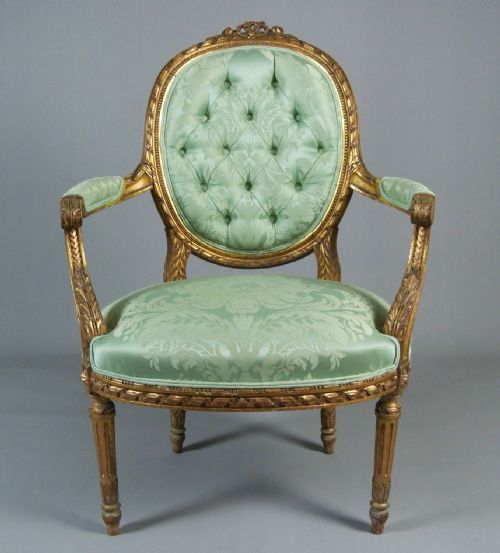
- An open-arm armchair originating in France, typically featuring an exposed wooden frame, upholstered seat, and padded armrests. These chairs embody the formal decorative styles of the seventeenth and eighteenth centuries.
- Gainsborough chair
- A type of upholstered armchair with a wide seat, padded back, and open wooden arms, designed in England during the mid-eighteenth century. They often served as writing or desk chairs in wealthy households.
- Giltwood
- Wood that has been coated with a thin layer of gold leaf or gold paint for decorative effect. This finish appears frequently on French and Continental salon seating.
- Wainscot
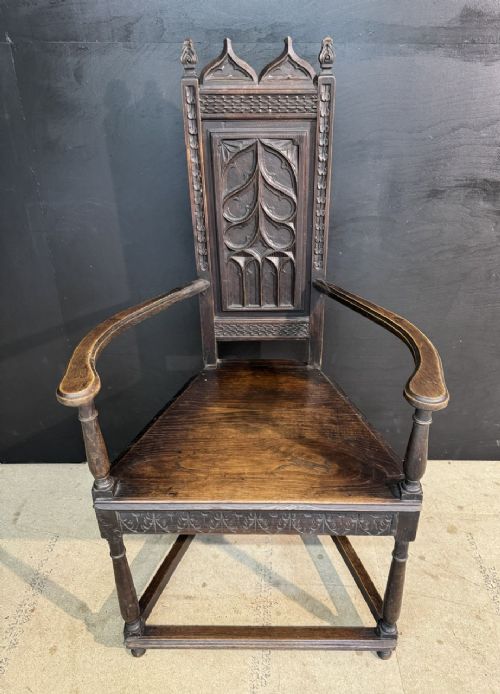
- An early form of wooden armchair constructed predominantly from solid oak with paneled backs and sturdy turned supports. These heavy pieces date to earlier centuries before lighter upholstered forms gained popularity.
Open Arm Accent Chairs: Frequently Asked Questions
Were these chairs used at desks or in salons?
Open arm accent chairs served versatile functions depending on their specific form and provenance. Sturdier mahogany and yew wood designs often functioned as desk or library seating, while giltwood fauteuils graced formal drawing rooms.
Lighter salon and elbow chairs provided flexible seating arrangements for guests during gatherings. Their open arm construction allowed individuals wearing voluminous period attire to sit comfortably without restriction.
What is the difference between an armchair and an elbow chair?
An elbow chair generally refers to a lighter seating form with short armrests designed primarily to support the elbows rather than full lounging. These pieces frequently served as dining or desk chairs within grand households.
Standard armchairs typically offer deeper proportions and fully padded armrests intended for sustained relaxation. Both types share the open frame construction characteristic of accent seating from the eighteenth and nineteenth centuries.
How should I care for antique upholstered frames?
Preserving these chairs involves protecting the exposed wooden frame from direct sunlight and extreme humidity fluctuations that cause timber to dry out. Regular dusting with a soft cloth maintains the finish without harming delicate carved details.
Upholstery requires gentle vacuuming with a brush attachment to remove surface debris without stressing the textile fibres. Professional conservation ensures that fragile silk, needlepoint, or leather coverings remain stable over time.