
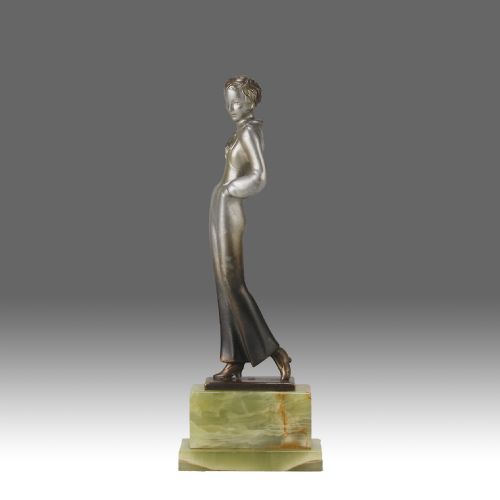

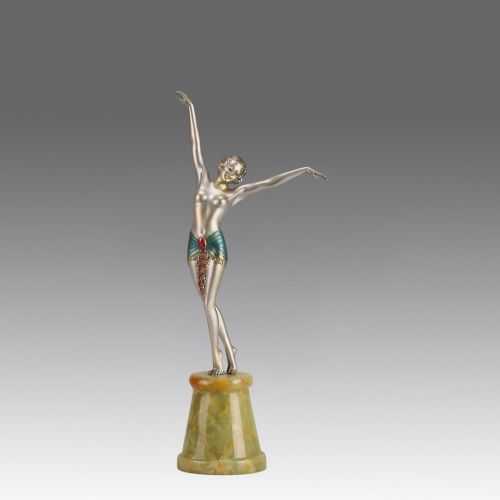
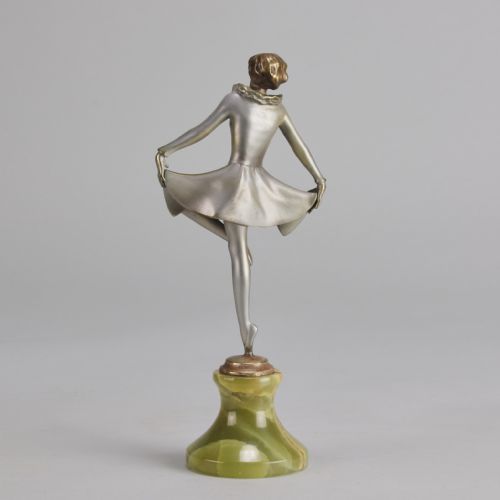
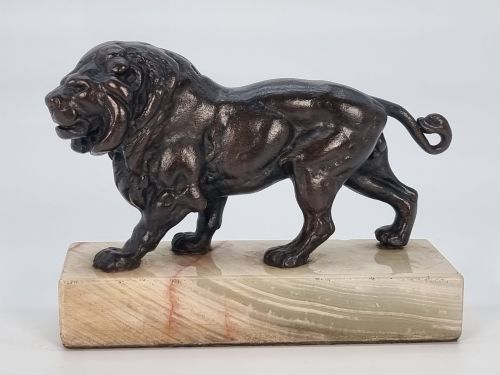




Onyx Base Statue
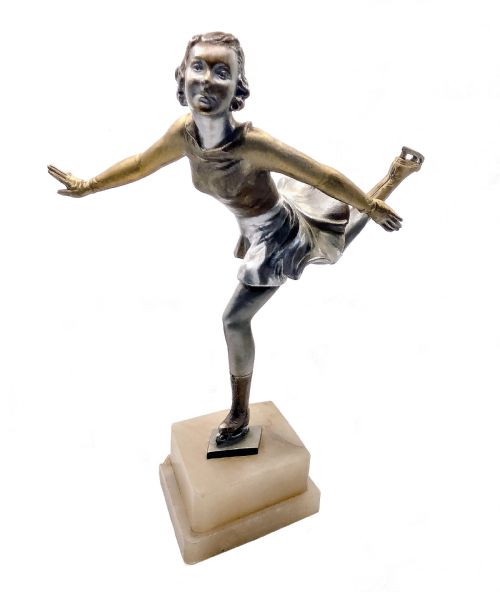
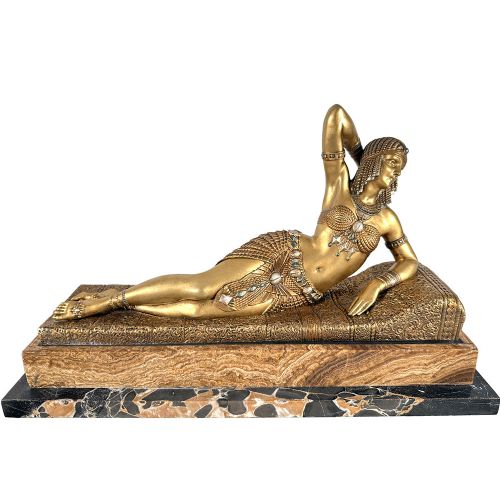
These sculptural works mounted on stone foundations combine figurative casting with mineral plinths to create the classic onyx base statue format.
Onyx Base Statue
When you search for an onyx base statue, you are examining figurative sculptures predominantly produced during the early twentieth century. The selection leans heavily towards Art Deco dancers, female figures, and animal studies set upon polished stone foundations. These pieces reflect the tastes of the 1920s and 1930s, featuring dynamic postures and slender human proportions.
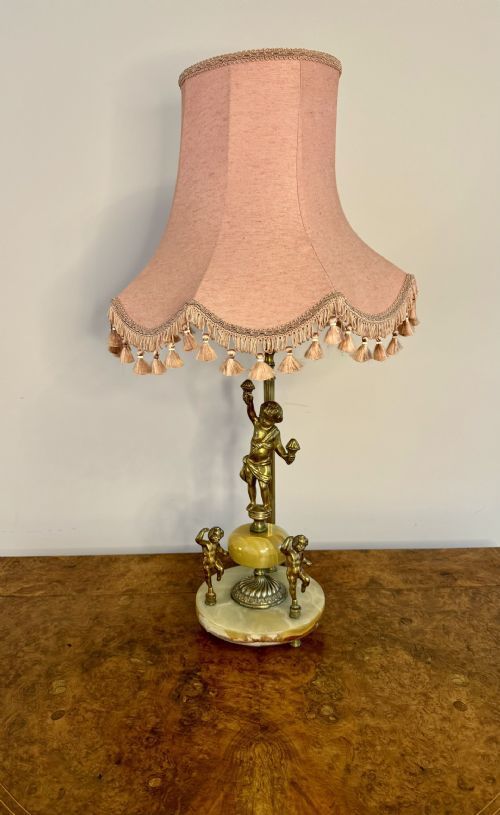
You will encounter pieces ranging from delicate dancers to animalier studies of lions and stags. The most prevalent versions combine metallic figures with heavy mineral plinths to provide stability and visual contrast. Alongside traditional sculptures, you may find functional objects such as table lamps and figural table lighters utilising the same materials.
Materials and casting methods
The foundational plinths are fashioned from natural stone, predominantly onyx and marble, cut and polished to support the weight of the metal sculpture above. Gilded brass and other metals occasionally frame the stone mounts or form structural components of lighting fixtures. The figures are typically secured to their bases using threaded bolts or pins inserted through the stone.
Materials utilised across the collection include bronze, spelter, cold paint, silvered bronze, gilded bronze, ivory, onyx, and marble.
Assessing craftsmanship and finish
The selection and preparation of the mineral plinth also dictates overall quality. High-grade pieces feature dense, evenly coloured onyx or marble with harmonious natural veining and precise corner bevelling. Poorer examples utilise stone with structural fissures or dull finishes that lack the translucency and depth found in superior mineral bases.
Josef Lorenzl·Demetre Chiparus·Paul Philippe·Pierre Le Faguays·Claire Colinet·Bruno Zach·Geo Maxim·Marion Willis Stanfield·P. Sega
The Onyx Base Statue Glossary
- Spelter
- A zinc-based alloy commonly used as a cost-effective alternative to bronze for figurative sculptures during the early twentieth century. It accepts patination and paint readily but is softer and more brittle than bronze.
- Cold-painted
- A technique where pigment is applied to a metal sculpture after casting without subsequent high-temperature firing. This finish is delicate and susceptible to flaking if handled improperly.
- Chryselephantine
- A term describing a statuette made from a combination of metal and carved ivory. The method highlights the contrast between the metallic drapery and the creamy tone of the ivory flesh.
- Animalier
- A nineteenth and early twentieth-century artistic genre dedicated to the realistic representation of animals. These works capture creatures in naturalistic poses, such as prowling or resting.
- Garniture set
- A decorative matching set usually comprising a central clock flanked by coordinating ornaments. These sets were frequently manufactured in France during the Victorian and Edwardian eras.
Onyx Base Statue: Frequently Asked Questions
What is an onyx base statue?
An onyx base statue is a figurative sculpture, often from the Art Deco period, anchored to a polished stone plinth. These pieces frequently depict dancers, human figures, or animals cast in bronze or spelter.
The heavy stone foundation serves both an aesthetic and a practical purpose, providing visual weight and stability to slender figures. They represent a distinct design movement from the early twentieth century.
How do I clean the stone base?
Onyx and marble bases require gentle maintenance using a soft, dry cloth to remove dust and surface debris. Avoid harsh chemical cleaners or excessive moisture, which can penetrate the porous stone and damage the finish.
Take care around the junction where the metal figure meets the stone to prevent moisture accumulation. Regular light dusting is sufficient to maintain the polished appearance of the mineral plinth.
Are these pieces original Art Deco?
The majority of these sculptures originate from the 1920s and 1930s, aligning with the height of the Art Deco movement. Stylistic indicators include streamlined forms, dynamic postures, and the use of cold-painted metal.
Examining the casting quality, patination, and the construction of the stone base helps determine the period of manufacture. Signatures or foundry marks stamped onto the bronze or spelter provide further verification.