




Olive Green Vase
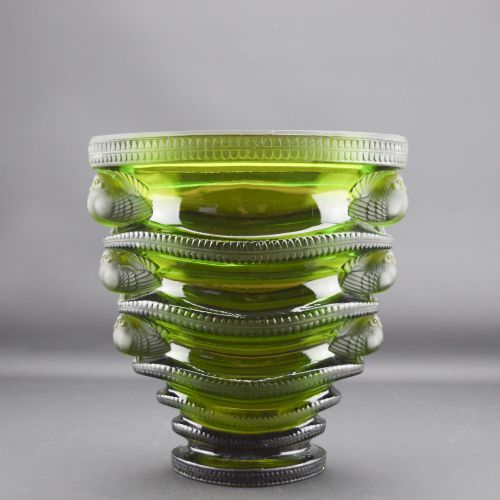
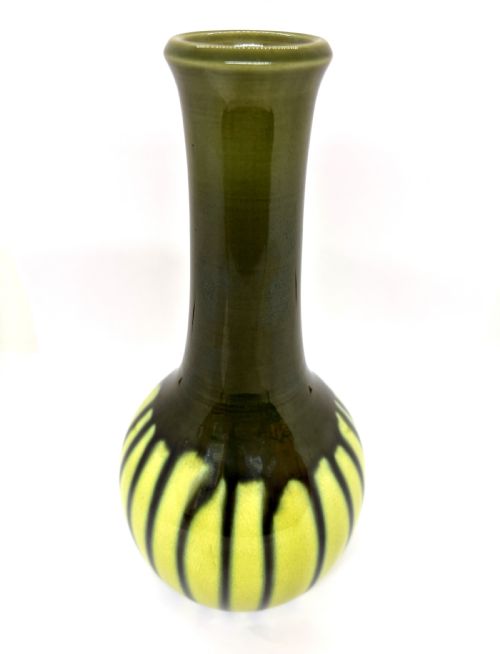
An olive green vase brings a deep, earthy tone to a room, ranging from translucent blown glass to heavy glazed earthenware.
Olive Green Vase
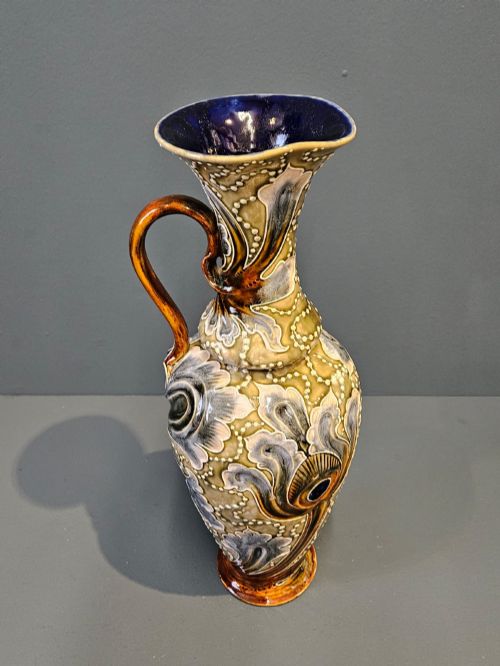
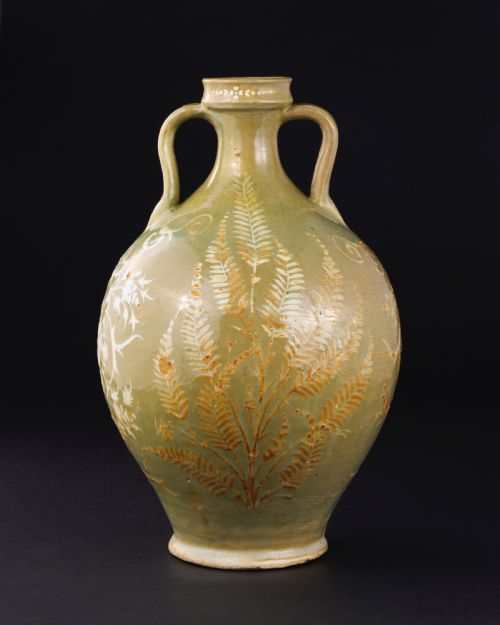
When you search for an olive green vase, you encounter a diverse group of vessels spanning multiple centuries and aesthetic movements. These pieces range from nineteenth-century Victorian ewers and earthenware storage jars to early twentieth-century art glass.
The selection on this page frequently includes examples from distinct design periods such as Art Nouveau, Art Deco, and Arts and Crafts. You will find both moulded glass and hand-blown items alongside heavy ceramic pottery.
Origin points vary widely, covering European workshops, French country pieces, and Persian or Chinese examples. This variety means that the olive green vase can serve as a simple rustic container or a refined cabinet piece.
Materials and construction
Makers utilised ceramic, earthenware, and stoneware to create heavy pottery forms, often finishing them with dense glazes to achieve the characteristic colour. Terracotta and confit jars rely on traditional throwing and hand-shaping methods.
Glass pieces demonstrate optical blowing, hand-blowing, and mould-blowing techniques. Workshops achieved the distinct green shade through mineral oxides added to the molten metal or liquid glaze mixture.
Early glass blowers occasionally trapped stubborn air bubbles inside tadpole glass, giving heavy green vases a surprisingly buoyant personality.
Assessing quality and execution
Quality rests upon the control of the glaze and the precision of the form. In ceramics, an even distribution of the green glaze without unwanted pooling or dryness marks superior production.
For glass vessels, the clarity of the metal, the absence of excessive bubbles, and the finesse of the pontil mark distinguish workshop pieces from mass production. The weight and balance of the vessel also indicate the maker's skill.
Rene Lalique·Burmantoft's Pottery·Doulton Lambeth·Loetz·James Powell·Turn Vienna·Moorcroft
The Olive Green Vase Glossary
- Earthenware
- Porous pottery fired at lower temperatures, requiring a glaze to hold water. It forms the body of many nineteenth-century country pieces.
- Jugendstil
- The continental German-language variant of Art Nouveau. It prioritises organic, flowing lines visible in glass and ceramic vessels from the early twentieth century.
- Optically blown glass
- Glass blown into a ribbed or patterned mould to create texture within the vessel wall. This technique manipulates how light passes through the green tint.
- Celadon
- A pale green jade-like glaze originating in East Asia. It appears on historic pottery vessels with dense crackle patterns.
- Demijohn
- A large, narrow-necked glass or ceramic storage vessel. They often feature thick, heavy walls produced for bulk liquid storage.
Olive Green Vase: Frequently Asked Questions
How do I clean an old glass vase?
Wash the glass gently in lukewarm water with mild soap. Avoid abrasive pads that can scratch the aged surface or cloud the green tint.
Dry the vessel thoroughly with a soft cloth to prevent water spots from forming on the historic material.
Can these vases hold water safely?
Ceramics with intact interior glazes and all glass vessels generally hold water without issue. Unglazed earthenware or porous historic bodies may seep moisture over time.
Place a small glass insert inside antique pottery if you intend to use it for fresh flowers regularly.
How do I date a ceramic vase?
Examine the base for maker marks, factory stamps, or incised signatures. The style of the glaze and the weight of the clay body also offer clues to the period.
Compare the construction methods against documented examples from specific movements like Arts and Crafts or Art Nouveau.
What is tea dust glaze?
Tea dust glaze is a crystalline ceramic finish that produces a mottled, brownish-green surface resembling powdered tea leaves. It requires precise kiln temperature control.
Potters used this finish during the Qing dynasty and later revival periods to give pottery an ancient, stone-like texture.