




Twentieth Century Vase
Twentieth century vase selection spans glass, ceramic and bronze forms from various decades and design movements.
Twentieth Century Vase
When you search for a twentieth century vase, you encounter a diverse range of artistic expressions spanning multiple decades. The pieces available include blown glass, earthenware, ceramic and bronze examples reflecting distinct periods.
Makers and artists from the nineteen hundreds through the mid twentieth century experimented with forms and finishes. You find items categorised under styles such as Art Nouveau, Jugendstil, Mid-Century and Iznik Revival.
The selection on this page brings together decorative vessels and sculptural pitchers created across Europe and Britain. Each item demonstrates the characteristic aesthetic choices of its specific decade.
How they were made
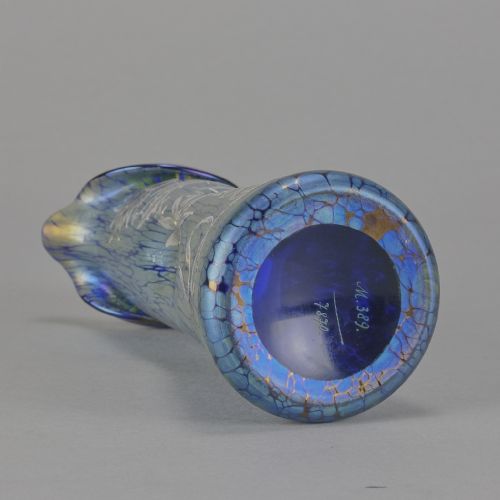
Makers utilised specialised techniques depending on the chosen material, ranging from hand-blown glass production to pottery throwing. Glass items often feature iridescent treatments, cameo carving or silvered finishes applied during the manufacturing process.
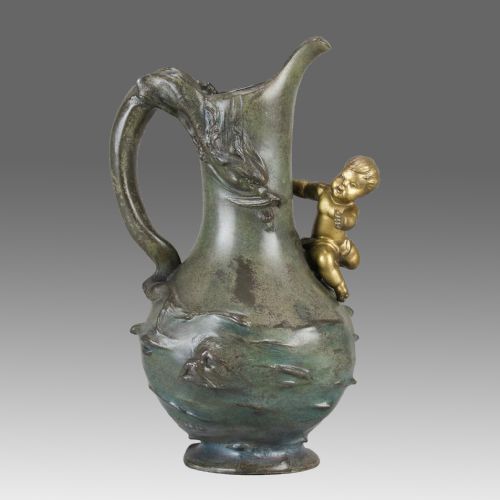
Ceramic and earthenware works employ traditional moulding and glazing methods, sometimes finished with revival-style decoration. Bronze and metal pieces involve casting techniques to achieve sculptural details like figural handles and textured surfaces.
Putto jug handles sometimes feature small winged infants climbing the sides.
What varies in quality
The standard of execution separates exceptional examples from standard production pieces within any given period. Superior works display refined control over material properties, such as the depth of iridescence in glass or the precision of cast bronze details.
Artistic attribution and documented signatures further distinguish remarkable items from anonymous factory output. The sophistication of the design and the harmony of form and finish determine the standing of each piece.
Loetz Witwe·Moser·Georges Van De Voorde·Paul Nicolas
The Twentieth Century Vase Glossary
- Art Nouveau
- An international style of art, architecture and applied art characterised by sinuous lines and natural motifs. It flourished between eighteen ninety and the First World War.
- Jugendstil
- The German variant of Art Nouveau, named after the Munich-based magazine Die Jugend. It embraced organic forms and graphic clarity.
- Cameo Glass
- A luxury glass art technique produced by etching or carving through fused layers of different colours. This method creates contrasting designs in relief.
- Vaseline Glass
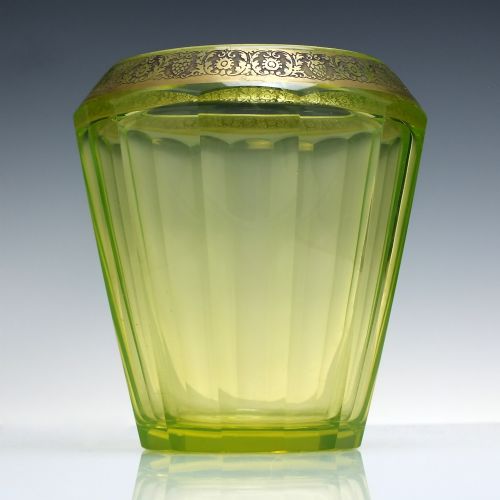
- Glass made by adding uranium dioxide to the glass batch for coloration. It typically exhibits a yellowish-green hue and glows under ultraviolet light.
Twentieth Century Vase: Frequently Asked Questions
What defines a twentieth century vase?
These vessels encompass diverse aesthetic movements produced between nineteen hundred and the nineteen sixties. They reflect the shifting design philosophies of successive decades.
Makers experimented with new chemical formulations in glass, novel ceramic glazes and sculptural metalwork. The resulting objects range from organic Art Nouveau forms to clean mid-century lines.
How do I identify glass periods?
Glass pieces reveal their origins through specific manufacturing traits like iridescence, cameo carving or uranium content. Examining the weight and surface texture provides clues to the production era.
Signatures or etched marks on the base often attribute the work to specific glasshouses or individual artisans. Comparing known factory catalogues helps confirm the timeline.
Where were these pieces made?
Production locations span various European countries, including Austria, Belgium, France and Britain. Regional workshops and major factories each contributed distinct technical traditions.
Artisans in different countries interpreted overarching styles like Art Nouveau through local manufacturing strengths. This creates regional variations within the same broad design movement.
How should I display them?
Placement depends on the material properties, as translucent glass benefits from natural light placement. Ceramic and bronze forms require stable surfaces that complement their substantial weight.
Allowing sufficient space around each vessel highlights its unique silhouette and surface finish. Avoid overcrowding to let individual artistic details remain visible.