

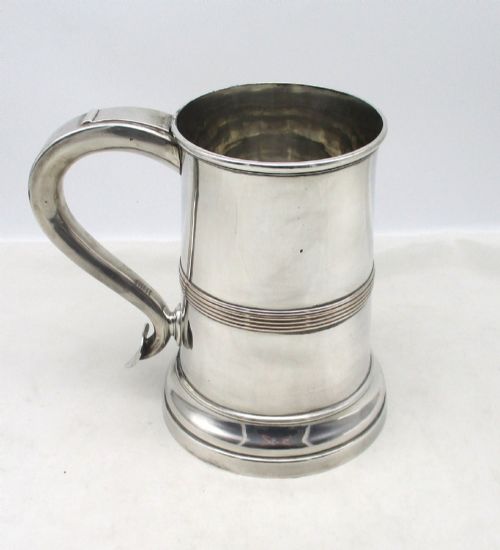


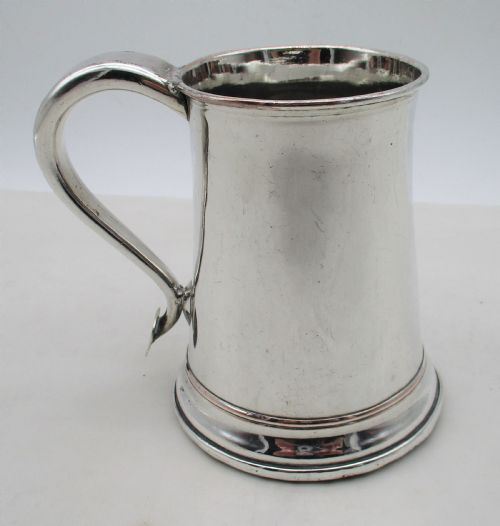


Old Sheffield Plate Pint Tankard
An old sheffield plate pint tankard brings substantial Georgian drinking vessels into your home, fusing copper and silver with remarkable craft.
Old Sheffield Plate Pint Tankard
When you search for an old sheffield plate pint tankard, you are looking at substantial drinking vessels produced primarily during the Georgian period and around 1800. These pieces typically take the form of lidded or open tankards designed for barware and domestic use, holding a pint or occasionally a quart, half pint, or child's size.
On this page, the pieces you are most likely to meet originate from the 18th century and the early 19th century. They reflect the classic styles of Georgian barware, often appearing as sturdy lidded tankards fashioned from fused metals rather than solid silver.
Materials and Techniques
These vessels are created through the fused plate technique, where a thin sheet of silver is fused to a thicker body of copper. This ingenious method allows the objects to display the rich appearance of solid silver while maintaining the structural strength of copper underneath.
Makers occasionally applied interior gilding to the tankards to protect the metal from the acidic contents of beverages like ale. The combination of silver plate over copper defines the material character seen across the 18th-century and 19th-century examples.
Old Sheffield Plate Pint Tankard Retail Price Guide 2026
Typical asking prices for old sheffield plate pint tankard among the pieces listed under this phrase on Sellingantiques today, from the lower quarter to the upper quarter. They describe what is for sale here now, not the wider market.
Listings feature items spanning the 18th century, the Georgian era, and the 19th century, constructed from copper, silver plate, and old sheffield plate.
The Spectrum of Quality
The distinction between standard examples and finer pieces rests upon the crispness of the applied mounts and the preservation of the fused silver layer over the copper core. Superior tankards retain their original weight and proportion without excessive wear revealing the base metal beneath.
Another measure of distinction involves secondary decorative elements, such as engraved crests, coats of arms, or fine handle construction. Pieces bearing clear maker attribution, like those by Richard Morton, occupy a different tier of interest compared to unmarked domestic barware.
Richard Morton
The Old Sheffield Plate Pint Tankard Glossary
- Old Sheffield Plate
- A composite material made by fusing a sheet of silver to a copper ingot, developed in the 18th century before electroplating replaced the technique. It allows for durable vessels with a genuine silver exterior.
- Gilding
- A thin layer of gold applied to the interior surface of the tankard. This process prevents interaction between the beverage and the underlying metals.
- Quart
- A liquid capacity measure larger than a pint, frequently encountered among the larger surviving tankards in this material. Quart vessels provide a heavier, more imposing form for the table.
- Barware
- Utilitarian drinking vessels and serving equipment used for dispensing and consuming alcoholic drinks. These objects served both domestic households and public drinking establishments.
- Crest
- An engraved heraldic device or family symbol applied to the body of the tankard. Such personalisations often indicate the original ownership by a baronet or prominent family.
Old Sheffield Plate Pint Tankard: Frequently Asked Questions
How can I tell an 18th-century tankard from a later one?
Eighteenth-century examples often display subtle differences in weight, handle construction, and the method by which the base and rim are joined. The transition from handmade fused plate to later industrial production methods alters the profile of the vessel.
Examining the edges where the copper core might be slightly visible helps determine the manufacturing period. Earlier pieces frequently carry specific maker marks or distinct Georgian proportions compared to 19th-century interpretations.
What is the difference between a pint and quart tankard?
A pint tankard holds a standard pint of liquid, offering a compact and balanced form suitable for individual use. Quart tankards are substantially larger, heavier vessels designed to hold double that volume for communal drinking.
The difference in scale changes the visual presence of the object on a table or shelf. Both sizes utilise the same fused copper and silver materials but cater to different capacities.
Why do some tankards have lids?
Lidded tankards originated to keep insects and debris out of drinks, particularly when consumed in taverns or outdoor settings during the Georgian era. The hinged lid adds a mechanical element that requires careful manufacture to ensure proper alignment.
Open tankards, by contrast, function more like large mugs for quicker consumption. The presence of a lid often elevates the formal appearance and historical interest of the vessel.