



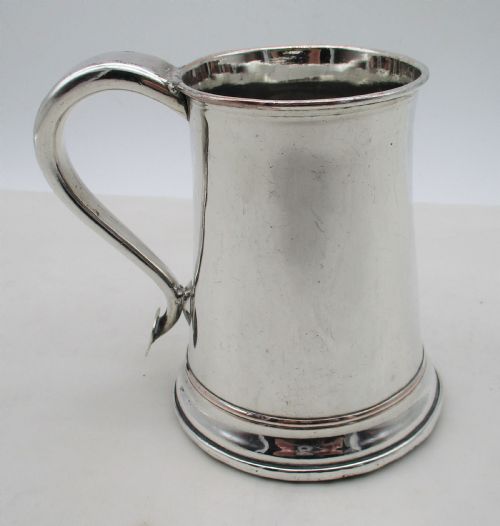

Old Sheffield Plate Mug
These substantial drinking vessels known as an old sheffield plate mug bring Georgian craftsmanship into daily use through fused layers of silver and copper.
Old Sheffield Plate Mug
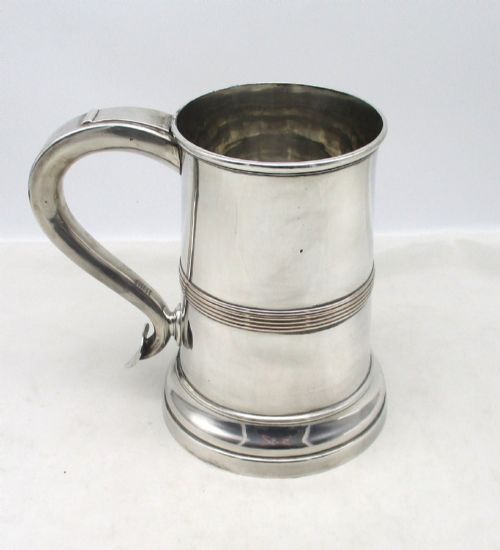
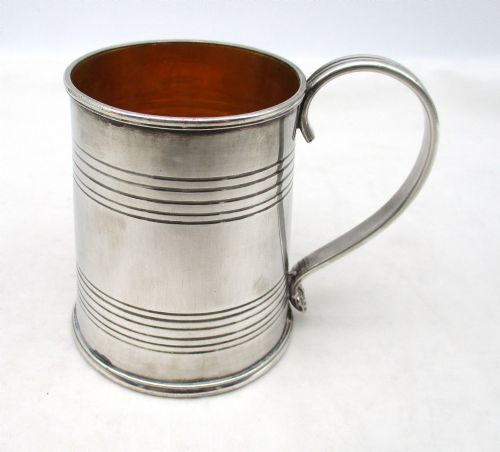
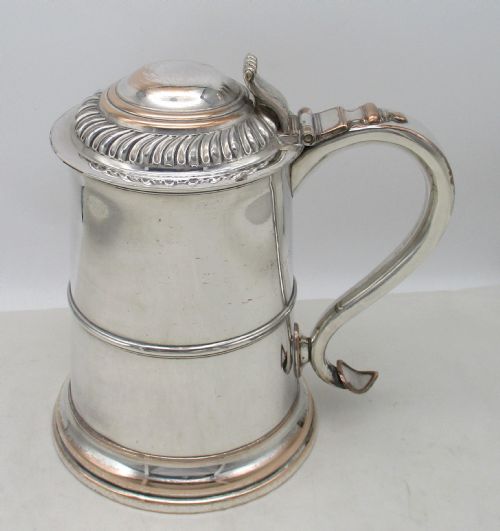
When you search for an old sheffield plate mug, you encounter drinking vessels from the eighteenth century, the nineteenth century, and the Georgian and Regency periods. The forms include small child's tankards, pint tankards, quart tankards, and lidded tankards.
You are most likely to meet substantial large tankards and smaller vessels originating from English workshops. These pieces appear as barware and tankards, sometimes offered in pairs.
The objects combine domestic utility with the distinctive metalwork of early fused plating. They range from modest pint measures to extremely large lidded examples.
Materials and Technique
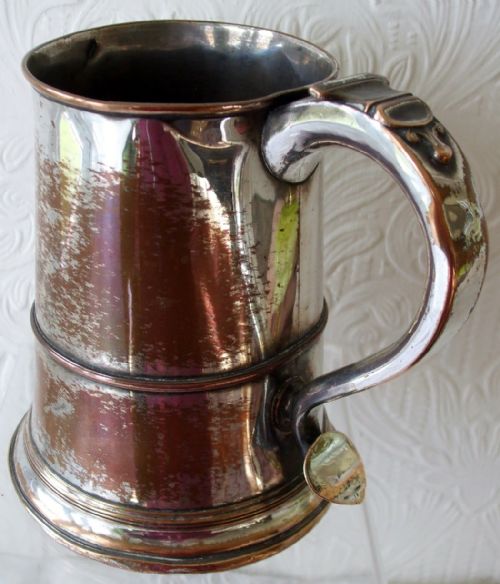
These pieces are made from copper fused with silver to create Old Sheffield Plate, occasionally enhanced with gold gilt or gilding. The technique involves sandwiching a thick copper ingot between thin sheets of silver before heating and rolling them into a single sheet.
Makers shaped this composite metal into cylindrical tankards and mugs, often soldering handles and reinforcing rims. Selected examples feature hinged lids tailored to the drinking vessel.
A tiny child's tankard sits quietly among the giant quart flagons, waiting for a very small eighteenth-century aristocrat to finish their milk.
Judging Quality
Quality rests upon the preservation of the fused silver layer over the copper base. Superior examples retain their original gilding inside and show crisp proportions in the body and handle.
The presence of a secure, well-fitted lid and clear scale separates larger quart tankards from simpler pint versions. Craftsmanship shows in the seamless integration of the silver sheet without excessive wear revealing the base metal underneath.
Richard Morton
The Old Sheffield Plate Mug Glossary
- Old Sheffield Plate
- A composite material made by fusing silver to a copper core. This technique predates modern electroplating.
- Quart Tankard
- A large drinking vessel holding a quart of liquid. These substantial pieces often feature robust handles and lidded tops.
- Gilding
- A thin application of gold applied to the interior or details of the metal. It provided a hygienic surface for drinking.
- Regency
- A stylistic period spanning the early nineteenth century. Pieces from this era reflect classical British design influences.
Old Sheffield Plate Mug: Frequently Asked Questions
How do I clean an old sheffield plate mug?
Clean these items with a soft cloth and mild silver cleaner designed for plated wares. Avoid aggressive rubbing that might wear through the thin silver layer to the copper beneath.
Store them in a dry environment to prevent tarnish and keep them away from harsh chemical dips.
Can I still use these tankards for drinking?
Many collectors prefer to use these sturdy vessels for cold drinks on special occasions. Ensure the interior is clean and free from harmful residues before use.
Hot liquids should be avoided to protect the historical solder joints and any internal gilding.
How can I tell an eighteenth century tankard apart from a nineteenth century one?
Eighteenth century pieces often display heavier gauge copper cores and simpler, robust handle attachments. Nineteenth century examples frequently shift towards Regency proportions and lighter construction.
Examining the weight and the way the silver wraps around the rim helps clarify the period.