
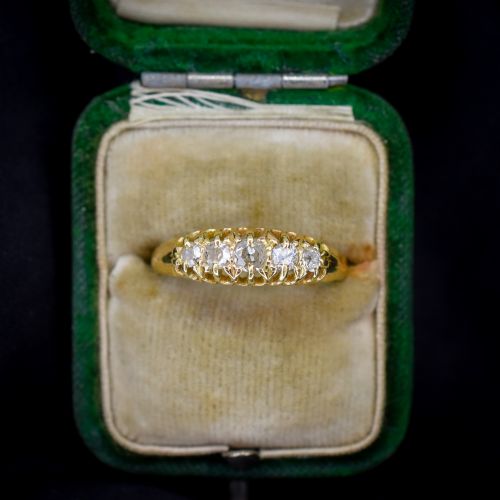
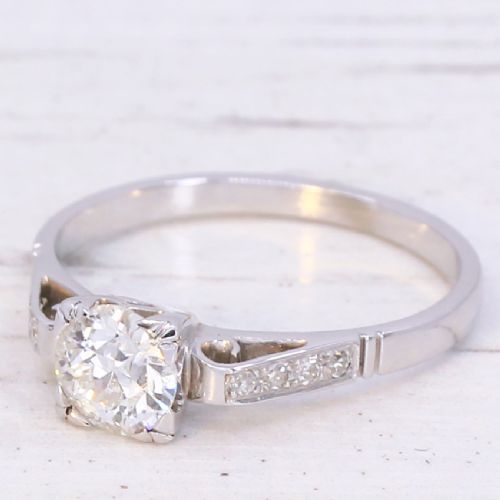
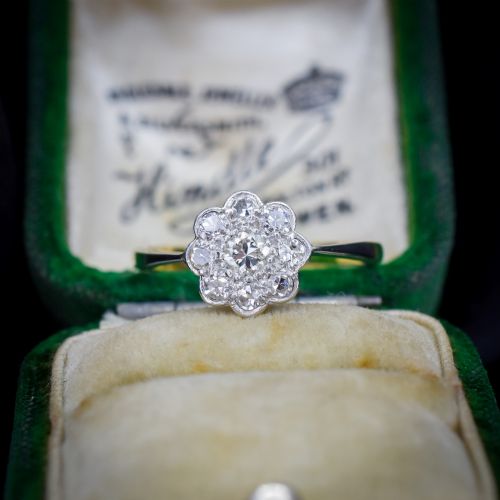
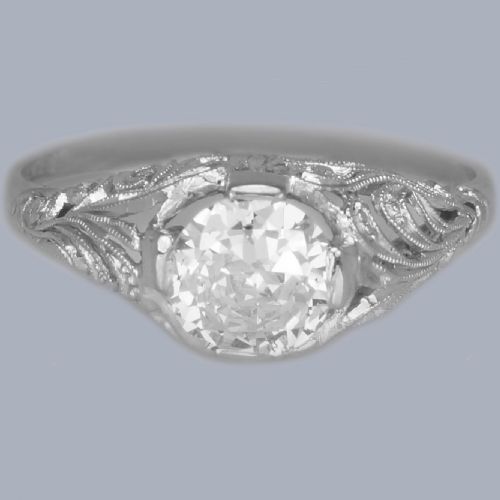

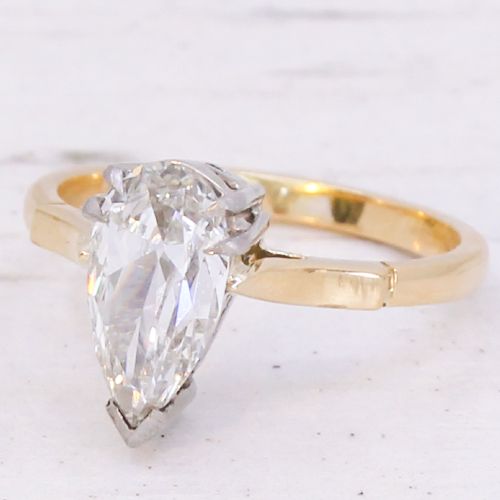
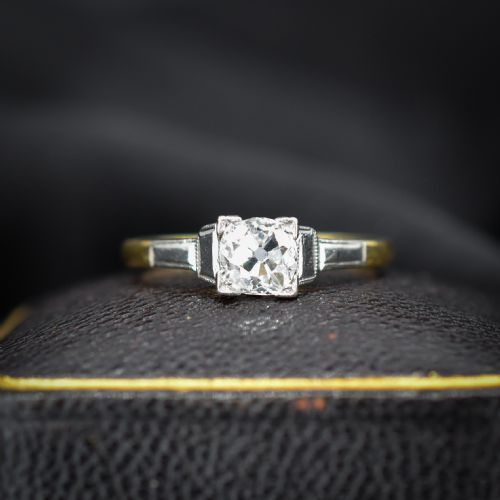
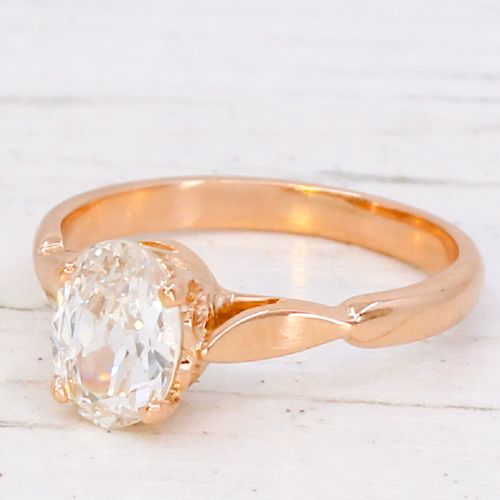
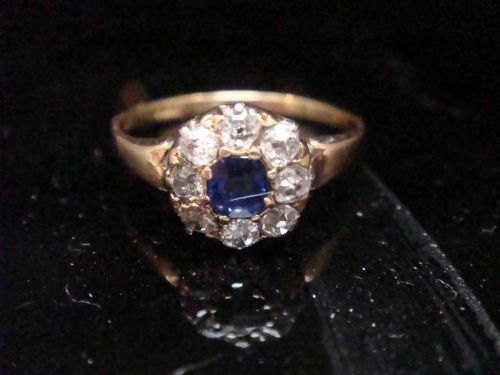
Old Cut Engagement Ring
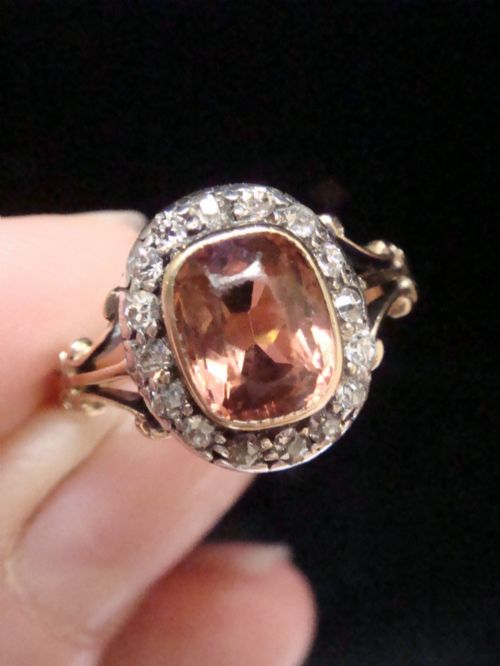
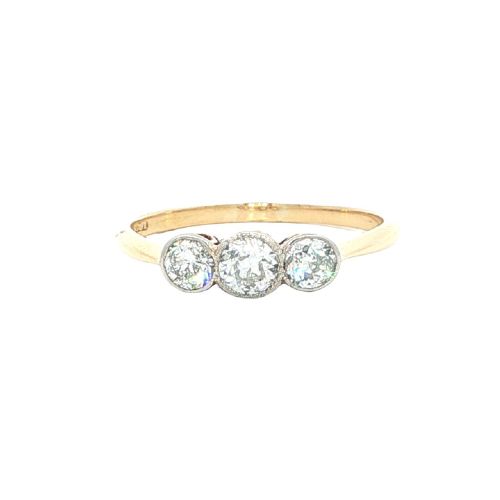
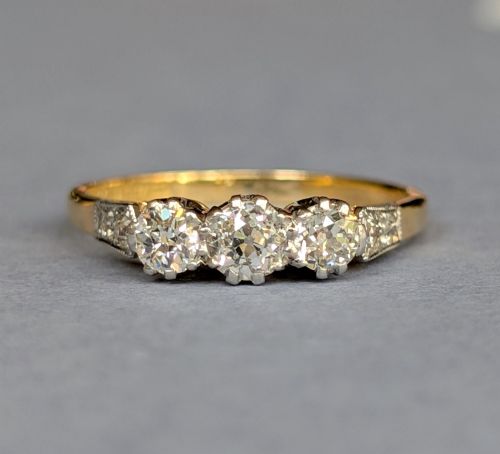
An old cut engagement ring holds hand-faceted stones that catch candlelight with a soft, warm glow.
Understanding the old cut engagement ring
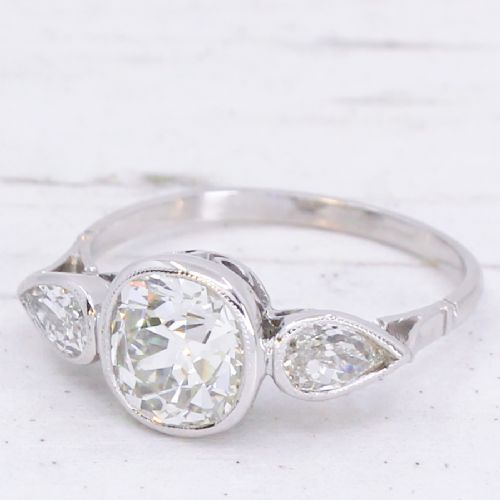
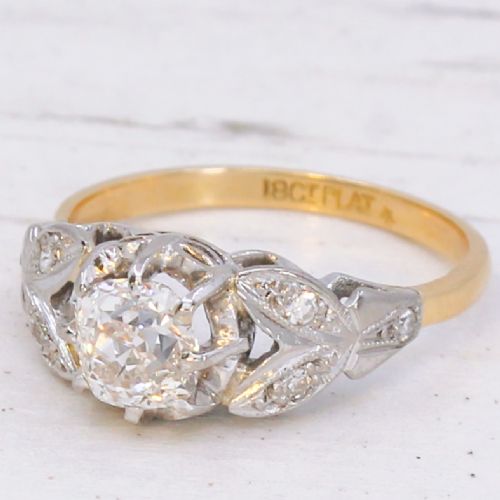
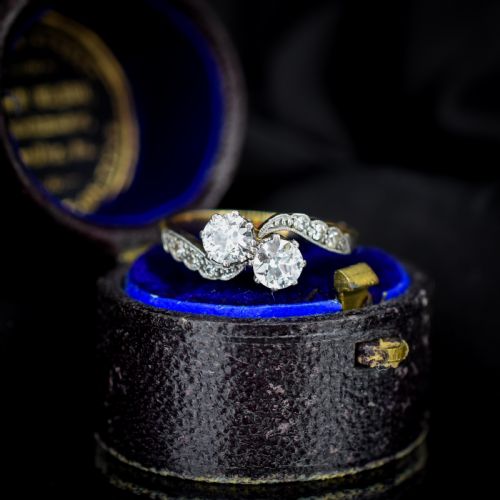
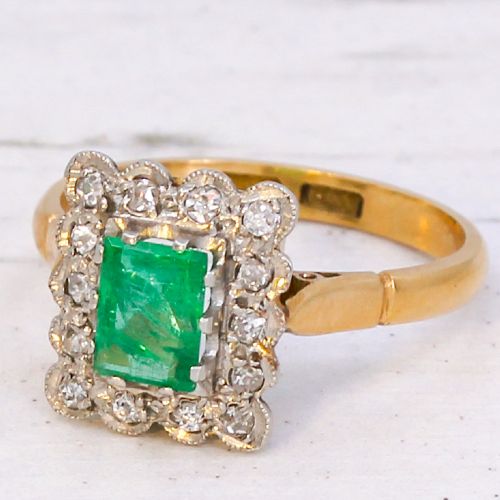
An old cut engagement ring brings together diamond centre stones and precious metals from the Edwardian and Art Deco periods, spanning the decades from nineteen ten to nineteen fifty. The forms seen most often are solitaire rings, three stone arrangements, and designs accented with emeralds.
Makers of these pieces worked within distinct stylistic movements, moving from the intricate garlands of Edwardian design to the geometric precision of Art Deco. Platinum and yellow gold provide the foundations for these rings, housing stones cut by hand before modern machinery standardised diamond geometry.
Distinctions in quality
Quality in these rings rests upon the symmetry of the hand-cut diamond and the integrity of the metalwork surrounding it. Finer examples display precise hand-carving in the platinum or gold without wear to the prongs.
The clarity of the diamond and the depth of colour in accompanying emeralds influence the standing of a piece. Original settings that retain their proportion and unaltered bands command greater respect among collectors.
Retail Price Guide 2026
Typical UK retail prices for old cut engagement ring, calculated from the Sellingantiques database of over a million retail prices indexed since 2003. This retail price guide relies exclusively on Sellingantiques data; no external sources or auction records are used, so the figures do not describe the wider market.
The documented periods span from nineteen ten through the nineteen fifties.
The Old Cut Engagement Ring Glossary
- Old European Cut
- A round diamond cut popular in the late nineteenth and early twentieth centuries, featuring a small table and a large culet. This cut yields distinct flashes of broad light rather than modern scintillation.
- Platinum
- A dense, durable white metal widely utilised in Edwardian and Art Deco jewellery for delicate filigree work. Its strength allows for secure, low-profile settings that hold diamonds firmly.
- Solitaire
- A ring mounting designed to showcase a single central gemstone without secondary side stones. This form places total visual focus on the characteristics of the main diamond.
- Culet
- The small flat facet at the bottom of a historic diamond where the pavilion facets meet. Visible through the stone, it appears as a tiny dark circle inside older cuts.
Frequently Asked Questions
How do I care for my ring?
Clean your ring gently using warm water and a soft brush to remove everyday oils from beneath the stone.
Have a jeweller check the platinum or gold settings periodically to ensure the historic prongs remain secure.
Are these rings suitable for daily wear?
Platinum and gold mountings from these eras provide sturdy foundations for everyday use when checked for wear.
Care should be taken during manual tasks to protect the hand-cut diamond and any accompanying emeralds from heavy impact.
How can I tell Edwardian from Art Deco?
Edwardian rings typically feature lace-like platinum filigree, floral motifs, and flowing garland designs from the nineteen tens.
Art Deco pieces introduce geometric lines, sharp angles, and symmetrical patterns that emerged strongly through the nineteen twenties and thirties.
What makes old cuts different from modern stones?
Historic stones were shaped by hand under candlelight or early electric light, resulting in proportions tailored to individual rough crystals.
This manual approach creates distinctive facets that produce a softer, deeper glow compared to mathematically standardised modern cuts.