




Oil Painting of Spaniel
An oil painting of spaniel captures canine character through centuries of portraiture and sporting art.
Oil Painting of Spaniel
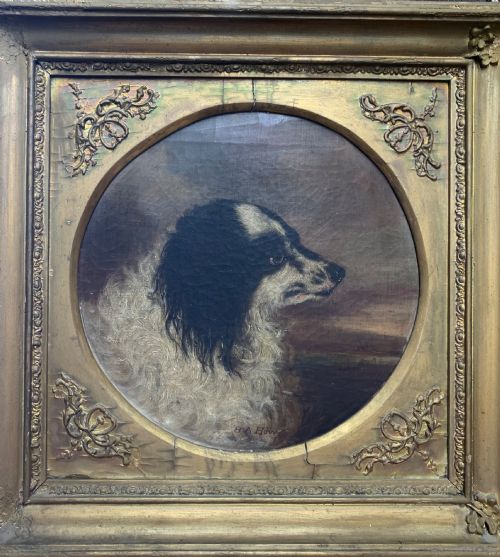
An oil painting of spaniel represents a tradition of portraying these dogs either alone or alongside figures in interiors, landscapes and sporting scenes. The evidence shows works spanning from the seventeenth century through to the mid twentieth century, encompassing both intimate animal portraits and broader narrative compositions.
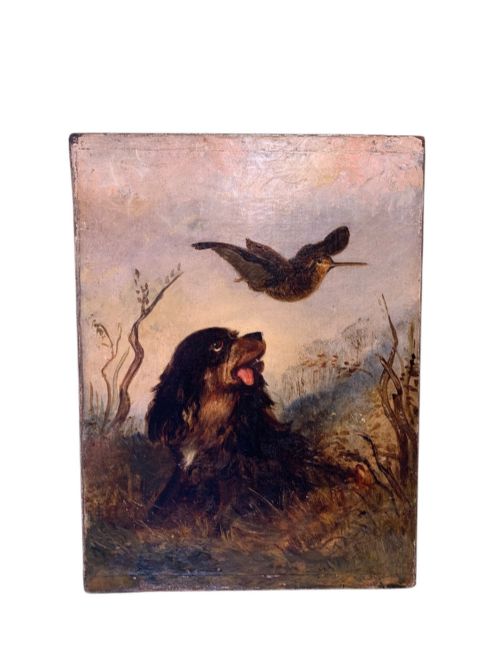
The most common examples encountered in the listings belong to the nineteenth century, reflecting a period of intense popularity for canine subjects in British art. These range from straightforward depictions of individual pets to hunting scenes set in wooded clearances or country estates.
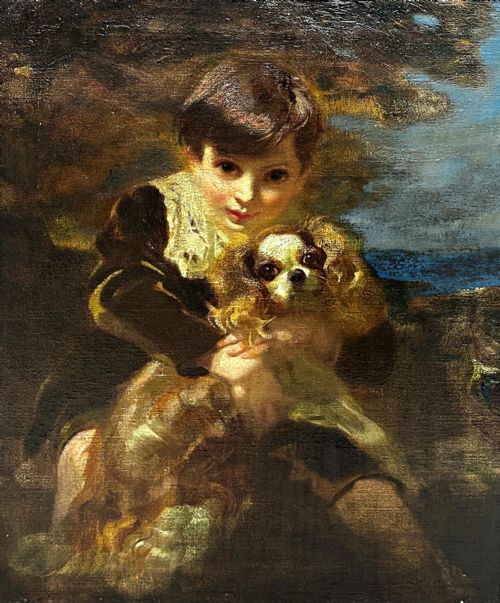
Alongside standalone dog studies, many pieces place the spaniel with human companions, such as children, elegant ladies or sportsmen. These portraits combine domestic affection with the social history of their respective periods.
What varies in quality
Quality depends heavily on the anatomical precision of the dog and the liveliness of its expression. Works by accomplished artists or recognised circles capture the specific breed characteristics and intelligence of the animal far more convincingly than standard commercial productions.
The surrounding composition also dictates standard, with superior paintings integrating the spaniel naturally into a detailed landscape, interior or portrait setting rather than placing a rigid animal against a generic backdrop. Brushwork control and the handling of light across the fur distinguish the finest examples in the archive.
One portrait unexpectedly captures a pug sharing the canvas with a cocker spaniel.
William Barraud·Charles Bilger Spalding·George Stubbs·Samuel John Carter·Frank Owen Salisbury·Dean Wolstenholme·Francis Alleyne·John Verelst·Johannes Vollevens I·Charles D Agar·Richard Ansdell·Thomas Paterson
The Oil Painting of Spaniel Glossary
- Oil on Canvas
- Pigment mixed with drying oil applied to a woven fabric support. This method allows for rich colour blending and textured brushstrokes.
- Panel
- A rigid wooden or metal support used instead of canvas. Artists frequently utilised panels for smaller or earlier works.
- Gesso
- A plaster mixture applied to wood frames or panels as a base for gilding or painting. It provides a smooth, prepared surface.
- Sporting Art
- A genre of painting depicting field sports, hunting and animals associated with them. These works often record specific dogs and game in natural terrain.
- Circle of
- A term used when a painting is closely associated with a known master's style and period without being definitively by their hand. It indicates workshop influence or a close contemporary.
Oil Painting of Spaniel: Frequently Asked Questions
What periods do these paintings come from?
The works span from the seventeenth century through the Georgian and Victorian eras into the twentieth century. Different eras reflect shifting styles in portraiture and sporting art.
Earlier pieces often pair the dog with human sitters, whilst later nineteenth century examples frequently focus entirely on the animal or its working role.
How were these spaniels portrayed historically?
Spaniels appear in various contexts, ranging from solitary portraits of beloved pets to active hunting scenes in woodlands. Some show the dogs resting in country interiors by estates.
Others capture working spaniels flushing out game or chasing rabbits alongside sportsmen and dogs of other breeds.
How do I identify different types of spaniels in old paintings?
Artists recorded physical traits such as ear set, coat length and facial structure characteristic of breeds like King Charles spaniels, cocker spaniels and clumber spaniels. Historical terminology sometimes differs from modern breed standards.
Clothing styles and background details in the portrait often help narrow down the exact decade when the dog was painted.
Where should I hang an oil painting of a spaniel?
These traditional artworks suit studies, libraries or living rooms, particularly where period furnishings or equestrian themes are present. Proper placement avoids direct sunlight to protect the oil pigments and canvas.
Displaying them at eye level allows the detail of the brushwork and the expression of the dog to be fully appreciated.