
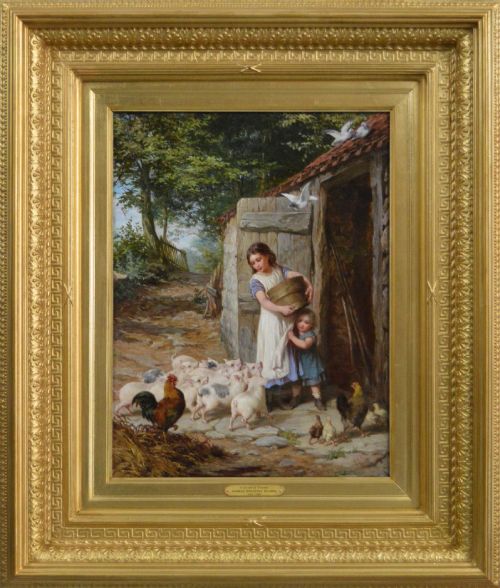
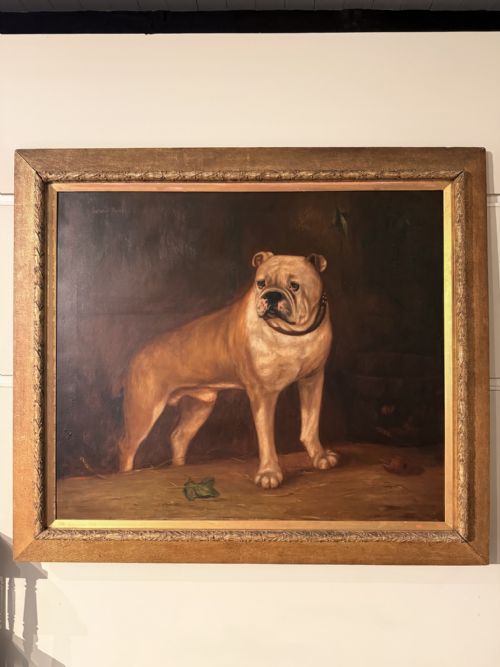
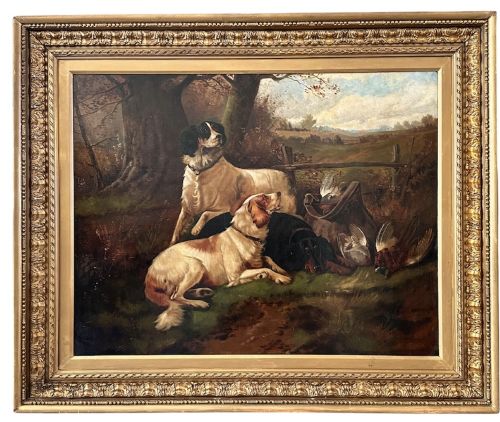
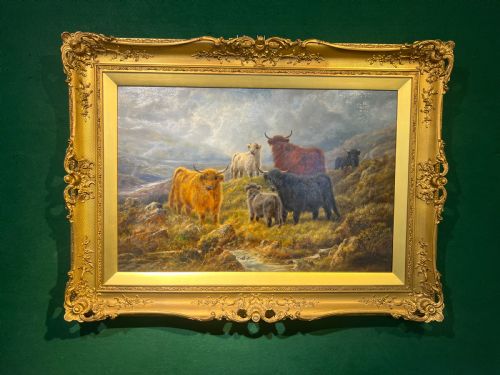
Victorian Framed Animal Art
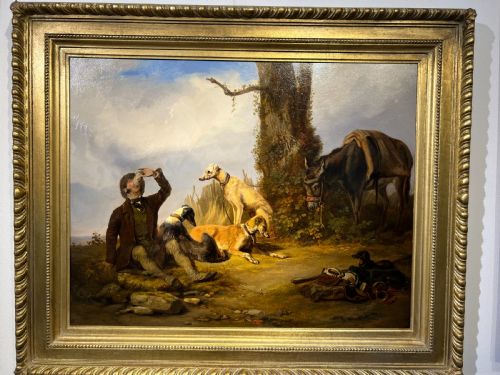
Victorian framed animal art brings together oil paintings, etchings, and prints that capture horses, dogs, livestock, and domestic pets with period observation.
Victorian Framed Animal Art
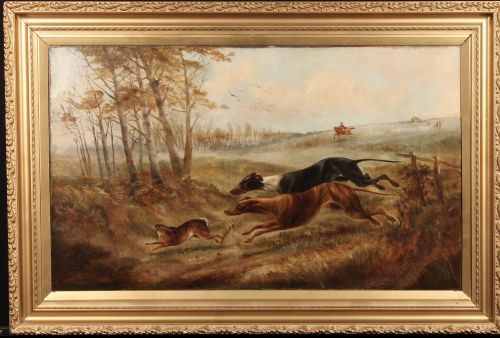
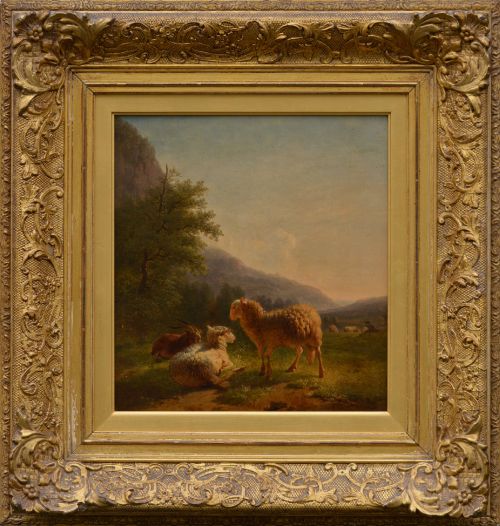
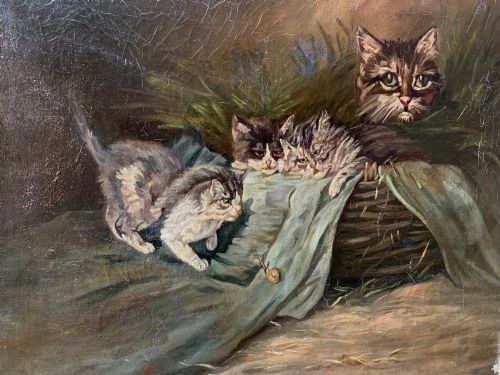
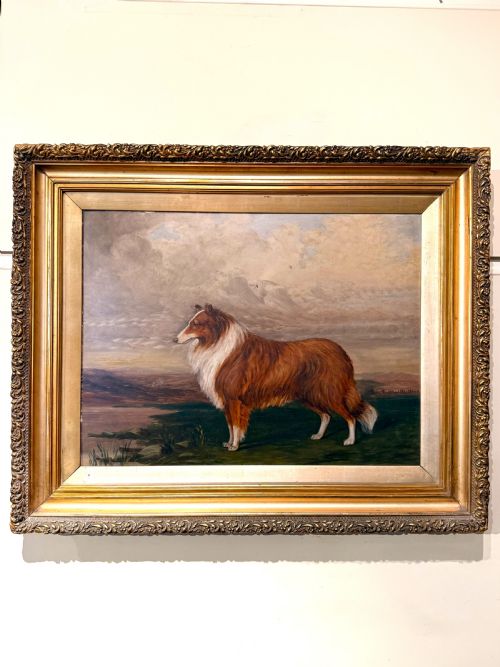
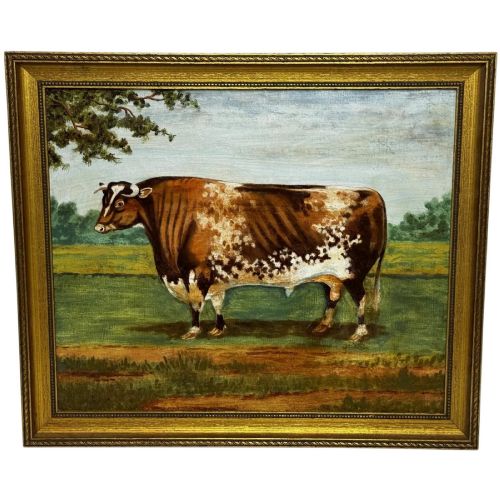
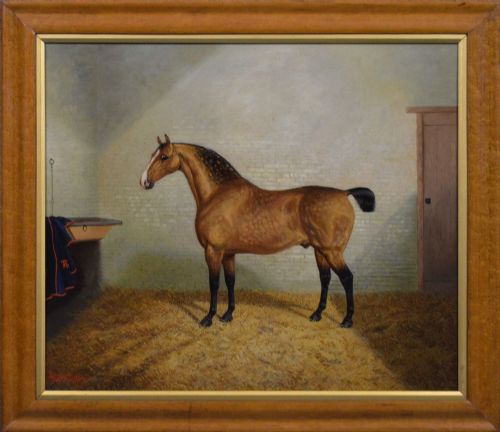
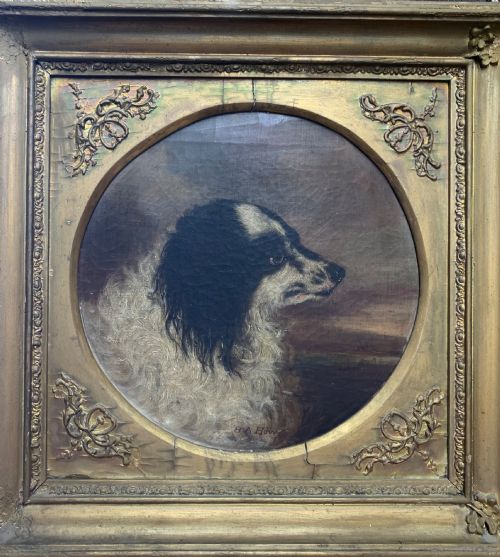
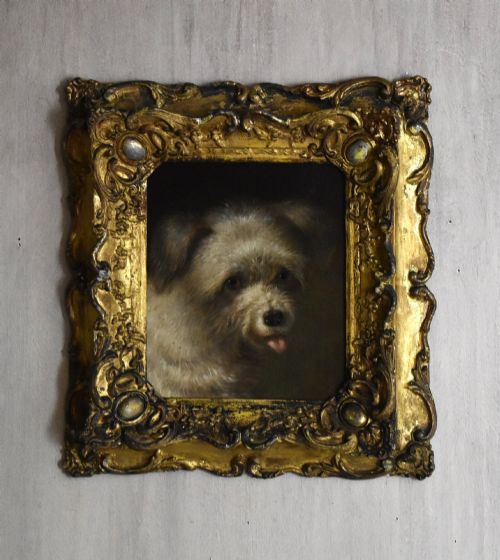
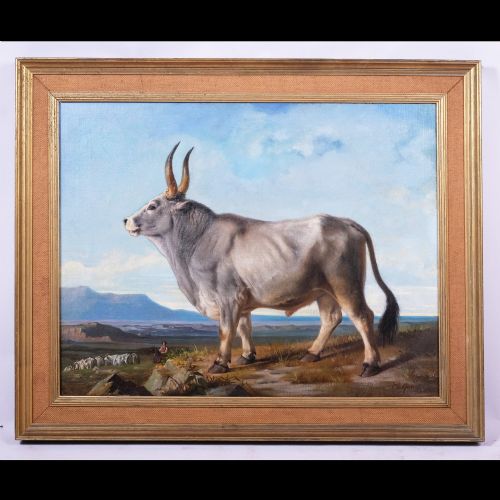
Victorian framed animal art encompasses oil paintings, etchings, watercolours, and chromolithographs produced during the nineteenth and early twentieth centuries. The subjects focus closely on domestic and agricultural life, featuring spaniels, gundogs, horses, cattle, sheep, and playful kittens.
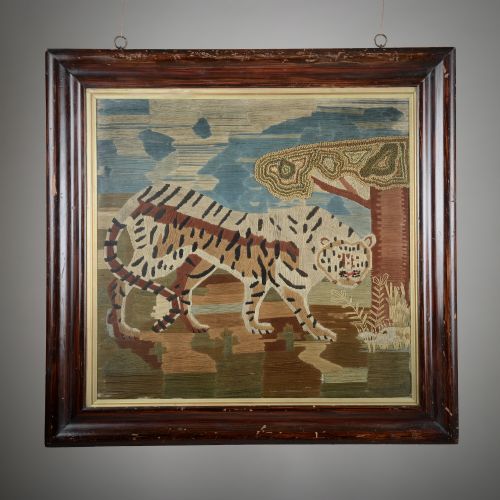
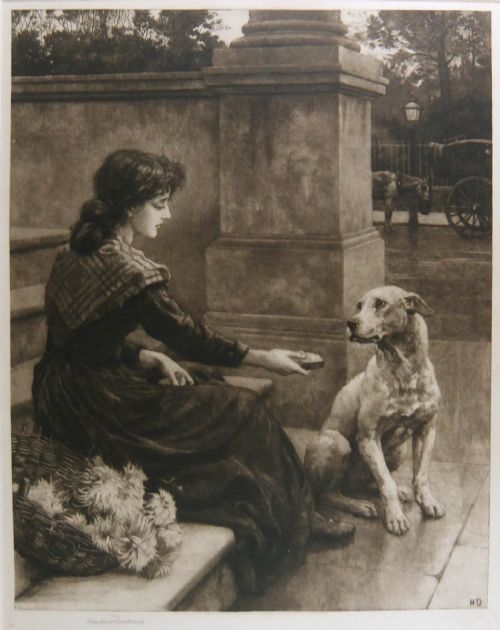
Oil paintings on canvas and board dominate the selection, often housed in original giltwood frames. Etchings on vellum and paper provide alternative graphic interpretations of hounds and big cats by named printmakers.
Materials and Technique
Works are executed in oil paint, watercolour, or printing ink upon canvas, wood panel, paper, or vellum. Pigments are applied with varying brushwork density to render animal coats, feather textures, and landscape backgrounds.
Framing utilises wood and gold leaf, occasionally featuring pierced silver elements or protective glass. Canvases are stretched over wooden frames, whilst works on paper and vellum are secured behind mats.
Listings span the nineteenth and early twentieth centuries, featuring oil on canvas, wood, paper, and giltwood frames.
Distinction in Execution
Quality rests upon anatomical accuracy, handling of light, and the expressiveness of the animal subject. Superior examples display precise draughtsmanship in bone structure and fur texture rather than formulaic background execution.
The integrity of the framing contributes to the overall piece, with period giltwood frames enhancing the visual presence of the artwork.
George Armfield·Eugène Verboeckhoven·Herbert Dicksee·Albert Clark·Martin Theodore Ward·George Augustus Holmes·John Sargent Noble·Sir Edwin Henry Landseer·Edgar Hunt·William Watson Jnr·Alfred Arthur Brunel de Neuville·Robert Watson·Horatio Henry Couldrey·Henry Schouten·Claude Cardon·John Emms·Louis Wain·Henry Robinson Hall·Arthur Wardle·William Henry Mander·Thomas Sidney Cooper·Franz van Severdonck·George Lance
The Victorian Framed Animal Art Glossary
- Chromolithograph
- A multi-colour planographic printing technique used to reproduce original paintings with varied hues. These prints appeared widely in the late nineteenth century.
- Etching
- A printmaking method where lines are incised into a metal plate with acid before being inked and pressed onto paper or vellum. Herbert Dicksee utilised this technique for detailed animal studies.
- Giltwood
- Wood carved and coated with a thin layer of gold leaf or gold paint. This material forms the primary framing style for nineteenth-century oil paintings.
- Vellum
- A fine parchment prepared from calfskin, utilised as a durable surface for fine art etchings and proofs. It offers a smooth, absorbent texture distinct from standard paper.
Victorian Framed Animal Art: Frequently Asked Questions
What animals appear in these works?
The subjects range from working farm animals such as shorthorn bulls, highland cattle, and sheep to domestic pets like pugs, kittens, and spaniels. Sporting animals, including gundogs and racehorses, also feature prominently across the painted and etched works.
Artists frequently placed these creatures within detailed rural landscapes, farmyards, or domestic interiors, reflecting nineteenth-century connections to agriculture and domestic life.
How do I identify a Victorian print?
Nineteenth-century prints often appear as etchings on vellum or as chromolithographs reproducing popular oil paintings. Examination under magnification reveals the dot matrix absence typical of modern commercial printing.
Signatures, artist proofs, and original framing materials further support the period origin of graphic works from this era.
Are original frames important?
Period giltwood frames provide contextual integrity and complement the visual depth of nineteenth-century canvases. Original frames often display patination consistent with age.
Matching the frame style to the recorded period of the painting helps preserve the historical presentation of the artwork.
How should I care for these pieces?
Display works away from direct sunlight and excessive humidity to protect oil paints, paper, and gold leaf framing. Glass-fronted pieces require stable environmental conditions to prevent moisture accumulation.
Dust wooden frames gently with a dry cloth and avoid chemical cleaners on gilded surfaces.