
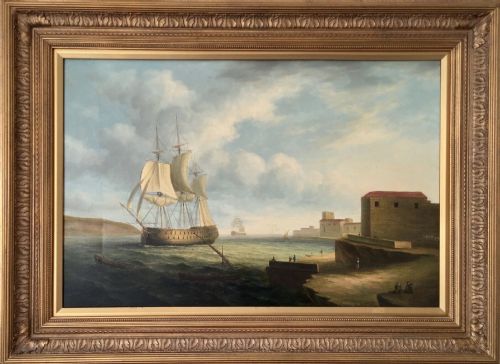
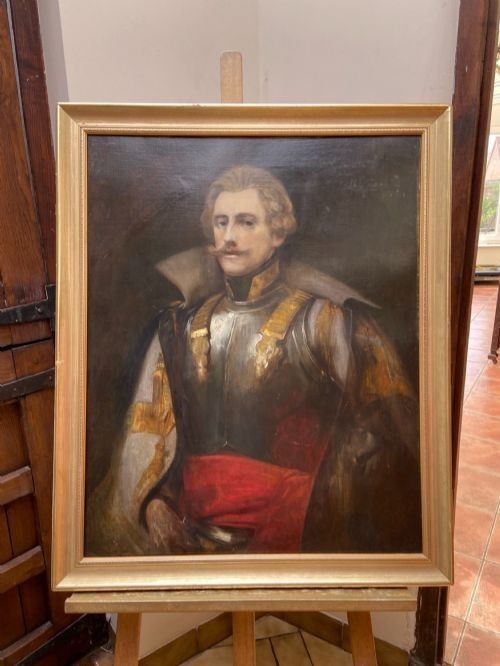
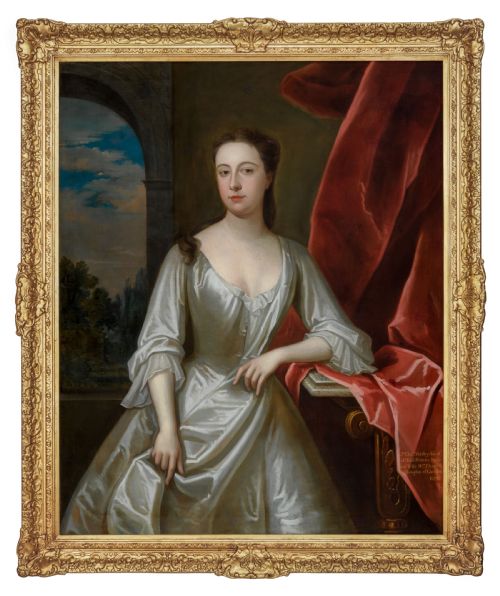
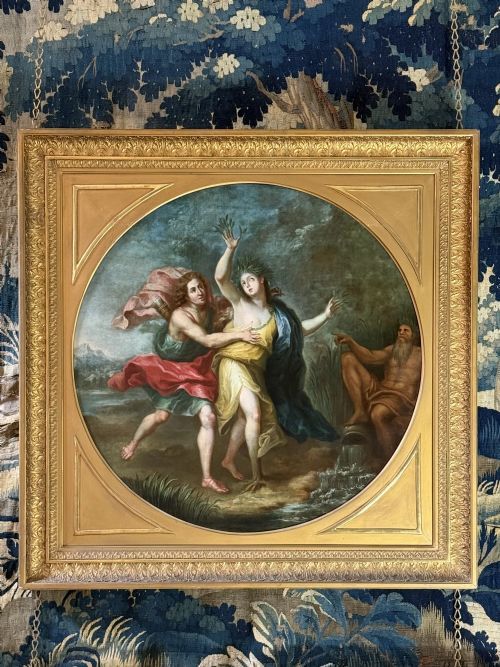


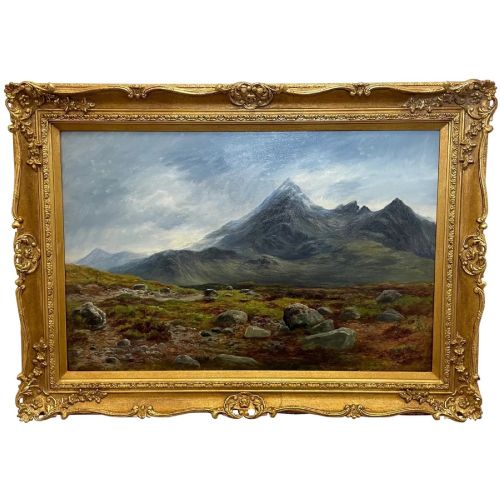
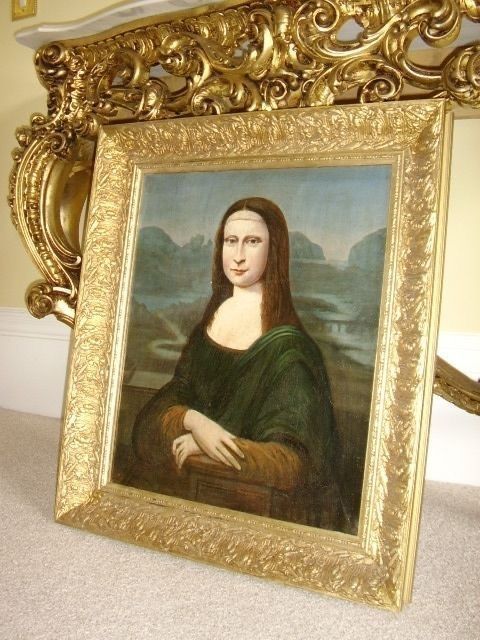

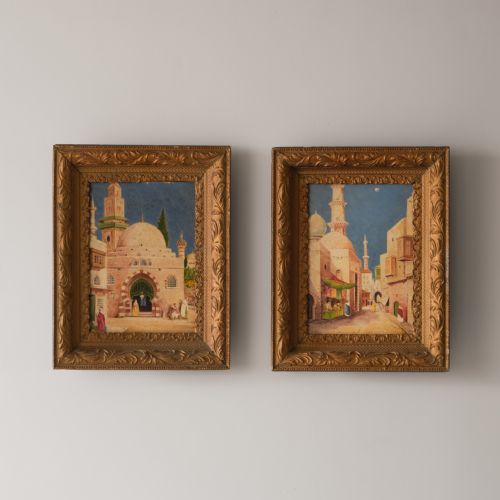
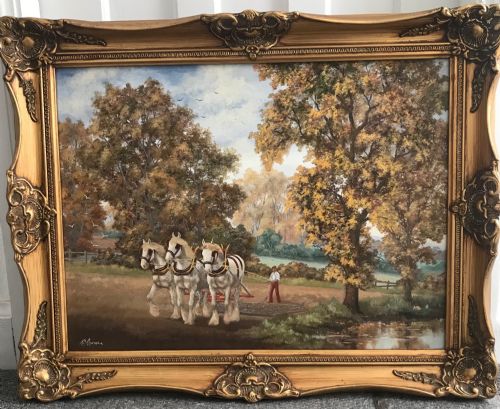
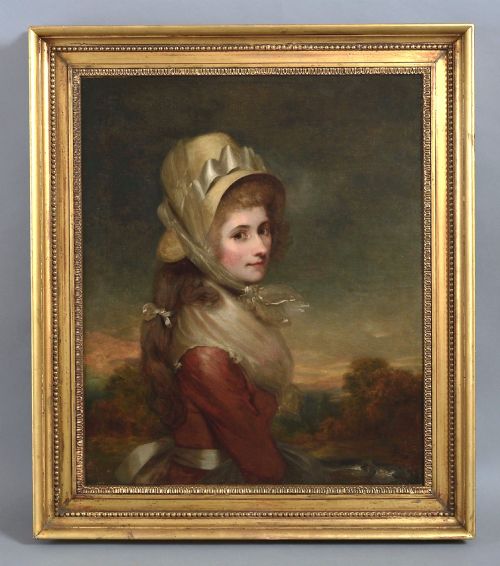
Oil Painting in Gold Frame
An oil painting in gold frame brings centuries of portraiture and landscape straight to your wall, combining rich pigment with gilded surrounds.
Oil Painting in Gold Frame
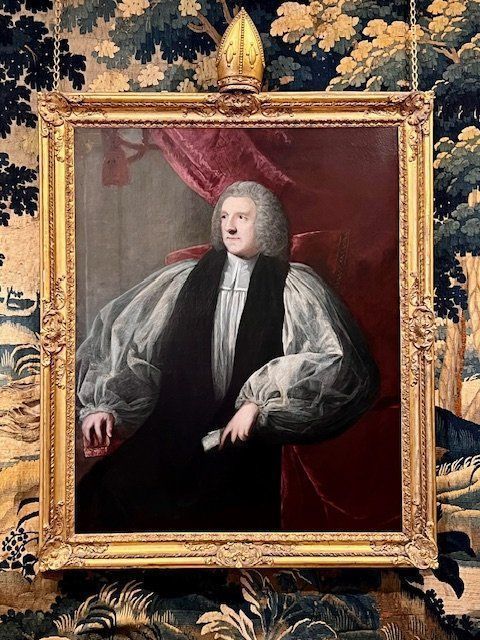
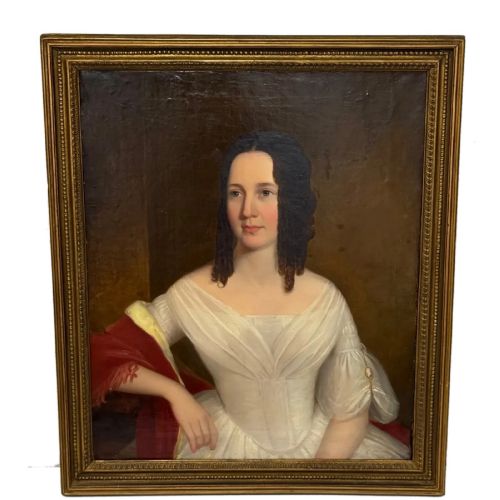
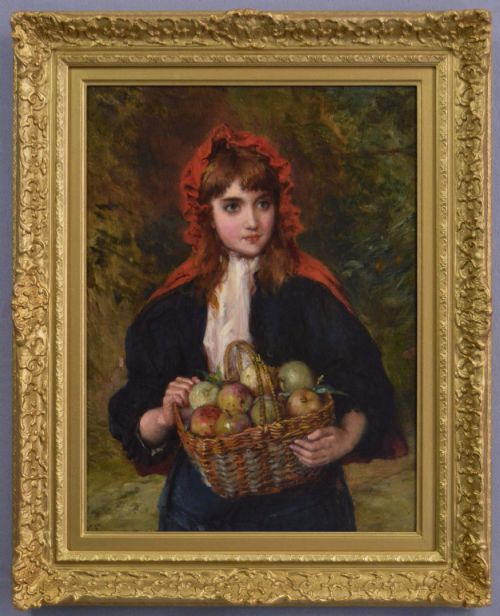
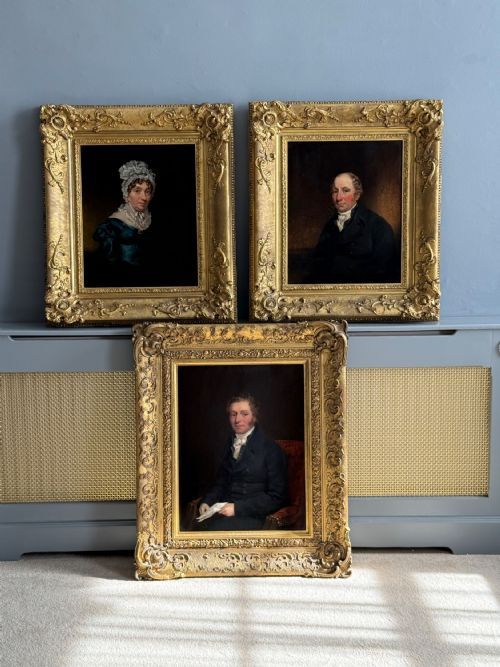
When you search for an oil painting in gold frame, you encounter canvas and panel works spanning from the seventeenth century through to the mid twentieth century. These pieces predominantly feature portraits, landscapes, and pastoral scenes executed in oil paint.
The selections on this page range from early English and Continental portraiture to nineteenth-century landscapes and later pastoral depictions. Each piece combines traditional subject matter with the substantial presence of a gilded border.
Originating across British and European schools, these works capture historical figures, nobility, and everyday scenes. The integration of painted canvas and ornamented woodwork defines the category.
How They Were Made
Makers applied oil paint to stretched canvas or wooden panels, building up layers of pigment and medium to achieve depth and luminosity. This technique allowed artists to capture fine details in skin tones, fabrics, and natural foliage.
The surrounds rely on wood construction finished with gesso, an initial plaster-like preparation layer that provided a smooth base for subsequent gilding. Artisans then applied gold leaf to create the characteristic reflective frame surface.
Listings feature works from the 17th century through to the 1960s, using oil on canvas, wood, and gesso.
What Varies in Quality
The sophistication of the brushwork and the anatomical accuracy in portraiture distinguish the finest works from simpler, more naive efforts. Skilled execution in drapery and facial expression marks the upper tier of production.
The elaboration of the framing also dictates distinction, moving from plain wooden mouldings to intricately carved or swept giltwood surrounds. The harmony between the artwork and its specific period frame influences the overall integrity of the piece.
Sir Godfrey Kneller·Charles-Antoine Coypel·Sir Joshua Reynolds·Eugène Verboeckhoven·Jean-Baptiste Van Loo·Joseph Clover·William Beattie-Brown·Leonardo Da Vinci·Jozsef Molnar·Sir Martin Archer Shee·Felix Stone Moscheles·Georges de La Tour·Sir Anthony van Dyck·John Hayls·Valentine T. Garland·John Maler Collier·Dumini Leopoldo·William Howard Hardy·Arthur Wardle·Jeremiah Davison·Francois Boucher·Eugène-Louis Gillot·John Horace Hooper·Robert Heinrich·William McAlpine
The Oil Painting in Gold Frame Glossary
- Giltwood
- Wood that has been decorated with gold leaf or gold paint. This finish creates a luminous, reflective border designed to catch interior candlelight or daylight.
- Gesso
- A mixture of binder mixed with chalk, gypsum, or pigment used as a surface preparation on wood before gilding. It provides a smooth foundation for the application of gold leaf.
- Oil on Canvas
- Pigment suspended in a drying oil applied to a woven fabric support. This combination offers flexibility and allows for rich colour blending.
- Swept Frame
- A moulded picture surround featuring curved, undulating profiles often seen on nineteenth-century portraits. The ornate scrolling adds significant depth and decorative weight to the presentation.
Oil Painting in Gold Frame: Frequently Asked Questions
Are these paintings supplied with their original surrounds?
Many works retain their period surrounds, which match the era of the canvas and complement the painted composition.
Surrounds often feature traditional gilding techniques applied over gesso and wooden mouldings, preserving the historical presentation.
How do I identify the period of a portrait?
Dating relies primarily on costume details, hairstyles, and the style of the brushwork visible across the canvas. Examining the construction of the stretcher bars and panel support also aids verification.
Inscribed names or signatures on the canvas or reverse provide further contextual markers for the era of creation.
What is the difference between canvas and panel supports?
Canvas involves woven fabric stretched across a wooden frame, allowing for larger compositions and textural play from the weave. Panels utilise solid wood foundations that provide a rigid, stable surface for meticulous detail.
Both supports received preparatory layers of gesso or priming before the application of oil paint.
How should I care for a giltwood surround?
Maintenance requires gentle dusting with a soft, dry brush to prevent the accumulation of particles on the delicate gilded surfaces. Avoid liquid cleaners or chemical polishes, which can damage the underlying gesso and gold leaf.
Keeping the piece away from direct sunlight and excessive humidity protects both the canvas and the wooden frame from warping.