



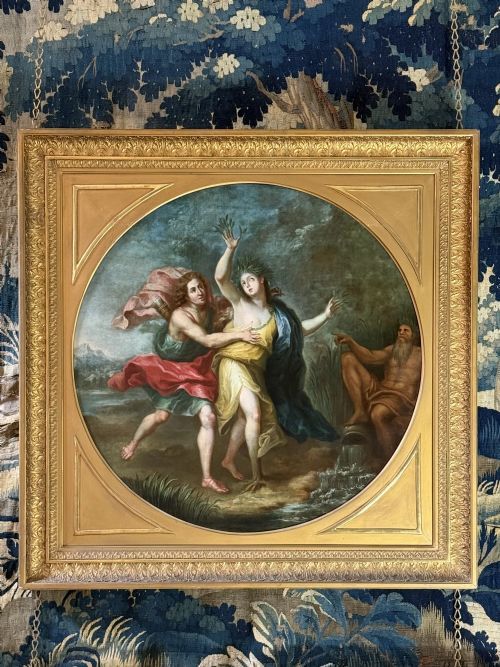
Gold Framed Art Painting
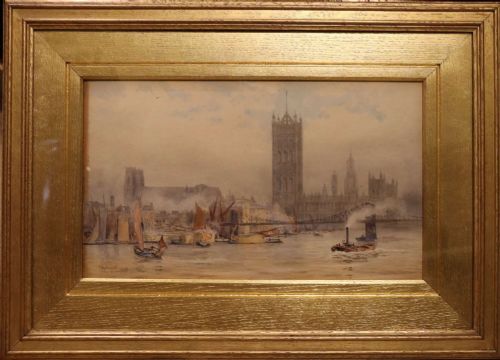
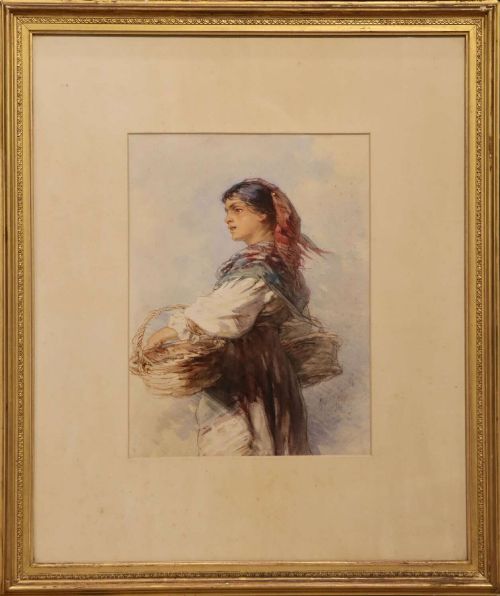
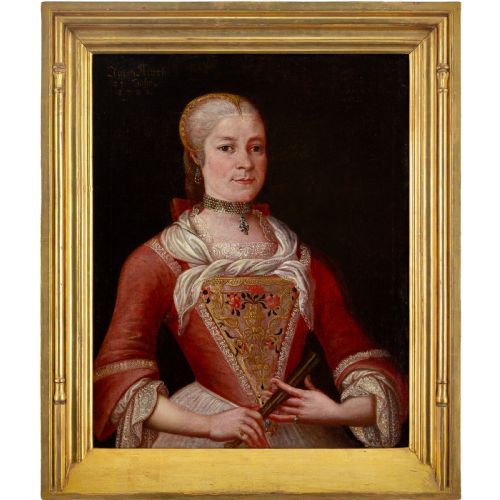
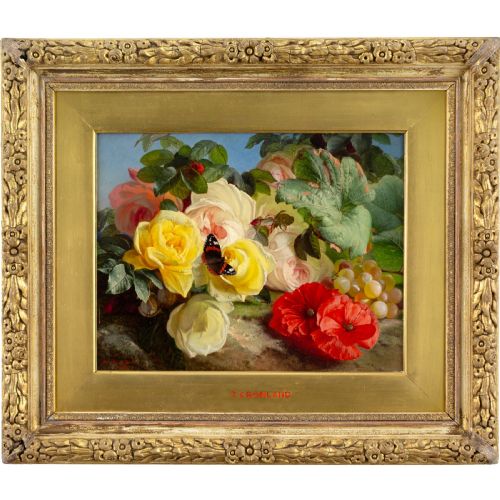
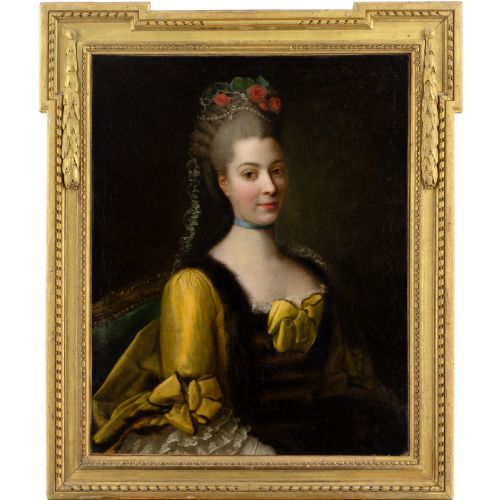
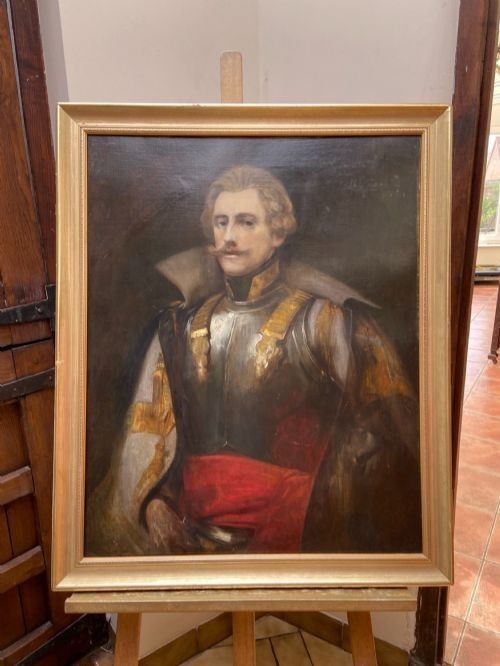
When you search for a gold framed art painting, you are looking at centuries of portraiture and landscape rendered in oils and watercolours within gilded surrounds.
Gold Framed Art Painting
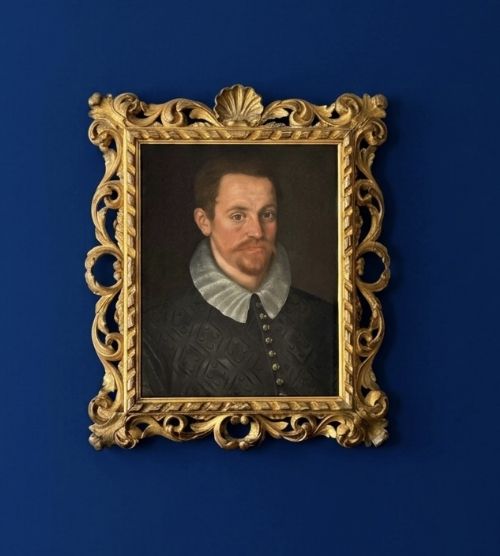
A gold framed art painting encompasses centuries of canvas works, panels, and miniatures housed within protective decorative borders. These items range from 17th-century portraits of noblemen to 19th-century landscapes and marine scenes.
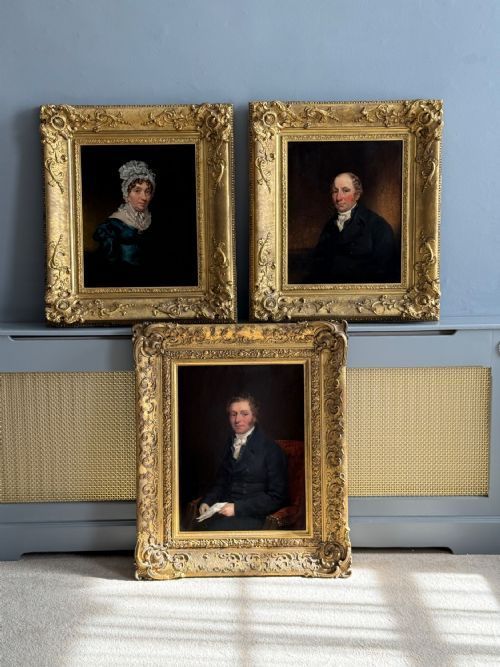
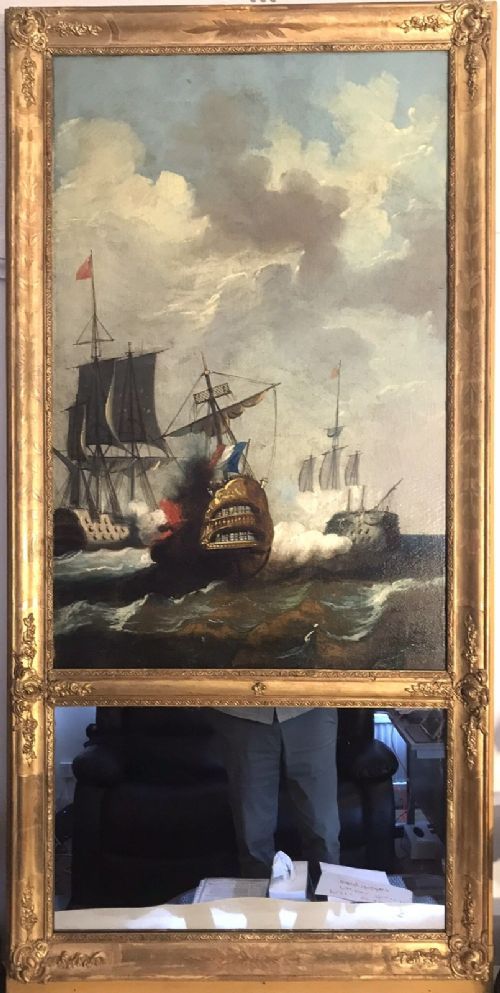
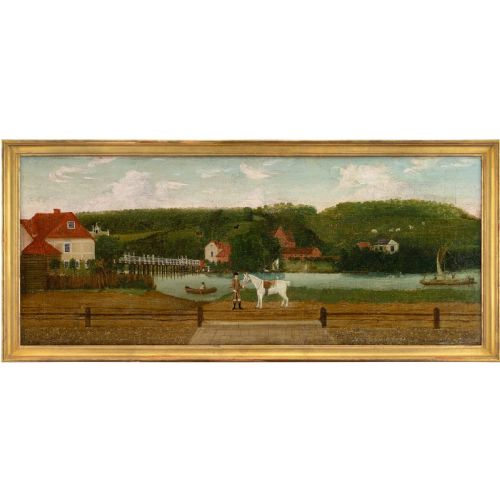
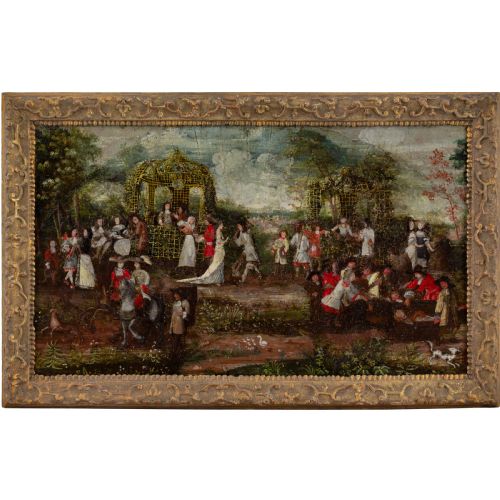
The most common examples encountered on this page are 18th- and 19th-century oil paintings on canvas or panel, frequently depicting portraits or pastoral views. French trumeau mirrors featuring integrated seascapes also appear among the varied formats.
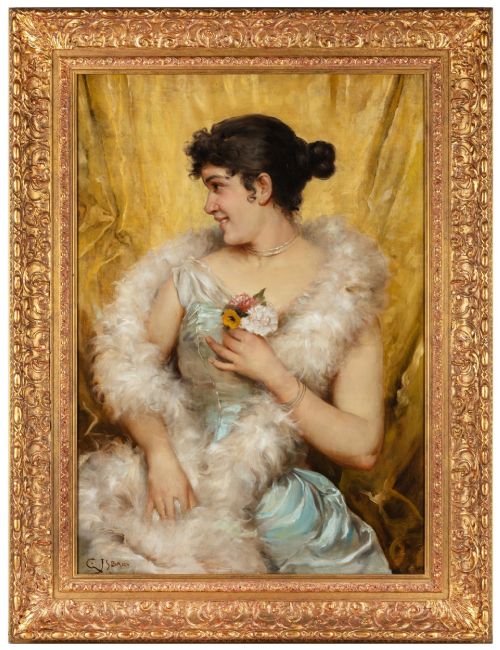
Makers and schools span British, Flemish, French, and Bavarian origins, reflecting diverse regional aesthetics from the Baroque period through to Post-Impressionism.
Materials and construction
Canvas and wood panels serve as the primary supports for the oil paint and pigments utilised by artists across the 17th, 18th, and 19th centuries. Watercolour on paper and enamel on metal also feature in specific miniature and study formats.
Giltwood and gold leaf create the characteristic frames, applied to carved wooden mouldings to provide a luminous border that enhances the depth of the artwork within.
Listings span periods from the 17th century through the Victorian era to the mid-20th century.
Assessing quality and execution
The sophistication of the brushwork and the anatomical precision in portraiture or perspective in landscapes separate standard decorative works from master-level execution. Hand-carved giltwood framing with intricate detail indicates superior craftsmanship compared to simpler moulded surrounds.
Condition of the original paint layer and the integrity of the canvas or panel influence the overall standing of the piece. Provenance and attribution to documented artists further elevate the standing of specific works.
Joseph Clover RA·Sir Joshua Reynolds·Sir Godfrey Kneller·Charles-Antoine Coypel·Jean-Baptiste Van Loo
The Gold Framed Art Painting Glossary
- Giltwood
- Wood carved and then covered with a thin layer of gold leaf or gold paint. This technique provides the bright metallic finish seen on antique frames.
- Trumeau
- A decorative wall mirror that incorporates a painted panel or artwork above the glass plate. These pieces often feature seascapes or classical motifs.
- Panel
- A rigid wooden support used by artists instead of stretched canvas. Panels are particularly common in earlier European oil paintings.
- Doublet
- A close-fitting padded jacket worn by men during the 16th and 17th centuries. Such garments frequently help date early portraits.
Gold Framed Art Painting: Frequently Asked Questions
How do I date a gold framed painting?
Dating relies on stylistic clues in the clothing, hair, and framing techniques. Costume details such as ruffs or doublets often point to the seventeenth century, while later Victorian works show distinct fashion and canvas preparations.
Examining the reverse of the canvas, stretcher bars, and framing construction provides further physical evidence of the period in which the piece was assembled.
What is a trumeau mirror painting?
A trumeau mirror incorporates an oil painting directly into its upper wooden structure above the glass plate. These decorative architectural pieces were popular in French interiors for adding light and artistic interest to a room.
The paintings within them frequently depict marine scenes, pastoral landscapes, or classical subjects framed by the same gilt woodwork.
Are these paintings executed only in oil?
While oil on canvas or panel forms the majority of the inventory, watercolours and enamel portraits also appear. Artists utilised different mediums depending on the scale and purpose of the work.
Miniature portraits and works on paper required distinct techniques compared to large historical or landscape canvases.
How should I care for an antique gilt frame?
Gilt frames require gentle dusting with a soft, dry brush to prevent the accumulation of dirt on the delicate gold leaf surface. Moisture and chemical cleaners must be avoided entirely to preserve the original gilding.
Maintaining stable humidity and temperature in the room protects both the wooden frame and the canvas artwork from warping or cracking.