

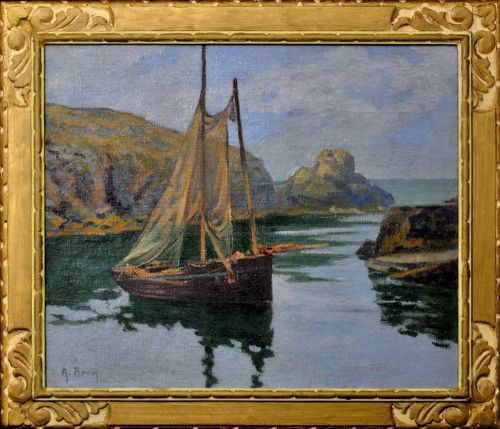
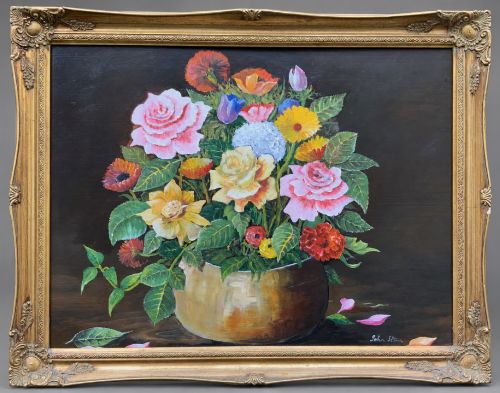
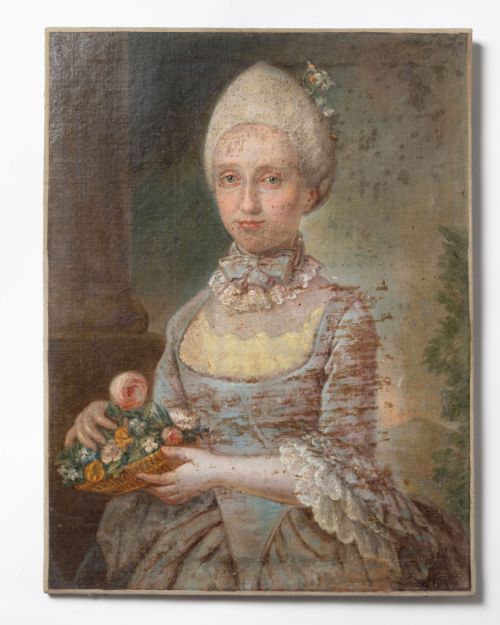
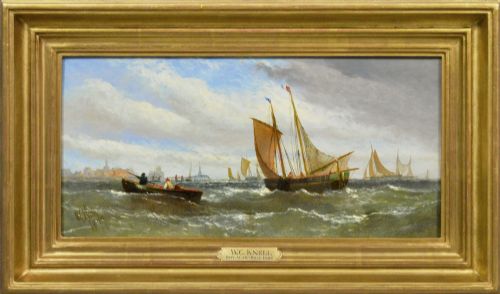

Oil Painting Artwork
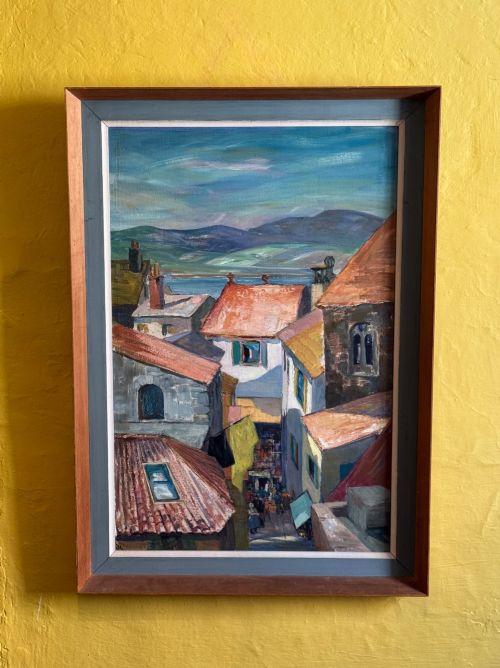
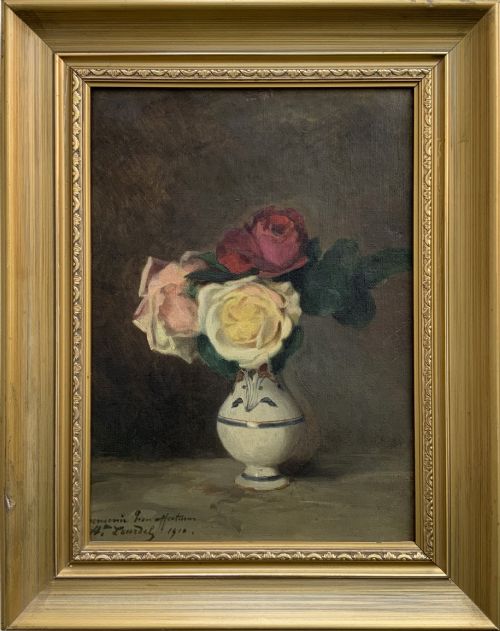
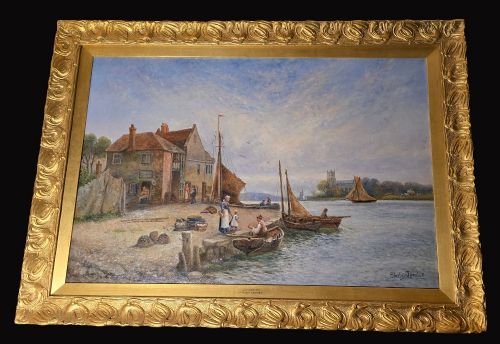
An oil painting artwork brings centuries of pigment, canvas and frame into a room, offering a tangible connection to past portraitists, landscapers and history.
Oil Painting Artwork
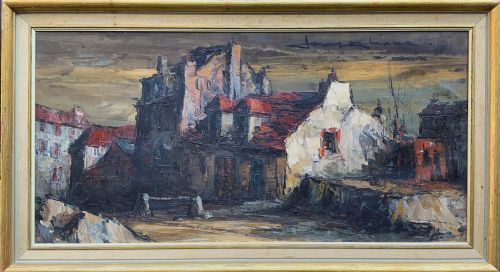
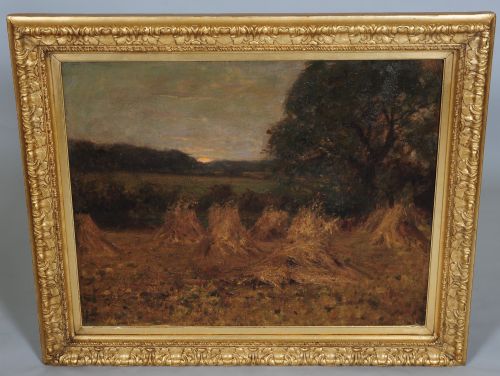
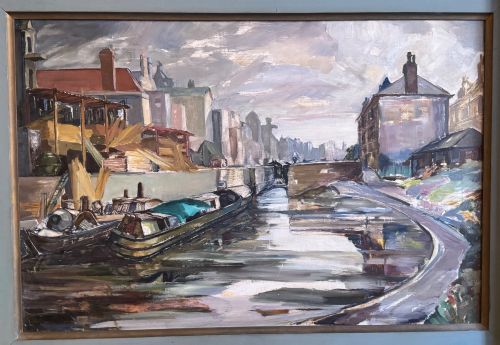
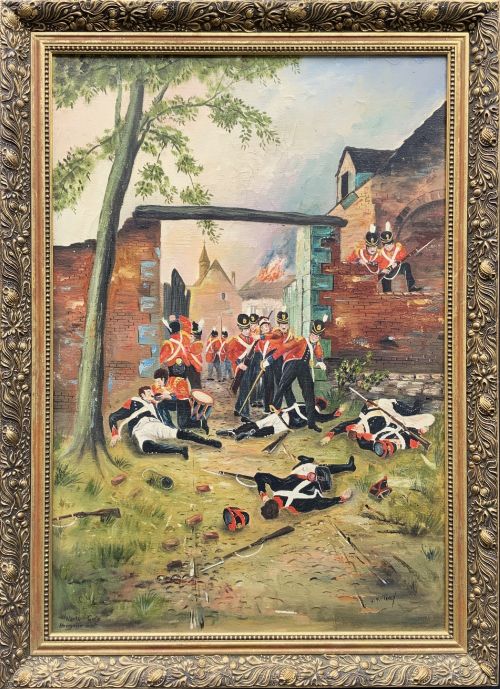
When searching for oil painting artwork, buyers encounter pieces spanning from the seventeenth century through to the mid-twentieth century, encompassing British, Dutch, French and Italian schools.
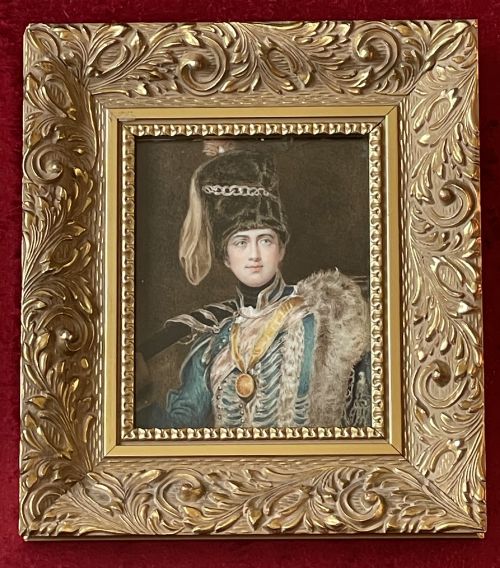
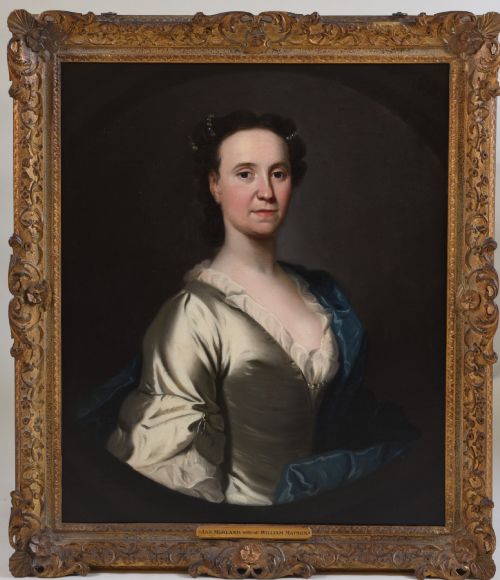
The selections on this page range from grand seventeenth-century portraits of noblemen and royal figures to nineteenth-century sporting scenes, pastoral landscapes and twentieth-century still lifes.
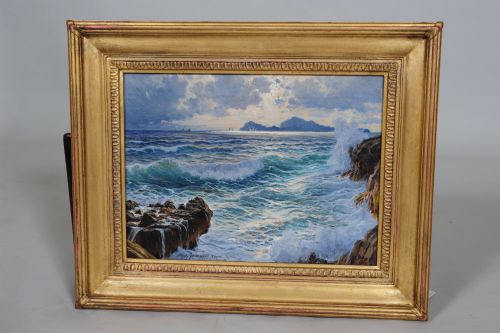
Portraits on panel and canvas sit alongside expansive landscape views, interior genre scenes and framed nineteenth-century giltwood pieces.
Materials and Techniques
Artists built these works using oil paint applied to stretched canvas, wooden panels or sturdy boards, capturing rich depth and subtle tonal gradations.
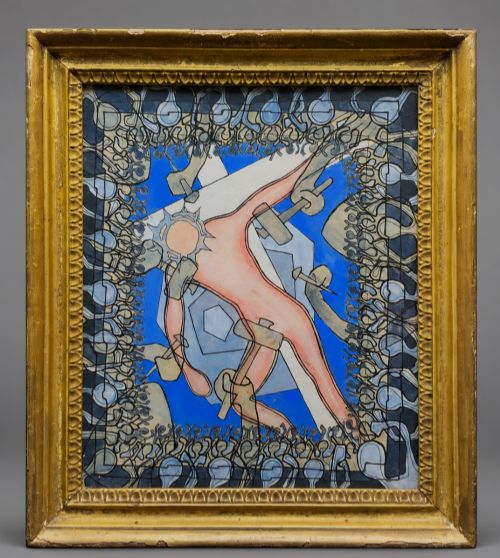
Many of the older works are housed in their original or period-matched frames constructed from wood, gesso and deep giltwood, often featuring fluted hollow profiles.
Oil Painting Artwork Retail Price Guide 2026
Typical asking prices for oil painting artwork among the pieces listed under this phrase on Sellingantiques today, from the lower quarter to the upper quarter. They describe what is for sale here now, not the wider market.
Several centuries of aristocratic gazes now watch over modern living rooms from deep giltwood frames.
Factors of Quality
Works attributed to established studios, named artists or particular regional schools generally show superior handling of light, shadow and proportion compared to unsigned or provincial copies.
Sir Godfrey Kneller·Sir Peter Lely·Lavinia Fontana·Jacob Philipp Hackert·William Langley
The Oil Painting Artwork Glossary
- Oil on Canvas
- Pigment mixed with drying oil applied to a woven fabric support stretched across a wooden frame. This medium allowed artists to blend colours smoothly and work with slow-drying layers.
- Panel Painting
- A work executed on a flat piece of wood rather than fabric. Panels were widely utilised in earlier centuries, particularly by seventeenth-century European schools.
- Giltwood
- Wood that has been coated with a thin layer of gold leaf or gilt. It frequently frames antique paintings, providing an ornate boundary to the canvas.
- Gesso
- A paint mixture consisting of a neutral binder mixed with chalk, gypsum or pigment. It served as a prepared base on wooden panels and picture frames before gilding.
- Genre Painting
- Depictions of aspects of everyday life, such as village fêtes, market scenes or domestic interiors. These works portray ordinary people engaged in common activities.
Oil Painting Artwork: Frequently Asked Questions
How do I date an old oil painting?
Dating relies on stylistic clues, clothing fashions in portraits, canvas types and the construction methods of the accompanying wooden stretcher or frame.
Expert attribution and documented provenance further help narrow down the decade or century of creation.
What is the difference between canvas and panel?
Canvas consists of woven fabric stretched over a wooden frame, which became the dominant support from the Renaissance onwards. Panels use solid pieces of wood, typical of earlier northern European works.
Panels offer a rigid surface that behaves differently to flexible canvas over long periods.
How should I care for an antique oil painting?
Keep paintings away from direct sunlight, high humidity and sudden temperature fluctuations to protect the fragile oil pigments and wood. Avoid using modern cleaning solutions on the canvas surface.
Dust gently with a soft, dry brush or consult a professional conservator for cleaning.