
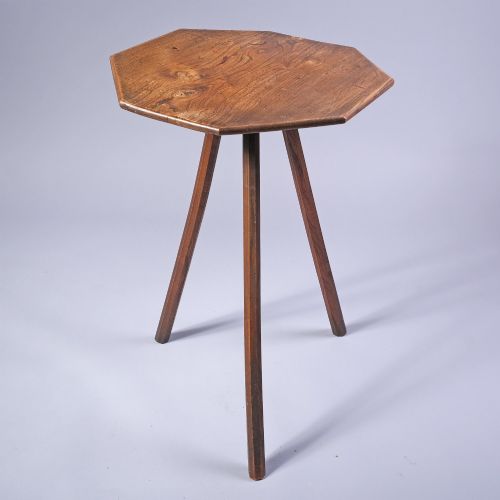
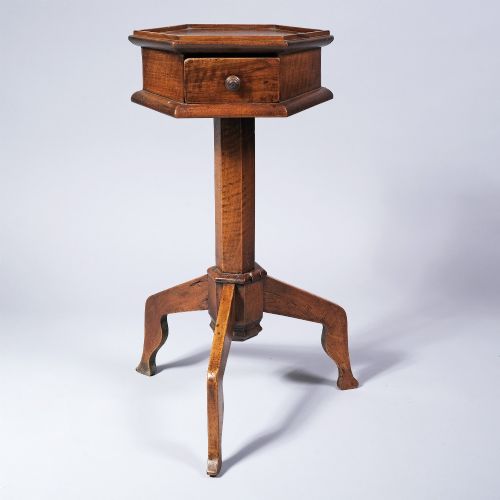
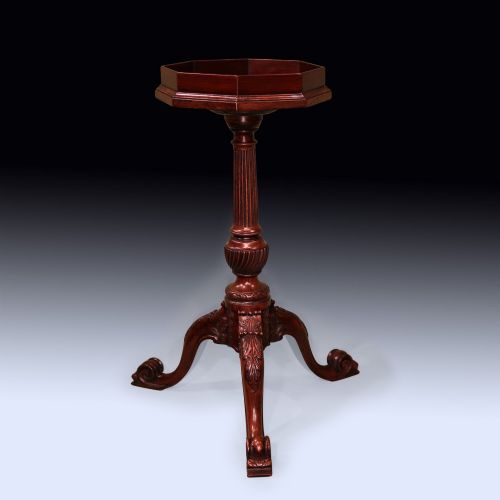
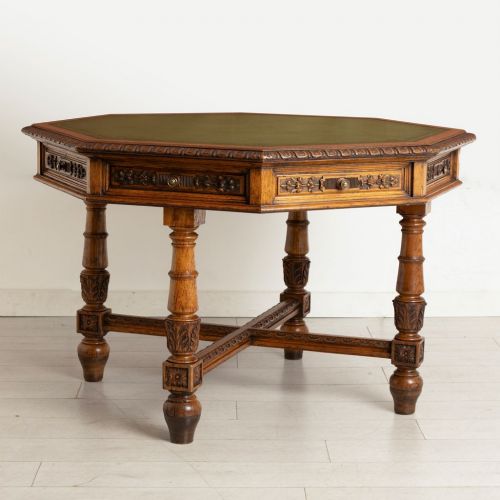
Octagonal Top Table
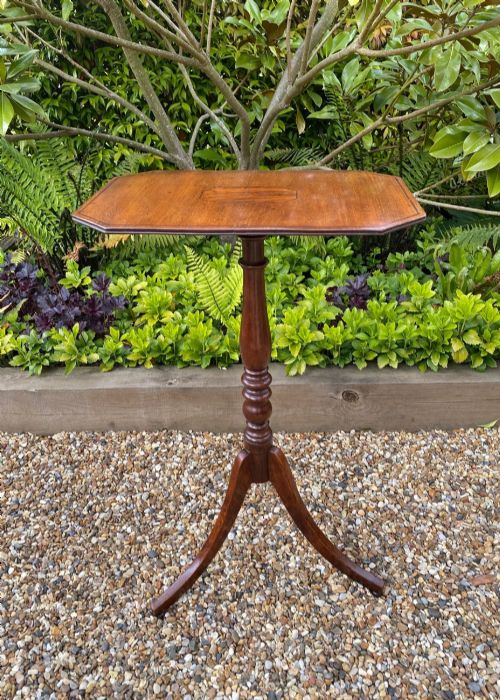
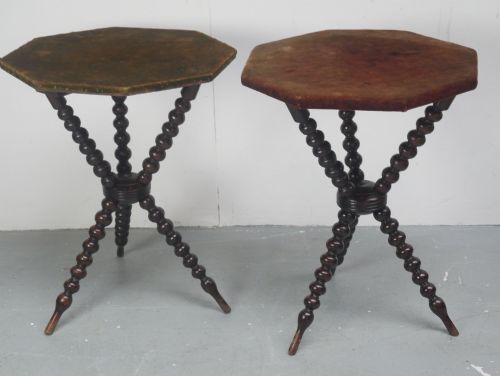
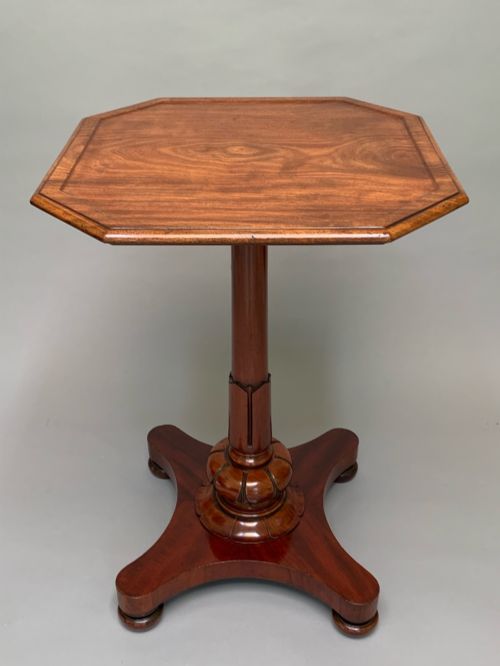
An octagonal top table offers a distinct geometric alternative to the usual round or square surface, bringing varied woods and periods into a room.

What They Are
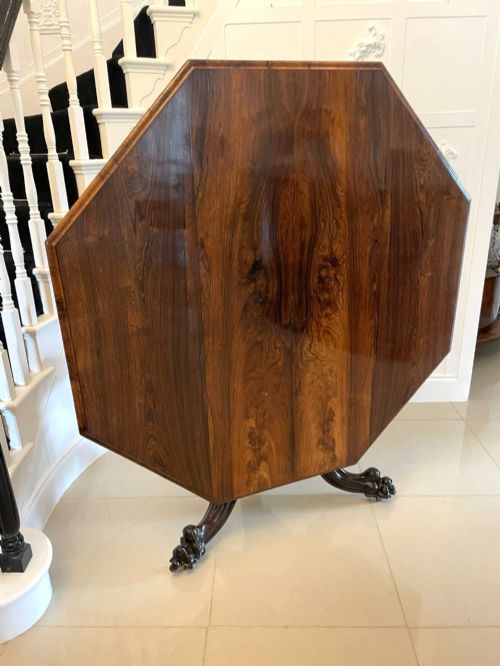
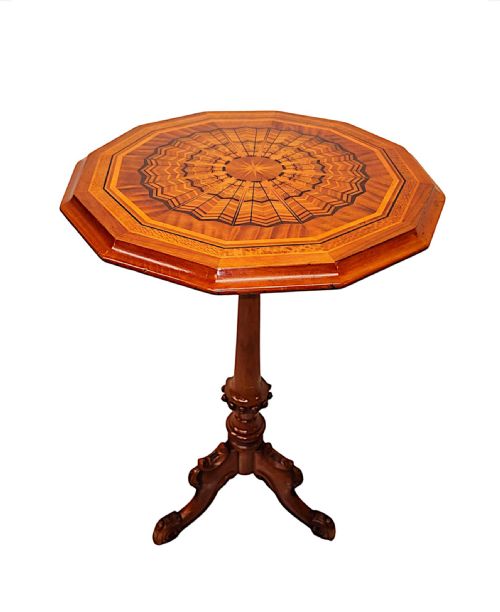
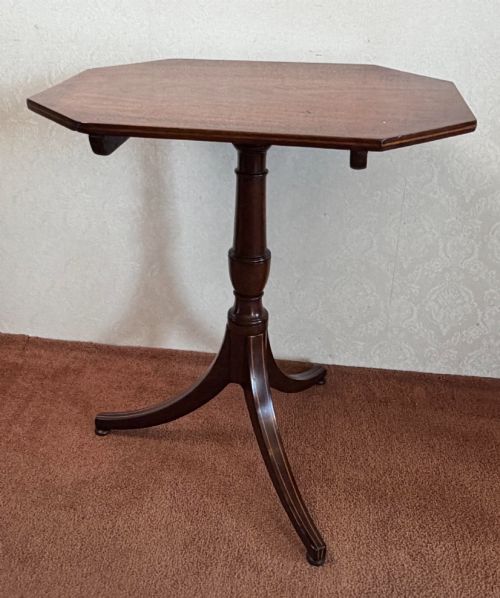
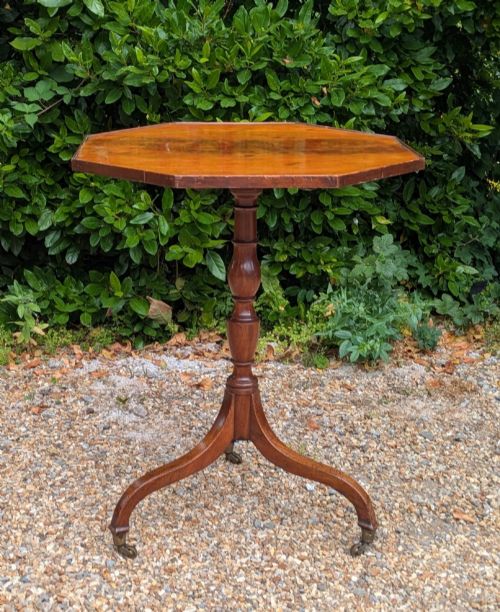
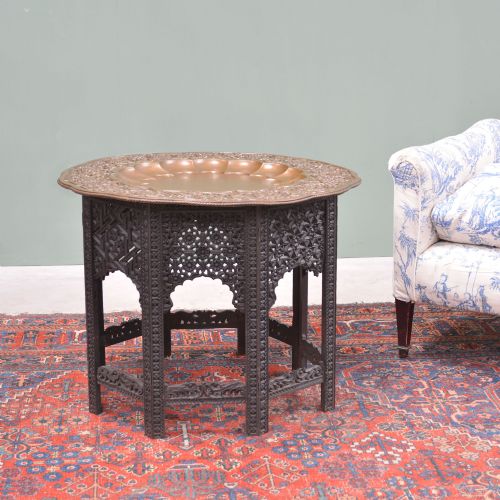
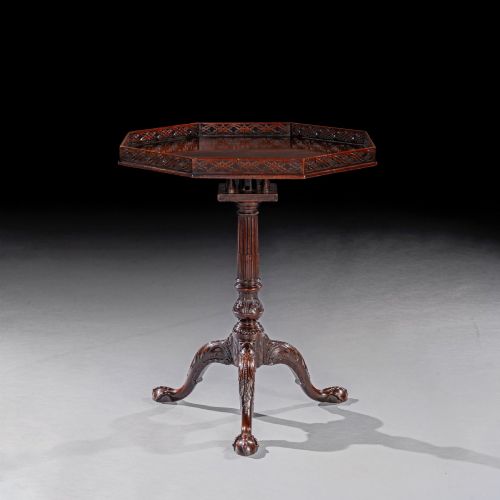
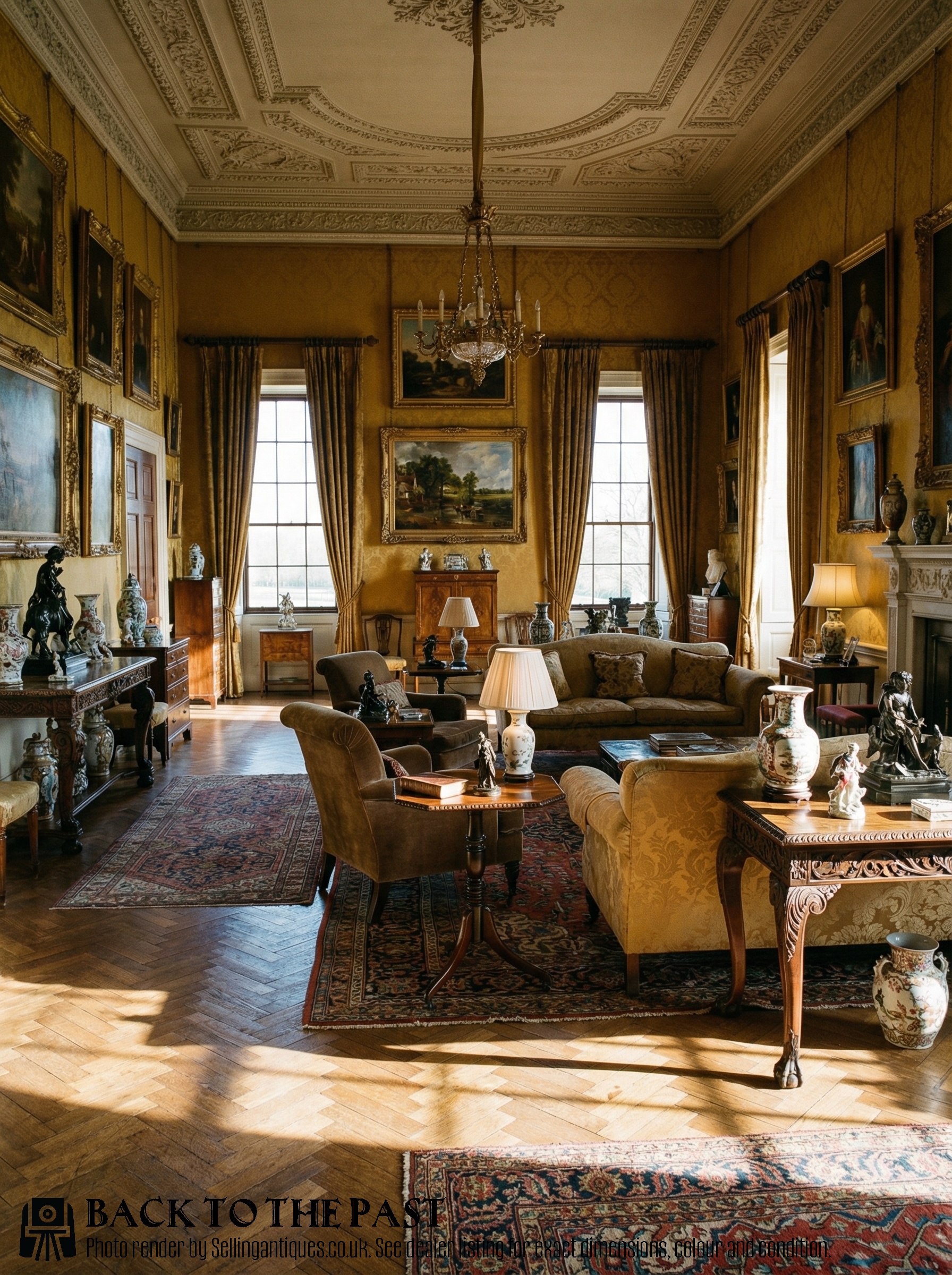
An octagonal top table appears across several centuries in forms ranging from small tripod wine tables and occasional pieces to larger centre tables and folding stands. The version most frequently met on this page is the occasional or wine table, often supported by a pillar and tripod base.
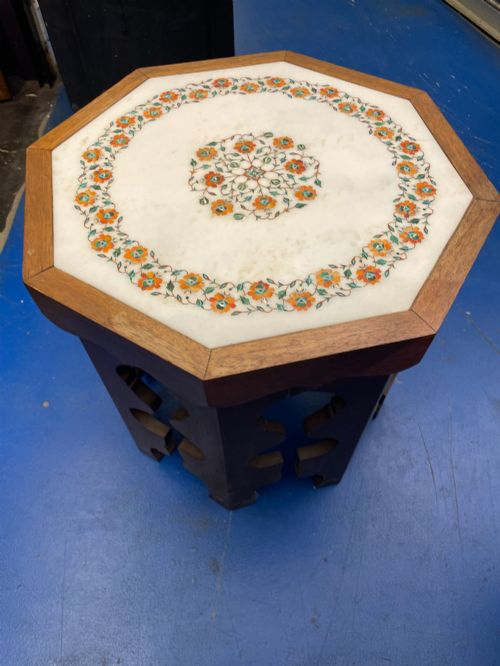
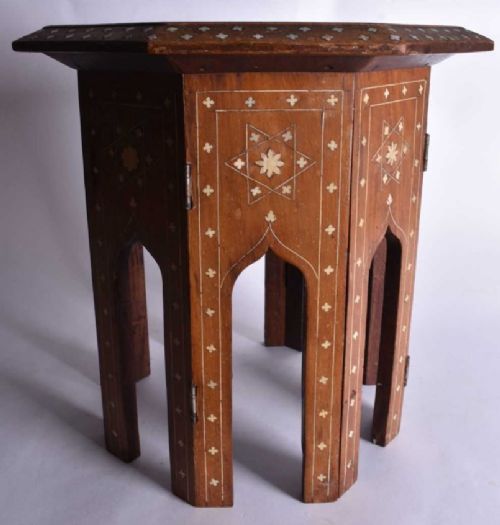
Makers shaped these surfaces in mahogany, walnut, rosewood, and oak, frequently pairing the geometric tops with tilt mechanisms, pedestals, or inlaid borders. Styles span Georgian, Regency, Victorian, and Arts and Crafts periods, showing both British cabinetmaking and international influences like Anglo Indian and Syrian inlay work.
How They Were Made
Cabinetmakers constructed these tables using solid timbers and veneered surfaces over secondary woods, employing turning, carving, and joinery techniques suited to each period. Bases often feature tripod legs, pedestal columns, or ebonised and painted frames.
Surface decoration involved marquetry, crossbanding, bone inlay, marble, slate, and leather inserts. Tilt-top mechanisms relied on brass catches and block pivots to allow the octagonal surface to store flat against the pedestal.
Retail Price Guide 2026
Typical UK retail prices for octagonal top table, calculated from the Sellingantiques database of over a million retail prices indexed since 2003. This retail price guide relies exclusively on Sellingantiques data; no external sources or auction records are used, so the figures do not describe the wider market.
What Varies in Quality
The standard of timber selection and figure sets the upper tier apart from simpler provincial items, particularly when dense mahogany, figured walnut, or contrasting satinwood bandings are utilised. Superior examples show precise geometric symmetry in the eight-sided top and crisp carving along the stem or tripod feet.
Refinement of the mechanism and secondary details also dictate worth. Finely fitted tilt-top catches, delicate brass mounts, and intricate inlaid stonework or marquetry indicate a workshop of higher ambition than plain plank construction.
Gillows·Morris and Co
The Octagonal Top Table Glossary
- Tilt top
- A tabletop mounted on a hinged block that allows the surface to pivot into a vertical position when not in use. This mechanism saved floor space in smaller rooms during the Georgian and Regency periods.
- Tripod base
- A support structure consisting of three legs radiating from a central pillar. It provides stable footing on uneven floors.
- Crossbanding
- A strip of veneer applied to the border of a tabletop with the grain running perpendicular to the central panel. This technique frames the geometric shape of the surface.
- Inlay
- The technique of embedding pieces of contrasting materials such as bone, marble, or different woods into the surface to form decorative patterns. It frequently decorates the tops of Victorian and Anglo Indian pieces.
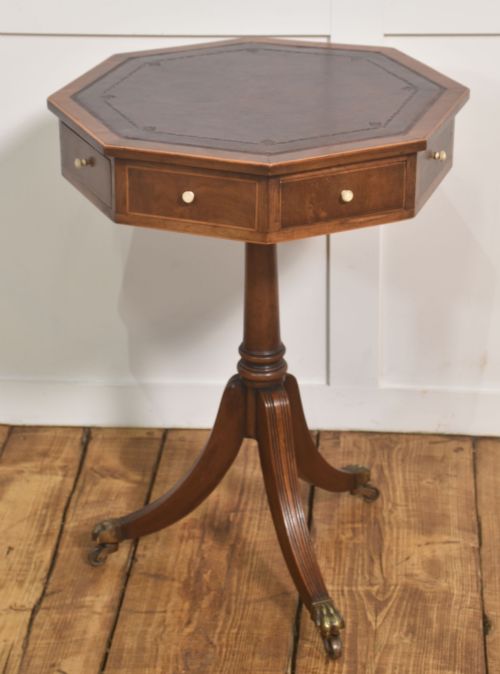
- Drum table
- A heavy, round or octagonal table with a deep skirt containing multiple drawers around the perimeter. These were typically used as library or centre tables.
Frequently Asked Questions
What is an octagonal top table used for?
These tables served primarily as occasional, wine, or lamp tables, providing a convenient surface next to seating areas. Larger examples functioned as centre tables or library drum tables for holding books and writing materials.
Their distinct eight-sided geometry allowed them to fit comfortably into corners or narrow spaces where round tables used floor area less efficiently.
How do I identify a Regency octagonal table?
Regency pieces often feature rosewood or mahogany timbers, sometimes accented with brass mounts, inlay, or pedestal bases with carved feet. The proportion tends to be clean and classical, reflecting the influence of the early nineteenth century.
Many of these examples include tilt-top mechanisms designed for easy storage against a wall when not in use.
What woods were used for these tables?
Makers utilised a wide variety of timbers depending on the period and origin, including mahogany, walnut, rosewood, satinwood, and oak. Exotic woods and decorative veneers like pollard oak, thuya, and olive wood appeared on more elaborate examples.
Some international pieces incorporated regional woods such as Indian teak alongside bone or stone inlay.
How do I care for an antique wooden top?
Protect the polished surface from direct sunlight and excessive moisture by using coasters and mats. Regular dusting with a soft, dry cloth preserves the finish without building up residue.
Feed the timber periodically with appropriate wax to keep the grain nourished and prevent the wood from drying out.