
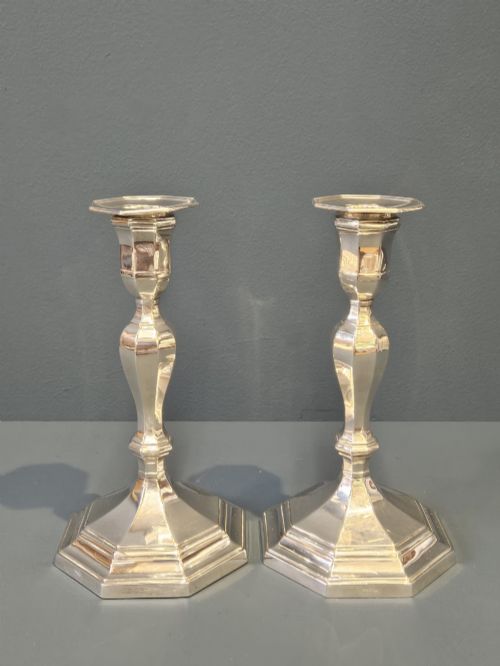
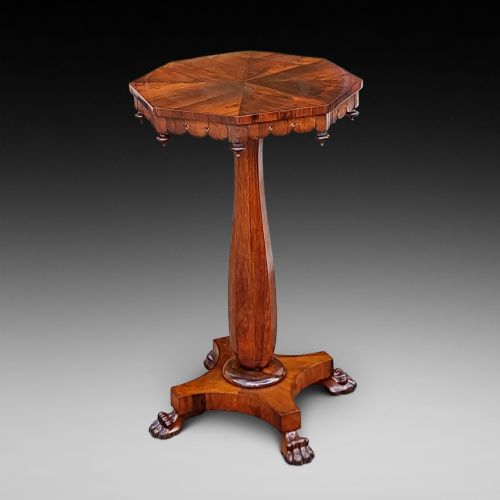
Octagonal Candle Stand
An octagonal candle stand provides a stable, geometric surface for illumination and display, rooted in eighteenth and nineteenth-century design.
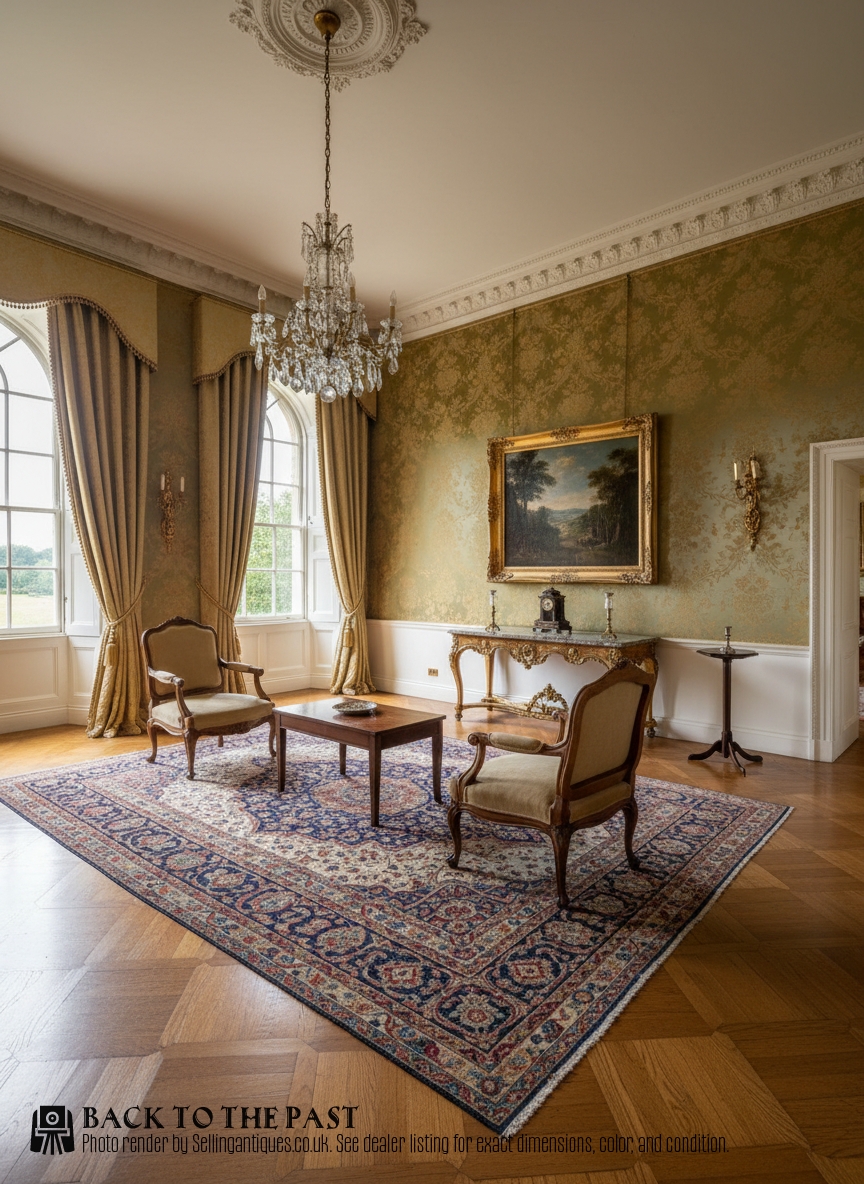
Octagonal Candle Stand
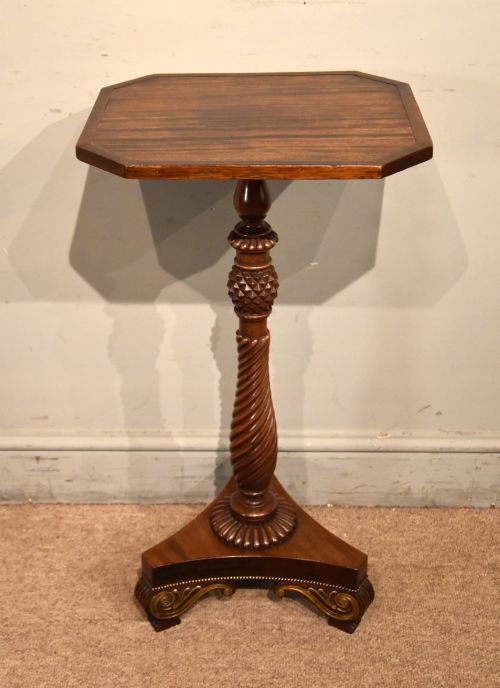
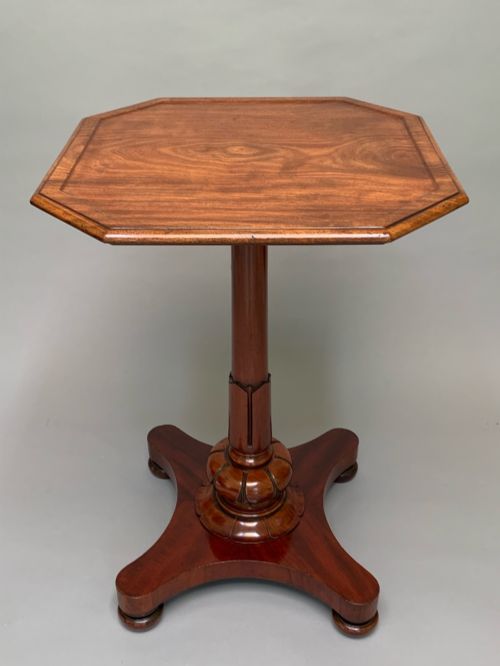
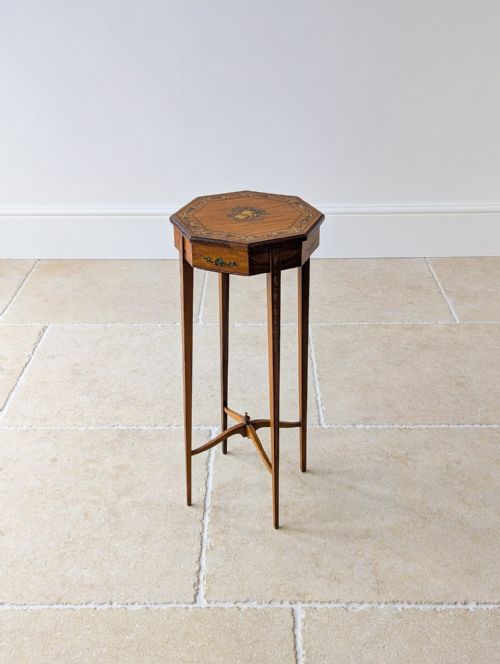
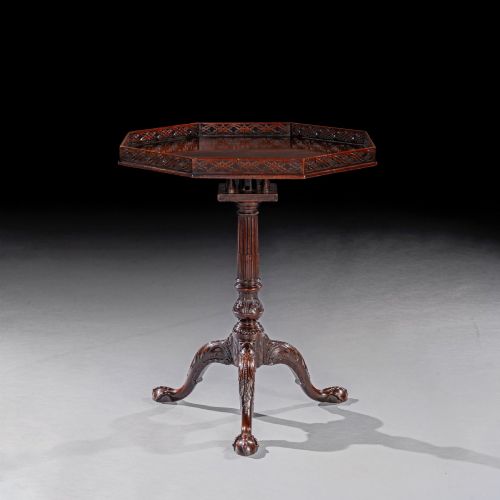
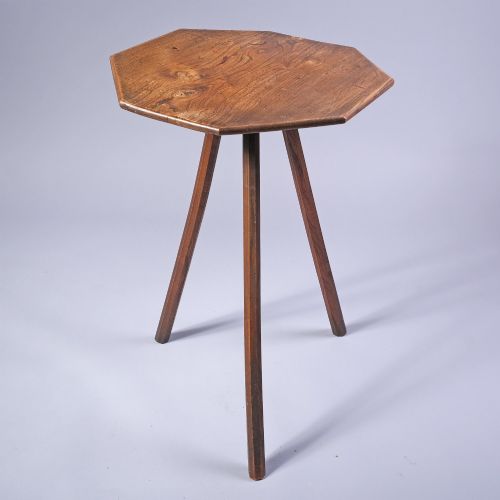
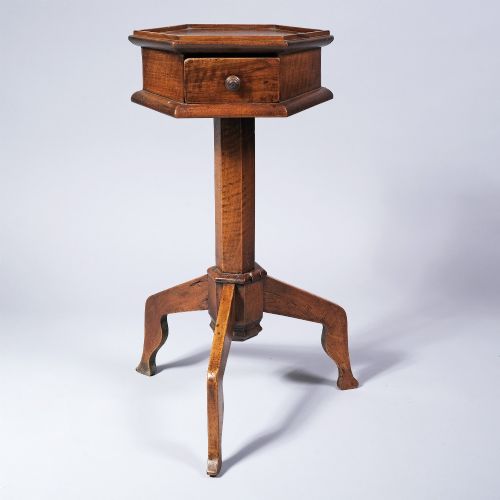
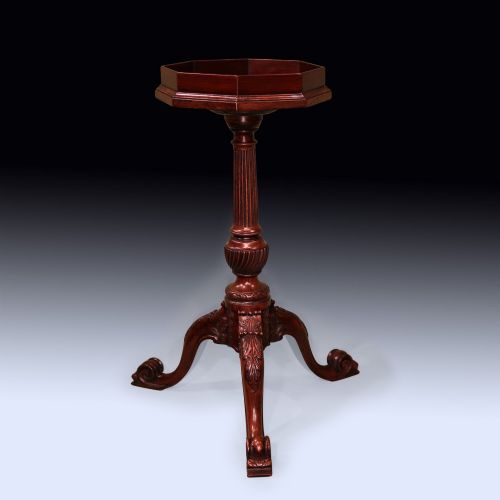
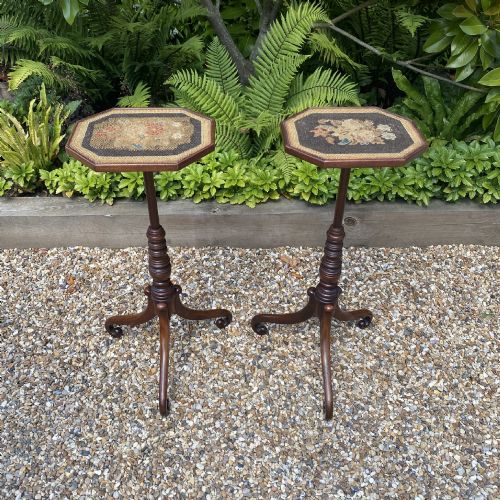
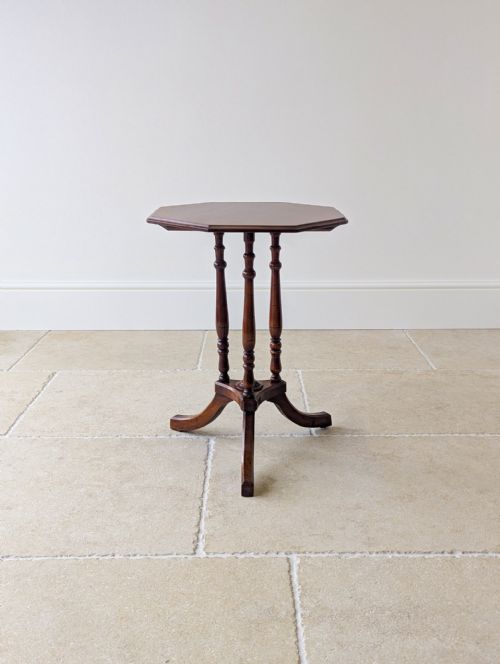
When searching for an octagonal candle stand, you encounter small occasional tables, wine tables, and lamp stands featuring multi-sided tops. These pieces span the eighteenth, nineteenth, and early twentieth centuries, encompassing Georgian, Regency, and Victorian periods.
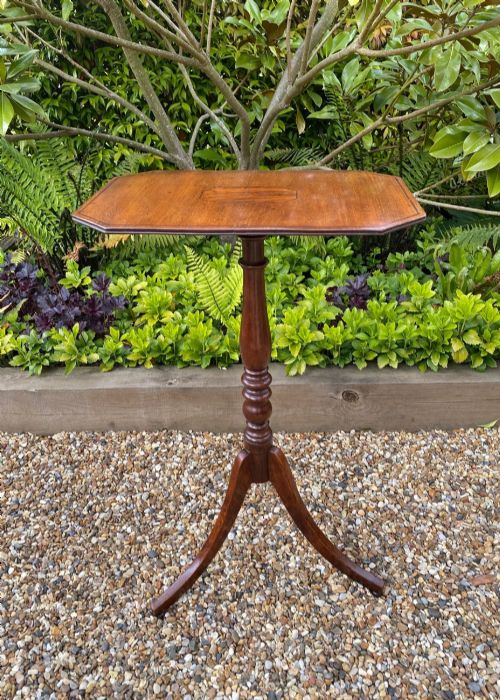
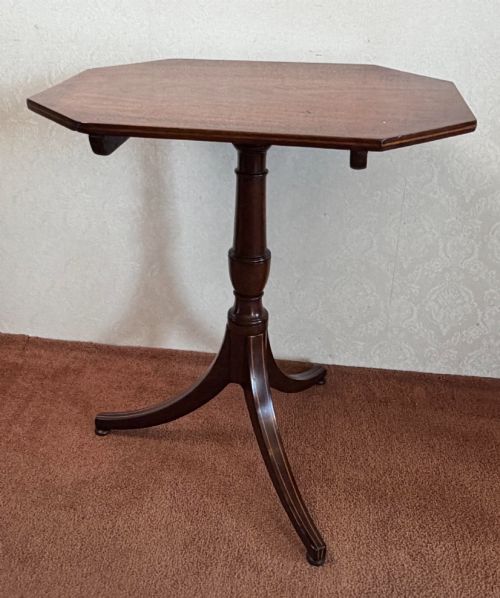
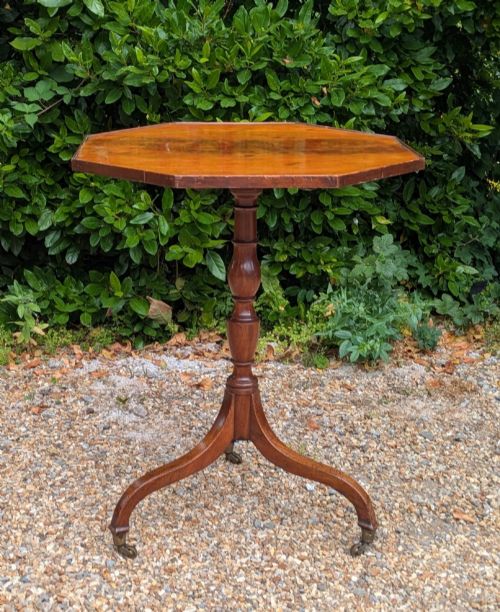
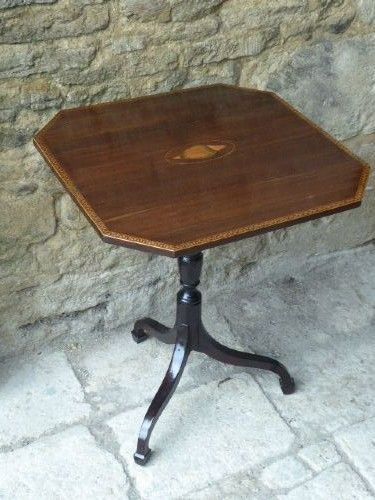
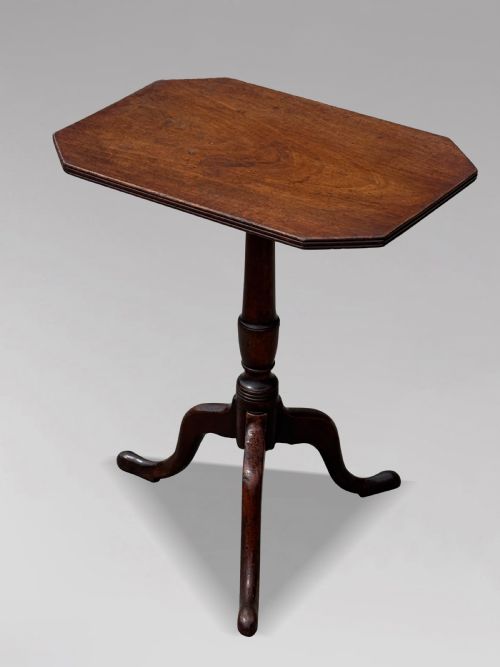
The version most frequently met on this page is the mahogany tripod table, often with a tilt-top mechanism or delicate boxwood stringing. Alongside these sit occasional tables in satinwood, oak, and burr elm, originating from English and Scandinavian workshops.
Materials and construction methods
Cabinet makers utilised dense hardwoods such as mahogany, oak, and walnut for structural stability, frequently employing veneer and wood inlay to decorate the surfaces. Satinwood and boxwood appeared as contrasting elements, creating geometric stringing and decorative motifs like compass roses.
Tripod bases were joined to central pillars using traditional turning and tenon techniques, whilst tilt-top mechanisms relied on hinged brass or iron catches allowing the table top to fold flat when not in use.
Octagonal Candle Stand Retail Price Guide 2026
Typical asking prices for octagonal candle stand among the pieces listed under this phrase on Sellingantiques today, from the lower quarter to the upper quarter. They describe what is for sale here now, not the wider market.
Tables recorded here include an inlaid compass rose to guide your evening path.
Distinguishing quality in construction
Superior examples reveal themselves in the crispness of the timber selection and the precision of the edge profiling on the octagonal top. The grain alignment across a tilt-top surface and the subtlety of boxwood inlay distinguish workshop standards.
Stability rests upon the proportional balance between the central pillar and the three splayed legs, where tight joinery prevents wobble without relying on modern structural reinforcements.
The Octagonal Candle Stand Glossary
- Tilt-top
- A hinged tabletop mechanism allowing the surface to be rotated and stored vertically against the pedestal when not in use.
- Tripod base
- A support structure comprising three legs radiating from a central turned column.
- Stringing
- Thin inlaid lines of contrasting wood, such as boxwood, set flush into the surface of a table top or leg.
- Torchere
- A tall, slender stand designed specifically to elevate a candle or lamp above floor level.
- Veneer
- A thin layer of fine wood applied over a secondary timber base to provide a decorative exterior appearance.
Octagonal Candle Stand: Frequently Asked Questions
What were octagonal candle stands used for?
These compact tables held candles or oil lamps to illuminate specific areas of a room before the advent of electric lighting.
Over time, their convenient proportions led to them being utilised as wine tables, lamp tables, or small side surfaces for daily living.
How do I distinguish a Georgian period stand?
Georgian pieces typically display solid mahogany construction, restrained carving around the pillar, and precise hand-cut joinery.
They rely on proportion and timber grain rather than heavy ornamentation to establish their aesthetic character.
How do I care for a wood table surface?
Keep wooden surfaces away from direct sunlight and rapid temperature fluctuations to prevent the timber or veneer from splitting.
Apply natural beeswax periodically and buff gently with a soft cloth to maintain the lustre of the historic finish.
What is the purpose of a tilt top?
The tilting mechanism allowed servants to clear floor space quickly in smaller rooms once evening entertaining concluded.
Today, this feature remains a testament to ingenious period hardware and permits closer inspection of the underside construction.