
Oak Pedestal Stand
An oak pedestal stand provides a sturdy structural support for displaying sculptures, plants or lamps.
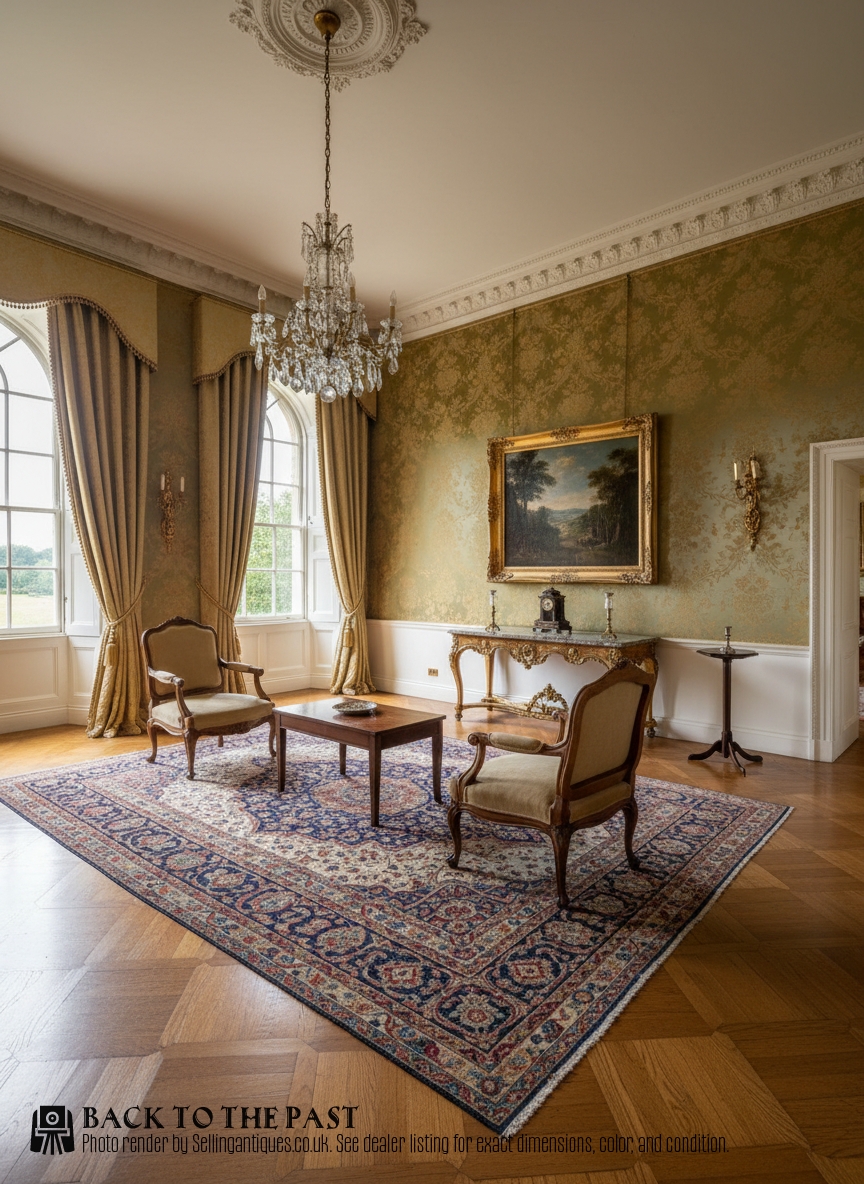
Oak Pedestal Stand
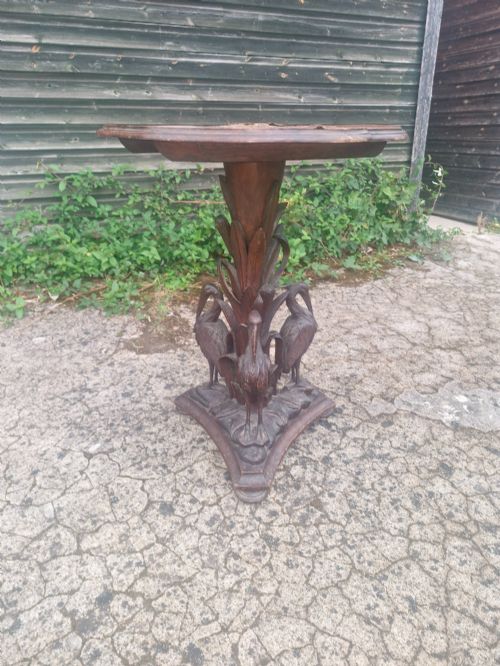
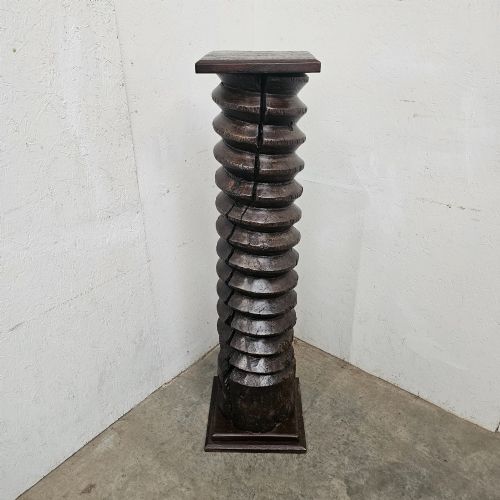
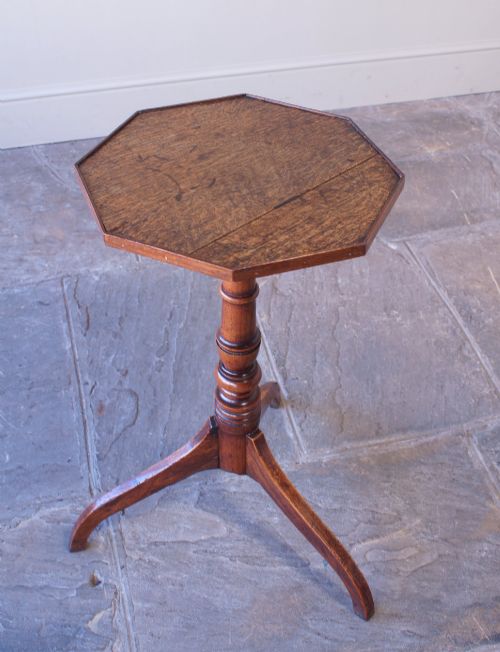
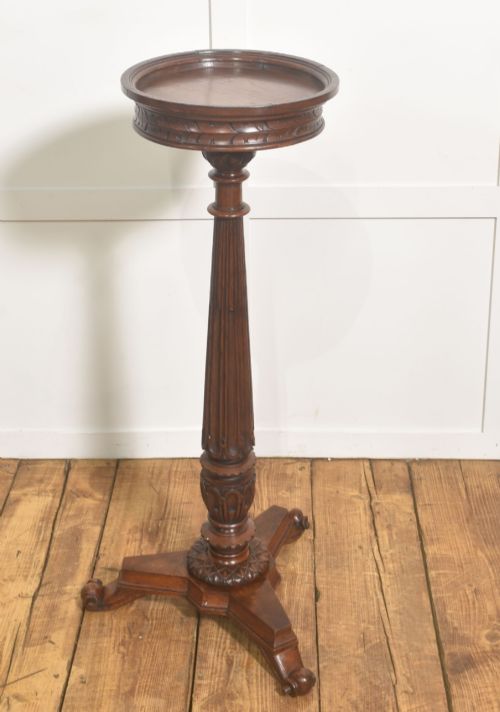
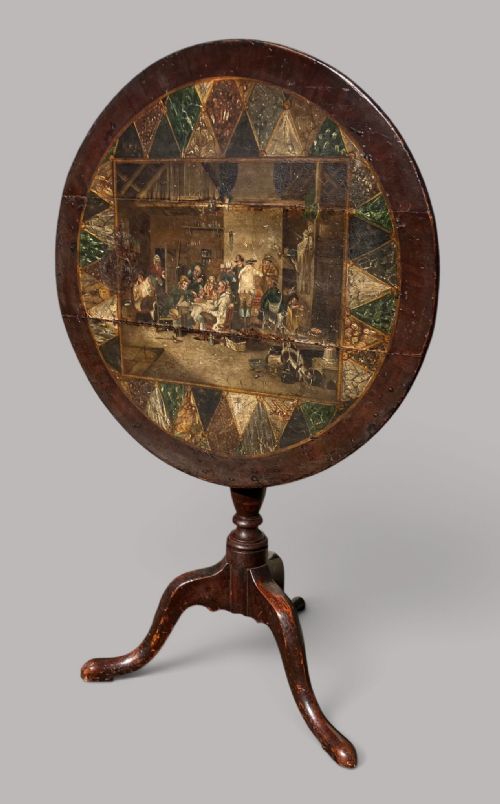
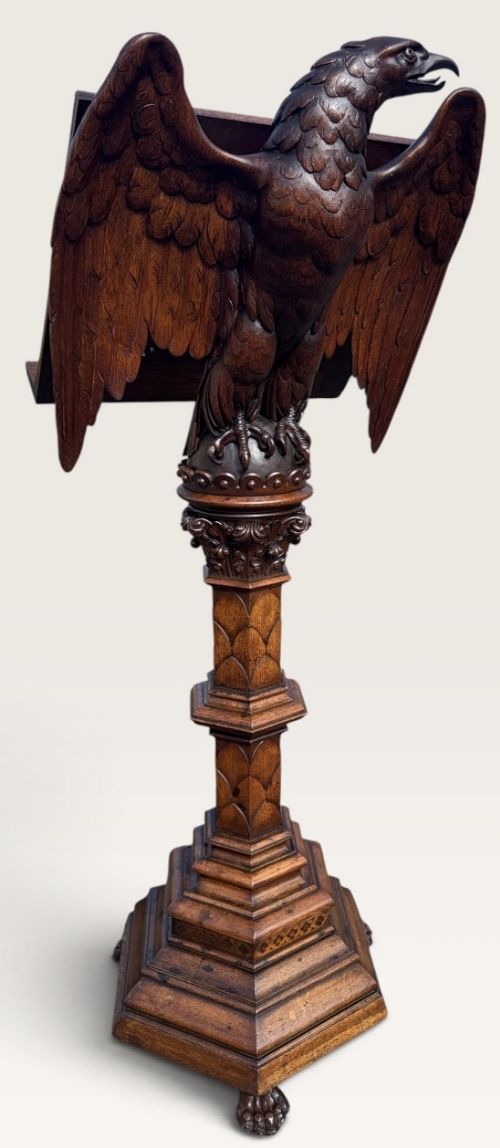
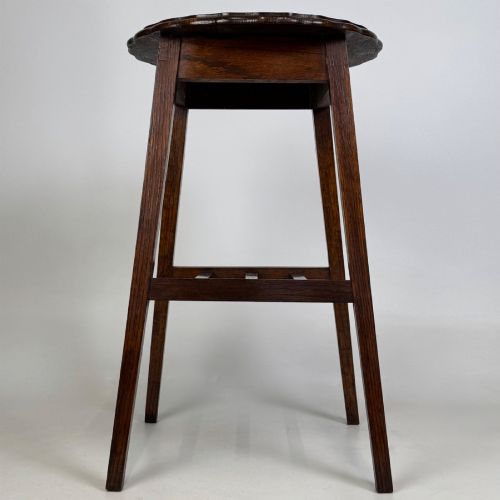
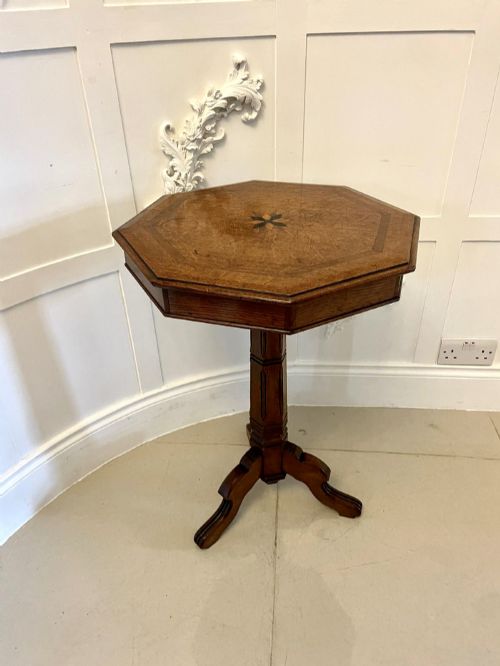
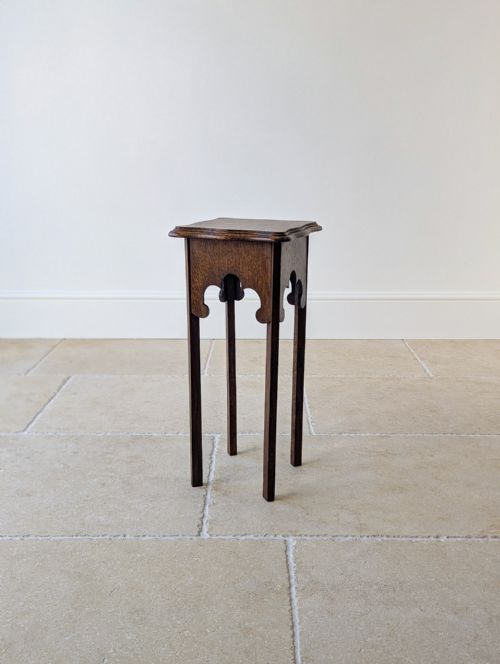
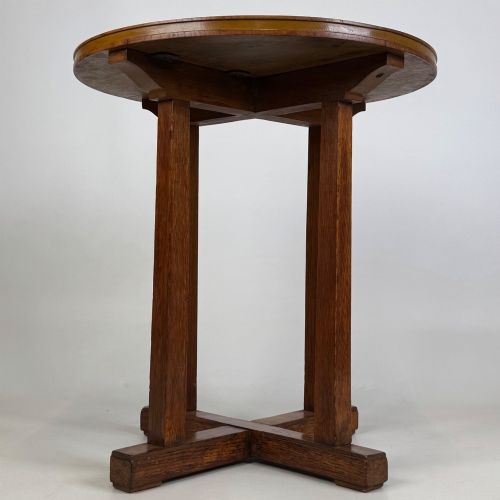
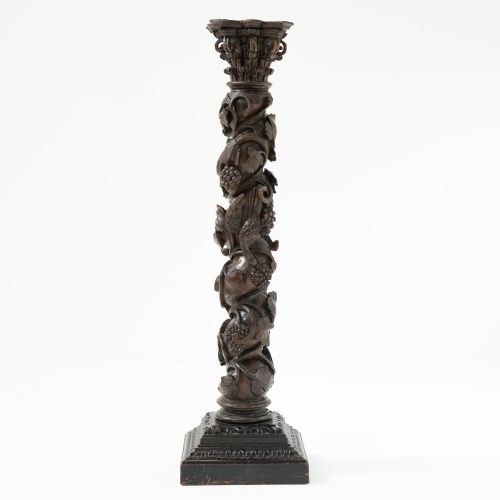
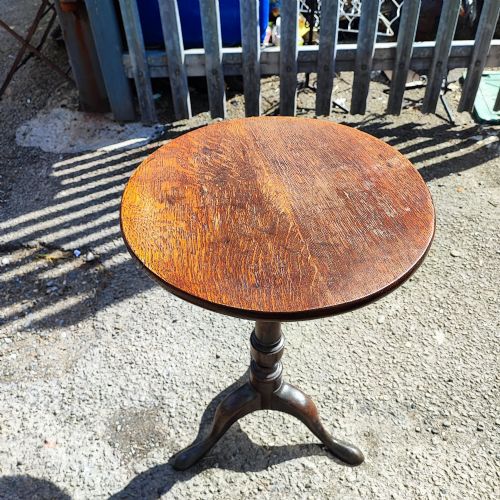
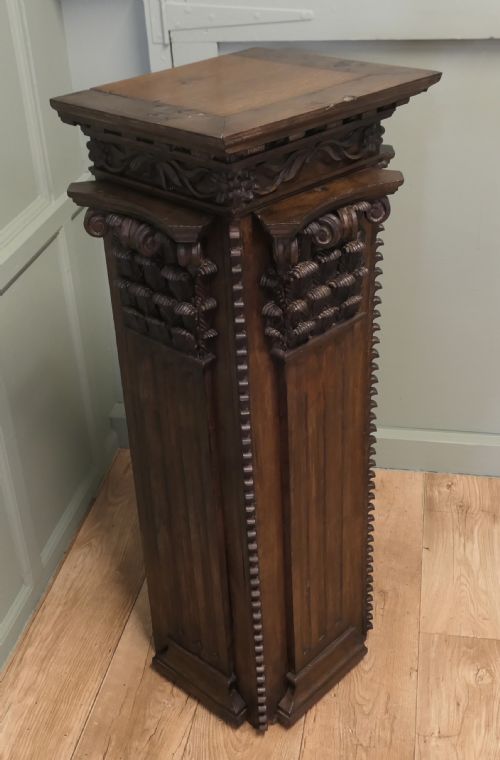
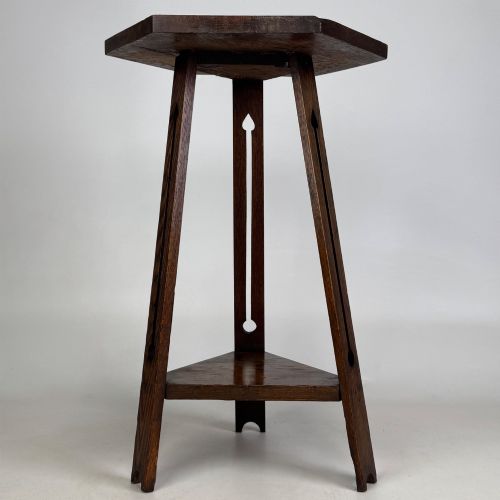
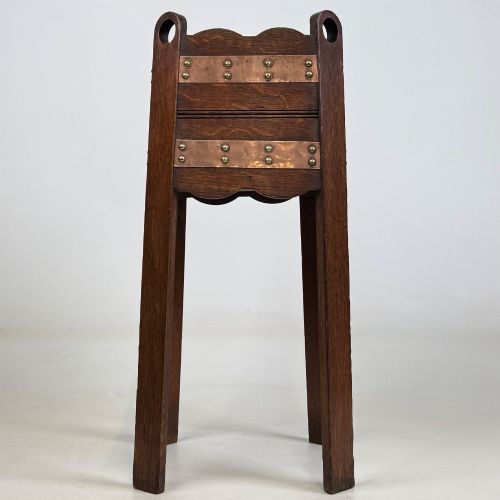
An oak pedestal stand encompasses various elevated supports, columns, and small tables designed to hold decorative objects or lighting. The selection spans centuries of craftsmanship, ranging from simple 18th-century vernacular tripod tables to heavily carved Victorian Gothic columns and Edwardian Arts & Crafts plant stands.
Buyers frequently encounter tripod wine tables, torchieres, and column display pedestals constructed primarily from solid timber. These utilitarian yet decorative pieces appear alongside related occasional furniture such as side tables and revolving bookcases.
Origins stretch across Georgian, Victorian, and Edwardian eras, reflecting changing domestic fashions for display furniture. Pieces from the 18th century often feature tilt-top mechanisms and tripod legs, whereas later Victorian and Edwardian examples lean towards Gothic revival details or clean Arts & Crafts lines.
Materials and construction
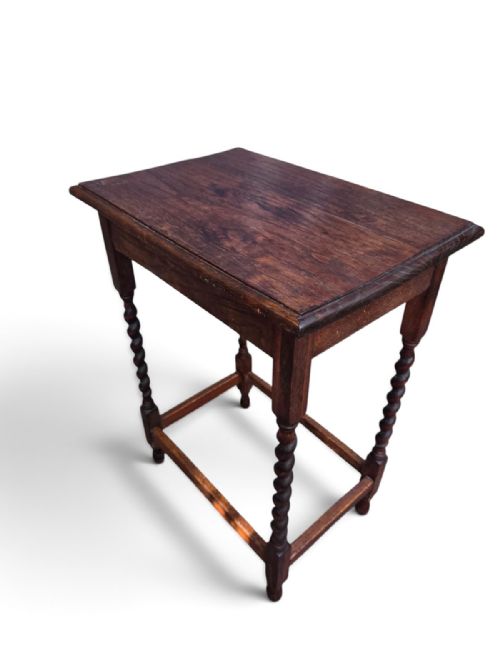
Cabinet makers relied predominantly on native oak, occasionally selecting burr oak for figuring or combining the timber with secondary elements like brass, iron, and ceramic. Turning lathes produced barley twist columns and slender stems, while hand carving yielded decorative motifs such as linenfold or Gothic tracery.
Joinery methods varied according to the period, employing traditional pegging, dovetailing, and pivoting tilt-top actions. Surfaces received wax finishes or simple polish to highlight the natural grain and figuring of the hardwood without obscuring its texture.
Form variations range from tilt-top wine tables and revolving bookcases to Gothic display columns and shaving stands.
Assessing craftsmanship
The distinction between ordinary utility items and exceptional pieces rests upon the crispness of hand carving and the proportional balance of the column or legs. Superior examples display thoughtful timber selection, ensuring harmonious grain patterns across table tops and pedestals.
Structural integrity dictates longevity, distinguishing well-pegged joints and stable tripod bases from loose or heavily repaired frames. Original surfaces, patination, and the absence of inappropriate modern replacements preserve the historical character of older examples.
Baillie Scott·Horrocks Standard Company
The Oak Pedestal Stand Glossary
- Tripod table
- A small occasional table supported by three legs radiating from a central pillar. These portable items served varied domestic functions as wine or lamp tables.
- Torchere
- A tall decorative stand or candlestick holder designed to elevate a light source or decorative ornament. Originating in the 17th century, later examples adopted Gothic or classical revival motifs.
- Tilt-top
- A tabletop hinged to its pedestal base, allowing the surface to fold vertically when not in use. This clever mechanism saved valuable floor space in compact historic rooms.
- Barley twist
- A cylindrical wooden column carved in a spiral rotation resembling twisted barley sugar. Popularised during the 17th century, the style saw a strong revival in Edwardian furniture.
- Jardiniere stand
- A specialised piece of furniture built to hold a plant container or flower pot. They frequently incorporate waterproof liners or tiered platforms to display greenery.
Oak Pedestal Stand: Frequently Asked Questions
What is an oak pedestal stand used for?
These versatile furnishings traditionally elevated lamps, decorative ceramics, sculptures, or potted plants above floor level to improve visibility and room lighting.
Today, collectors utilise them in hallways, living rooms, and studies as functional accent surfaces or display columns that showcase special objects.
How do I date an oak pedestal stand?
Dating relies on observing construction techniques, tool marks, timber selection, and stylistic details associated with periods like the Georgian, Victorian, or Edwardian eras.
Hand-cut joints, original fixings, and period-specific decorative motifs such as Gothic tracery or Arts & Crafts simplicity provide reliable chronological indicators.
Are tilt-top tables stable?
A well-adjusted tilt-top mechanism locks securely into the horizontal position using a wooden catch or metal latch, ensuring the surface remains firm during daily use.
Wear to the pivoting block or locking pin can cause slight wobbling over time, though traditional maintenance methods easily correct these minor alignment issues.
How do I care for antique oak furniture?
Preserving the timber involves maintaining stable indoor humidity levels and avoiding direct placement near heat sources or strong sunlight, which causes wood to dry and crack.
Applying a traditional beeswax polish periodically nourishes the grain and enhances the natural patina without building up synthetic residues.