


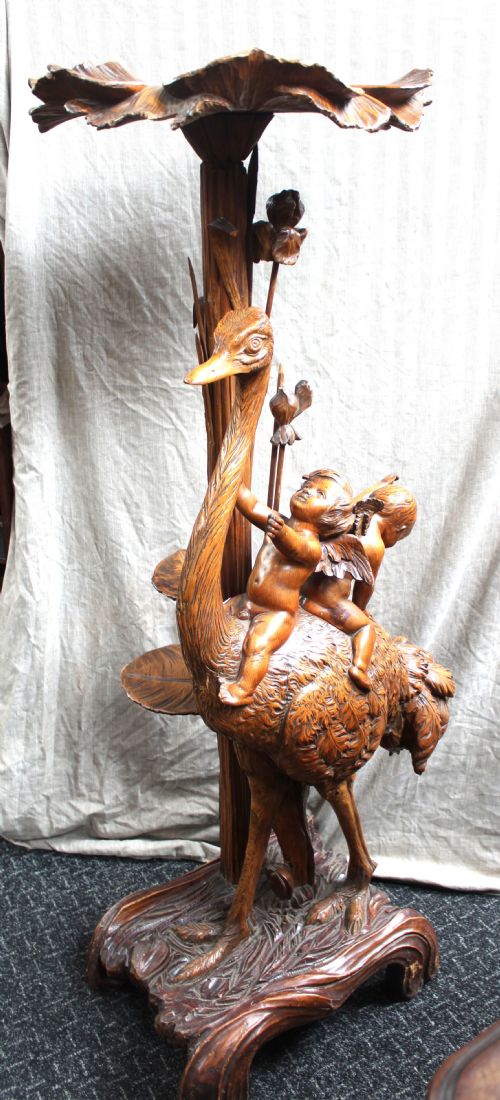


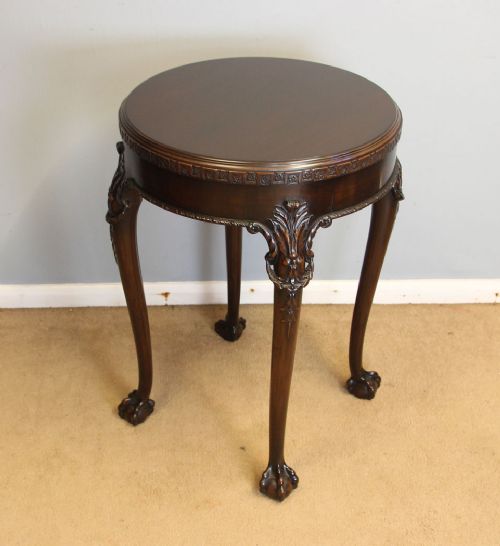

Brown Wood Jardiniere Stand
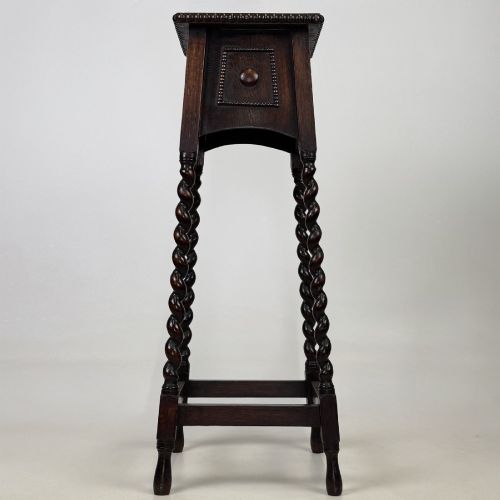
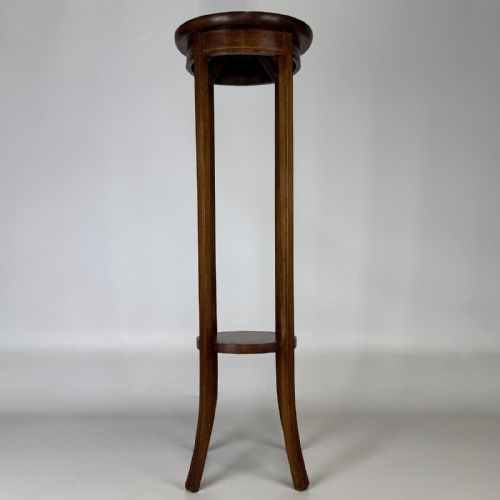
A brown wood jardiniere stand elevates your greenery using period timber, showing the crafted forms that Victorian and Edwardian makers preferred for plant display.
Brown Wood Jardiniere Stand
A brown wood jardiniere stand serves primarily as an elevated surface for indoor plants, displaying pots and flower urns at convenient heights. These pieces span multiple decades, appearing frequently in Edwardian and Victorian iterations.
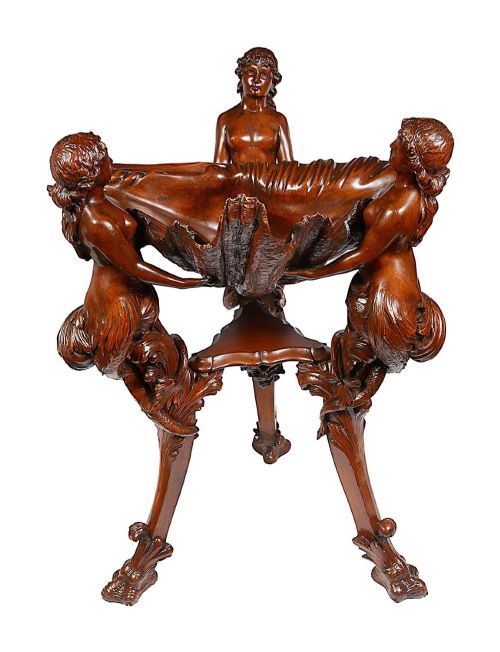
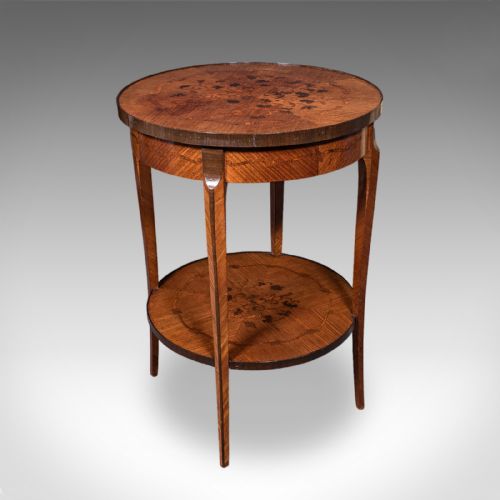
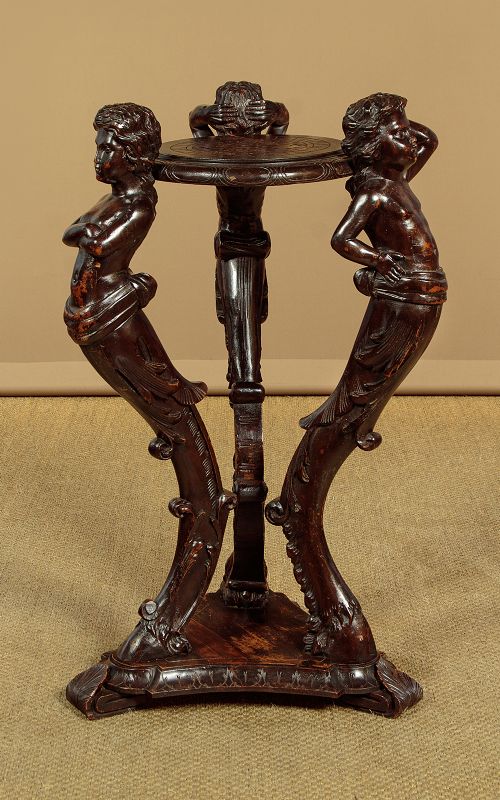
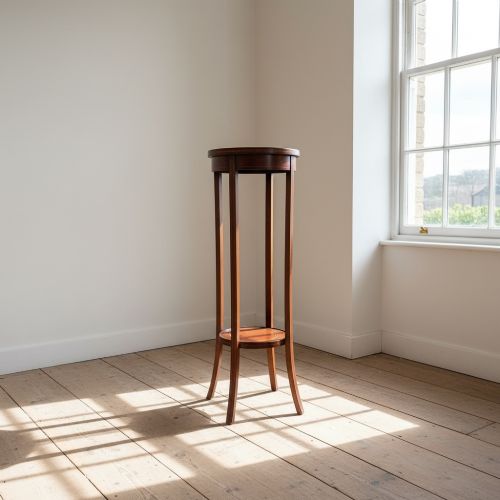
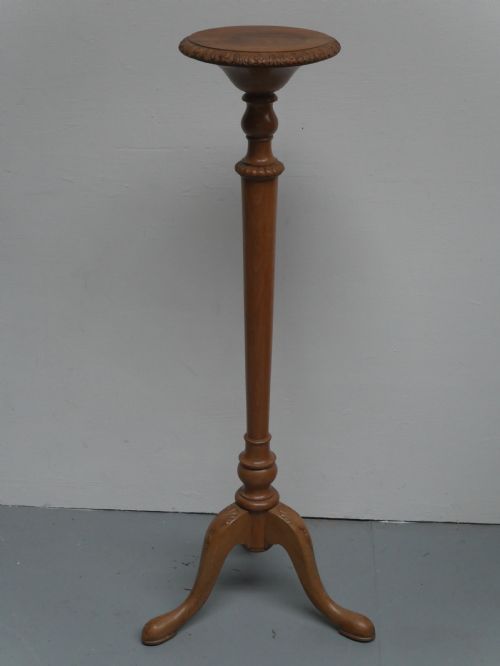
The inventory on this page ranges from tall pedestals and torchieres to lower occasional tables and two-tier plant stands. Forms include octagonal tops, tripod bases, and carved display tables designed to hold heavy planters securely.
Origins vary across the selection, encompassing English mahogany and walnut pieces alongside Chinese hardwood examples and French Belle Epoque designs. Buyers encounter everything from simple turned columns to heavily carved surfaces.
How they were made
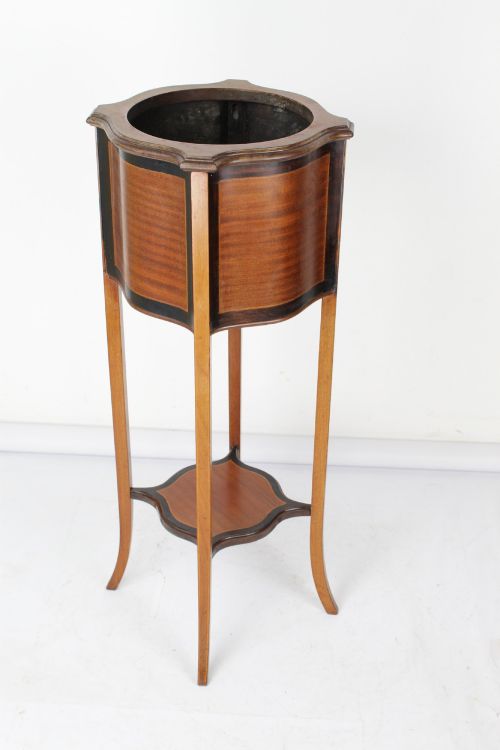
Craftsmen utilised solid timbers such as mahogany, walnut, elm, and exotic hardwoods to construct these stands, frequently employing turned or carved techniques. Selected pieces incorporate contrasting boxwood inlay to define the surface geometric patterns.
Certain stands integrate inset marble tops or brass liners to protect the wood from dampness and water spills originating from the plants. Structural joinery ranges from simple tripod arrangements to multi-tier shelving supported by robust pillars.
Brown Wood Jardiniere Stand Retail Price Guide 2026
Typical asking prices for brown wood jardiniere stand among the pieces listed under this phrase on Sellingantiques today, from the lower quarter to the upper quarter. They describe what is for sale here now, not the wider market.
Listings feature mahogany, walnut, and hardwood across Victorian and Edwardian periods.
What varies in quality
The depth and execution of the carved detail separate standard production pieces from finer examples, particularly in Arts and Crafts or Renaissance Revival styles. Crisp lines in the foliage motifs and balanced proportions indicate superior cabinetmaking.
Material selection dictates the tier of the piece, where dense figured mahogany or fine walnut veneers outclass basic secondary timbers. Integration of secondary elements like brass fittings or marble inserts elevates the overall standard of construction.
Liberty and Co
The Brown Wood Jardiniere Stand Glossary
- Jardiniere
- An ornamental pot or container for plants, which sits upon or integrates directly into these stands.
- Torchiere
- A tall stand or pedestal originally designed to support a light source, frequently utilised for plant display.
- Inlay
- A technique where contrasting materials such as boxwood are inserted into the wood surface to form decorative patterns.
- Tripod base
- A three-legged support structure commonly found on nineteenth century plant stands and occasional tables.
Brown Wood Jardiniere Stand: Frequently Asked Questions
What is a jardiniere stand?
A jardiniere stand is a piece of furniture designed to elevate potted plants and flower containers above floor level.
These pieces use sturdy wooden construction to support heavy earthenware or ceramic planters safely indoors.
How were plant stands used?
Victorian and Edwardian homes utilised these stands in reception rooms and hallways to display indoor flora near natural light sources.
They also functioned as display surfaces for decorative urns, lamps, and occasional objects.
How do I identify an Edwardian stand?
Edwardian stands often feature lighter mahogany timbers, delicate boxwood inlay, and refined structural proportions.
They tend to lack the heavier ornamentation seen in earlier Victorian pieces, favoring cleaner lines instead.
Can these stands hold heavy pots?
Most period stands are built from dense hardwoods like mahogany and walnut, providing natural stability for heavy containers.
Models featuring marble tops or solid tripod bases offer particular resistance against tipping under weight.