

Vintage Oak Pedestals
These vintage oak pedestals bring sturdy character and practical surface space to any room, combining robust timber with enduring period design.
Vintage Oak Pedestals
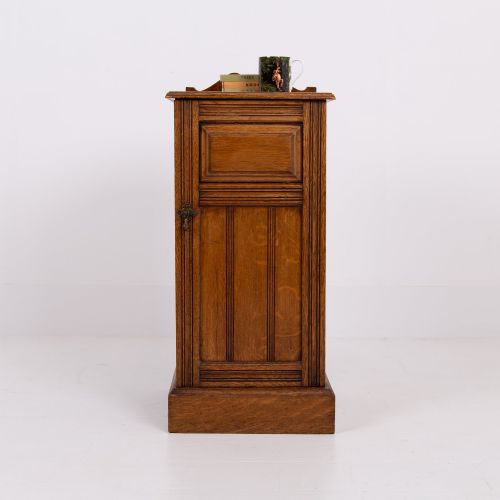
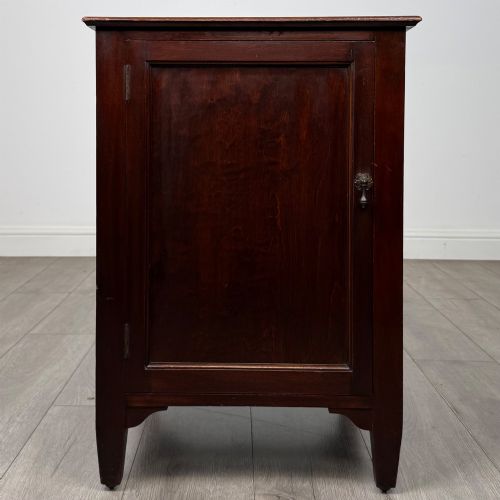
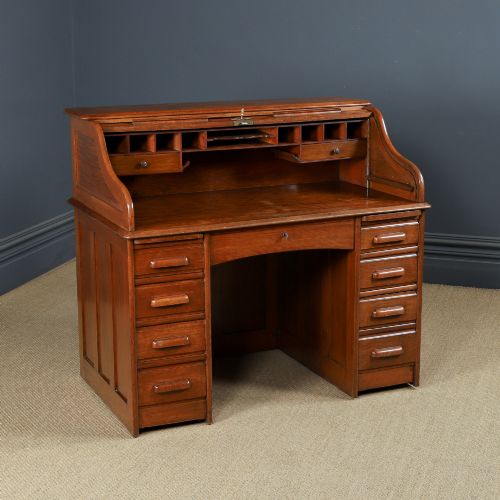
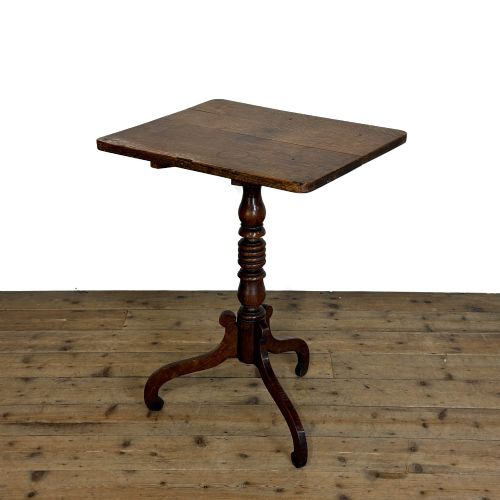
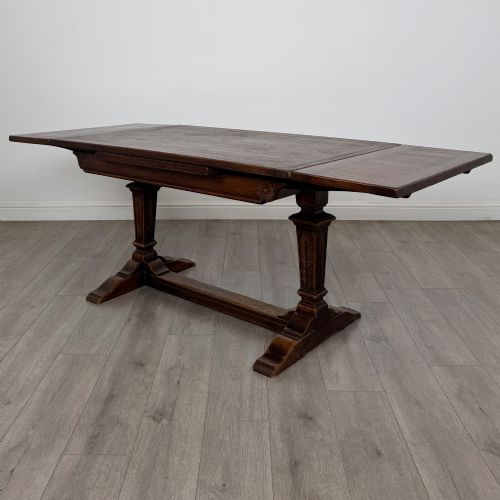
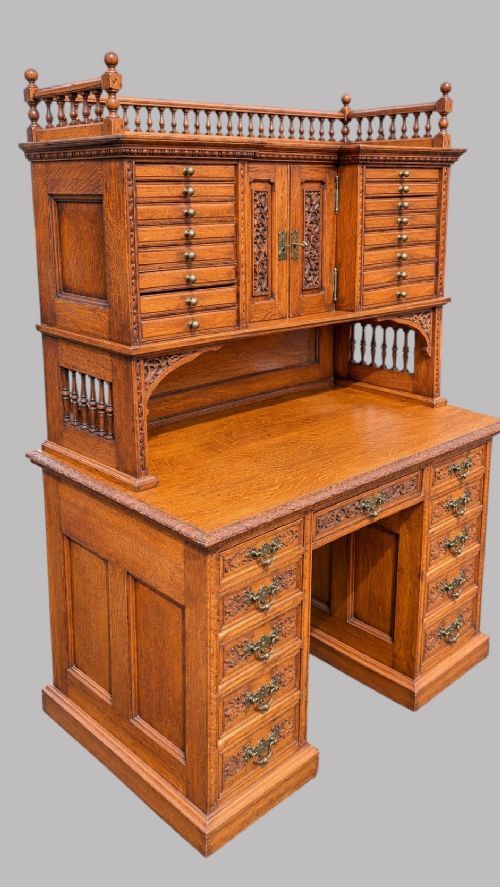
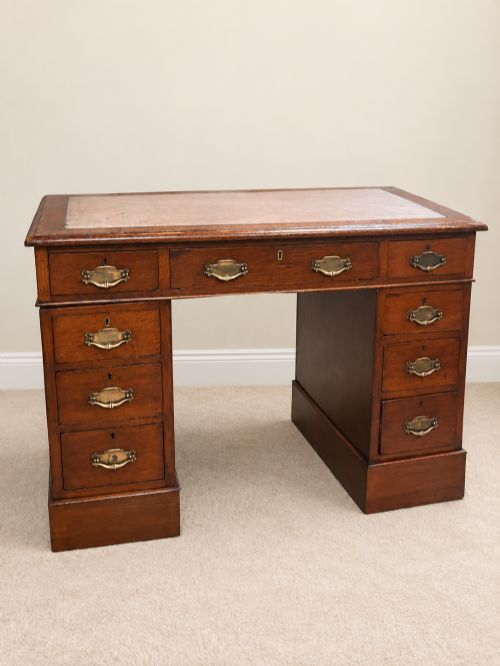
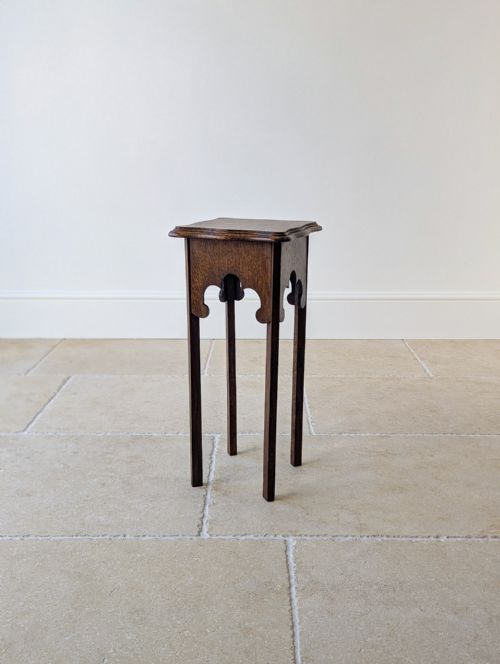
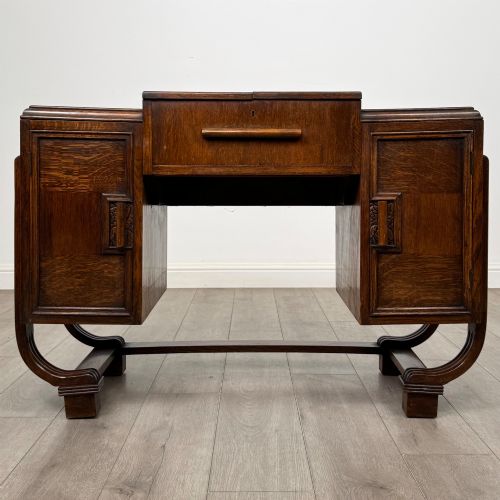
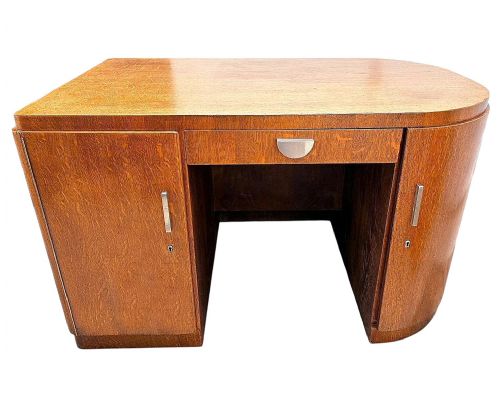
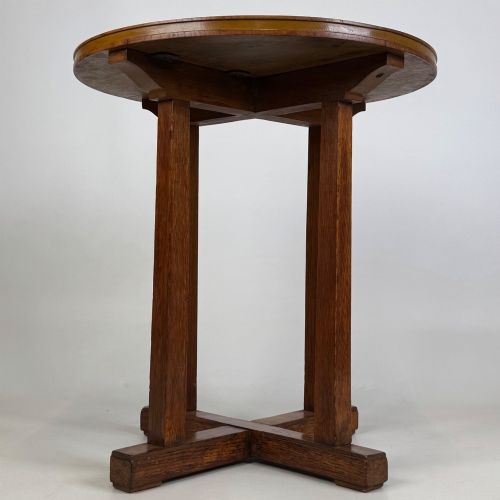
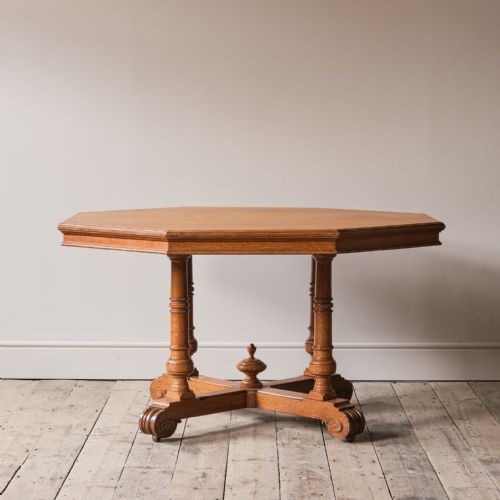
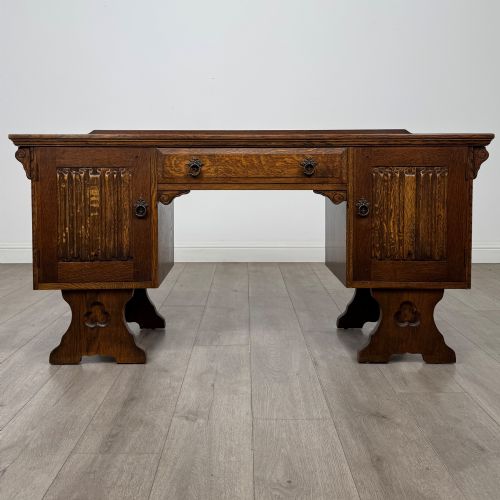
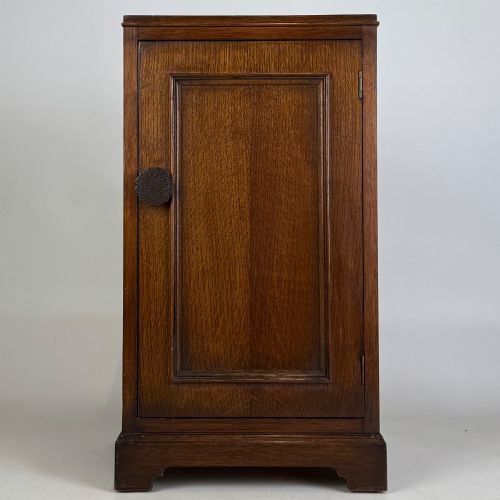
When you search for vintage oak pedestals, you find a varied selection of functional furniture and display pieces spanning the nineteenth and twentieth centuries. The items range from substantial partners desks and kneehole desks to plant stands, jardiniere stands, and column display pedestals.
The selection includes pieces created during the Victorian, Edwardian, and Art Deco eras, alongside items reflecting Jacobean Revival and Arts and Crafts styles. Buyers frequently encounter oak desks and display columns that reflect the solid utility demanded by period offices and domestic interiors.
How they were made
The construction relies primarily on solid oak, frequently paired with secondary timbers and accented by brass handles, iron fittings, and leather inserts. Cabinet makers utilised traditional joinery methods to build durable frames, pedestals, and drawer systems that withstand daily use.
Surface decoration often incorporates hand-carved details such as linenfold panels, fruiting vine motifs, and barley twist turnings. Certain items also combine oak with burr walnut veneers or incorporate ceramic and glass elements for added visual contrast.
The listings span eight distinct periods, from the Victorian era through the 1930s, using oak alongside brass, leather, and burr walnut.
What varies in quality
The distinction between tiers of quality rests upon the crispness of the timber carving and the architectural proportion of the pedestal or base. Superior examples demonstrate thoughtful grain selection, particularly where burr walnut highlights the primary oak structure.
Original hardware, smoothly operating drawers, and intact leather writing surfaces elevate a piece above standard utilitarian examples. The integrity of the foundational joinery and the restraint applied to decorative carving define the overall standard of each item.
The Vintage Oak Pedestals Glossary
- Pedestal
- A structural support base or column that elevates a desk, table, or display piece.
- Kneehole desk
- A writing table featuring a central recess for the legs, flanked by pedestals containing banks of drawers.
- Jardiniere stand
- A tall decorative plant stand designed to display potted flowers or foliage indoors.
- Linenfold
- A style of wood carving that imitates folded fabric, popular on panels of period cabinets and desks.
- Tambour
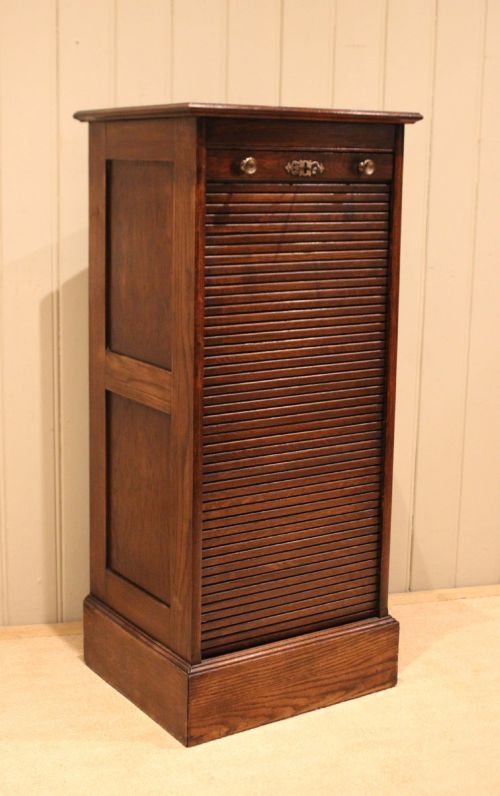
- A flexible sliding door formed of narrow strips of wood glued to a canvas backing, seen on filing cabinets and desks.
Vintage Oak Pedestals: Frequently Asked Questions
Where were these pieces used?
These pieces served primarily in formal libraries, private studies, and professional offices during the nineteenth and early twentieth centuries. Desks and filing cabinets organised paperwork, while plant stands and column pedestals displayed decorative items in domestic halls.
Over time, many of these utilitarian items transitioned into domestic living spaces and home offices. Their robust construction allows them to continue fulfilling both display and workspace functions today.
How do I date a piece?
Dating relies upon observing stylistic indicators such as carved motifs, hardware types, and overall cabinet construction methods. Pieces from the Victorian era often display heavier carving and Gothic or Renaissance revival influences, whereas Edwardian and Arts and Crafts examples favour simpler lines.
Art Deco items introduce modernist geometric shapes, and 1930s pieces frequently showcase streamlined surfaces. Comparing the primary timber, such as oak, with secondary woods and brass fittings helps confirm the production period.
How do I clean oak furniture?
Maintenance requires gentle dusting with a soft, dry cloth to remove surface particles without disturbing the grain or finish. Avoid using silicone-based polishes or harsh chemical sprays, which can build up residue and dull the timber over time.
Applying a traditional beeswax periodically helps nourish the oak and preserves the natural lustre of the surface. Keeping the timber away from direct heat sources and strong sunlight prevents the wood from drying out or cracking.
Are these items suitable for daily use?
The sturdy nature of oak makes these pedestals, desks, and tables well-suited for everyday activities. Their solid construction easily accommodates modern writing equipment, laptops, and decorative display items.
Proper placement away from damp areas and extreme temperature fluctuations ensures the wood remains stable. With sensible care, these functional antiques endure heavy use while retaining their period charm.