


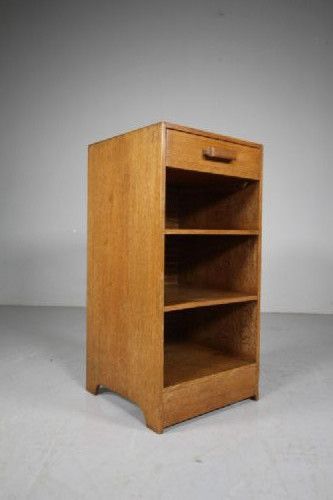
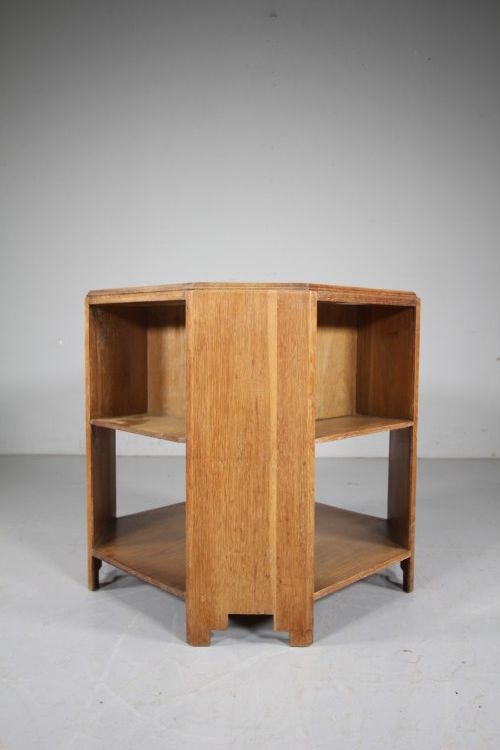
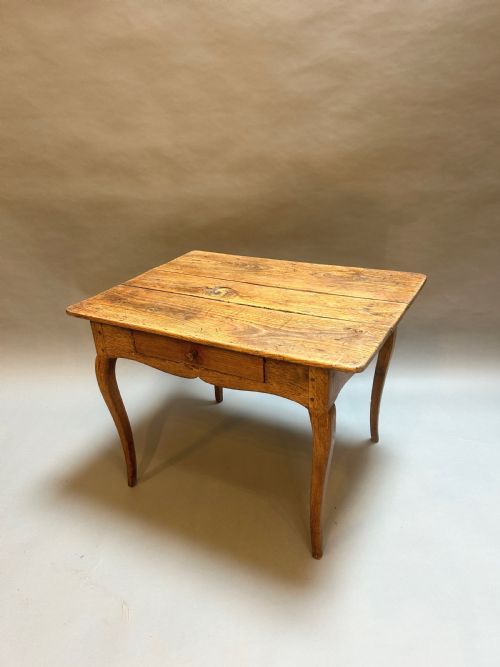


Light Oak Nightstand
A light oak nightstand brings pale warmth and tidy bedside storage to a room, drawing on decades of craftsmanship from the Georgian era through to the nineteen thirties.
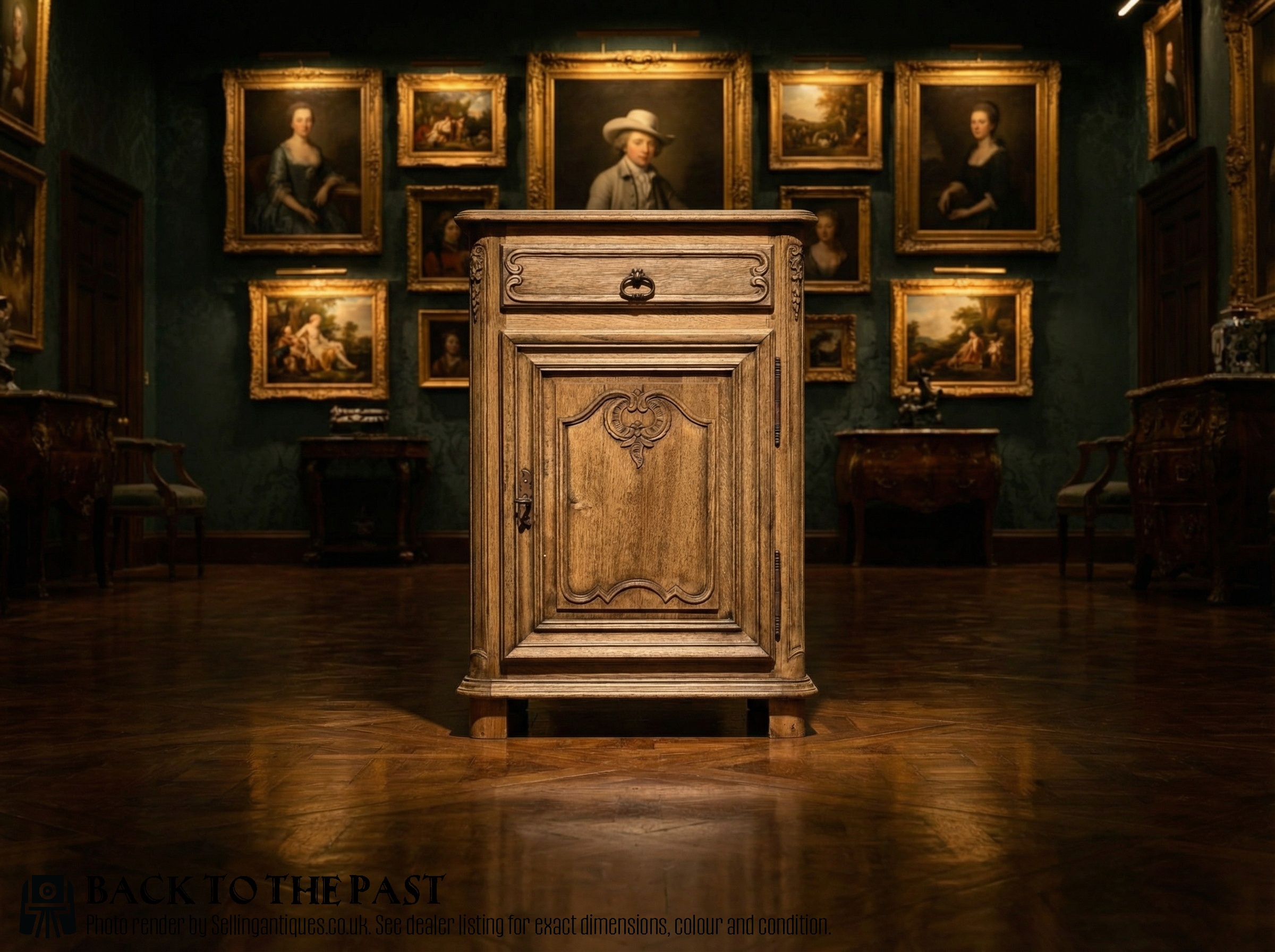
Light Oak Nightstand
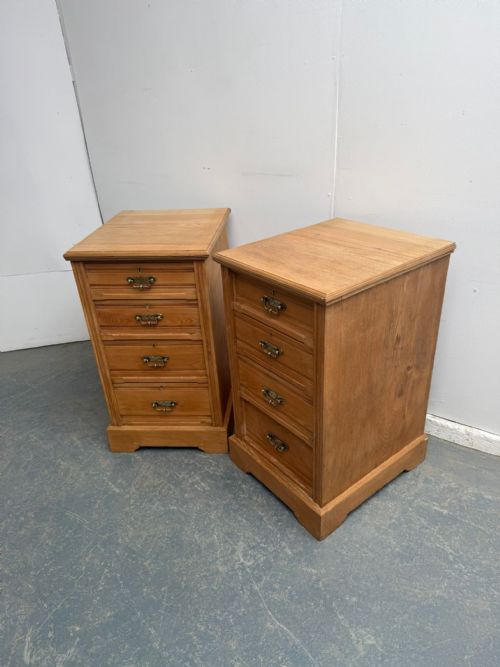
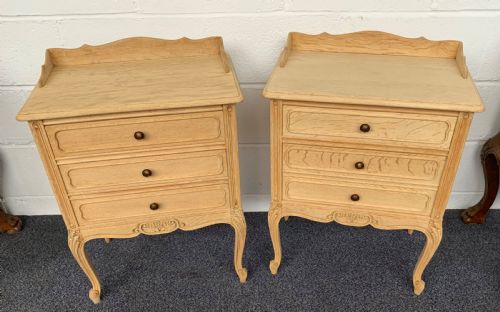
A light oak nightstand sits beside the bed, taking the form of bedside cabinets, chests of drawers, cupboards, and side tables. These pieces emerge from diverse traditions spanning the Georgian period, the Arts and Crafts movement, Art Deco, and French Provincial designs.
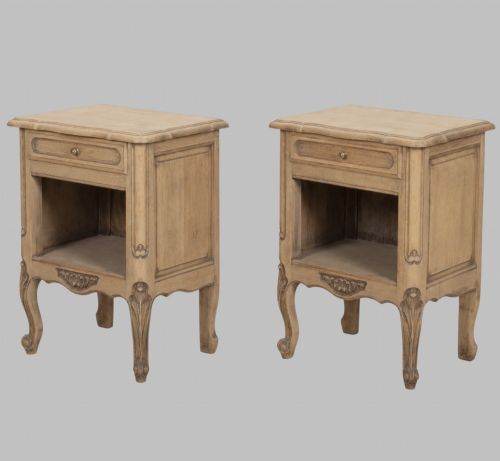
The inventory on this page leans heavily toward French bleached oak examples alongside British styles like Jacobean Revival and Heals pieces. Buyers encounter single items as well as matched pairs suited for symmetrical bedroom layouts.
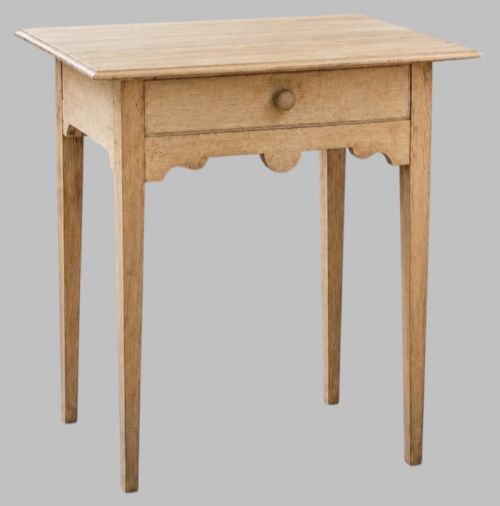
Forms range from simple open side tables to compact cabinets featuring multiple drawers, shelves, or small cupboards. Each variation serves the practical need for surface space and enclosed storage within arm's reach of the mattress.
Factors of quality
The distinction between standard utility items and finer pieces lies in the choice of timber selection, the crispness of carved details or turned supports, and the integrity of the joinery. Matched pairs command particular attention for their consistency in tone and proportion.
Proportion and hardware integration separate basic workshop items from signed pieces by notable makers or respected retailers. The depth of the bleached finish and the preservation of original drawer linings also influence the overall standard.
Light Oak Nightstand Retail Price Guide 2026
Typical asking prices for light oak nightstand among the pieces listed under this phrase on Sellingantiques today, from the lower quarter to the upper quarter. They describe what is for sale here now, not the wider market.
Some nightstands hide small compartments originally designed to store pocket watches safely overnight.
Heals·Betty Joel
The Light Oak Nightstand Glossary
- Bleached oak
- Oak timber treated with chemical solutions to lighten its natural dark tone, producing a pale, neutral finish popular in French provincial furniture.
- Jacobean Revival
- A style popular in the nineteenth and early twentieth centuries that mimics seventeenth-century English furniture through heavy turnings and geometric mouldings.
- Arts and Crafts
- A design movement valuing honest construction, visible joinery, and the use of native timbers like oak and ash without excessive ornamentation.
- Bakelite
- An early synthetic plastic utilised for cabinet handles and fittings during the twentieth century, particularly on Art Deco designs.
- Side table
- A small occasional table used beside seating or beds for holding lamps and personal items.
Light Oak Nightstand: Frequently Asked Questions
How do I date a light oak nightstand?
Dating relies on examining construction techniques, hardware, and stylistic clues. Earlier Georgian and revival pieces show hand-cut joinery and heavier proportions, while nineteen thirties examples display cleaner modern lines.
Materials also offer guidance, as the use of bleached finishes and specific timbers like ash or oak helps align pieces with periods such as the Arts and Crafts movement or Art Deco era.
Are these nightstands sold as pairs?
Many listings feature matching pairs of bedside cabinets and chests, which suit symmetrical bedroom arrangements on either side of a bed. Single items also appear frequently for alternative layouts.
Checking individual descriptions confirms whether cabinets are offered as a matched pair or as a standalone piece.
What is bleached oak?
Bleached oak is timber that has undergone a whitening process to reduce the warmth of the natural grain. This treatment yields a pale, weathered appearance favoured in French provincial and rustic interior design.
It provides the durability of hardwood alongside a lighter aesthetic that brightens bedroom spaces.
How do I care for waxed oak furniture?
Waxed oak benefits from occasional applications of beeswax to nourish the timber and maintain a soft sheen. Avoid placing these tables near direct heat sources or excessive moisture to protect the finish.
Dusting with a dry cloth keeps the surface clean without stripping the protective wax coating.