


Oak Writing Desk Box
When you handle an oak writing desk box, you hold a compact piece of early utility designed for portable record-keeping.
Oak Writing Desk Box
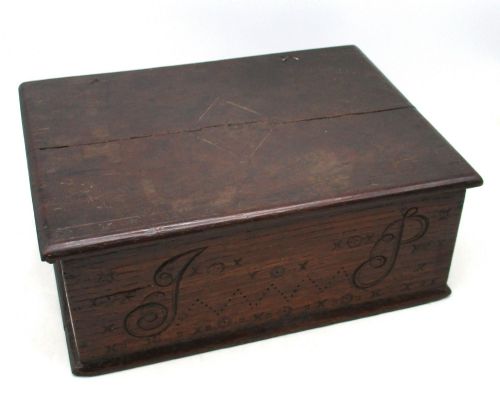
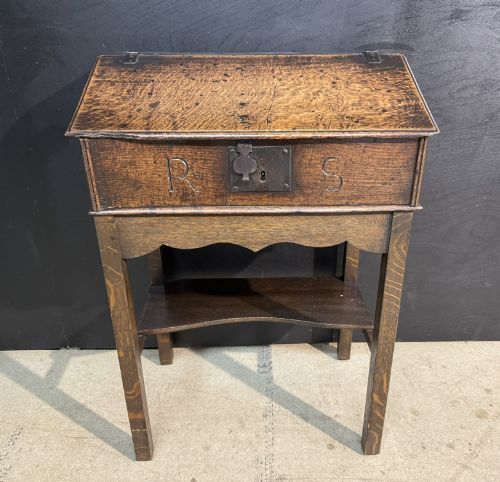
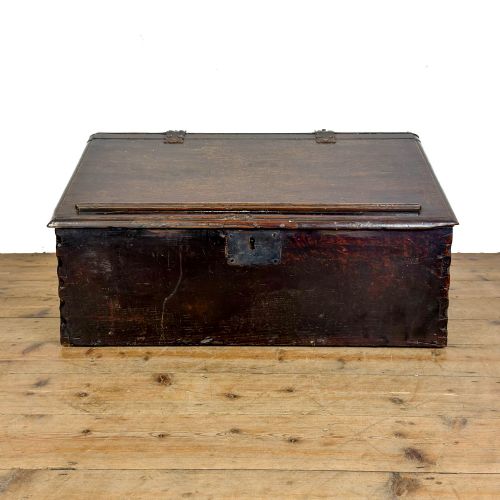
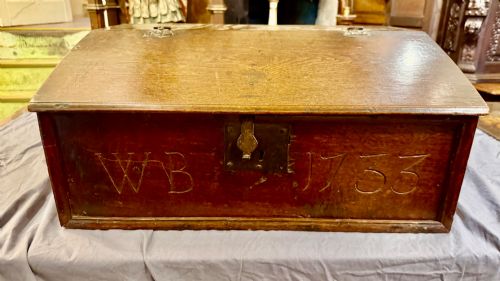
An oak writing desk box is a portable chest designed to hold writing materials, documents, and sacred texts, emerging frequently from the seventeenth and eighteenth centuries. These utilitarian items served literate households, clergy, and merchants who required a secure place for papers before dedicated writing furniture became common.
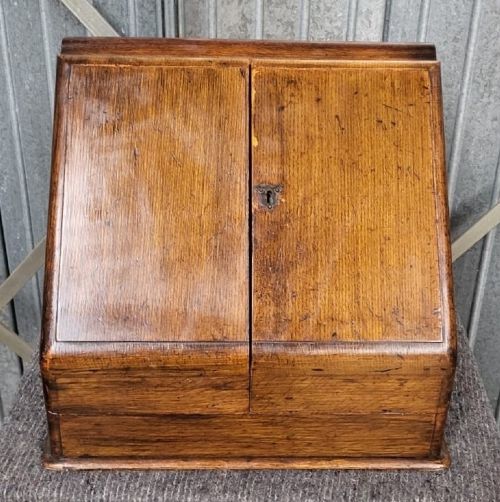
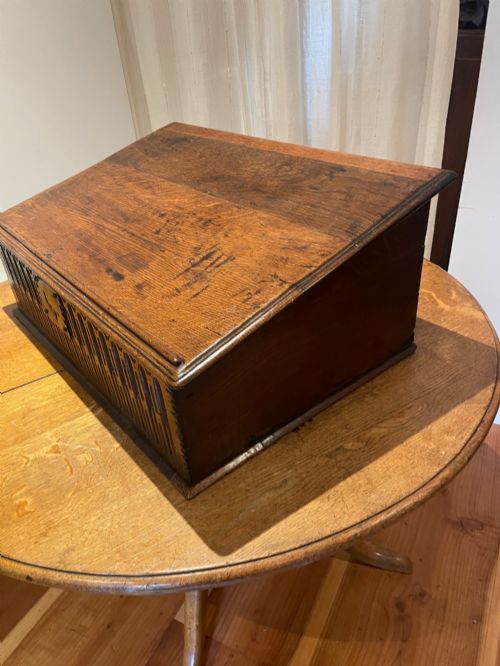
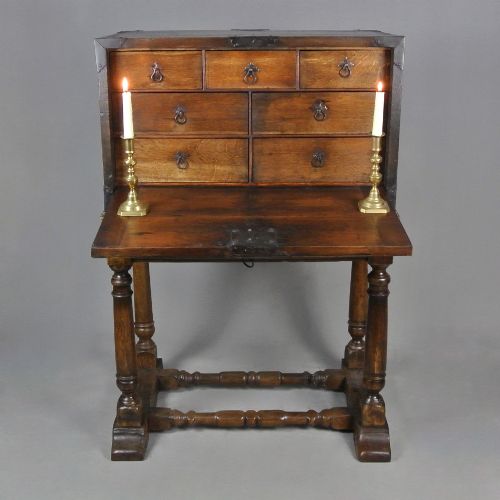
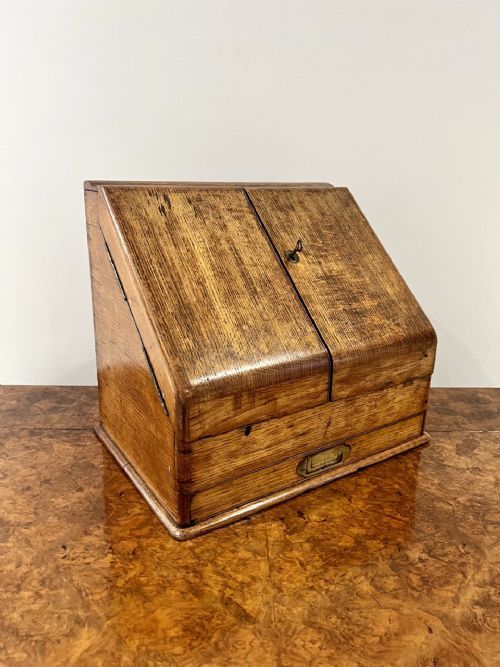
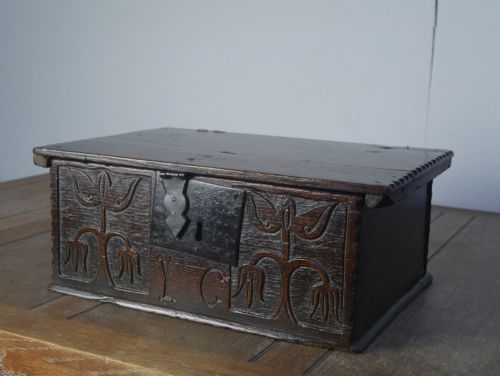
The versions most likely to appear on this page include seventeenth-century bible boxes, eighteenth-century document boxes with sloped or flat lids, and nineteenth-century stationery cabinets. Many of these pieces feature internal drawers or compartments tailored for ink, quills, and letters.
How they were made
The construction relies heavily on solid oak, sometimes utilising pollard oak for distinct grain patterns, alongside secondary timbers like holly and bog oak for inlay work. Cabinetmakers joined these robust wooden panels using traditional techniques suited to heavy daily use.
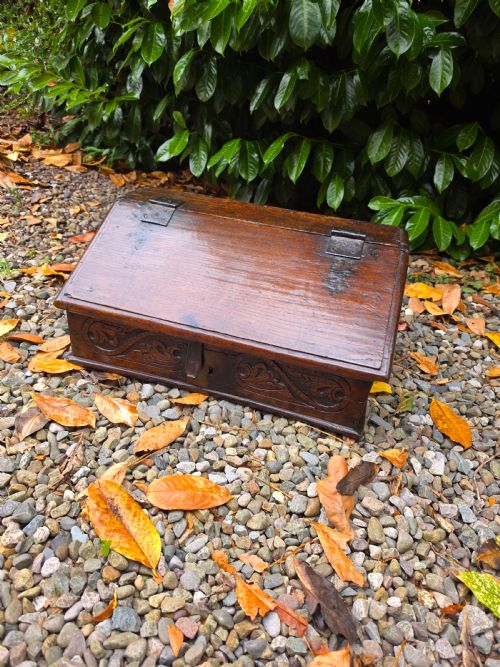
Metal hardware such as brass and iron hinges, locks, and handles reinforced the corners and secured the contents. Leather was also utilised in later writing slopes to provide a smooth surface for penmanship.
Oak Writing Desk Box Retail Price Guide 2026
Typical asking prices for oak writing desk box among the pieces listed under this phrase on Sellingantiques today, from the lower quarter to the upper quarter. They describe what is for sale here now, not the wider market.
Listings span from seventeenth-century joined oak bible boxes to nineteenth-century pollard oak stationery cabinets and Victorian walnut-trimmed variations.
What varies in quality
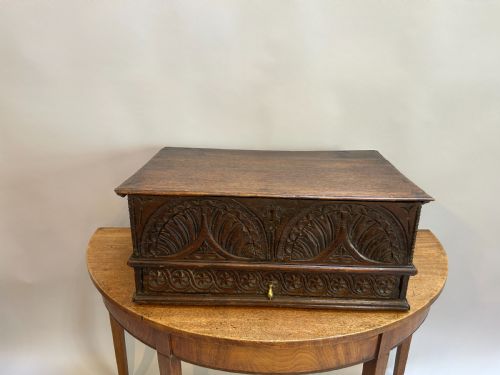
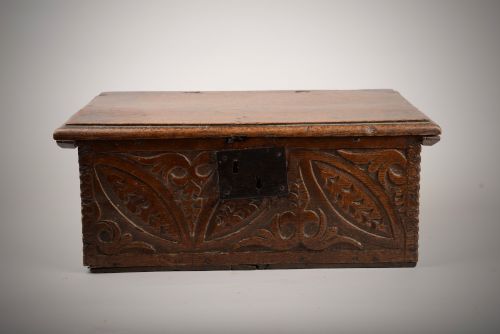
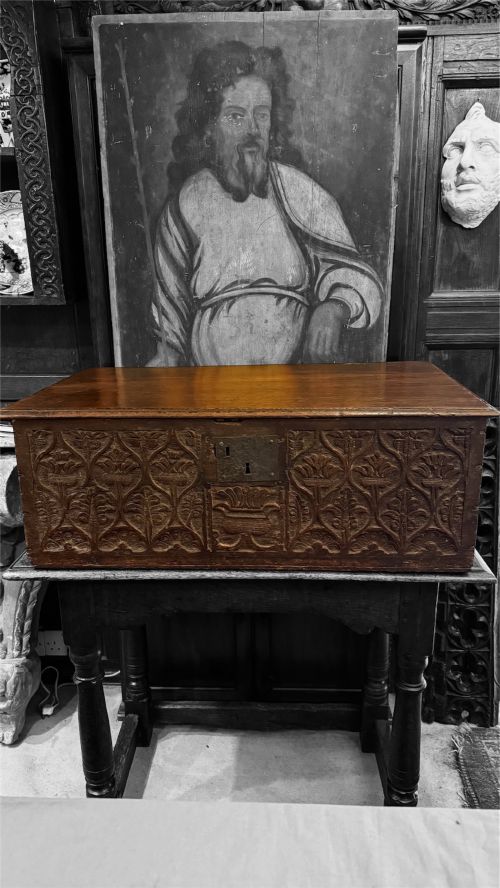
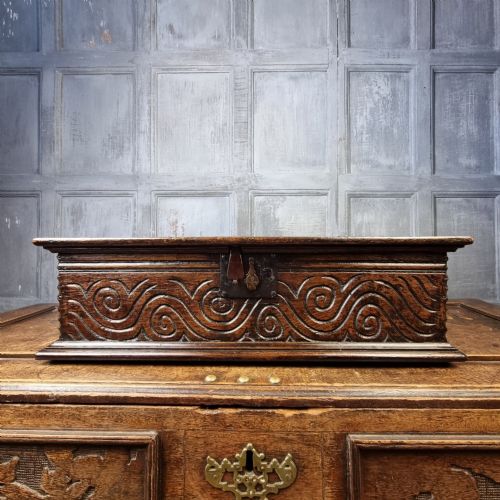
The standard of a desk box often rests on the depth and crispness of its carved decoration, such as geometric patterns or demi-lune front panels found on seventeenth-century examples. Plain timber surfaces rely entirely on the quality of the quarter-sawn oak grain and the proportion of the box.
Internal complexity also divides the range, distinguishing simple single-compartment bible boxes from elaborate stationery cabinets featuring multiple internal drawers and adjustable dates. The survival of original iron or brass locks and hinges further influences the integrity of the piece.
The Oak Writing Desk Box Glossary
- Bible box
- A small wooden chest originally constructed to hold a single large volume, typically featuring a sloping lid to serve as a reading rest. These domestic items double as general document repositories.
- Stationery cabinet
- A standing desktop box produced in the Victorian period with compartments and doors designed to organise paper, envelopes, and inkwells. They replaced earlier flat-lidded deed boxes in professional offices.
- Writing slope
- A portable desk that opens to reveal a slanted writing surface and partitioned interior storage for writing paraphernalia. Pollard oak examples demonstrate high-status nineteenth-century workmanship.
- Pollard oak
- Timber taken from trees that were pruned close to the trunk to produce a dense, highly figured grain. Cabinetmakers selected this decorative wood for luxury nineteenth-century campaign pieces.
- Strong box
- A heavily reinforced chest utilising iron bands and robust locks to secure valuables and legal documents. These domestic vaults precede modern household safes.
Oak Writing Desk Box: Frequently Asked Questions
What is an oak writing desk box?
An oak writing desk box is a portable wooden chest designed to store writing materials, letters, and important documents. These pieces range from seventeenth-century bible boxes to nineteenth-century stationery cabinets.
They were built to sit on tables or desks, providing a secure, enclosed workspace for literate households before permanent bureau desks became widespread.
How were bible boxes used?
Bible boxes served primarily to protect household scriptures and vital family records from damp and damage. The sloping lids allowed the boxes to double as reading stands during family prayers.
Over time, owners stored letters, deeds, and writing equipment inside them alongside or instead of religious texts.
How do I date an oak box?
Dating relies on construction methods, joinery, and decorative styles such as seventeenth-century carving or Victorian brass mounts. Early seventeenth-century boxes often utilise pegged frame-and-panel construction and heavy oak boards.
Later nineteenth-century stationery cabinets display machine-cut elements, internal dividers, and commercial hardware distinct from earlier hand-forged hinges.
Where should I place a desk box?
These boxes sit well on sturdy tables, sideboards, or dedicated desk surfaces where their timber grain and brass details remain visible. They function effectively as desktop storage for modern stationery or correspondence.
Keep them away from direct heat sources and strong sunlight to protect the aged oak surfaces and leather components from drying out.