



Brown Oak Desk Slope
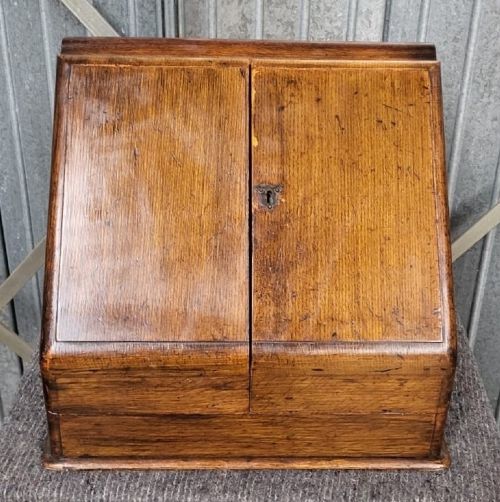
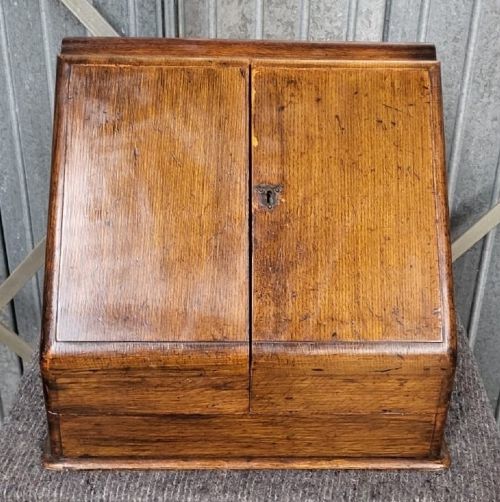
A brown oak desk slope is a functional antique writing container designed for portability and personal correspondence.
Brown Oak Desk Slope
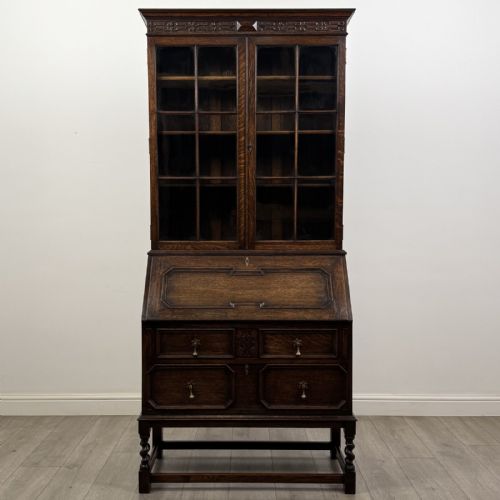
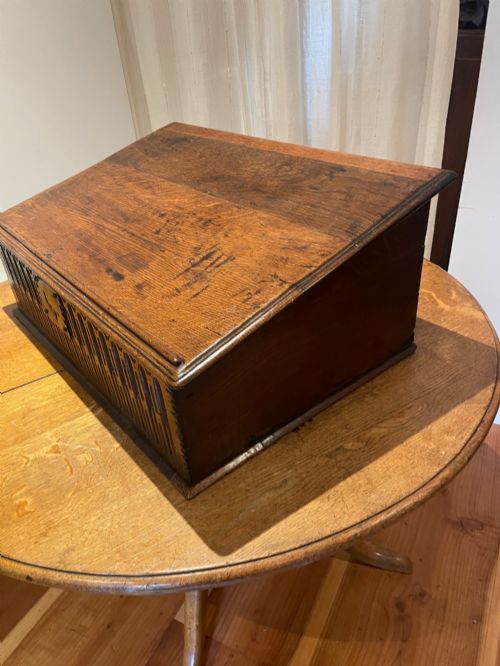
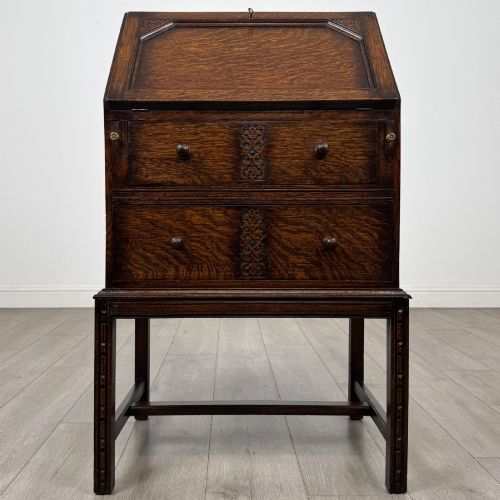
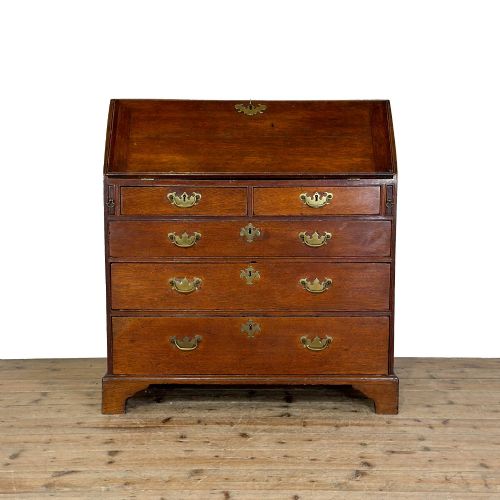
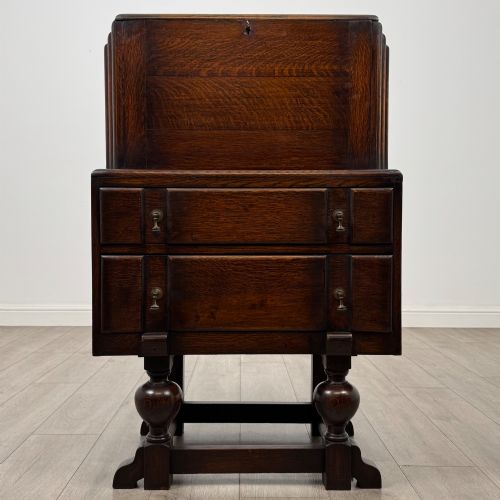
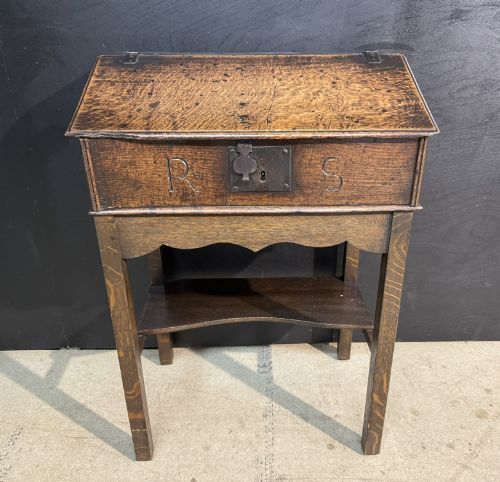
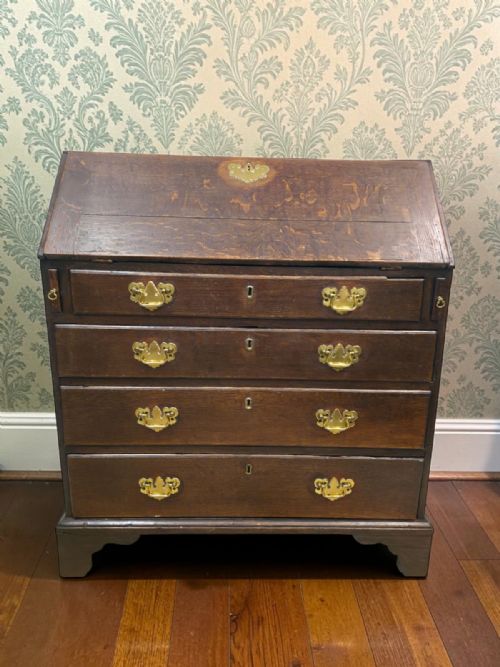
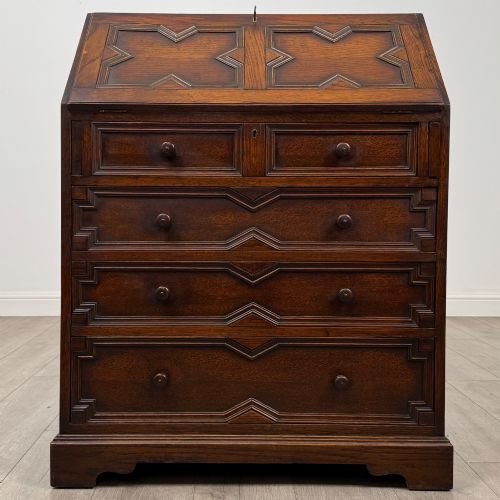
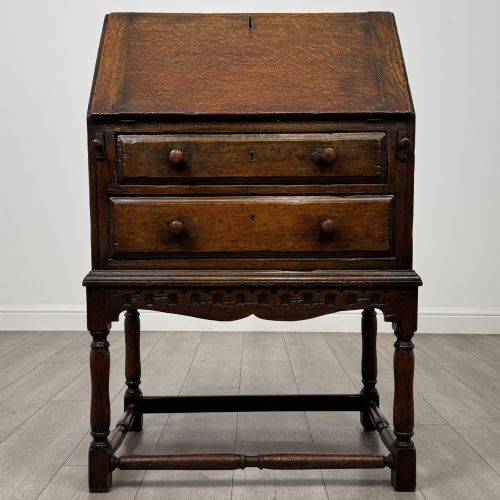
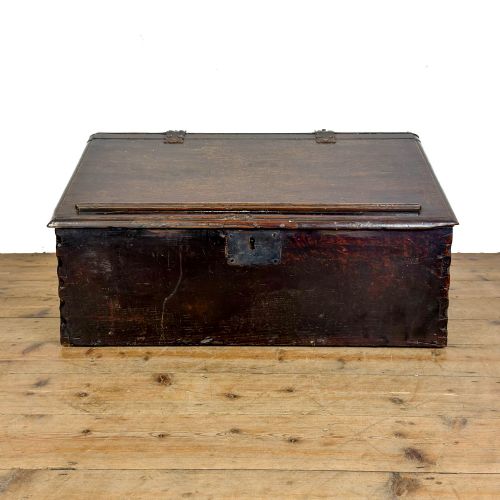
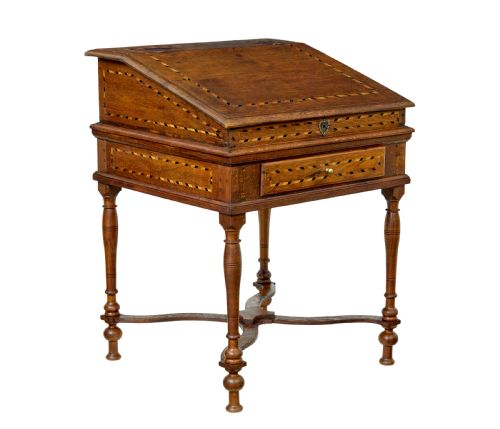
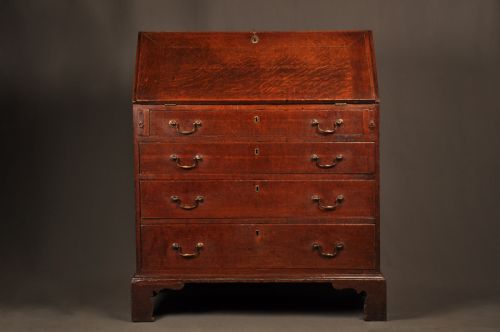
A brown oak desk slope is a practical writing surface and storage box encountered across several centuries of British cabinet making. Pieces matching this description appear in forms ranging from simple tabletop bible and deed boxes to fall front bureaus and fitted writing desks. Surviving examples span periods from the seventeenth century through the Edwardian era, with Georgian and Victorian iterations regularly appearing.
Buyers seeking a brown oak desk slope will find portable writing boxes alongside larger clerks desks and Davenport desks. The material remains consistent, utilising oak supplemented by secondary woods and fitted interiors. These objects served utilitarian purposes in homes, offices, and ecclesiastical settings before becoming decorative antiques.
Materials and construction
Construction relies primarily on solid and veneered oak, often paired with fruitwood for internal elements. Metal hardware such as brass handles, hinges, and iron escutcheons secure the lids and drawers of these writing slopes and bureaus.
Internal compartments frequently feature leather writing surfaces, glass inkwells, and secret drawers concealed behind stepped pigeonholes. Joinery techniques range from early vernacular pegged construction to later Edwardian production methods.
Brown Oak Desk Slope Retail Price Guide 2026
Typical asking prices for brown oak desk slope among the pieces listed under this phrase on Sellingantiques today, from the lower quarter to the upper quarter. They describe what is for sale here now, not the wider market.
Pairs MFG Co? made a child desk listed here.
Determinants of quality
Quality in a brown oak desk slope rests on the integrity of the timber, the complexity of the interior arrangement, and the retention of original hardware. Finer pieces display thoughtful crossbanding, well executed carving, and clever internal configurations such as secret compartments.
The degree of preservation in the writing surface and the stability of the fall front or sloped lid distinguish superior examples from heavily altered or restored items.
The Brown Oak Desk Slope Glossary
- Bible box
- A rectangular wooden box with a sloped lid, originally constructed to hold sacred texts and later utilised for general writing equipment and documents.
- Bureau
- A writing desk featuring a sloping lid that opens to reveal a fitted interior of drawers and pigeonholes.
- Crossbanding
- A decorative border technique where veneer strips are laid across the grain of the primary wood to frame a panel or drawer front.
- Fall front
- A hinged writing flap that drops from a vertical or sloping position to create a horizontal desk surface.
Brown Oak Desk Slope: Frequently Asked Questions
What is a brown oak desk slope used for?
These pieces served as portable or stationary writing desks where individuals kept correspondence, ledgers, and writing implements.
Today they function as practical desktop organizers and decorative antiques that provide enclosed storage for modern stationery.
How do I date an oak desk slope?
Dating relies on examining construction methods, timber selection, brass hardware styles, and internal drawer configuration.
Seventeenth century pieces often display vernacular pegged joinery, while Georgian and Victorian examples incorporate refined dovetailing and specific stylistic revivals.
Are writing slopes and bureaus the same thing?
Writing slopes are typically smaller tabletop boxes with an angled lid designed to be moved between locations.
Bureaus are usually larger freestanding or desk mounted forms that incorporate a fall front writing surface above a set of drawers.
Where should I place a desk slope at home?
These boxes sit comfortably on top of sturdy tables, chests of drawers, or dedicated writing desks where the sloping lid remains accessible.
Positioning them away from direct heat sources protects the antique oak timber and any leather writing inserts from drying out.