

Oak Slant Front Slope
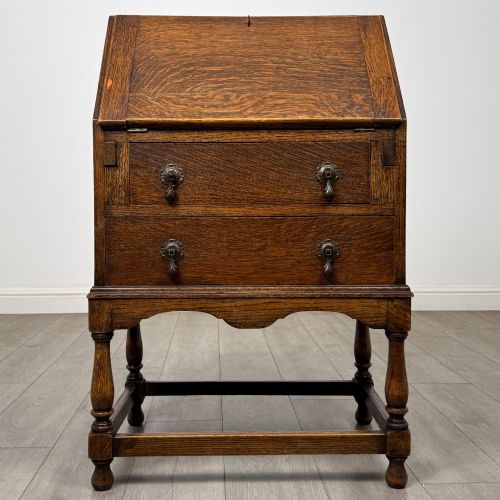
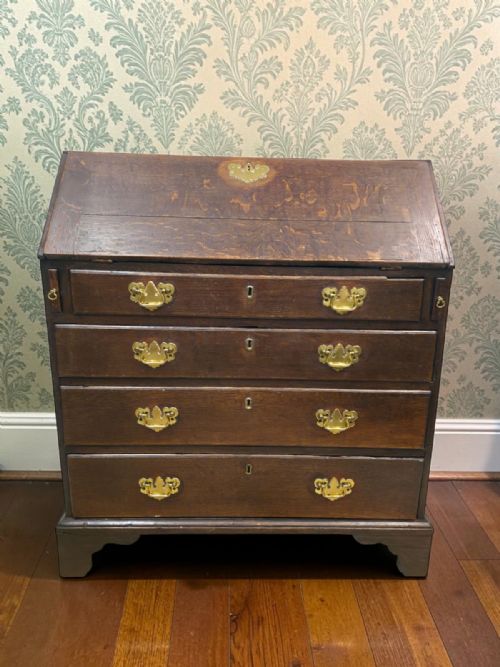
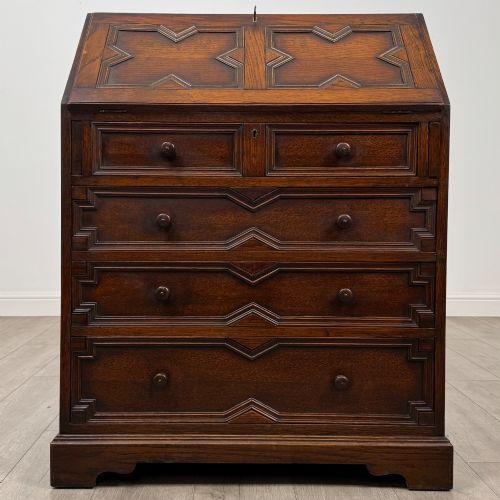
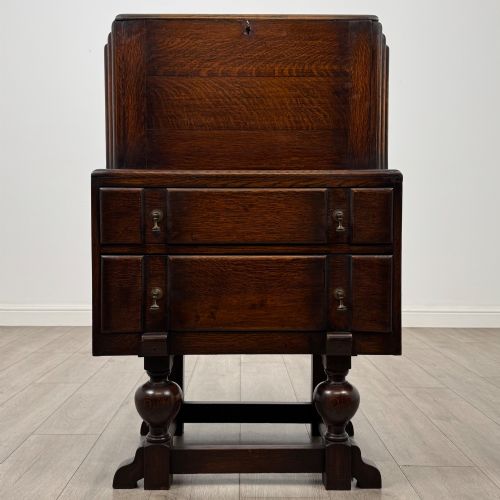
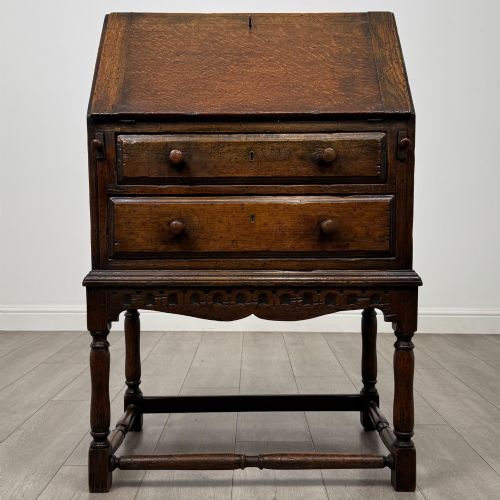
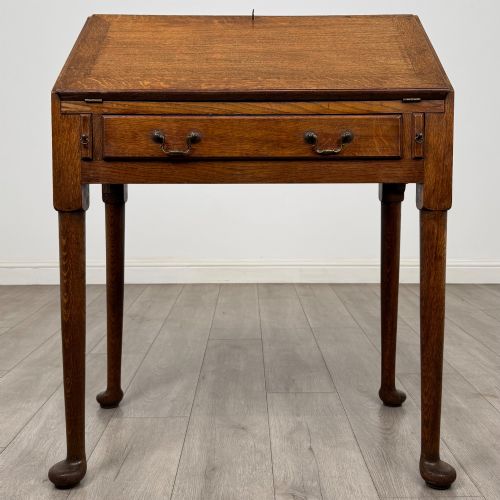
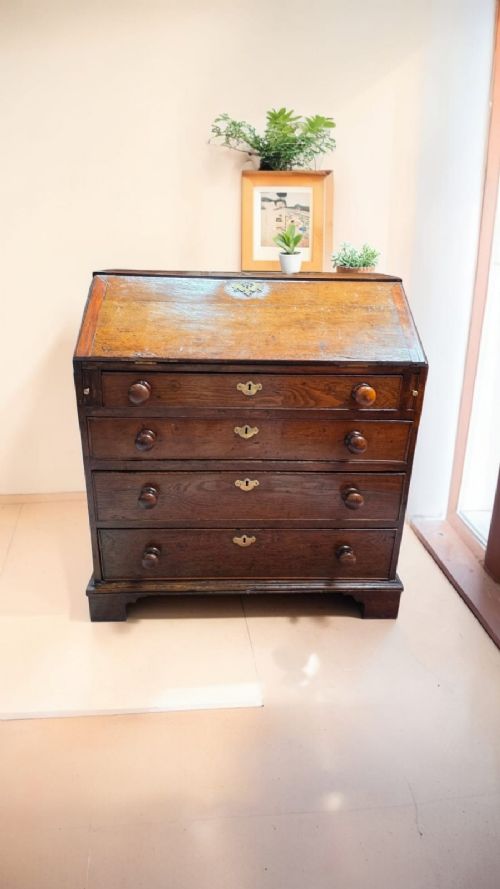
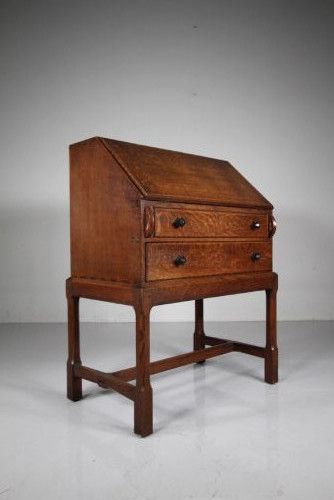
An oak slant front slope offers a practical writing surface that conceals fitted interiors when closed, combining robust timber construction with traditional craftsmanship.
Oak Slant Front Slope
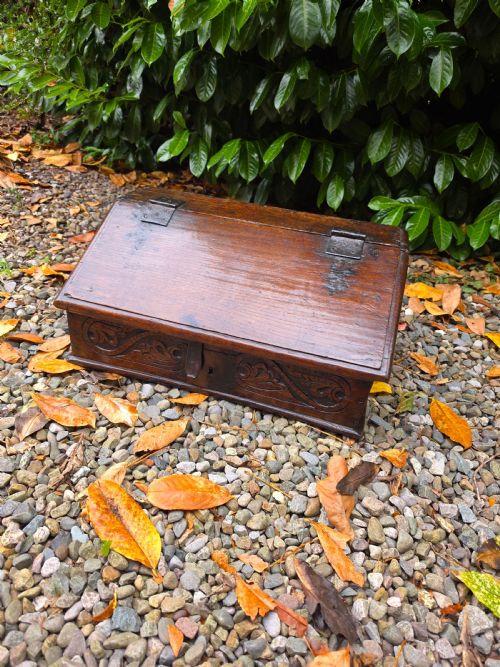
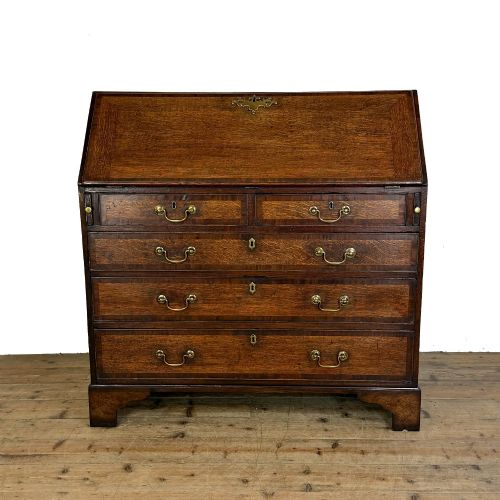
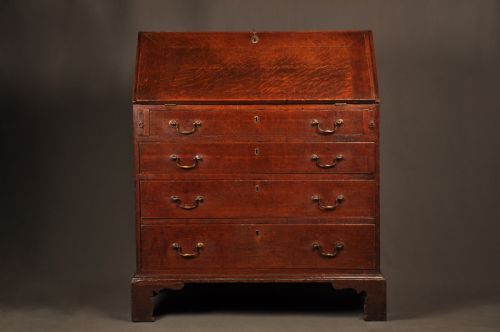
When you search for an oak slant front slope, you encounter practical writing desks and compact storage pieces spanning multiple centuries. The selection includes seventeenth-century bible boxes, eighteenth-century bureaux, and later Edwardian or Victorian adaptations.
The primary forms take the shape of fall-front desks, slope-shelf book troughs, and Davenport desks. These items originate from periods ranging from the seventeenth century through to the Edwardian era, predominantly constructed in solid or veneered timber.
Materials and Construction
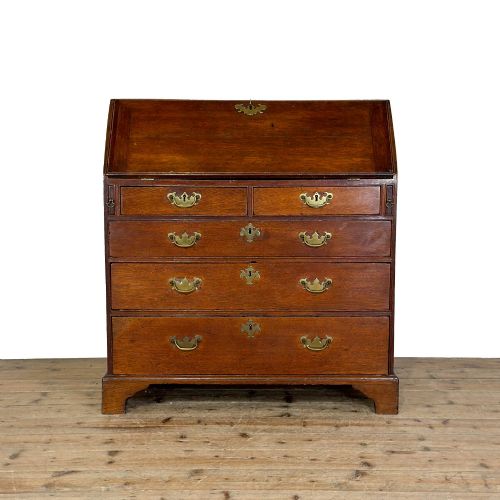
These pieces rely heavily on oak, sometimes enhanced by pollard oak, walnut, or mahogany veneers. Metal hardware such as brass handles and iron hinges secure the internal compartments and drop-down lids.
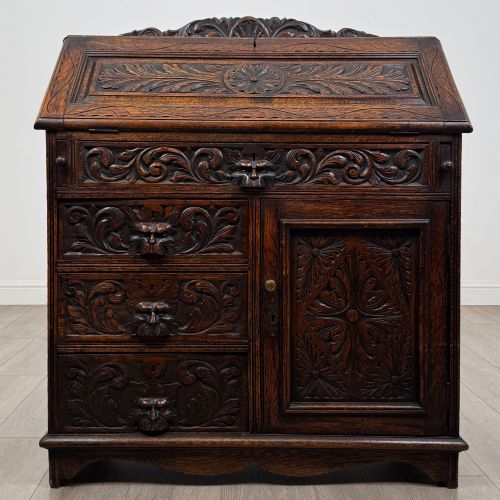
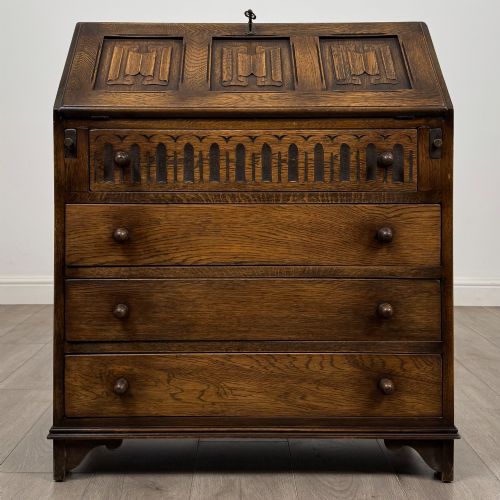
Joinery methods reflect the period of origin, utilising traditional framing alongside carved detailing such as linenfold panels or Green Man motifs. Secondary elements occasionally incorporate leather writing inserts and cane details.
Materials appearing across these items include solid oak, walnut, pollard oak veneers, brass hardware, and leather writing surfaces.
Grading Quality
Quality rests upon the complexity of the interior arrangement, distinguishing simple storage compartments from stepped drawers and secret compartments. The choice of timber grain, such as figured pollard oak or crossbanded oak, elevates the visual depth.
Execution of carved ornamentation and the integrity of the original hinges and brasswork dictate the standing of a piece. Finer examples maintain structural cohesion across the fall-front mechanism and internal pigeonholes without modern intervention.
Heals of London·Stanley Webb Davies
The Oak Slant Front Slope Glossary
- Fall front
- A hinged writing flap that pulls down to form a horizontal desk surface. It conceals the internal drawers and pigeonholes when closed.
- Slant front
- An inclined writing lid on a desk or box. This angle provides a comfortable surface for handwriting.
- Stepped interior
- An arrangement of internal drawers and pigeonholes arranged in ascending tiers. This feature is frequently found within eighteenth-century writing furniture.
- Crossbanding
- A border technique where thin strips of veneer are laid perpendicular to the grain of the primary panel. It frames the central surface of the desk lid or drawer fronts.
- Bible box
- A small lidded wooden box utilised historically for holding sacred texts and writing materials. These frequently predate full-sized bureaux.
Oak Slant Front Slope: Frequently Asked Questions
What is an oak slant front slope?
An oak slant front slope refers to writing furniture featuring an angled lid that folds down or lifts up. These items include desk boxes, bureau desks, and slope-shelf bookcases.
They provide a sloping writing surface while concealing compartments and drawers beneath the timber lid.
How do I date an oak bureau?
Dating relies on construction methods, timber selection, and hardware styles. Seventeenth-century examples often display vernacular joinery and bible box formats, whereas Georgian pieces introduce crossbanding and fitted stepped interiors.
Later Edwardian and Victorian versions frequently incorporate machine-sawn elements, revival carving styles, or golden oak finishes.
Where were these desks used?
These pieces served as functional workspace furniture in parlours, studies, and merchant rooms. Their enclosed compartments kept correspondence and documents private.
Today, they function as writing desks or decorative storage furniture within residential spaces.
What is a Davenport desk?
A Davenport desk is a compact form of writing furniture featuring a slanted top above a pedestal of drawers. The design emerged during the nineteenth century in materials such as pollard oak.
They offer integrated drawer storage on one or both sides beneath the writing slope.