


Late 17th Century Box
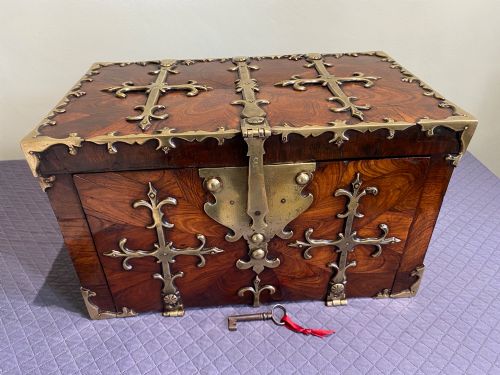
A late 17th century box brings heavy oak, rich kingwood veneer, and centuries of utility directly into a room.
Late 17th Century Box
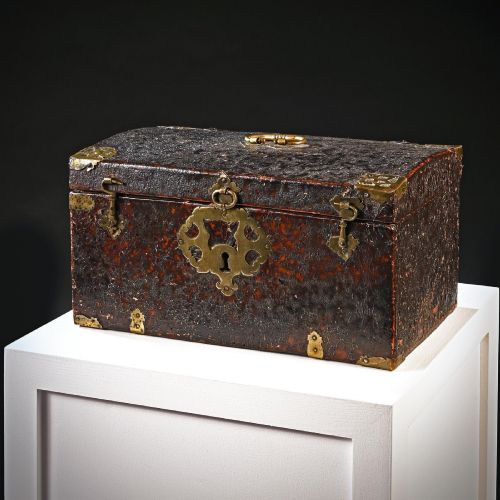
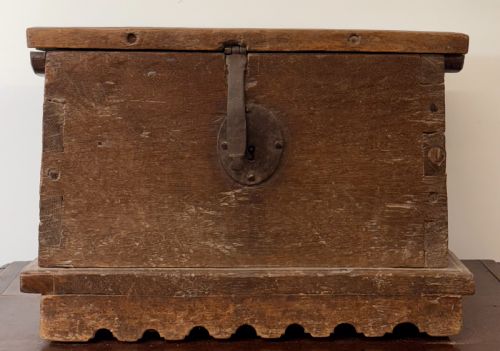
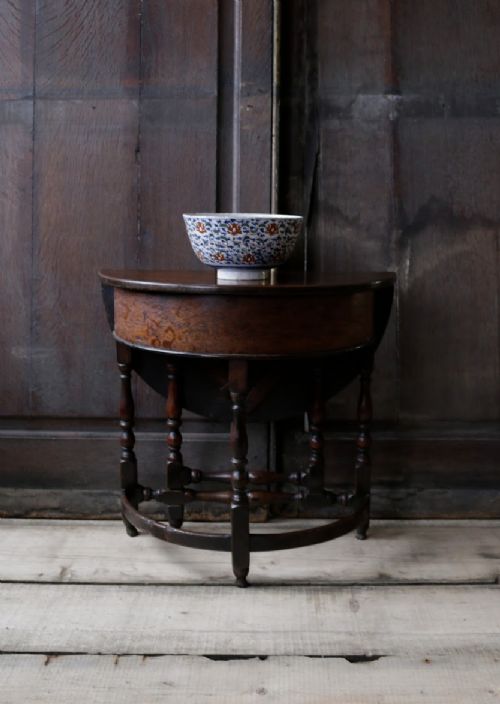
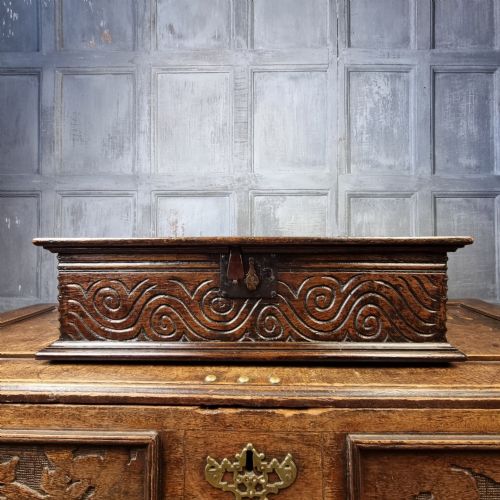
When you search for a late 17th century box, you encounter solid oak bible boxes, desk boxes, travelling strong boxes, and kingwood veneered coffre fortes originating from the 17th century. These objects served practical storage needs for documents, valuables, and domestic goods in an era before fitted furniture.
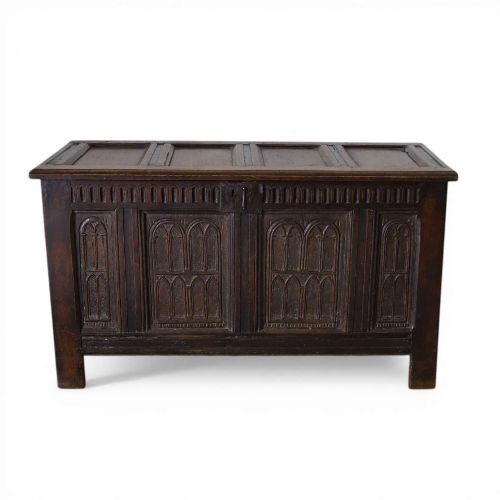
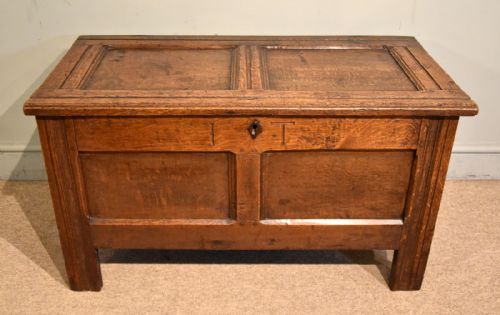
The oak coffer and panelled box sit alongside smaller writing slopes, caskets, and travelling boxes framed in brass and leather. Many survive in regional English workshops or continental centres, showing simple joined construction or elaborate carved decoration.
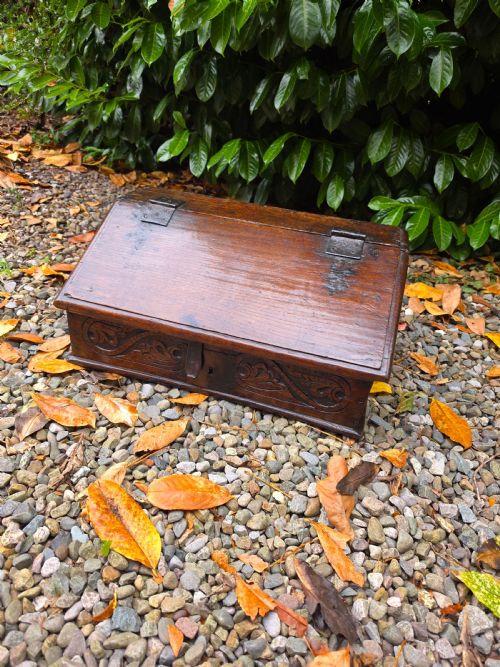
Bible boxes and deed boxes dominate the selection, frequently seen either alone or raised upon later stands. The domestic forms bridge the gap between portable containers and larger storage chests.
How they were made
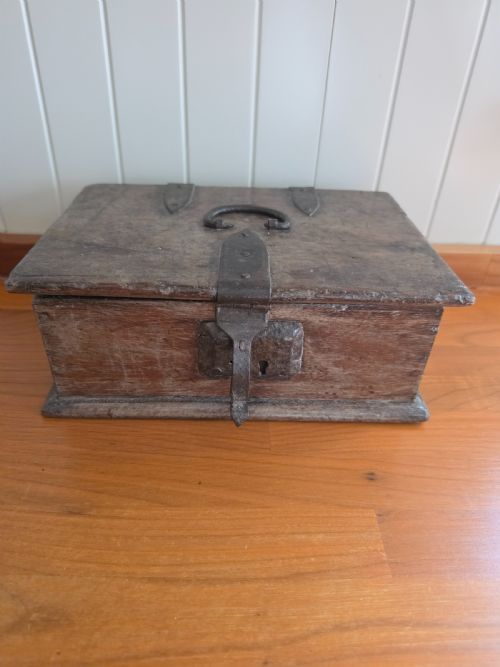
Joinery and cabinetmaking methods rely on solid oak panels fitted into grooved framing, secured with wooden pegs rather than modern fixings. Iron hinges, brass lock plates, and studded leather reinforcement provide structural integrity to travelling pieces.
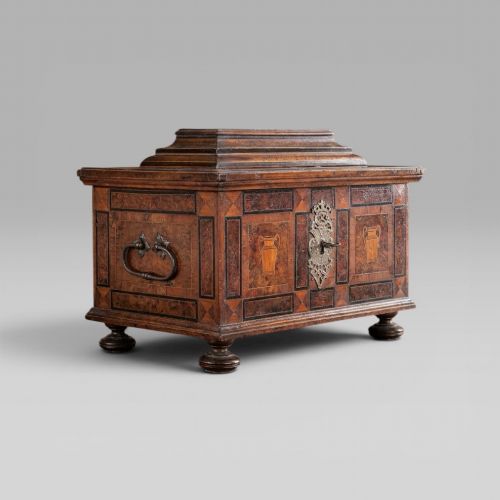
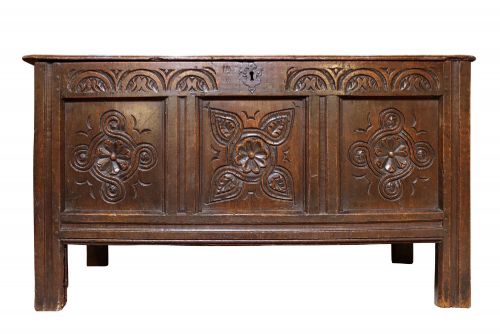
Finer examples utilise kingwood or burr walnut veneers applied to carcases, demonstrating the growing influence of continental marquetry techniques during the William and Mary period. Carving is executed by hand with gouges and chisels directly onto the timber surface, displaying geometric patterns or Gothic motifs.
Recorded styles span Jacobean, William and Mary, Flemish Renaissance, Gothic, and Baroque designs.
What varies in quality
The grade of timber and the crispness of hand carving set exceptional pieces apart from utilitarian storage. Oak boards selected for figure and depth display superior grain contrast, whereas plain timber indicates ordinary domestic utility.
Completeness of original ironwork, locks, and hinges dictates the integrity of a piece. The presence of matching kingwood veneers or intricate Gothic tracery indicates higher workshop skill compared to plain joined panels.
The Late 17th Century Box Glossary
- Bible box
- A small desktop container with a sloping or flat lid, originally designed to hold household texts and writing materials.
- Coffer
- A heavy wooden chest, frequently panelled and joined, used for securing valuables and textiles.
- Coffre forte
- A strong box or chest finished with decorative veneers, metal mounts, and secure locking mechanisms.
- Joined oak
- Furniture construction utilising mortise and tenon joints locked with wooden pegs, typical of seventeenth-century carpentry.
- Veneer
- Thin slices of decorative wood, such as kingwood or burr walnut, glued to a secondary timber carcase.
Late 17th Century Box: Frequently Asked Questions
What fits inside a bible box?
These boxes accommodate manuscripts, letters, writing equipment, and small personal valuables. The sloping lid provides a firm surface for reading or composition.
Larger versions hold family Bibles and important household deeds securely away from damp environments.
Are these boxes English or continental?
The inventory includes both English oak examples from regional workshops and continental pieces finished in kingwood or burr walnut. Flemish and wider European influences appear in specific carved motifs and veneered surfaces.
Oak dominates the domestic English output, while exotic hardwoods point towards continental trade routes.
Why do some boxes have stands?
Many bible boxes and small chests were paired with stands manufactured at a later date to elevate them into functional writing desks or side tables. This adaptation reflects changing domestic habits in subsequent centuries.
Unmodified boxes sit directly upon tables, floors, or larger furniture pieces.
How do styles differ across the century?
Earlier pieces display heavy Gothic carving and plain joined oak panels, while late seventeenth-century items incorporate William and Mary baroque veneers and shaped mouldings. The transition moves from strictly utilitarian joinery towards decorative cabinetmaking.
Materials shift from native oak toward exotic burr walnut and kingwood as international trade expands.