


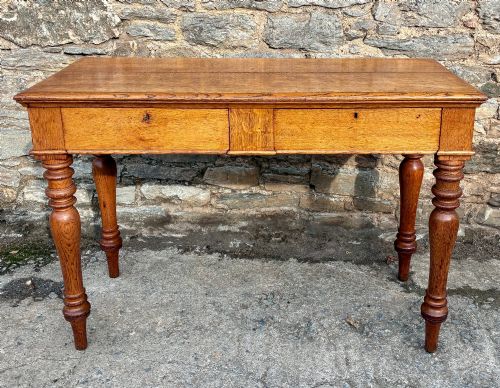
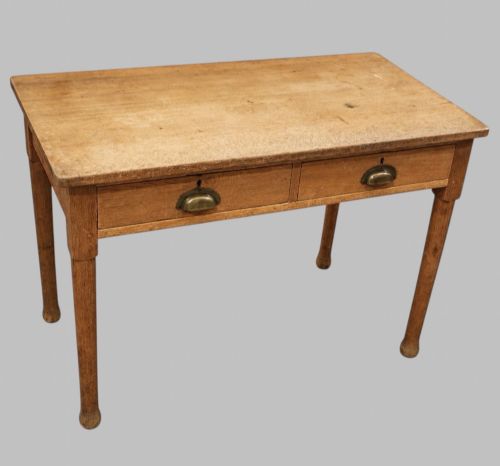
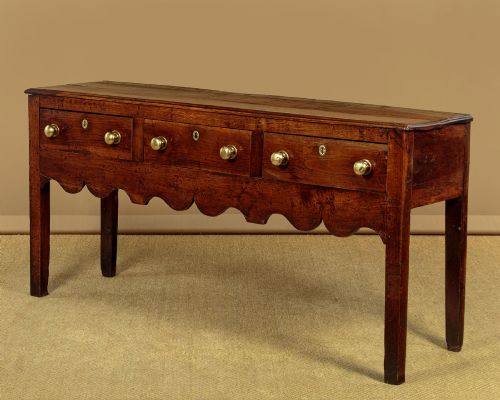
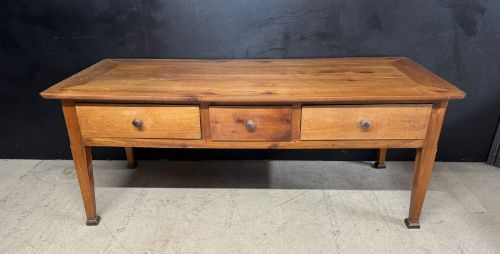

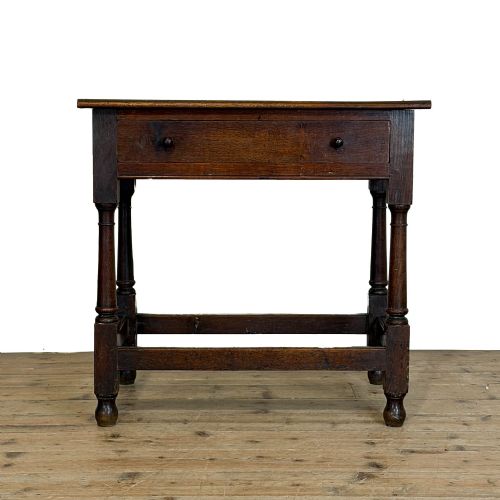
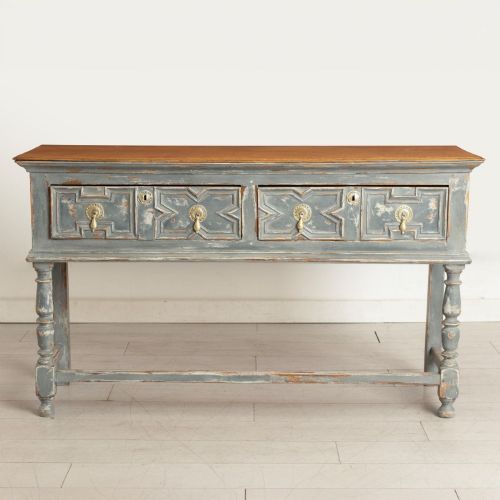
Oak Server Table Drawers
Oak server table drawers bring sturdy utility and honest timber into daily life, offering generous storage through fitted drawer runs.
Oak Server Table Drawers
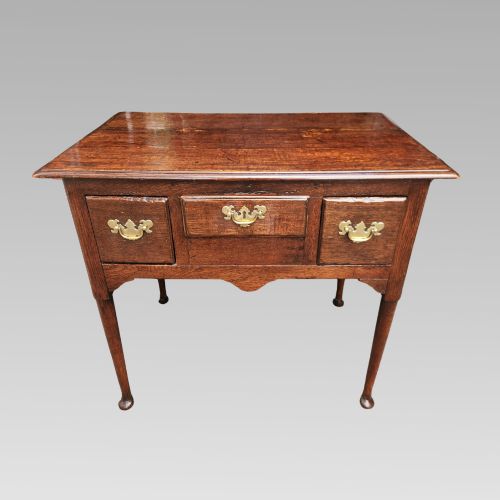
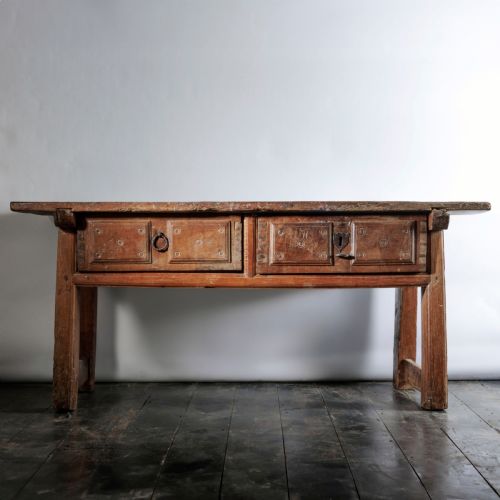
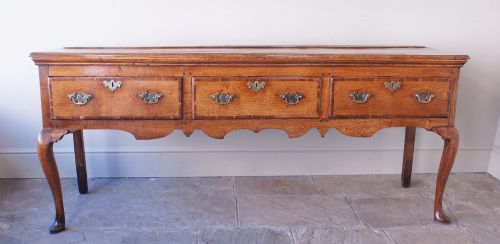
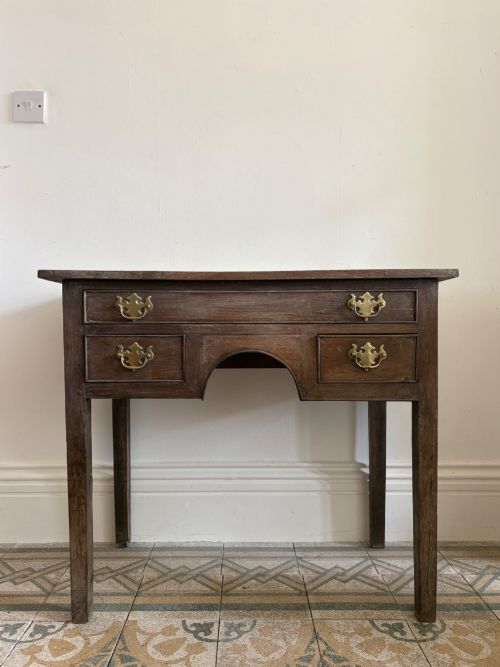
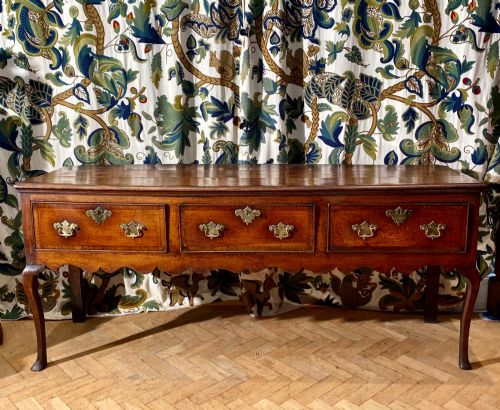
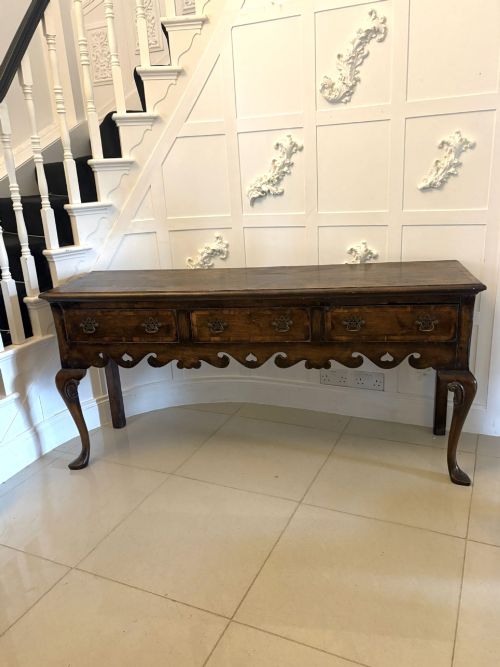
When searching for oak server table drawers, buyers encounter a robust assortment of sideboards, dresser bases, lowboys, and console tables. These pieces serve practical functions in dining rooms, halls, and kitchens, providing reliable surface space alongside multiple drawers.
The selections span centuries of cabinetmaking, featuring examples from the seventeenth, eighteenth, and nineteenth centuries, alongside later revivals from the nineteen-twenties and Edwardian periods. Regional variations appear frequently, ranging from English country workshops to Welsh vernacular pieces and French provincial formats.
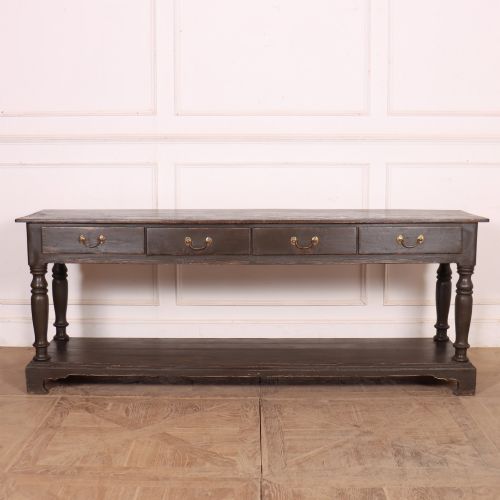
Lower potboards, open shelves, and multi-drawer fronts define the common configurations on this page. Formats vary from long Cheshire dresser bases to narrow side tables fitted with brass or iron hardware.
Materials and construction methods
Makers relied principally on solid oak, occasionally combining it with burr walnut or painted wood surfaces. Metal components such as brass handles, drop pulls, and iron fastenings secure the structural joints and drawer assemblies.
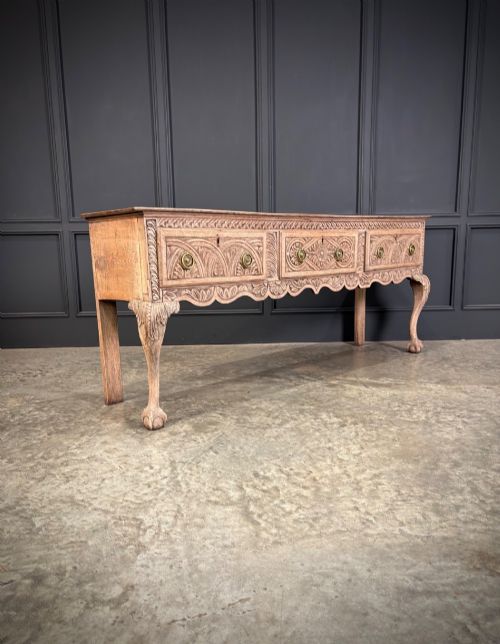
Traditional joinery methods govern the construction of these tables, utilising pegged mortise and tenon joints for frames. Drawer boxes typically display hand-cut dovetails, while surfaces exhibit varying finishes from dry waxed timber to geometric mouldings and carved relief details.
Oak Server Table Drawers Retail Price Guide 2026
Typical asking prices for oak server table drawers among the pieces listed under this phrase on Sellingantiques today, from the lower quarter to the upper quarter. They describe what is for sale here now, not the wider market.
Object configurations include side tables, console tables, lowboys, and potboard dresser bases originating from English, Welsh, and French traditions.
Judging the standard of manufacture
Quality rests in the integrity of the timber selection and the precision of the joinery. Superior examples maintain their original drawer linings, handles, and backboards, whereas lesser pieces show extensive modern replacements or altered bases.
The crispness of carved details and geometric mouldings distinguishes master workshops from standard production. Surface preservation matters deeply, as dry untouched timber retains historical character that heavy sanding or modern varnishing destroys.
Beresford and Hicks London
The Oak Server Table Drawers Glossary
- Dresser base
- A low cabinet featuring multiple drawers set beneath a clean top surface, designed historically for food preparation and storage.
- Lowboy
- A small side table equipped with one to three drawers and slender legs, originating in the late seventeenth century.
- Potboard
- An open lower shelf built between the legs of a dresser base, originally intended for storing ceramic pots and heavy kitchenware.
- Geometric moulding
- Raised decorative wooden profiles applied to drawer fronts or cabinet doors in repeating symmetrical patterns, prominent during the seventeenth and early eighteenth centuries.
- Vernacular
- Furniture built by local rural joiners following traditional regional designs rather than formal metropolitan pattern books.
Oak Server Table Drawers: Frequently Asked Questions
What is an oak server table?
An oak server table is a sturdy domestic furnishing designed for food service, storage, and preparation. These pieces typically incorporate integrated drawers beneath a flat top board.
Historically placed in dining spaces and kitchens, they provide substantial surface area for serving meals while keeping tableware organised within reach.
How do I date an oak dresser base?
Dating relies on observing construction techniques, hardware types, and stylistic details. Early pieces feature pegged joinery and hand-sawn boards.
Later nineteenth and twentieth-century examples often display machine-cut elements, standardised screws, and revival styling such as Jacobean turning.
Where should I place a lowboy?
A lowboy functions effectively in entrance halls, living rooms, or bedrooms as a compact writing desk or lamp table. Their shallow depth allows them to fit into narrow spaces.
The inclusion of drawers makes them practical for holding keys, stationery, and small household items.
What distinguishes a lowboy from a dresser base?
A lowboy is generally smaller and lighter, designed as a side table with slender legs and a modest drawer arrangement. Dresser bases are longer and heavier.
Dresser bases frequently include potboards or banks of multiple drawers, reflecting their heavier utility role in historic kitchens.