
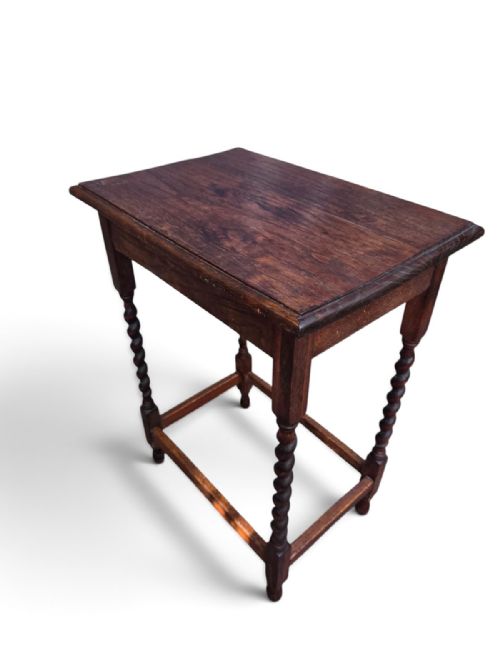
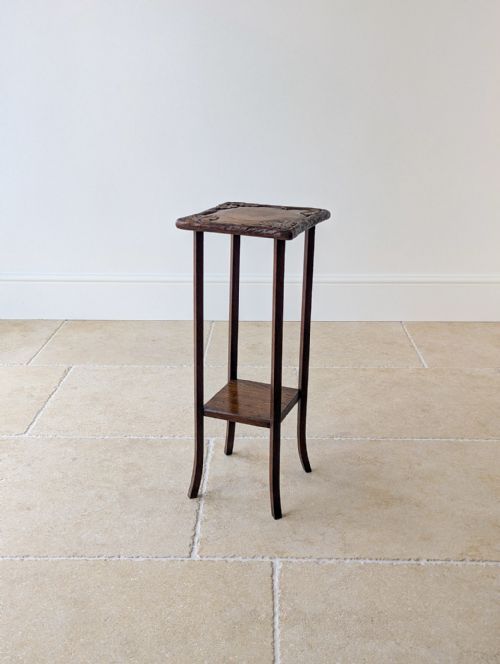
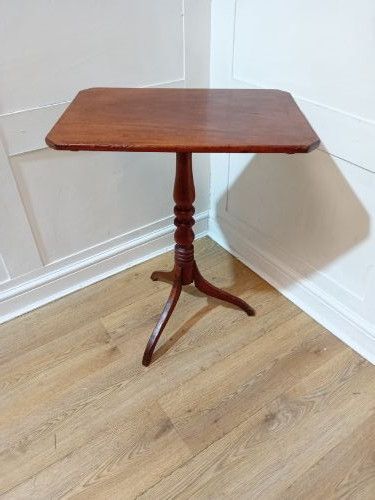
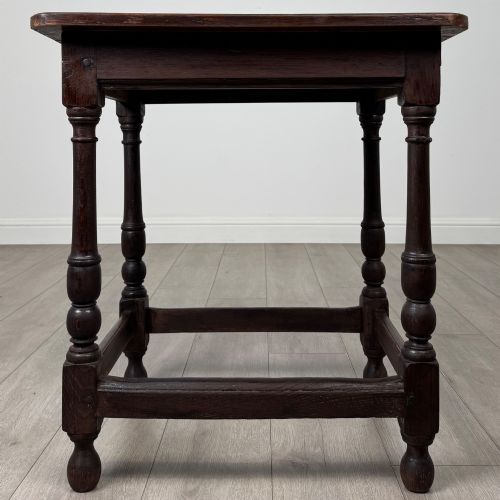

Oak Pedestal Side Table
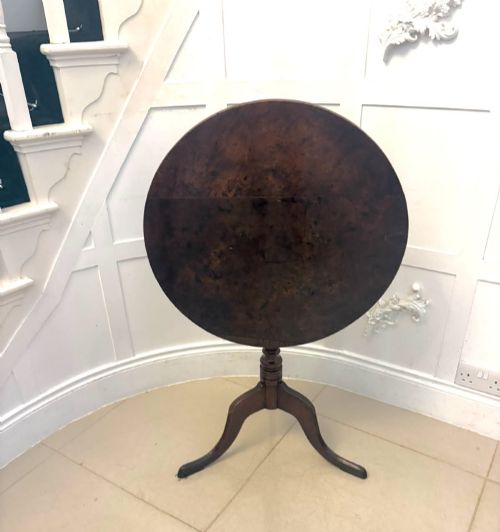
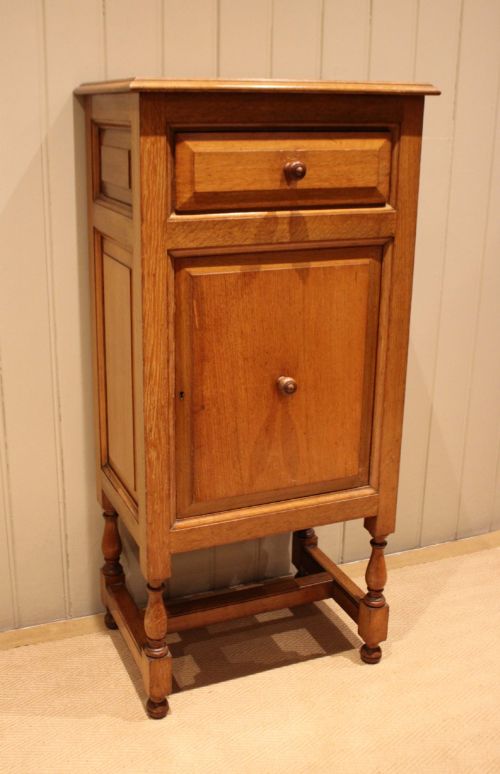
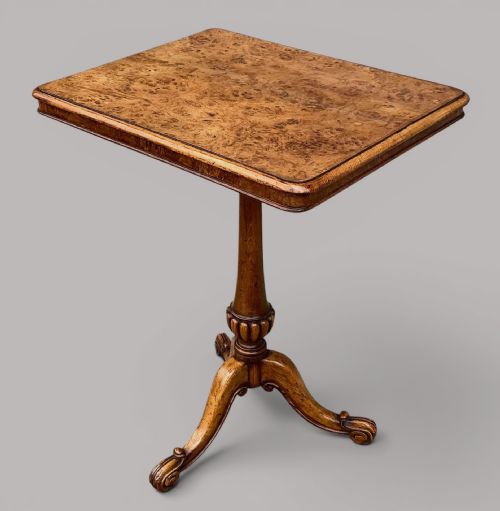
These oak pedestal side table examples are compact occasional pieces offering sturdy surfaces and turned central supports for everyday use in any room.
What these pieces are
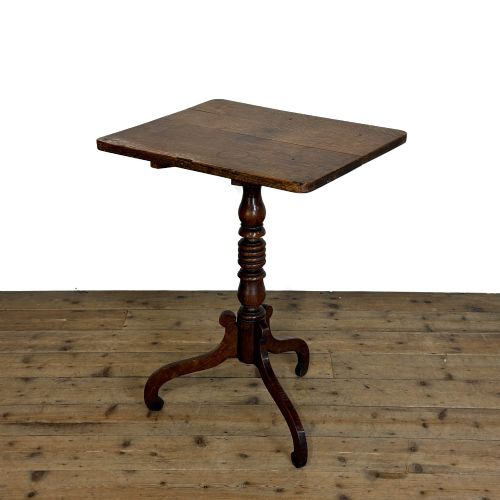
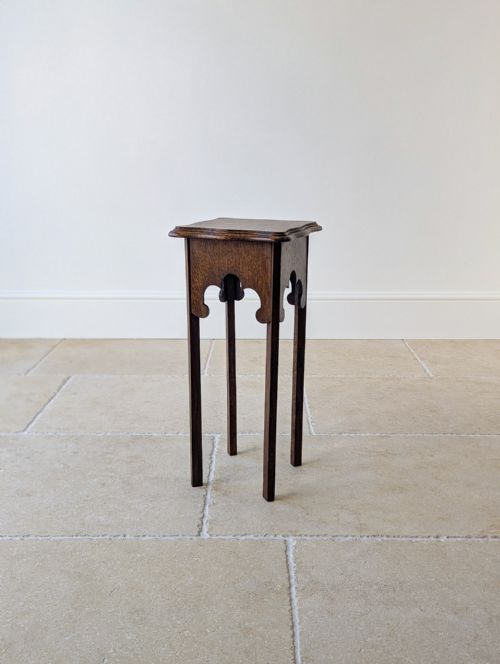
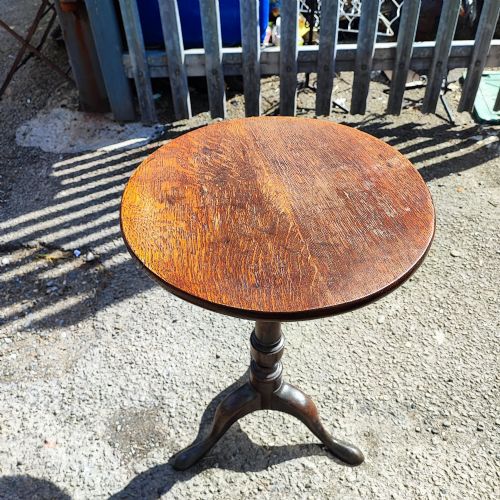
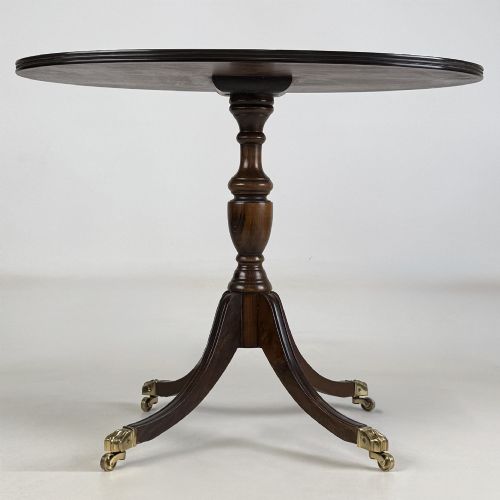
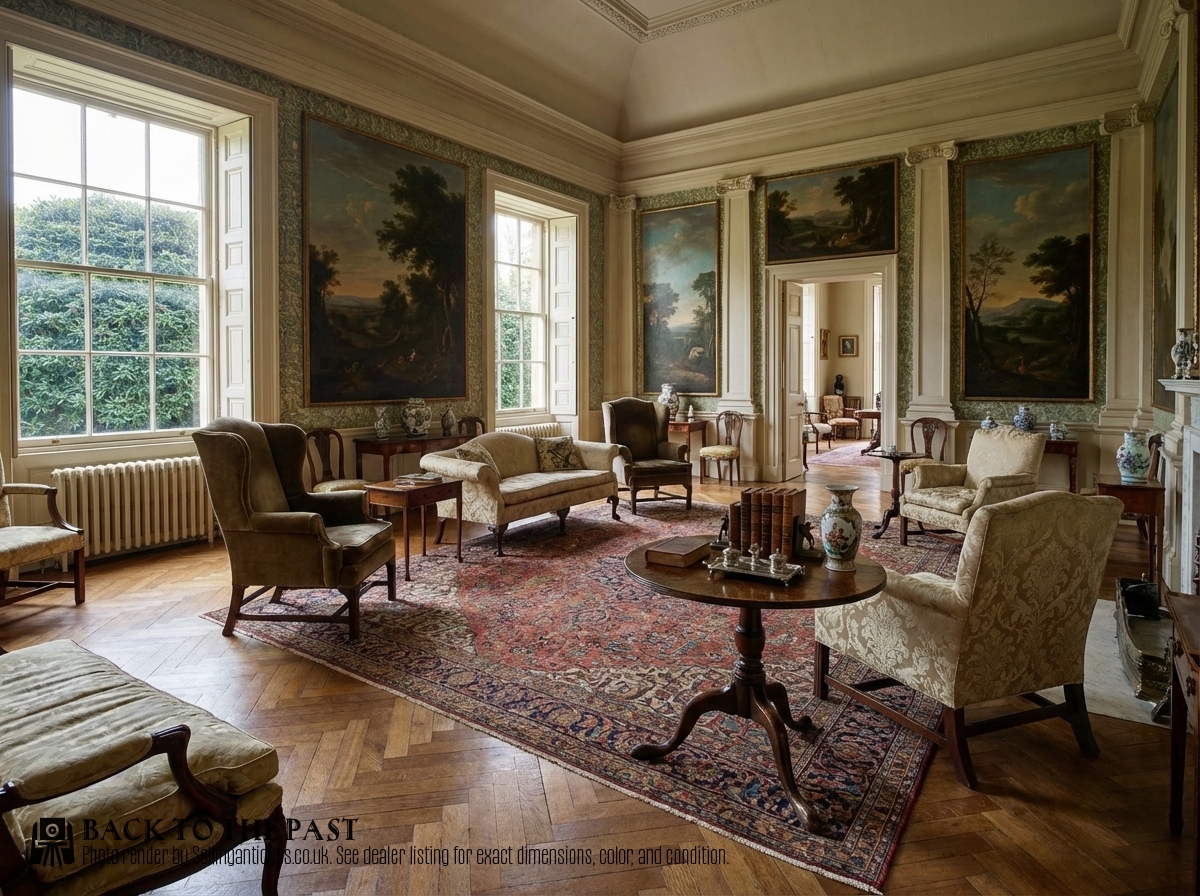
An oak pedestal side table takes the form of a compact occasional table raised on a central pillar. These pieces serve functional roles beside seating or in hallways, providing a stable surface supported by a tripod base.
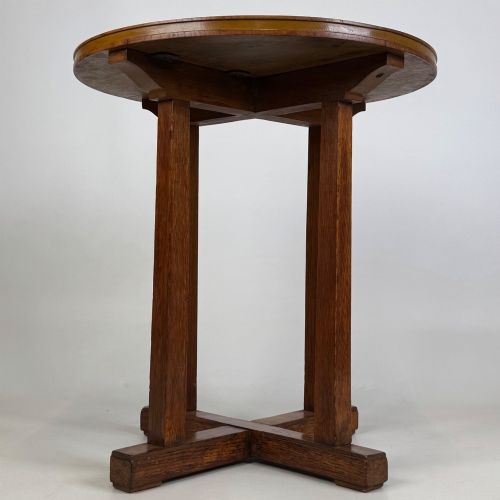
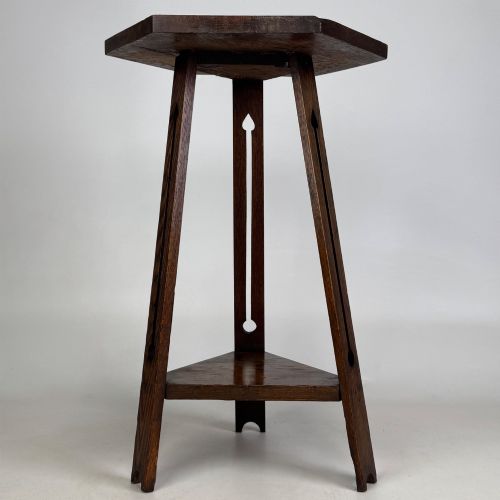
The selections available here span the eighteenth century and the Edwardian era, capturing both Georgian stylistic restraint and later Arts and Crafts ideals. Buyers encounter round tops, tilt-top mechanisms, and sturdy tripod legs across these forms.
How they were made
Makers utilised solid timber, specifically oak and burr wood, to construct these foundational surfaces and their supporting columns. Joinery techniques relied on traditional methods suited to supporting weight upon a central shaft.
Turned wooden shafts connect the upper surface to three spreading legs, balancing utility with organic grain patterns inherent to the chosen materials.
Retail Price Guide 2026
Typical UK retail prices for oak pedestal side table, calculated from the Sellingantiques database of over a million retail prices indexed since 2003. This retail price guide relies exclusively on Sellingantiques data; no external sources or auction records are used, so the figures do not describe the wider market.
What varies in quality
Distinctions in quality rest upon the handling of timber and the dexterity shown in turning the central pedestal and legs. Pieces demonstrating superior balance and refined proportions stand apart from heavier, utilitarian variants.
The integration of functional elements, such as tilt-top mechanisms, reveals the precision applied by the maker during construction.
The Oak Pedestal Side Table Glossary
- Tripod table
- A small freestanding table supported by three legs radiating from a central pillar. This form gained popularity in the eighteenth century for versatility.
- Tilt-top mechanism
- A hinged sub-frame allowing the table surface to fold vertically when not in use. This conserved space in smaller rooms.
- Occasional table
- A moveable piece designed for specific, intermittent tasks rather than permanent placement. These items moved easily around the home.
- Arts and Crafts
- A design movement valuing honest construction and visible material qualities. Pieces from this tradition emphasise simplicity over heavy ornamentation.
Frequently Asked Questions
What is an oak pedestal side table used for?
These tables provide a compact surface for lamps, books, or drinks beside seating areas and within hallways.
Their modest footprint allows them to fit easily into corners or tight spaces where larger furniture proves impractical.
How do I identify an 18th-century piece?
Eighteenth-century examples often feature tripod bases and pegged timber construction typical of Georgian cabinet making.
Examining the underside of the top and the junction of the legs reveals hand-tooled surfaces and period construction methods.
What is a tilt-top table?
A tilt-top table incorporates a catch mechanism beneath the surface allowing the top to pivot flat against the pedestal.
This historical feature enabled servants or occupants to store the furniture flat against a wall when the room required cleared floor space.
How do I care for antique oak furniture?
Maintenance requires simple dusting with a dry cloth and occasional application of appropriate wax to nourish the grain.
Keep these tables away from direct heat sources and strong sunlight to prevent the timber from drying or splitting over time.