

Oak Nightstand Table
An oak nightstand table brings practical bedside storage and sturdy construction to a bedroom, drawing on a rich variety of periods from the Georgian era to the 1930s.
Oak Nightstand Table
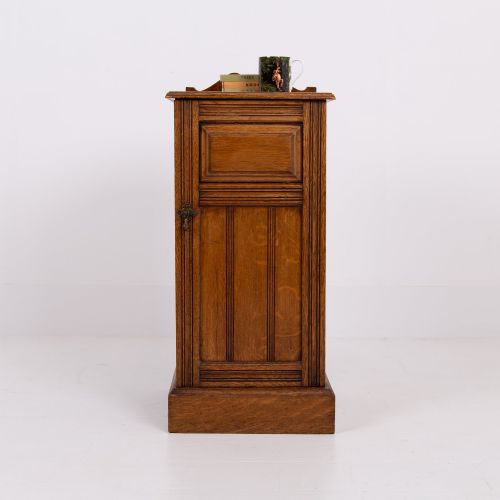
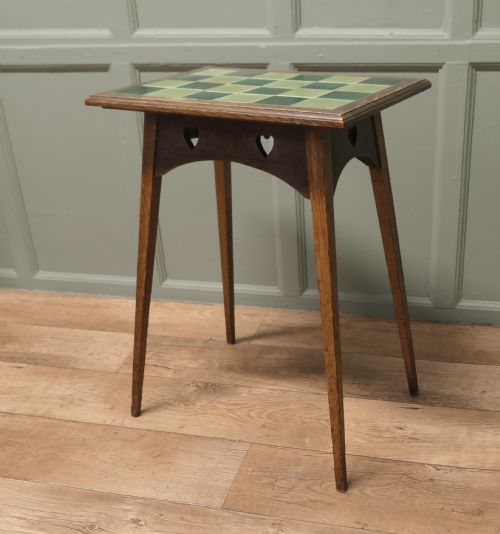
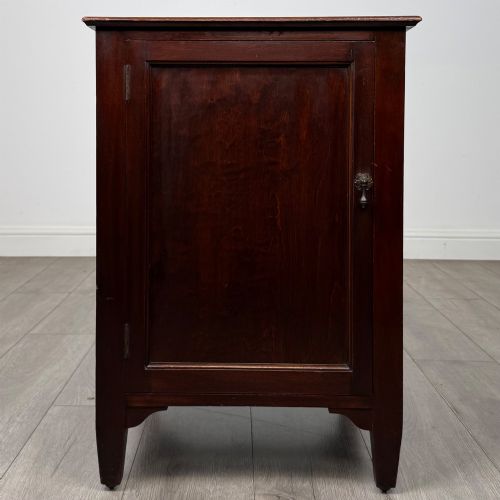
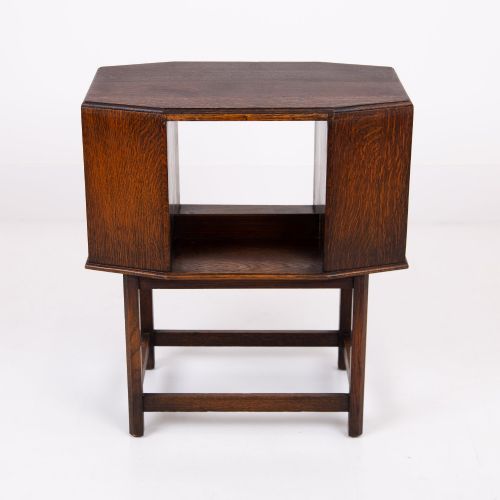
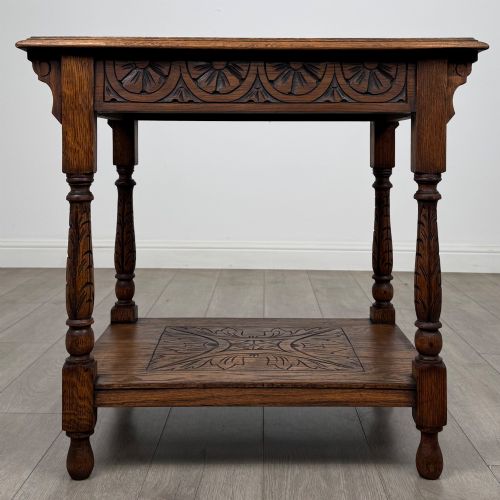
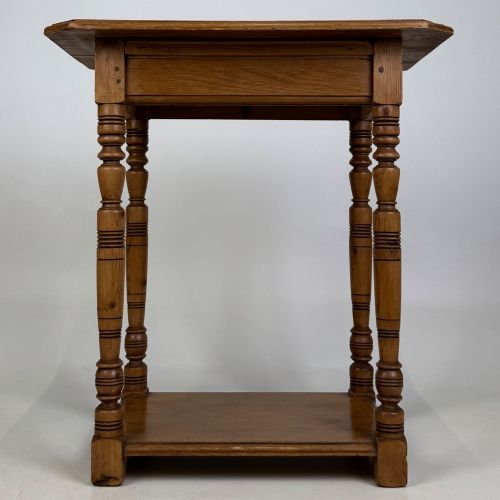
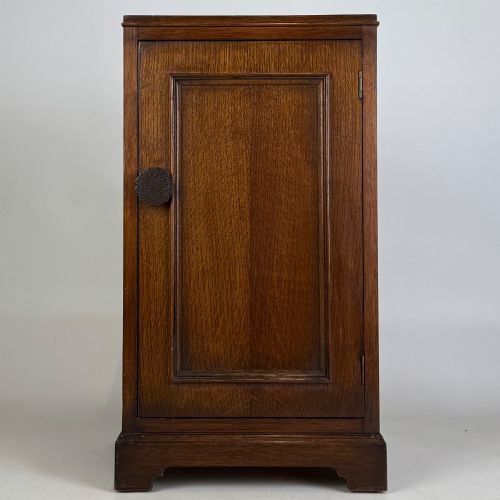
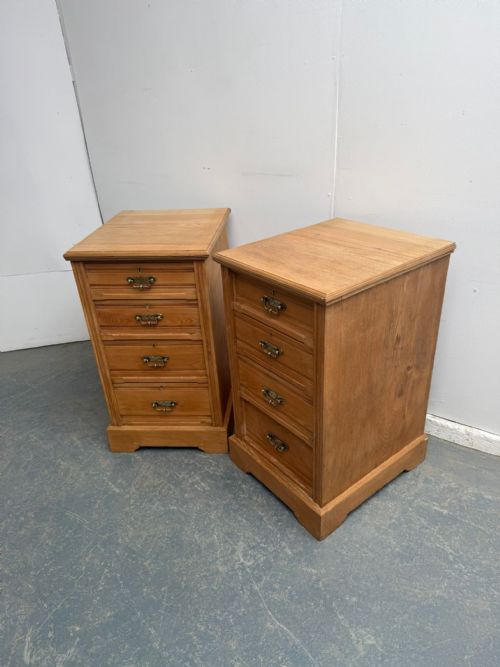
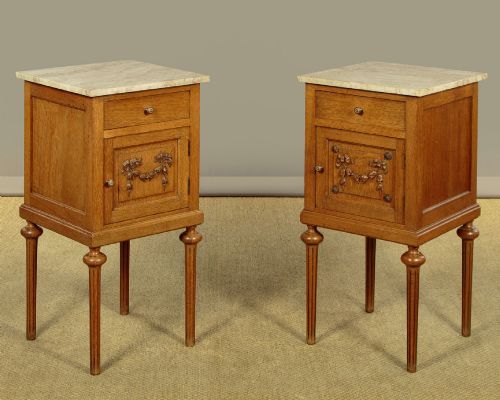
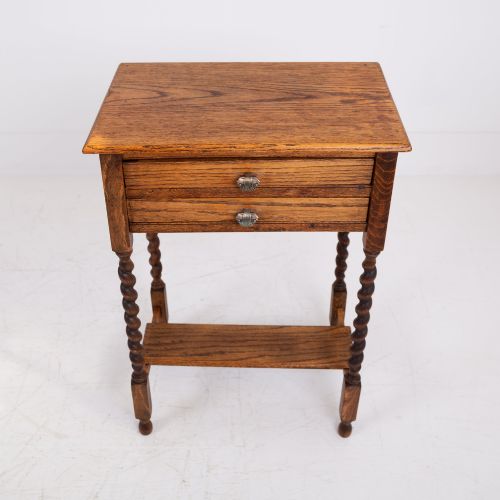
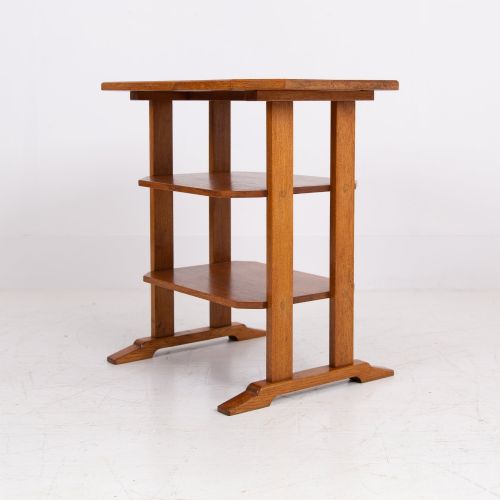
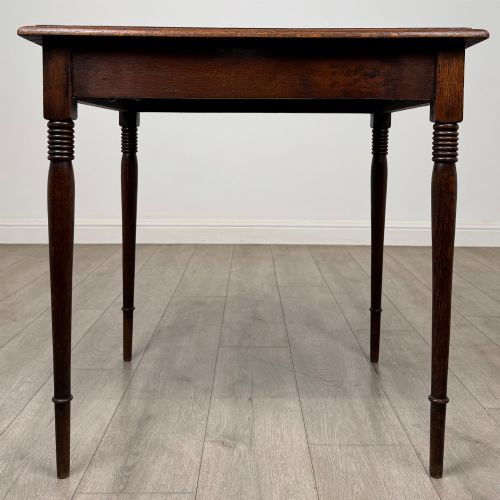
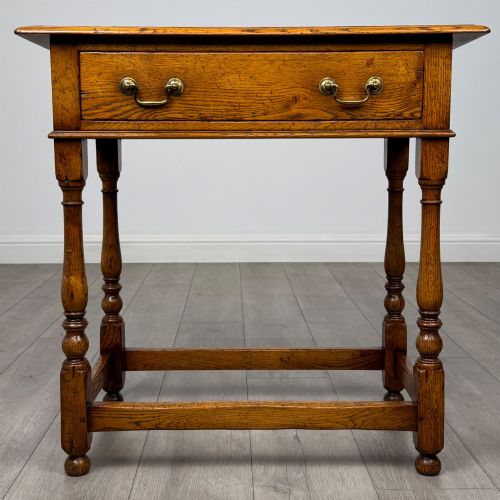
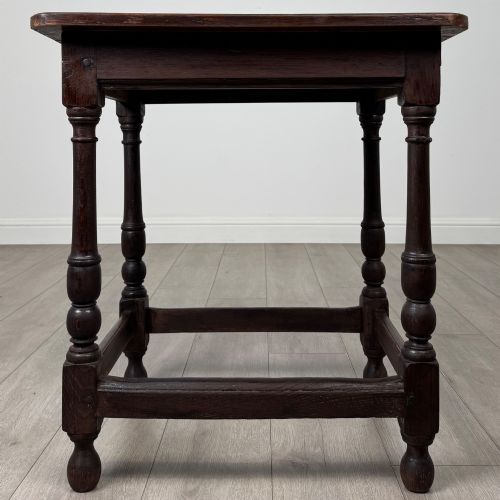
An oak nightstand table encompasses a broad category of bedside storage furniture, including bedside cabinets, cupboards, chests of drawers, and open side tables designed for domestic use. The pieces seen on this page span from the Georgian period through Victorian and Edwardian times, extending into 1930s modernist and Art Deco designs.
How they were made
Makers relied primarily on solid oak, supported by secondary timbers like ash and pine, alongside stained or bleached surface finishes to alter the natural grain. Structural hardware typically incorporates brass handles, hinges, and occasional metal accents.
Construction techniques range from traditional hand-carved ornamentation seen in Jacobean Revival and Gothic pieces to clean-lined modernist geometry from the 1930s. Waxed finishes, structural tiers, and integrated bookcases reflect the practical requirements placed on bedroom furniture across different centuries.
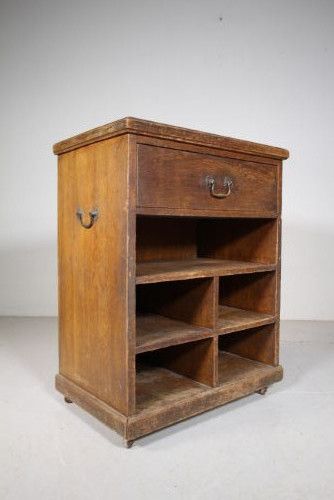
Forms range from simple side tables and open three-tier bookcases to enclosed bedside cabinets, cupboards, and converted close stools.
What varies in quality
Quality rests heavily on the selection of timber and the integrity of the joinery, distinguishing sturdy utilitarian items from finer workshop commissions. Pieces associated with specific design movements or known makers display more deliberate attention to proportion and detail.
The degree of original craftsmanship reveals itself in carved elements, the smooth operation of drawers and cupboard doors, and the preservation of original brass or metal hardware. Alterations, heavy surface refinishing, or mismatched replacement handles alter the historical character of an individual table.
Gomme·Heals·Hubert Simpson of Kendal
The Oak Nightstand Table Glossary
- Jacobean Revival
- A nineteenth and early twentieth-century style imitating seventeenth-century English furniture. It relies heavily on dark stained oak and deep geometric carvings.
- Art Deco
- A popular design style emerging in the 1920s and 1930s characterised by streamlined forms, modern geometry, and functional elegance. It breaks away from traditional historical revivals.
- Close Stool
- An early form of enclosed furniture designed to conceal a chamber pot. Many surviving examples are later adapted or form the basis of small bedside chests.
- Aesthetic Movement
- A late Victorian design philosophy focusing on visual beauty over narrative function. Pieces from this movement often display simpler lines and refined proportions.
- Cotswold School
- A twentieth-century English craft movement championing traditional hand-tooling and honest construction methods. It heavily influenced Arts and Crafts oak furniture production.
Oak Nightstand Table: Frequently Asked Questions
What is an oak nightstand table used for?
These tables provide convenient surface space beside a bed for lamps, books, and small personal items. Enclosed cupboards and drawers below also offer concealed storage for bedside essentials.
Historically, variations like bedside cabinets and close stools adapted to changing domestic requirements for bedroom storage. Today, they function equally well as compact lamp tables or occasional side tables in smaller rooms.
How do I identify the period of an oak nightstand table?
Dating relies on observing stylistic markers, construction methods, and hardware choices across different eras. Georgian and early nineteenth-century pieces often feature simpler proportions and hand-cut joinery, while Victorian items introduce heavier mouldings or Gothic revival details.
Twentieth-century examples transition through Edwardian Edwardian carved motifs, 1920s Arts and Crafts simplicity, and clean 1930s Art Deco modernist lines. Comparing the timber finish and secondary woods helps confirm the likely era of manufacture.
Are these pieces made from solid oak?
Many listings feature solid oak construction, sometimes paired with secondary timbers such as ash, pine, or general wood for internal elements like drawer linings and cabinet backs. Bleached, stained, or waxed finishes are frequently applied to alter the natural appearance of the grain.
French provincial and English country pieces often utilise regional hardwoods available to the maker at the time. Examining the interior construction and panel joints reveals how the timber was assembled.
How do I live with an antique oak nightstand table?
Integrating an older bedside table into a modern bedroom involves balancing historic character with everyday utility. Their compact footprints make them suitable for smaller spaces where surface area and enclosed storage are both required.
Maintenance typically involves treating the wood surfaces gently with appropriate waxes or polishes to preserve the finish. Avoiding direct heat sources and excessive moisture protects the original timber and joinery over time.