
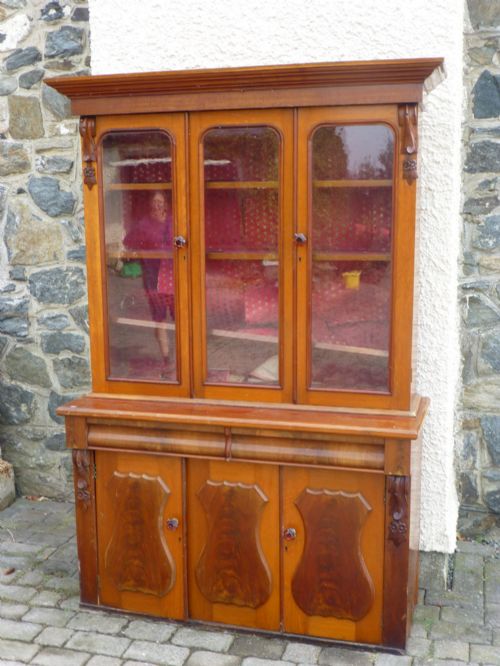
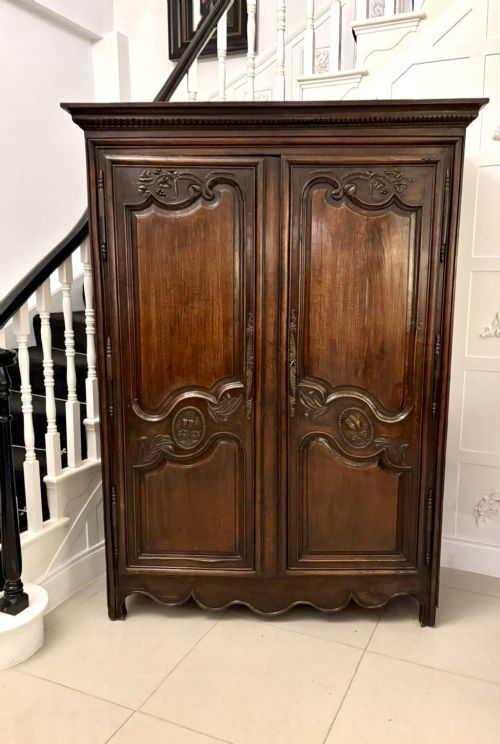
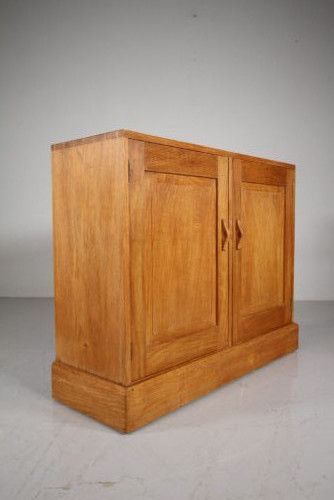
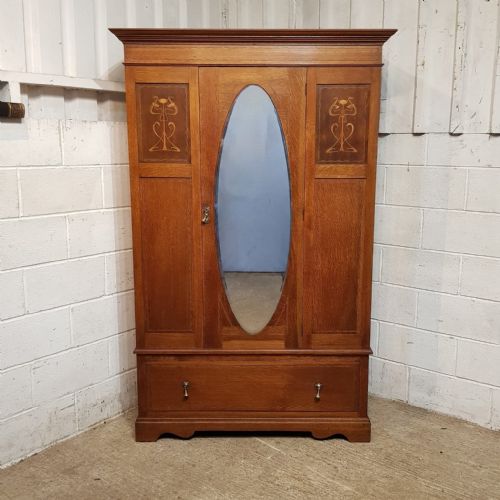
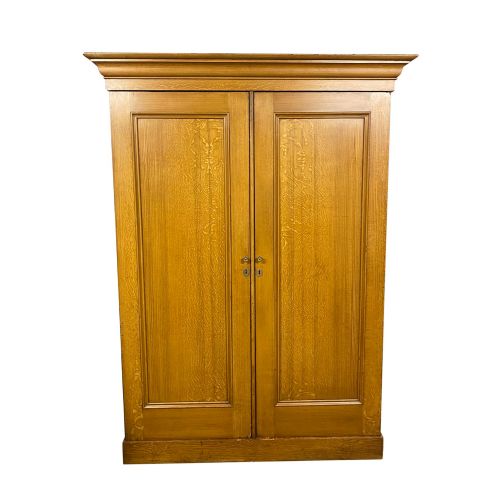
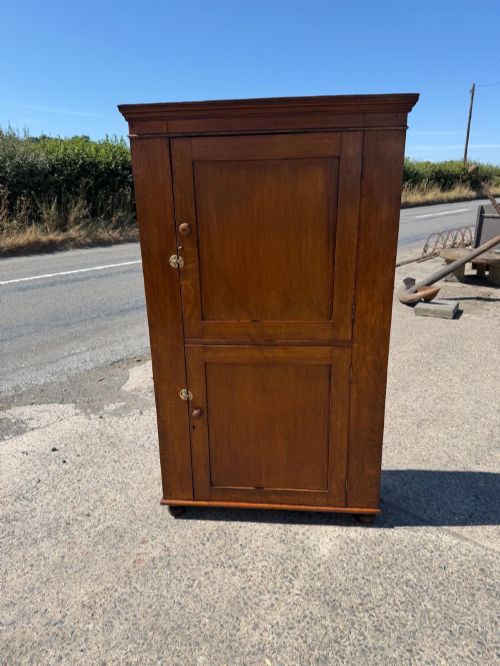
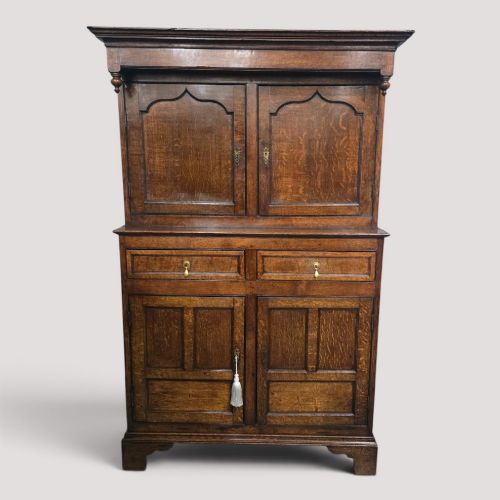
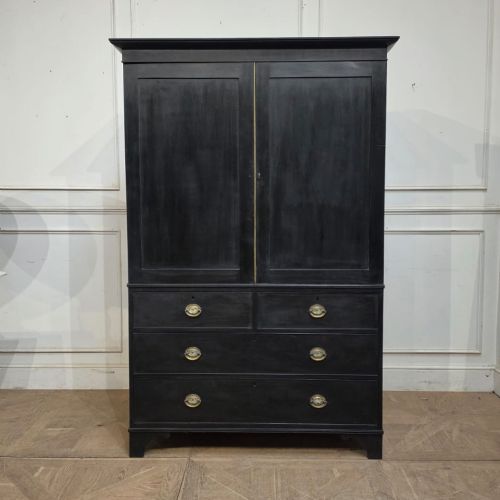
Oak Linen Cupboard
An oak linen cupboard brings substantial storage and centuries of character into a room, spanning rustic Welsh vernacular designs and formal Georgian architectural forms.
Oak Linen Cupboard
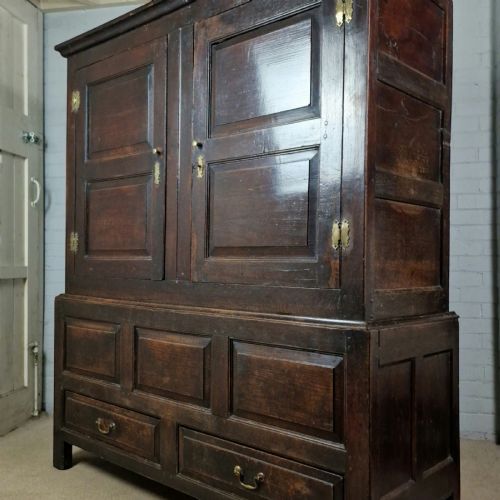
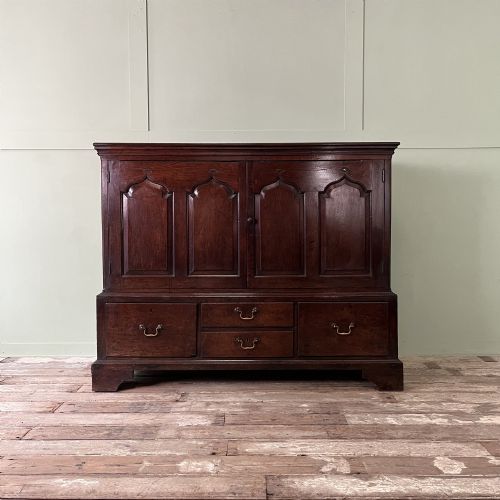
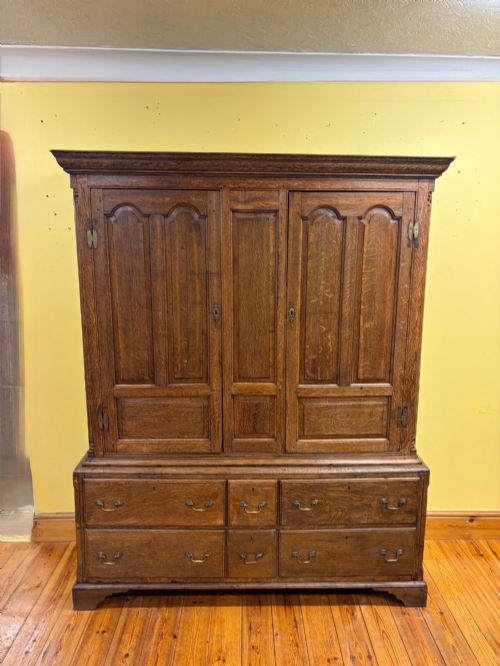
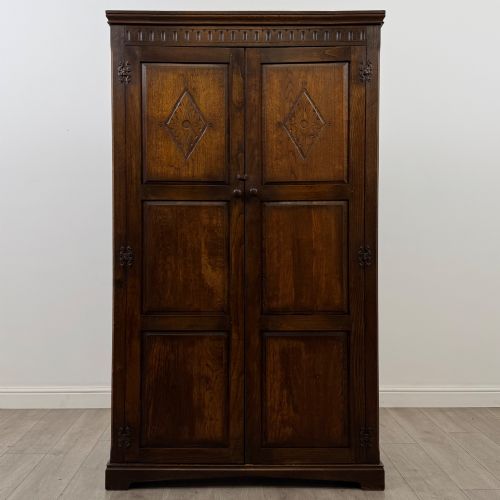
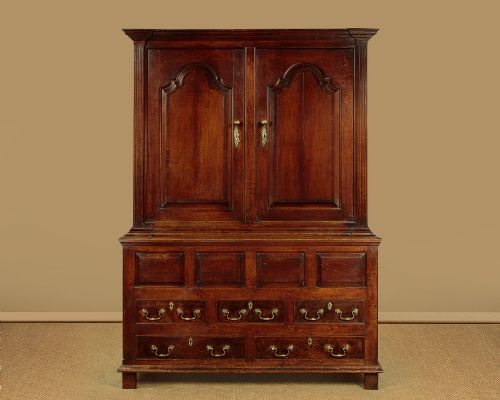
An oak linen cupboard serves as a substantial storage piece, encompassing functional housekeepers' cupboards, press cupboards, and tall wardrobes designed to protect household textiles. The pieces found here span centuries of craftsmanship, ranging from regional Welsh vernacular examples to formal Georgian designs.
Buyers frequently encounter 18th-century Georgian and Victorian interpretations alongside earlier 17th-century presses and later Arts and Crafts iterations. These functional storage units often feature panelled doors, internal shelving, and lower drawer sections designed for organising household linen and garments.
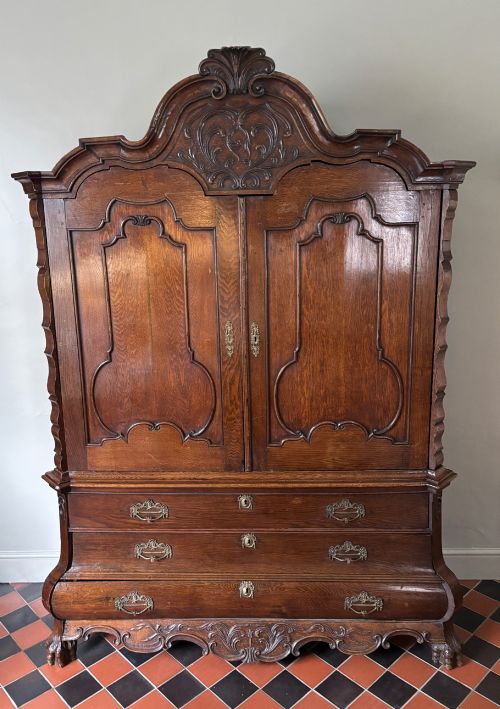
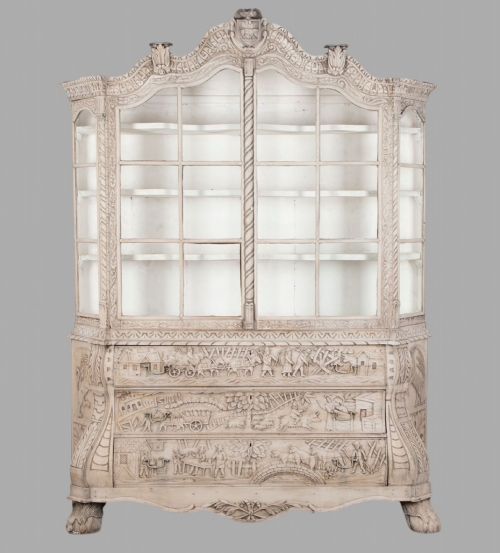
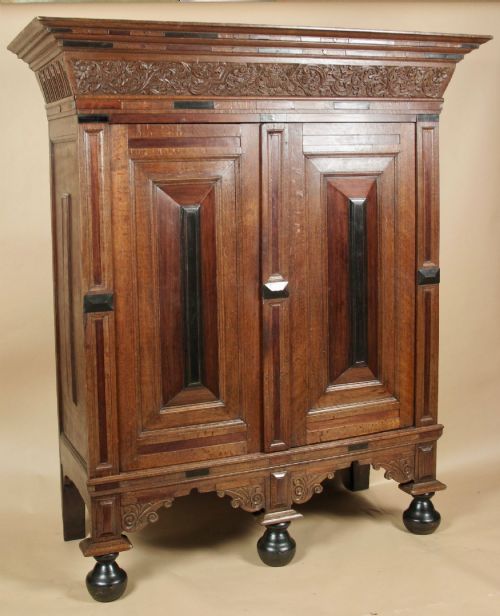
Regional variations appear across the selection, including Dutch baroque armoires and English country pieces constructed from solid timber. Each regional style brings distinct proportions and decorative detailing, reflecting the domestic habits of its period of origin.
Assessing Quality and Character
Quality rests primarily in the integrity of the timber selection, the crispness of any hand-carved detailing, and the survival of an original surface finish or patina. Superior examples display tight grain patterns in the solid oak and retain their original internal shelving and hanging arrangements.
Proportion and balance dictate the aesthetic success of a piece, separating utilitarian storage from finer cabinet work. Pieces retaining original brass hardware, functional locks, and uncompromised structural frames represent the upper tier of surviving examples.
Listings feature solid oak construction spanning the 17th century through the Edwardian period, alongside vernacular forms like Welsh dressers and Dutch armoires.
Heals of London·Harris Lebus·Maples and Co
The Oak Linen Cupboard Glossary
- Linen press
- A tall cupboard featuring upper doors enclosing sliding trays or shelves for storing folded textiles, often sitting above a base section fitted with drawers.
- Housekeeper's cupboard
- A large utility cupboard historically used in substantial country houses to store household stores, linens, and everyday equipment.
- Cwpwrdd deuddarn
- A traditional Welsh two-section oak press cupboard dating typically to the 18th century, characterised by panelled construction and regional vernacular motifs.
- Livery cupboard
- An antique standing cupboard historically utilised for storing food or clothing, featuring ventilated panel doors or pierced turned spindles.
- Patina
- The deep surface sheen and mellow colour developed by aged timber over centuries of handling, polishing, and exposure to light.
Oak Linen Cupboard: Frequently Asked Questions
What is an oak linen cupboard used for today?
These versatile storage units serve modern homes as hallway wardrobes, bedroom linen stores, or living room display cabinets. Their deep internal shelving and generous proportions accommodate folded garments, bedding, and modern household items with ease.
The substantial timber construction provides secure, dark storage environments that protect delicate fabrics from light damage while adding historic architectural presence to contemporary interiors.
How do I distinguish an 18th-century cupboard from a Victorian copy?
Early pieces from the 17th and 18th centuries typically display hand-cut peg joints, irregular hand-planed board widths, and rich surface patination built up over generations. The interior construction methods and timber characteristics often reveal the true age of the carcase.
Victorian and later revival pieces often incorporate machine-sawn timber, standardised hardware fixings, and regular interior layouts. Examining the backboards and drawer linings provides clear clues regarding the manufacturing era and construction techniques utilised.
Where were these cupboards originally made?
Surviving examples originate from workshops across England, Wales, Scotland, and continental Europe, with distinct regional preferences shaping their design. Welsh pieces often showcase robust vernacular construction, while Dutch and French iterations feature more ornate carving and bombé profiles.
English urban workshops and country cabinetmakers alike utilised locally available oak, resulting in regional variations that reflect the specific tool traditions and aesthetic demands of each distinct locality.
How do I care for an antique oak cupboard?
Maintain these wooden pieces by placing them away from direct heat sources and strong sunlight, which can dry out the historic timber and split the panels. Regular dusting with a dry, soft cloth preserves the surface without buildup.
Applying a traditional beeswax polish occasionally helps nourish the oak grain and maintain the deep patina. Avoid silicone-based sprays, as they penetrate the pores of older wood and damage the historic finish.