
Oak Kitchen Dining Chairs
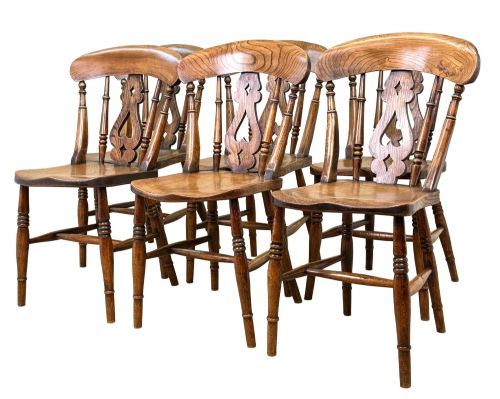
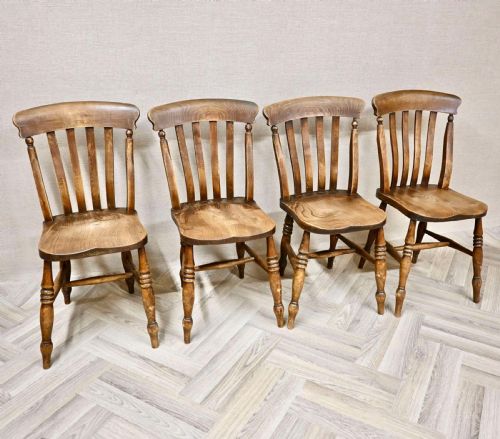
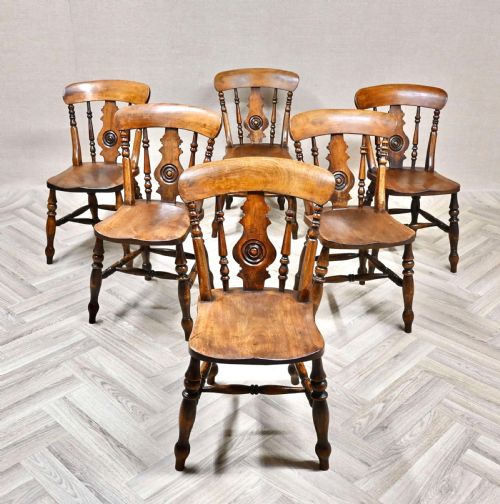
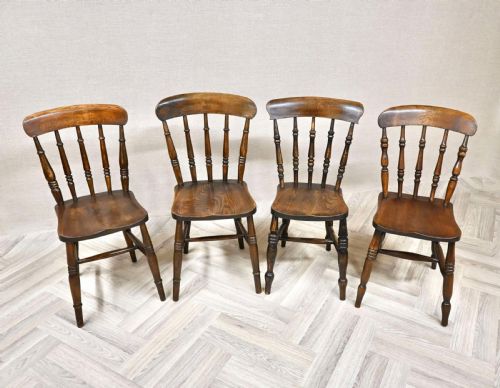
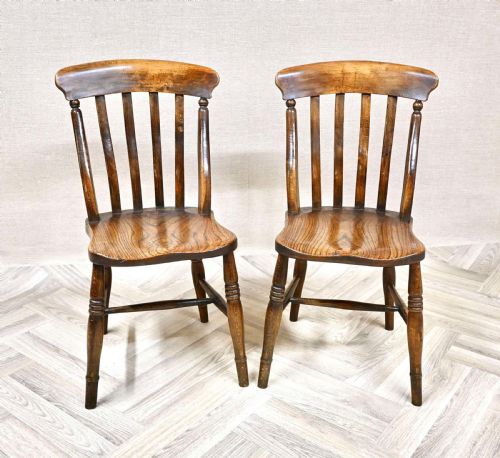
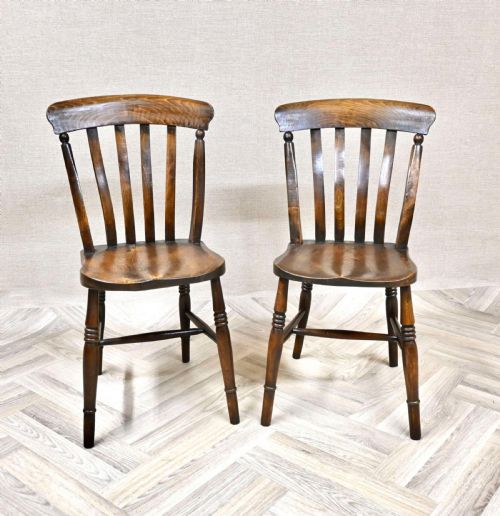
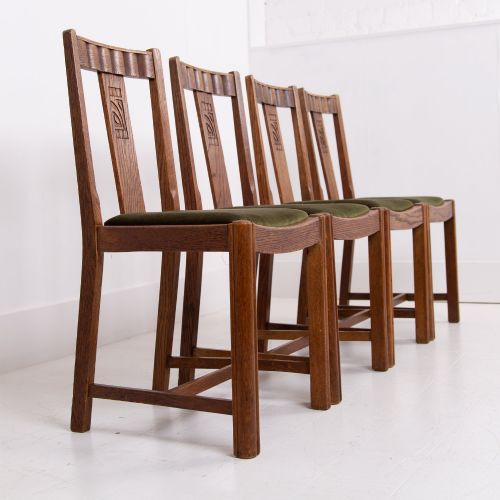
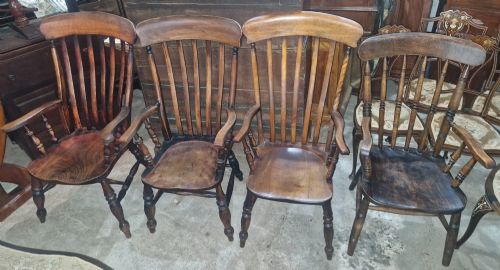
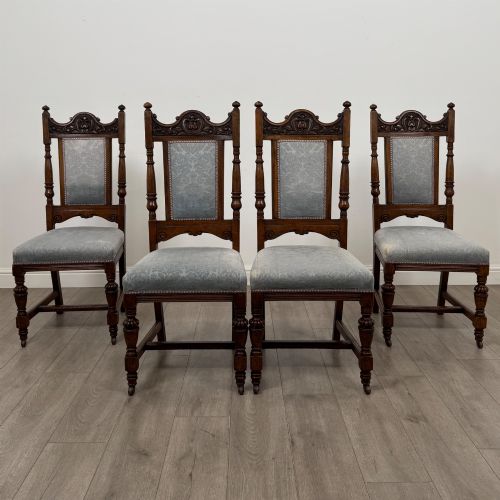
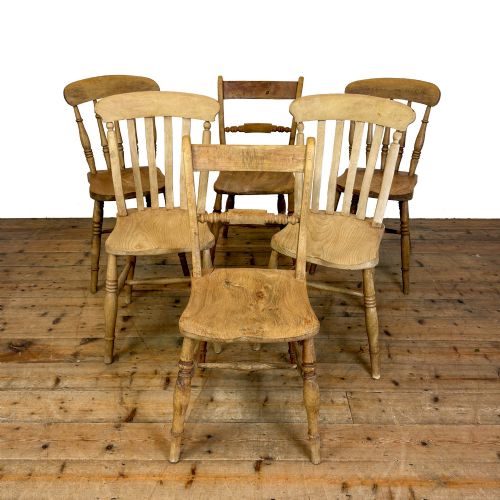
These oak kitchen dining chairs combine everyday utility with enduring vernacular design, offering robust seating shaped by generations of practical use.
Oak Kitchen Dining Chairs
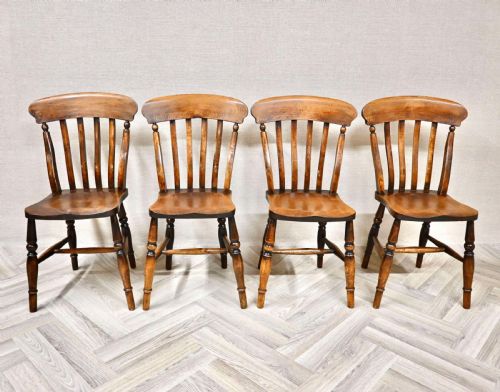
When searching for oak kitchen dining chairs, buyers encounter practical vernacular seating originating from various domestic and provincial traditions spanning the Georgian, Victorian, and Edwardian periods.
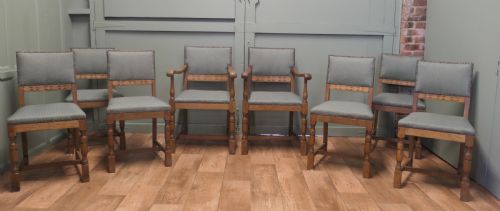
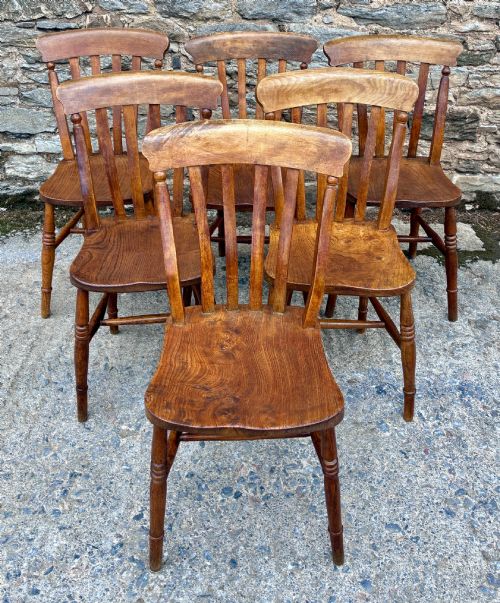
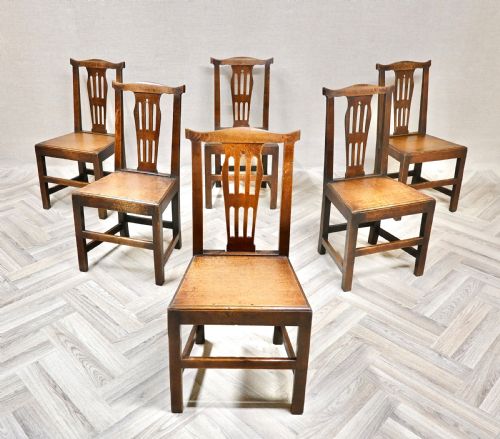
The selections available range from sturdy English and Welsh country Windsor designs to ladderback forms with rush or wooden seats, alongside Arts and Crafts interpretations.
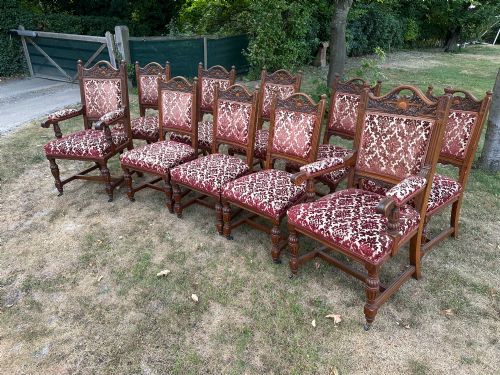
Many appear as matched sets of four, six, eight, or ten pieces, though harlequin sets assembled from related individual items also emerge frequently across these listings.
How They Were Made
Cabinetmakers and rural joiners utilised native hardwoods such as oak, elm, beech, and ash, combining resilient timbers for frames, seats, and spindles to withstand daily domestic wear.
Construction techniques relied on traditional joinery, including turned components, steam-bent hoops, and wedged mortise and tenon joints, while woven rush provided flexible seating surfaces on specific ladderback variants.
Several sets have travelled across centuries from French provincial farmhouses to British kitchens via Welsh workshops.
What Varies In Quality
Variations in quality stem from the integrity of the original construction, the tightness of joint assembly, and the degree of matching within larger sets gathered over time.
The durability of the timber, the preservation of original surfaces, and the stability of woven rush or wooden seat pads distinguish provincial examples produced by skilled regional makers.
Clarkson Wolverhampton·Rigaux
The Oak Kitchen Dining Chairs Glossary
- Windsor
- A traditional wooden chair featuring a solid saddle-shaped seat into which the legs, back spindles, and bow are directly inserted. This construction style developed strength and stability for heavy kitchen use.
- Ladderback
- A chair design characterised by horizontal slats set between the rear upright posts. These frames frequently supported woven rush seating in country dining interiors.
- Harlequin set
- A collection of dining chairs that share a similar style, period, or region but were not originally manufactured as a single unified group. Dealers assemble these to provide larger seating numbers.
- Rush seat
- A seating surface woven from dried marsh grasses around an internal frame. This traditional technique creates a resilient and slightly yielding pad.
- Draw leaf table
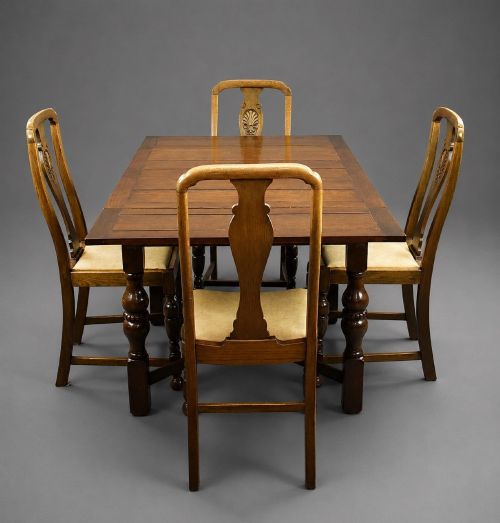
- A dining table incorporating sliding extension leaves stored beneath the main top. These tables frequently accompany larger groups of dining chairs from the early twentieth century.
Oak Kitchen Dining Chairs: Frequently Asked Questions
What is a harlequin set of chairs?
A harlequin set consists of individual chairs that share matching stylistic traits, periods, and materials but were gathered from different sources. This approach allows buyers to acquire larger seating groups that maintain historical harmony without being uniform.
Such collections often bring visual character to a dining space while retaining the construction methods of their respective eras.
How do Windsor chairs differ from ladderbacks?
Windsor chairs utilise a solid wooden seat base that anchors turned legs and a steam-bent back bow or spindle arrangement. In contrast, ladderback chairs rely on vertical rear posts connected by horizontal wooden slats.
Both forms served as functional seating in domestic kitchens, yet their structural engineering and visual profiles remain distinct.
Are rush seats durable for daily dining?
Woven rush seats offer surprising resilience and flexibility when maintained in dry indoor environments. The natural material yields comfortably under weight while supporting regular use around a kitchen table.
Care involves keeping the fibres clean and avoiding excessive moisture exposure to preserve the integrity of the weave.
How can I date an oak kitchen chair?
Dating relies on observing construction marks, timber patination, tool traces, and stylistic markers specific to periods like the Georgian or Victorian eras. Hand-turned spindles and pegged joints often indicate earlier provincial craftsmanship.
Comparing the proportions and joinery details against documented historical examples helps clarify the likely manufacturing decade.