
Oak Hallway Seating
Solid oak hallway seating brings functional historic character to an entrance, offering sturdy benches, settles and chairs built to last.
Oak Hallway Seating
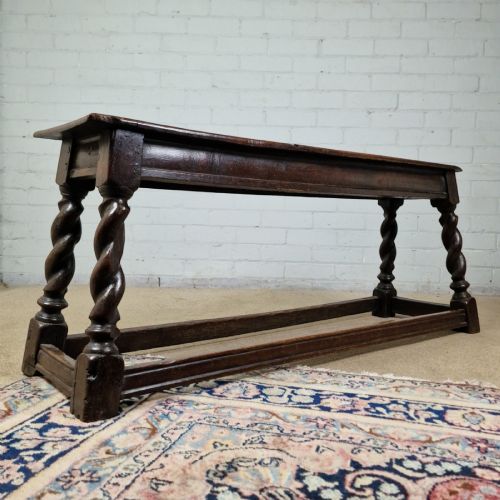
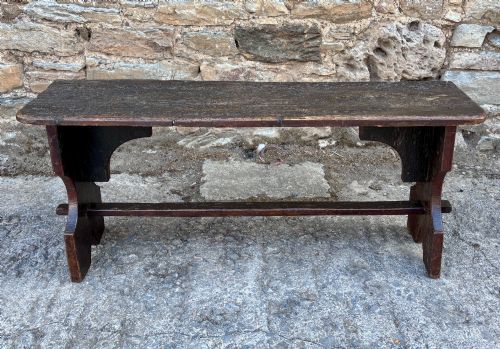
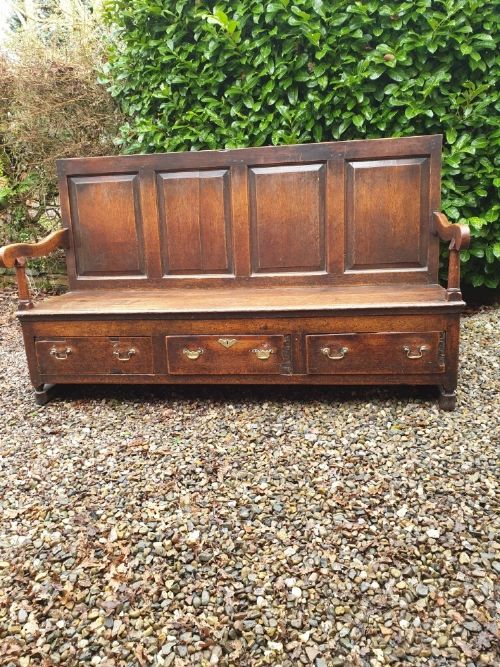
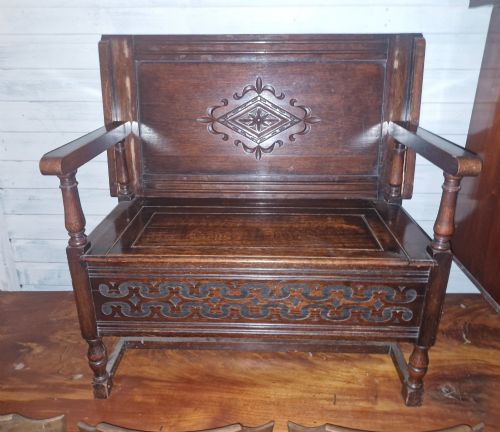
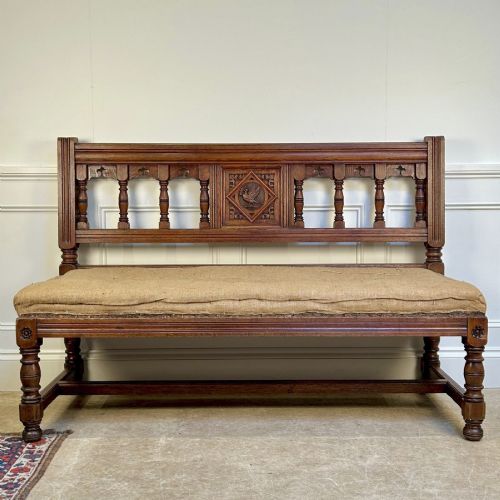
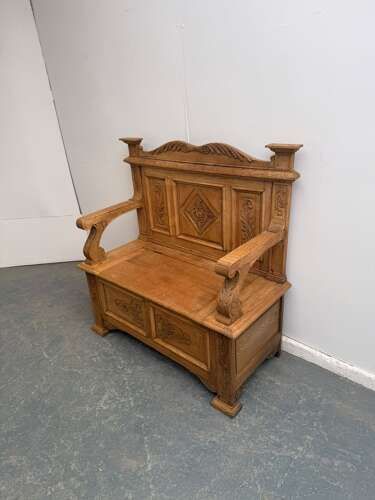
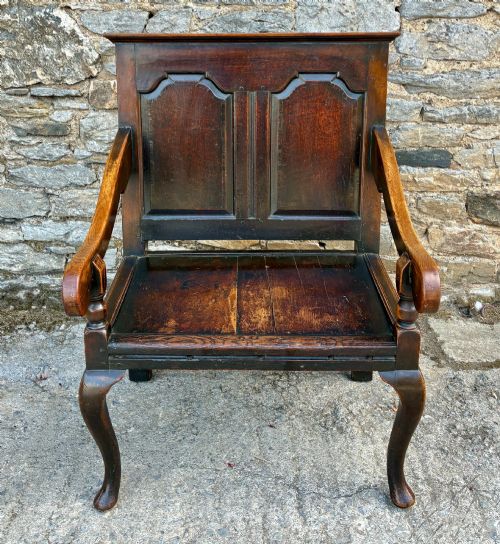
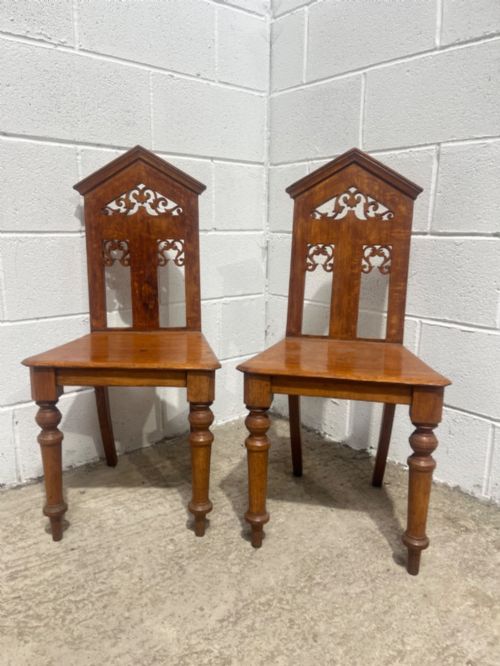
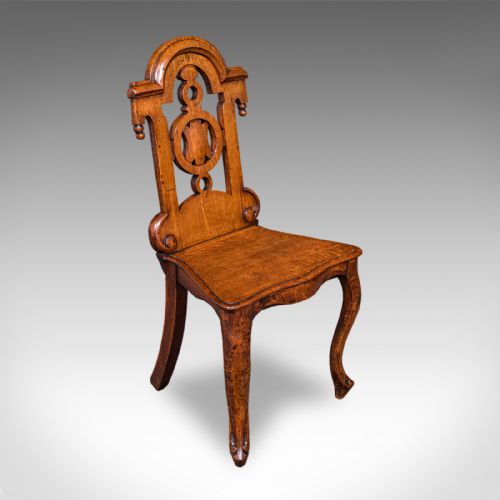
The most frequent examples found here include traditional box settles with lift-up storage lids, carved Victorian benches, and tall-backed hall chairs featuring heraldic shields or Gothic details. Pieces range from rustic country examples to elaborate revival styles influenced by Jacobean and Gothic designs.
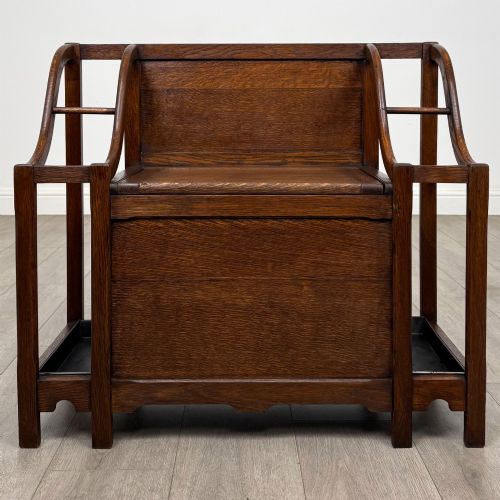
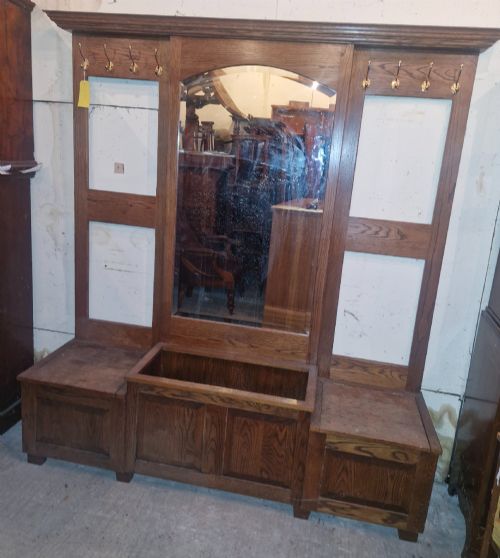
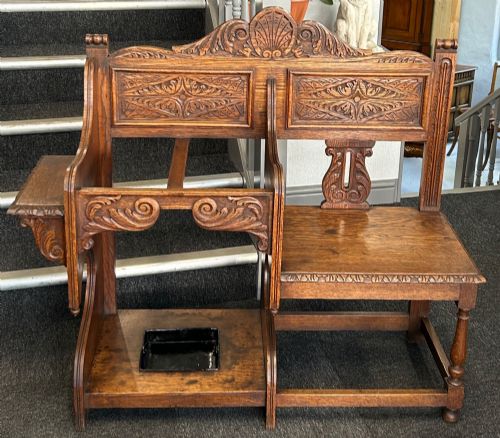
Origin and period vary widely, encompassing regional English and Welsh pieces alongside French variants and workshop productions. Buyers meet everything from compact lift-lid window seats to large multi-functional hall seat stands incorporating stick and umbrella storage.
Materials and construction methods
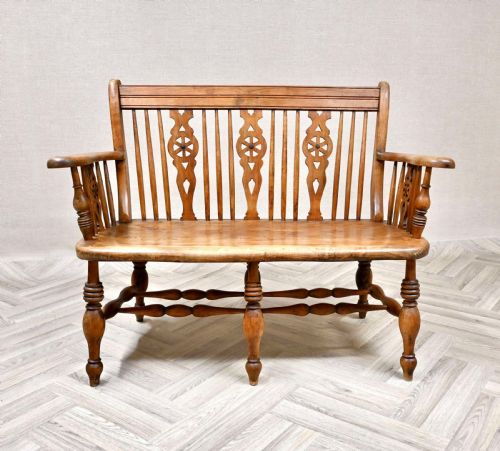
Construction relies fundamentally on solid oak, frequently paired with secondary timbers like elm for seating boards, alongside traditional iron fixings and brass mounts. Cabinetmakers utilised robust joinery techniques, including panelled construction and pegged mortise and tenon joints, ensuring these heavy pieces endured decades of daily hallway use.
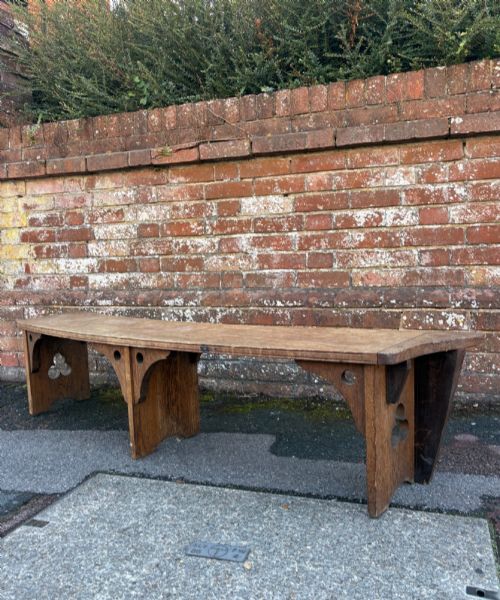
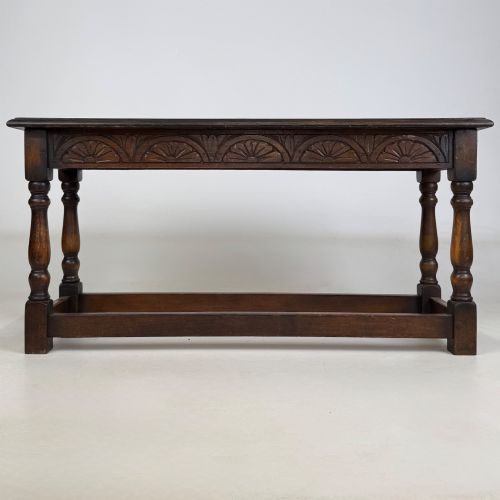
Surface finish and decoration define the visual character, utilising wax polishes to enrich the grain of the golden or dark timber. Carving takes many forms, from simple geometric relief panels and tulip motifs to elaborate Green Man masks, trefoil supports, and heraldic shield backrests.
Listings feature pieces spanning the 18th, 19th, and 20th centuries, utilising solid oak alongside elm, brass, iron, and fabric elements.
Distinctions in construction and design
Quality reveals itself in the integrity of the timber selection and the precision of the joinery, distinguishing heavy, solid construction from lighter alternative builds. Superior examples display thoughtful proportions, balanced panel work, and harmonious carving executed with deep relief rather than shallow surface scoring.
Provenance and maker attribution elevate certain items, particularly those bearing the stamp or distinct design hand of established cabinetmakers like Gillows or James Shoolbred & Co. Original hardware, intact storage mechanisms, and well-preserved structural integrity separate everyday utility pieces from finer country house commissions.
Gillows·James Shoolbred & Co·Shapland & Petter·Liberty
The Oak Hallway Seating Glossary
- Settle
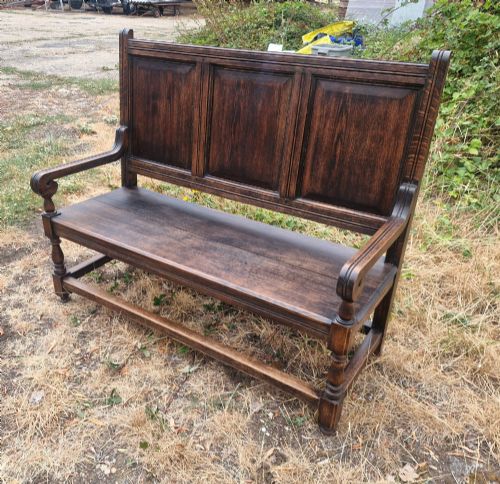
- A high-backed wooden bench with solid arms and a closed base, often featuring built-in storage beneath the seat. This form kept draughts away in historic hallways and entrance passages.
- Box Settle
- A specific type of settle where the base incorporates a compartment accessed via a hinged lid. It provided practical storage for boots, blankets, and outerwear.
- Monks Bench
- A convertible piece of furniture featuring a hinged back that folded down over the arms to form a table top. Later revival versions often incorporated carved motifs like the Green Man.
- Hall Chair
- An upright wooden seat designed for an entrance hall rather than long-term comfort, frequently featuring a solid timber or carved shield-shaped back. They were often made in pairs or matching sets.
- Trefoil
- A three-lobed decorative ornament resembling a clover leaf, commonly pierced or carved into the wooden supports of Arts and Crafts and Gothic revival furniture.
Oak Hallway Seating: Frequently Asked Questions
How do I use a box settle in a modern hallway?
Box settles provide practical hidden storage beneath the hinged seat lid for shoes, umbrellas, and winter accessories. Their narrow profile allows them to sit flat against an entrance wall without blocking foot traffic.
Pronounced wooden backs also offer a surface to hang hats or coats nearby, anchoring the boot room or hallway aesthetic.
How can I tell a Victorian hall seat from a Georgian one?
Georgian examples usually display simpler, more utilitarian lines with pegged joinery and restrained geometric paneling. Their timber patination often shows deeper wax softening accumulated over centuries of domestic use.
Victorian pieces frequently embrace revival styles such as Gothic, Jacobean, or Arts and Crafts movements, displaying heavier carved relief details like heraldic shields or Green Man masks.
Are hall chairs meant for everyday sitting?
Hall chairs were historically designed for brief moments of waiting rather than lounging, featuring rigid upright timber backs and solid wooden seats. They act primarily as decorative statement pieces in an entranceway.
Placing one near a door provides a convenient spot to sit while putting on footwear.