






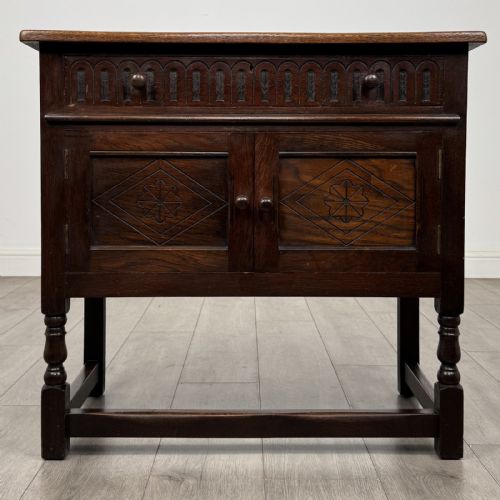
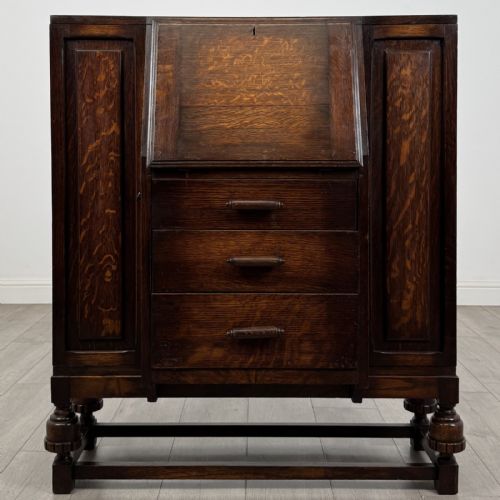
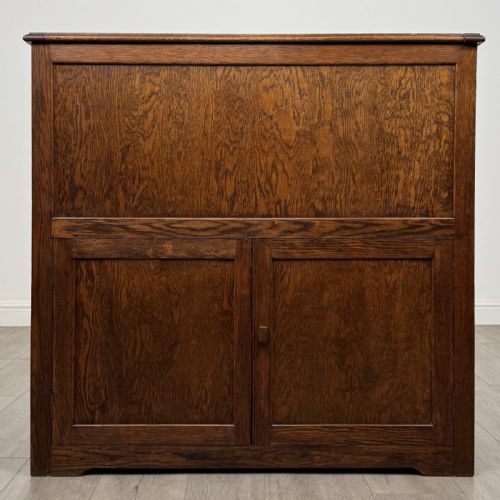
Oak Fitted Cabinet
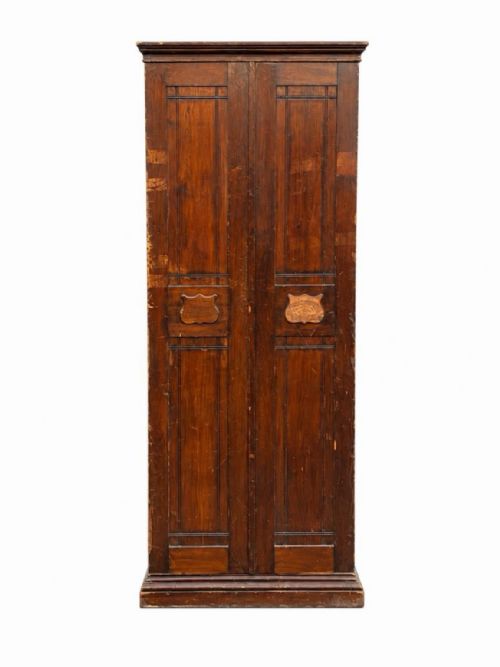
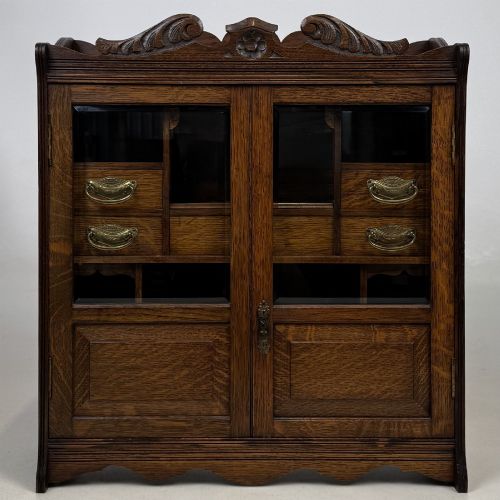
An oak fitted cabinet brings orderly storage and rich timber grain to a room, ranging from Edwardian wardrobes to Georgian bureaux.
Oak Fitted Cabinet
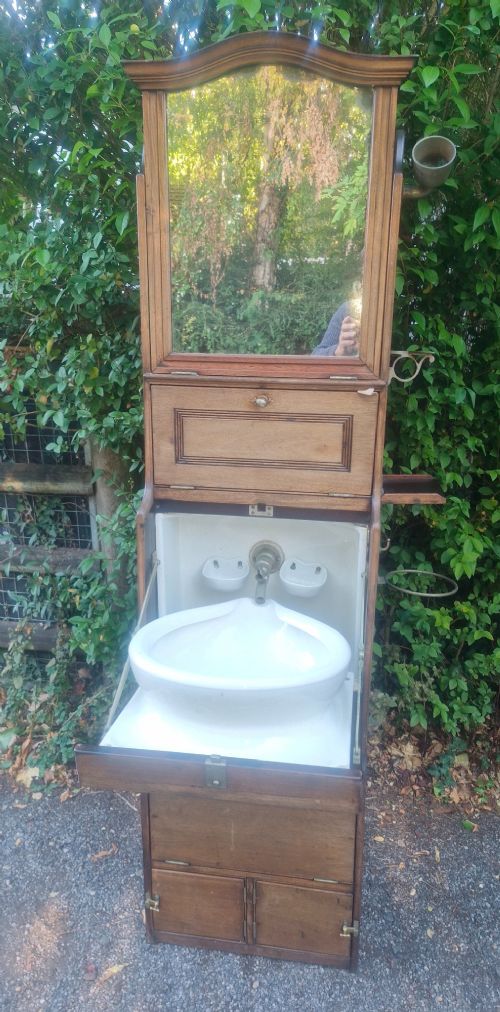
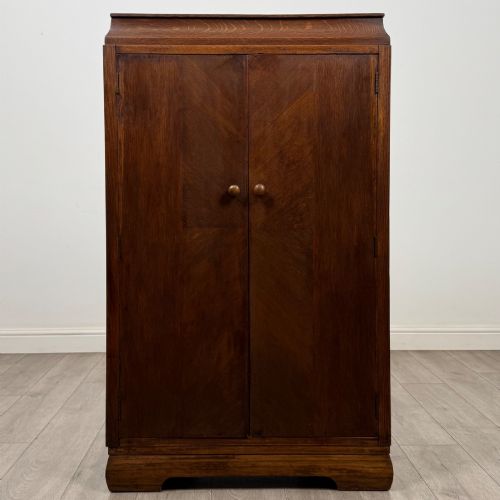
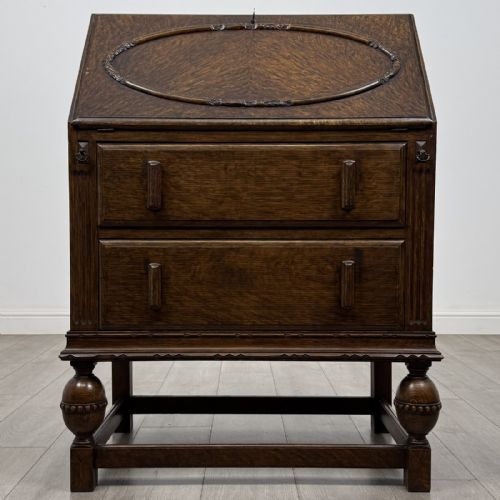
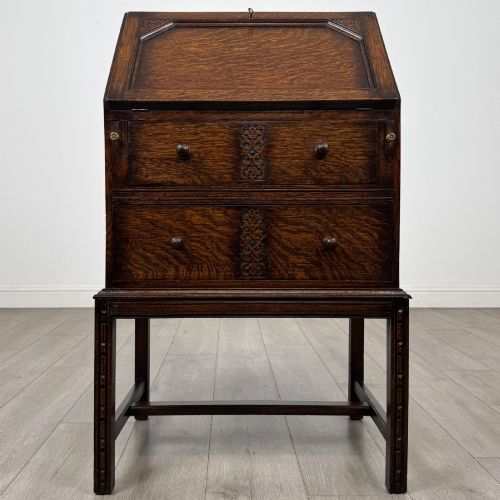
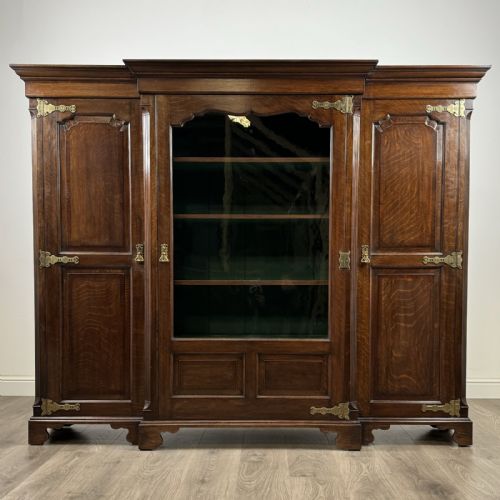
An oak fitted cabinet serves as a practical storage solution, taking forms such as wardrobes, display cabinets, bookcases, and bureaux.
The selection spans periods from the Georgian era through the Victorian period, Edwardian years, and into the nineteen thirties.
Buyers encounter specialised storage pieces including shop display counters, haberdashery banks of drawers, and stationery cabinets.
What varies in quality
The standard of a piece depends on the depth of the carved detailing, the complexity of the interior fittings such as pigeon holes or banks of drawers, and the integration of specialised elements like mechanical dispensing mechanisms.
Construction integrity shows in the choice between solid timber and veneer, the precision of the joinery in bureau fall-fronts, and the quality of brass or chrome hardware fitted to doors and drawers.
Oak Fitted Cabinet Retail Price Guide 2026
Typical asking prices for oak fitted cabinet among the pieces listed under this phrase on Sellingantiques today, from the lower quarter to the upper quarter. They describe what is for sale here now, not the wider market.
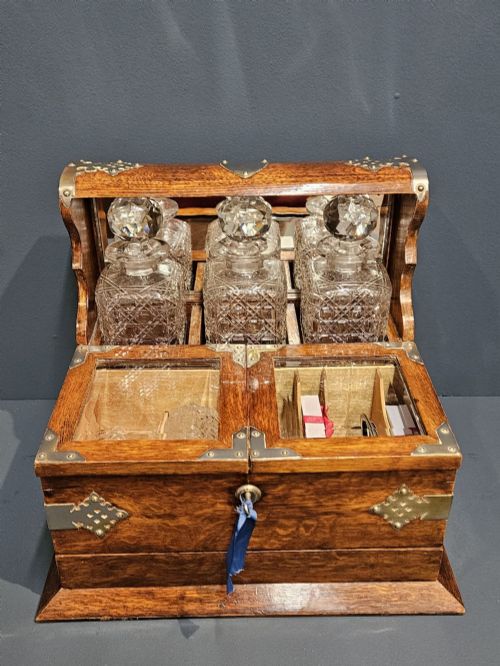
A gamekeeper's cabinet stands ready for country pursuits, while a mechanical dispensing shop counter prepares to serve Castile soap.
Crown Furniture·Dudley & Co·Howard & Sons·Walker & Hall
The Oak Fitted Cabinet Glossary
- Bureau
- A writing desk featuring a sloping fall-front that opens to reveal an internal arrangement of small drawers and pigeon holes.
- Haberdashery cabinet
- A multi-drawer retail unit, often featuring glass fronts, designed for storing and displaying small drapery goods or shop stock.
- Linenfold
- A style of carved wooden panelling that imitates folded fabric, frequently seen on the fronts of Edwardian and earlier cupboards.
- Pigeon hole
- A small, open compartment within a fitted interior, used for sorting letters, papers, or documents.
Oak Fitted Cabinet: Frequently Asked Questions
What rooms suit an oak fitted cabinet?
These pieces fit naturally into studies, living rooms, and bedrooms where organised storage is required. Their fitted interiors manage paperwork, books, or clothing efficiently.
Larger items like wardrobes and bookcases anchor a main wall, while smaller stationery cabinets or tabletop display units sit comfortably on desks and sideboards.
How do I care for antique oak furniture?
Maintain the timber by keeping pieces away from direct heat sources and sudden temperature changes, which can dry out the wood. Regular dusting with a soft, dry cloth preserves the finish.
Apply a traditional beeswax polish sparingly when the wood appears dry, buffing gently to maintain a soft sheen without building up excess residue.
How do I distinguish Edwardian oak from Victorian oak?
Victorian pieces tend to feature heavier proportions, darker finishes, and deeper, more elaborate carved detailing. The influence of the Gothic Revival often appears in these earlier designs.
Edwardian examples frequently utilise golden oak with lighter tones, cleaner lines, and the influence of the Arts and Crafts movement, focusing on simpler forms and utility.
What is the function of a haberdashery cabinet?
Haberdashery cabinets were originally manufactured for retail shops to store and display small items like ribbons, buttons, and sewing accessories. Their shallow, multi-drawer banks made inventory visible and accessible.
In modern homes, these units serve as versatile storage for collections, craft materials, or stationery, utilising the original glazed or panelled pull-out drawers.