





Oak Drawer Cupboard Unit
An oak drawer cupboard unit brings solid timber storage and period character into a room.
Oak Drawer Cupboard Unit
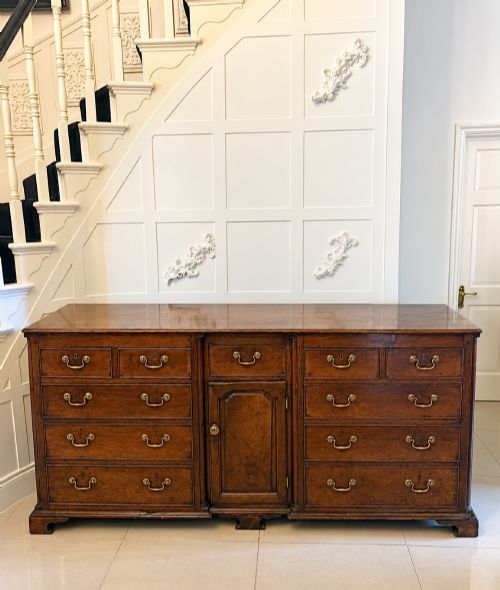
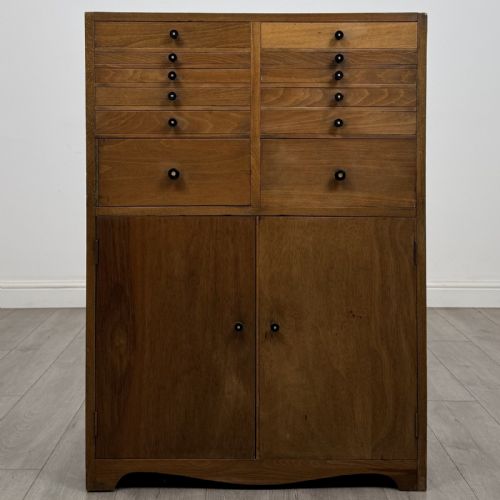
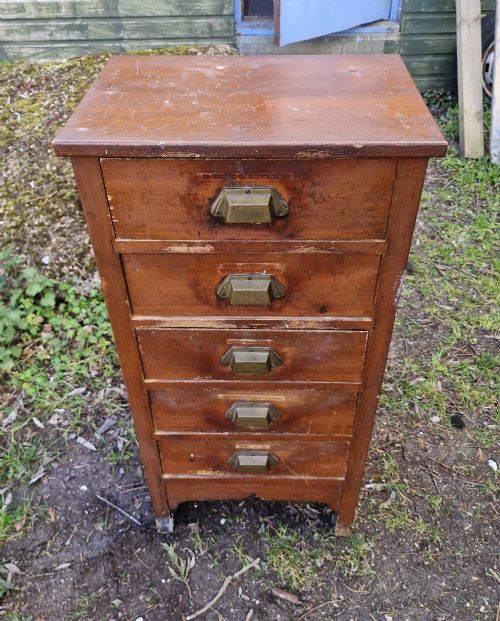
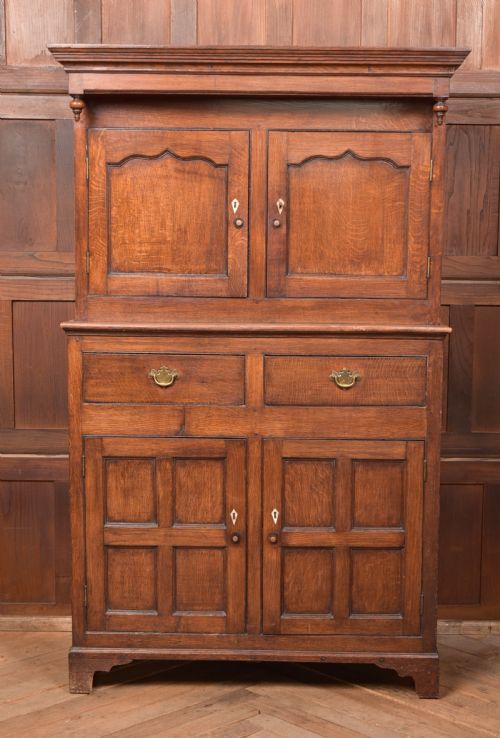
An oak drawer cupboard unit combines enclosed storage with drawer space, appearing across periods from Georgian country pieces to early twentieth century office furniture. When searching for an oak drawer cupboard unit, buyers encounter diverse forms ranging from estate housekeepers cupboards to medical carrying chests, filing cabinets and small office drawers.
The pieces on this page span the nineteenth century, the nineteen hundreds, the nineteen twenties and the nineteen thirties, encompassing Georgian designs, Victorian pieces and later industrial utility styles. Welsh country and English country origins also appear, alongside specific items bearing makers or retailers names such as Simpson Halifax and Amberg.
Materials and construction
Joinery techniques serve functional purposes in larger pieces like court cupboards, estate housekeepers cupboards, and corner cabinets on stands. Smaller items such as medical carrying chests and filing furniture demonstrate the utilitarian construction methods common to early twentieth century workspace storage.
Oak Drawer Cupboard Unit Retail Price Guide 2026
Typical asking prices for oak drawer cupboard unit among the pieces listed under this phrase on Sellingantiques today, from the lower quarter to the upper quarter. They describe what is for sale here now, not the wider market.
Seven small medical carrying chests sit alongside grand estate cupboards, proving good storage comes in all scales.
Judging quality in storage furniture
Quality separates ordinary utility pieces from finer examples through the integration of original period hardware, such as well-cast brass handles, and the integrity of the timber. Finer pieces maintain balanced proportions across complex configurations like fitted storage cabinets and Heals style dressing chests.
The execution of specific regional vernacular styles, such as Welsh oak corner furniture or Georgian estate cupboards, influences the standing of a piece. Original configurations and intact internal drawers hold more interest than heavily altered examples.
The Oak Drawer Cupboard Unit Glossary
- Court cupboard
- A traditional enclosed storage piece, typically featuring upper and lower sections with doors, often associated with earlier periods. These items provide substantial presence in a room.
- Housekeepers cupboard
- A large storage piece traditionally used in large estates for linen and dry goods, combining cupboards and drawers. They offer deep internal capacity.
- Filing cabinet
- An office storage unit designed to hold documents, often fitted with multiple drawers and specialised hardware such as brass pulls or steel mechanisms. These items reflect early twentieth century workspace evolution.
- Corner cabinet
- A storage unit designed to fit into a room corner, available in wall-hanging formats or freestanding versions resting on stands. They make efficient use of difficult spaces.
Oak Drawer Cupboard Unit: Frequently Asked Questions
What periods do these cabinets cover?
The pieces span from the Georgian era and eighteen hundred through the nineteenth century, nineteen hundred, and nineteen twenties up to the nineteen thirties. This covers both traditional country furniture and early industrial office pieces.
Buyers will find Victorian and late Victorian items alongside early twentieth century utility styles and specific regional pieces like Welsh country cupboards.
How were these units used originally?
Uses ranged widely across domestic and workspace environments, from estate housekeepers storing household goods to offices utilising filing cabinets and small drawer units. Medical chests served specialist carrying purposes.
Domestic forms included corner cabinets for display and dressing chests for personal grooming, while larger fitted storage cabinets handled general household organisation.
How do I identify a Georgian piece?
Georgian pieces display traditional proportions and construction methods typical of the eighteenth century and the year eighteen hundred. Examples include estate cupboards and corner cabinets on stands.
They rely on solid oak construction and classic joinery, distinguishing them from later Victorian, Art Deco, or early twentieth century industrial utility designs.