
Edwardian Oak Storage Cabinet
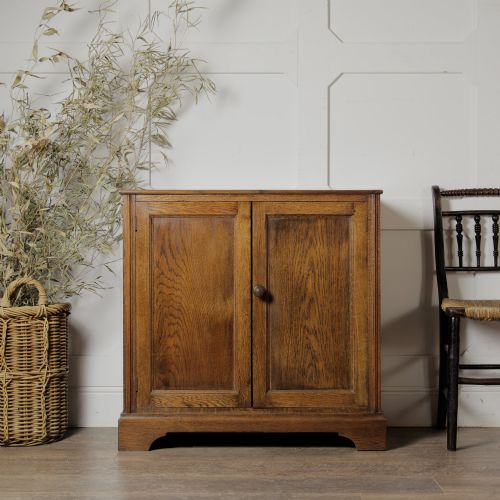
An edwardian oak storage cabinet brings utilitarian timberwork into domestic rooms with sturdy practicality.
Edwardian Oak Storage Cabinet
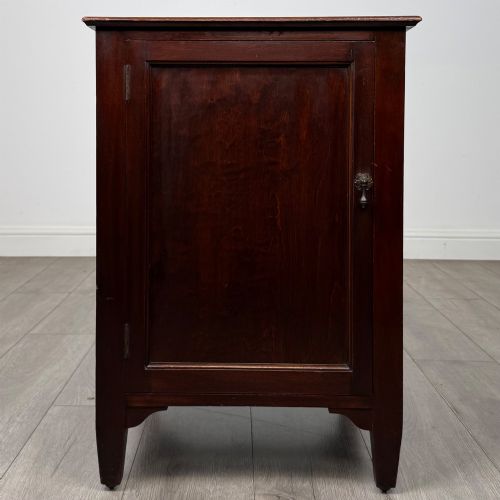
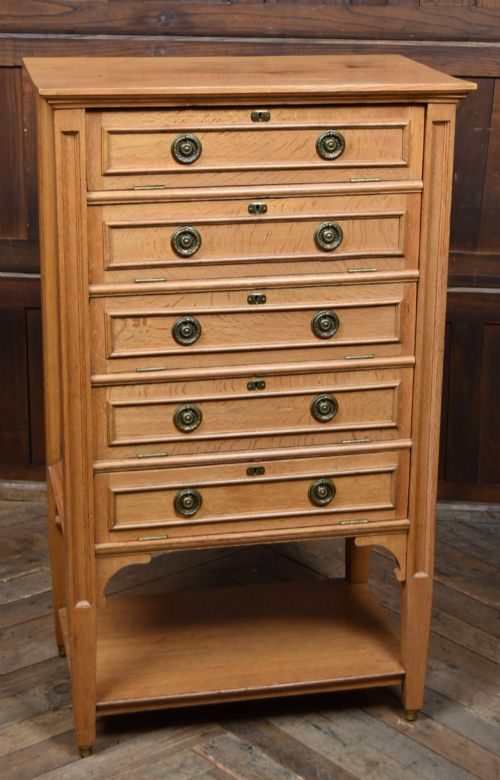
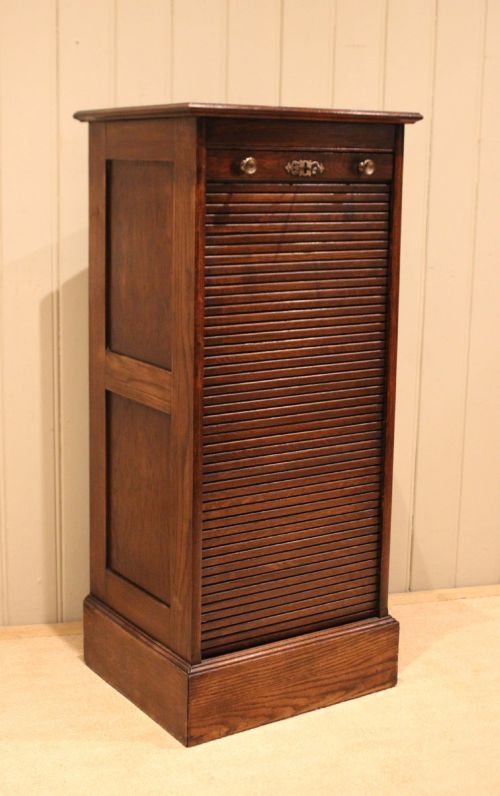
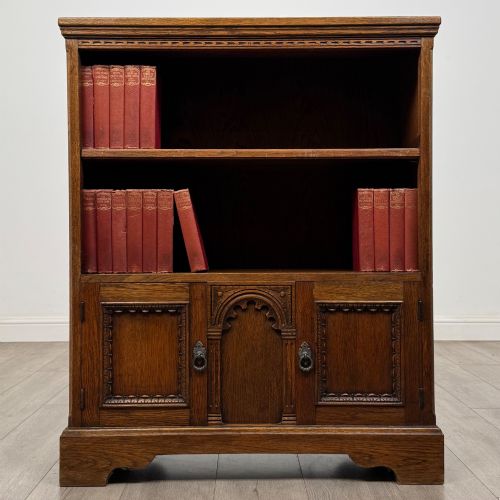
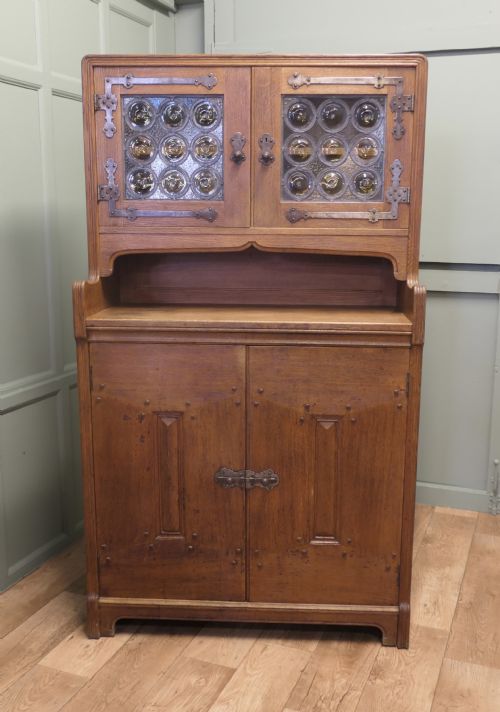
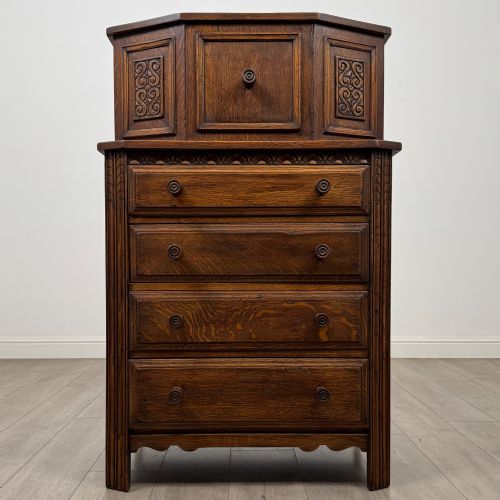
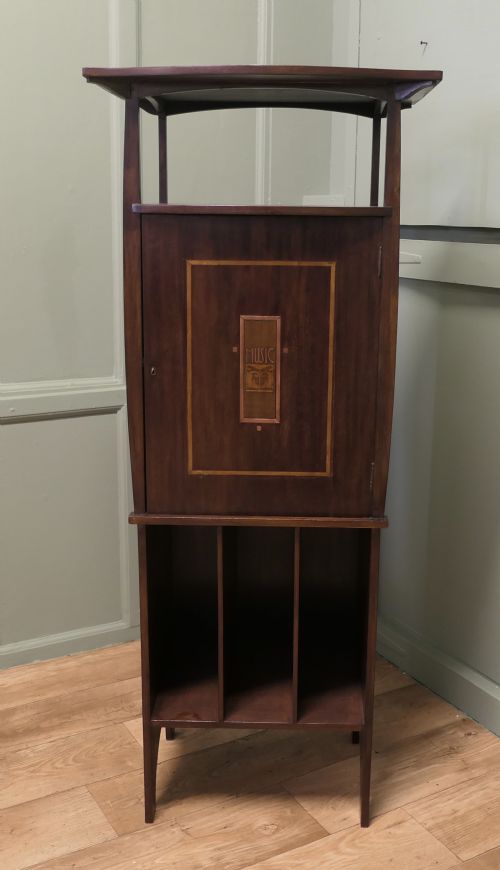
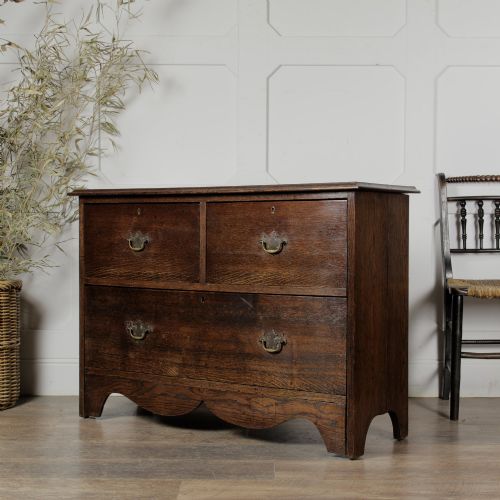
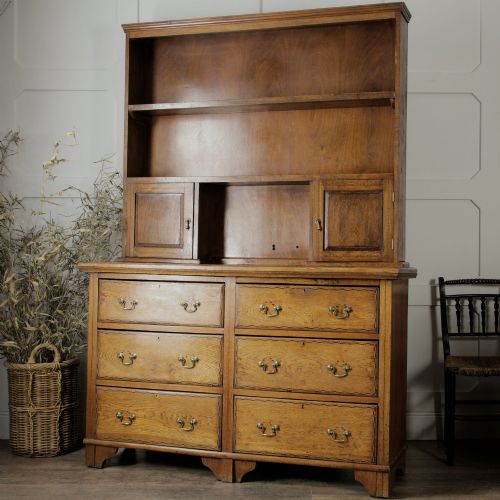
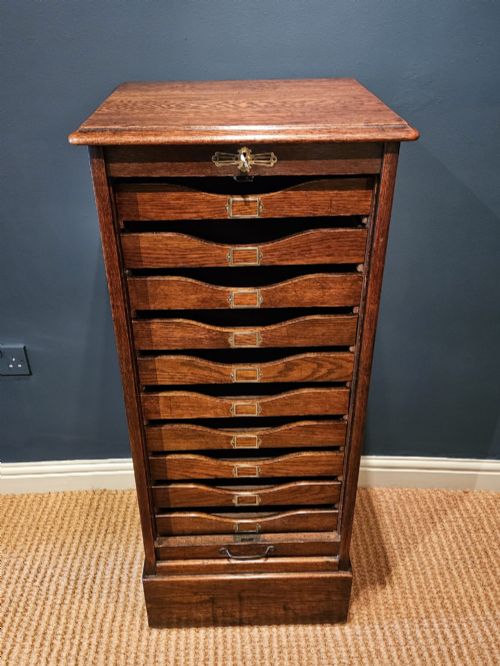
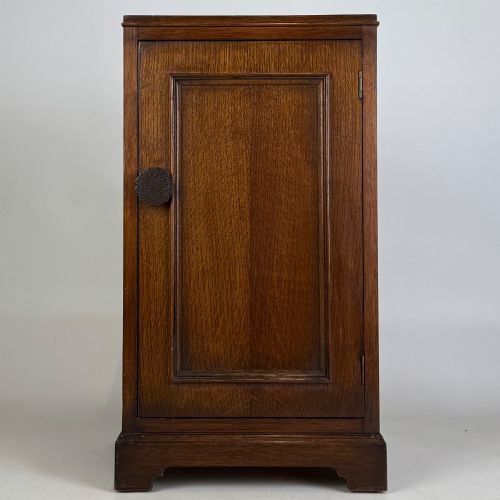
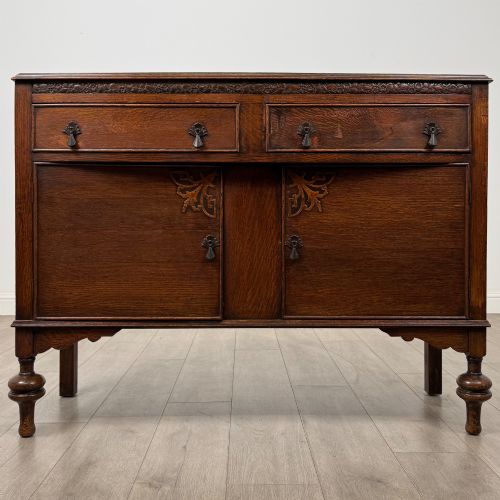
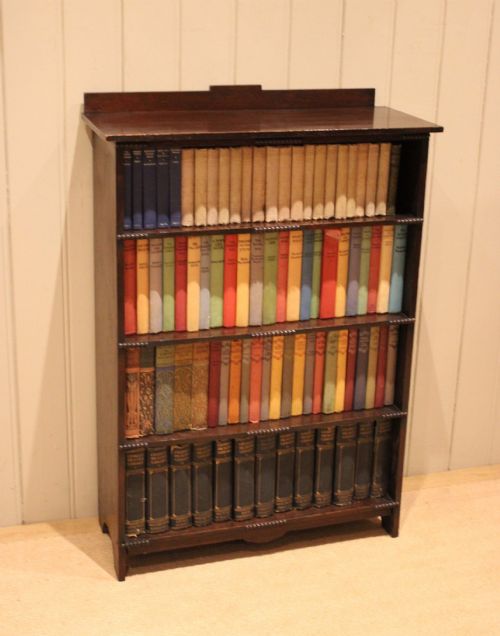
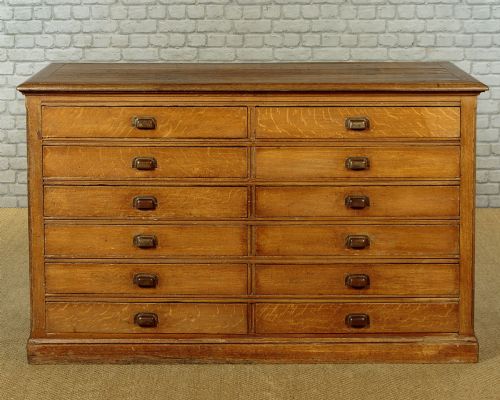
When searching for an edwardian oak storage cabinet, buyers encounter diverse pieces spanning filing cabinets, bookcases, bedside units, music cabinets, and cupboards made across the Edwardian era and surrounding decades. The listings show forms ranging from tambour front office furniture to glazed display cases and low dressers.
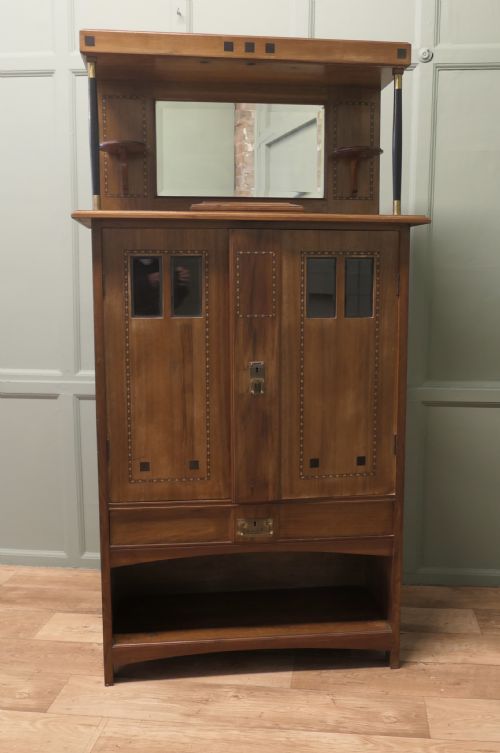
Most examples originate from the early twentieth century, combining functional storage with the robust timber character typical of the period. Makers utilised oak across various styles, including Arts and Crafts, Jacobean Revival, and Secessionist designs.
Materials and Construction
Solid and stained oak dominate the construction, often accented with brass handles, iron fittings, and glass panels for display doors. Carpenters utilised durable joinery techniques to build functional pieces designed for daily use in offices and homes.
Surfaces display various finishes from dark oak stains to golden tones and limed treatments, complemented by specialised mechanisms such as tambour doors and multi-drawer configurations.
Listings feature solid oak combined with brass, glass, and iron across filing cabinets, bookcases, and cupboards dating from eighteen eighty to nineteen forty.
Grading Quality
Superior pieces display thoughtful integration of hardware like brass pulls alongside fine carving and stamped maker signatures that elevate standard utilitarian storage into notable design examples. The precision of sliding tambour mechanisms and fitted internal compartments distinguishes finer workshop production from simpler commercial office furniture.
Proportion and timber selection drive the distinction between ordinary utility items and exceptional pieces, particularly where lighter honey oak or specialised revival styles meet careful cabinetmaking.
GM Elwood·JS Henry·Peter Waals·Liberty
The Edwardian Oak Storage Cabinet Glossary
- Tambour
- A flexible door constructed from narrow vertical strips of wood glued to a canvas backing, allowing it to slide smoothly around a curved track.
- Arts and Crafts
- A design movement valuing honest construction and visible craftsmanship over mass production, frequently seen in plain oak furniture.
- Jacobean Revival
- A style echoing seventeenth-century decorative motifs, often expressed through heavy carved panels and dark finishes on Edwardian carcases.
- Secessionist
- A modernist stylistic approach emerging around nineteen hundred that emphasised clean lines and geometric forms in cabinet design.
Edwardian Oak Storage Cabinet: Frequently Asked Questions
What is a tambour cabinet?
A tambour cabinet uses slatted wooden doors that slide along tracks to conceal interior shelving or filing slots.
This clever mechanism allowed offices and homes to save space by avoiding swinging doors in tight corridors.
Where were these cabinets used?
These storage pieces served diverse roles in professional offices, bedrooms, music rooms, and smoking lounges.
Smaller tabletop boxes held cutlery or documents, while larger cupboards and filing banks managed heavy administrative work.
Are these cabinets purely functional?
While built for practical storage, many examples incorporate decorative elements like carved panels, brass hardware, and glass display doors.
Movements such as Arts and Crafts ensured that utility pieces retained artistic integrity through thoughtful proportions.