


Antique Oak Safe Cabinet
These antique oak safe cabinet pieces combine sturdy timber with secure hardware, offering both practical storage and historic character.
Antique Oak Safe Cabinet
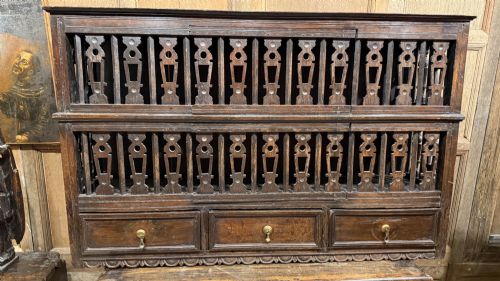
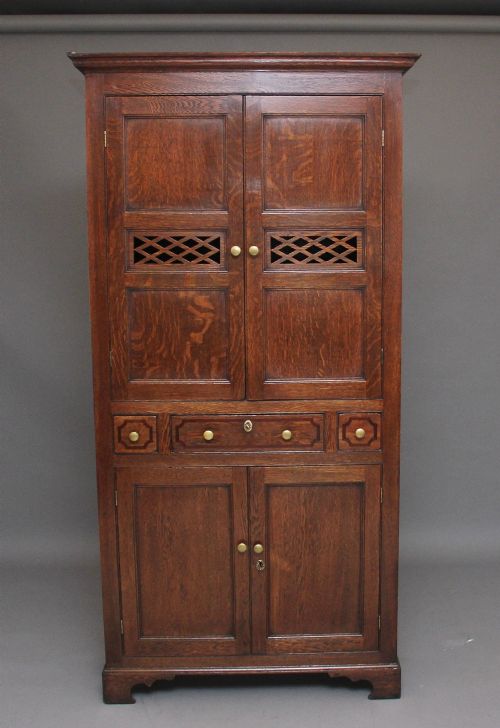
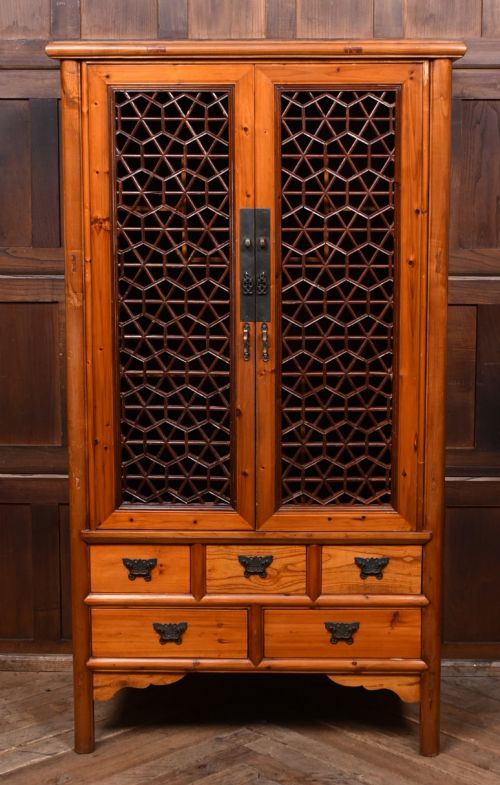
An antique oak safe cabinet brings together centuries of utilitarian design, spanning food safes, key cabinets, wall cupboards, and larger larder storage. These pieces originate from periods including the 17th, 18th, and 19th centuries, reflecting domestic needs across various regions.
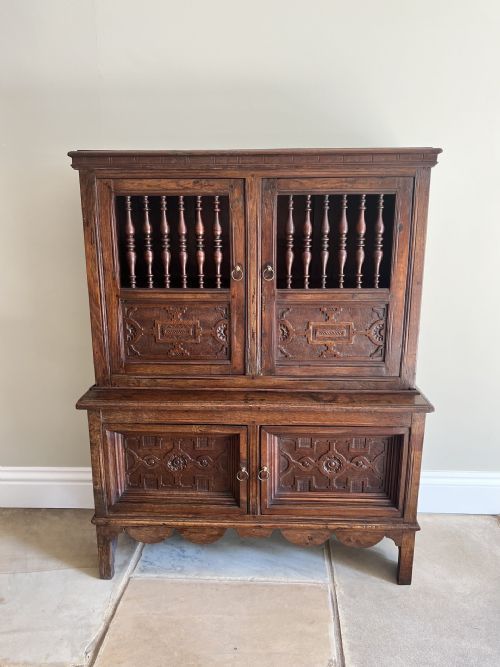
You encounter styles ranging from French Provincial and Georgian Country to Arts and Crafts and Primitive Country examples. The timber frames often incorporate functional ventilation panels, metal grilles, or heavy iron hinges suited to secure preservation.
The selection includes specialised forms such as the Panetiere or bread safe, alongside architectural alcove cupboards and gun cabinets. Each piece demonstrates how historical households stored provisions, keys, and valuables before modern refrigeration and security.
Materials and construction methods
Makers built these cabinets primarily using solid oak timbers, occasionally supplementing them with internal pine, cedar, chestnut, or glass elements. The primary wood provides a heavy, durable carcase capable of withstanding daily household use.
Construction relies heavily on traditional joinery, complemented by functional metalwork. Blacksmith-forged iron locks, strap hinges, and brass fittings secure the doors while adding distinct structural detail.
The listings span the 17th, 18th, and 19th centuries, utilising materials such as oak, wrought iron, brass, glass, and pine.
Assessing quality and authenticity
Quality in an antique oak safe cabinet rests on the integrity of the timber and the originality of its hardware. Pieces retaining their original blacksmith locks, hand-wrought iron hinges, and undisturbed surface patination command greater interest.
The sophistication of the joinery and the regional origin also shape the standing of a piece. Simple primitive country cupboards rely on robust utility, whereas refined French provincial or Arts and Crafts examples display more deliberate stylistic carving and proportion.
The Antique Oak Safe Cabinet Glossary
- Panetiere
- A traditional French bread safe featuring turned spindles or pierced panels for ventilation. It allowed loaves to breathe while protecting them from household pests.
- Larder Cupboard
- A tall storage piece designed for food preservation, frequently incorporating mesh or slatted panels for air circulation. These cabinets served domestic kitchens before the advent of refrigeration.
- Blacksmith Lock
- A heavy, hand-forged iron locking mechanism produced by local smiths. These mechanisms provide robust security and carry distinct hammer marks from their manufacture.
- Primitive Country
- A descriptor for vernacular furniture made by local craftsmen for rural households. These objects prioritize straightforward utility over academic architectural styles.
- Arts and Crafts
- A design movement emphasising handcraftsmanship, simple forms, and honest materials. Cabinets from this tradition display clean lines and visible structural construction.
Antique Oak Safe Cabinet: Frequently Asked Questions
What is an antique oak safe cabinet?
These are historic storage pieces constructed from oak, originally designed to secure food, bread, keys, or valuables. They range from small wall-mounted key cabinets to large floor-standing larder cupboards.
Many incorporate ventilated panels, iron grilles, or heavy locks to protect contents while allowing air circulation where needed for foodstuffs.
How were food safes used?
Food safes kept perishables away from insects and rodents before modern refrigeration existed. Ventilation panels made of wire mesh or turned spindles let air move through the cabinet.
Households stored bread, cheese, and cured meats inside these cupboards to keep them fresh and secure within the kitchen or larder.
How do I date these cabinets?
Dating relies on examining the construction methods, timber movement, and ironwork. Hand-forged blacksmith hinges and traditional joinery point toward 17th or 18th-century origins, while later Victorian and Edwardian examples show machine assistance.
Stylistic cues such as French Provincial mouldings or Arts and Crafts simplicity also help narrow down the period of manufacture.
How do I care for antique oak?
Keep oak furniture away from direct heat sources and dramatic humidity fluctuations to prevent the timber from splitting. Regular dusting with a dry cloth maintains the surface.
Avoid modern silicone polishes, applying traditional beeswax sparingly only when the wood appears dry to preserve the historic patina.