

Oak Fireside Chair
An oak fireside chair brings robust timber and deep seating to a room, offering sturdy comfort rooted in centuries of vernacular design.
Oak Fireside Chair
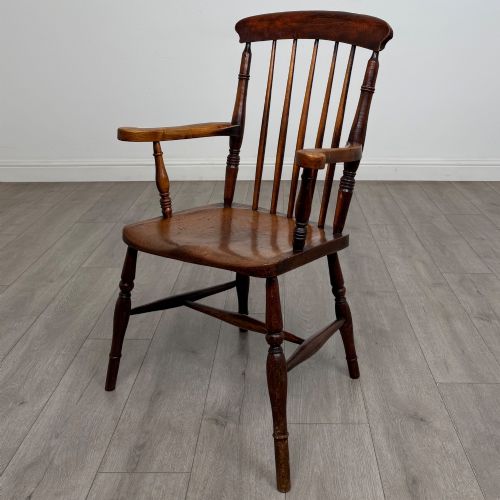
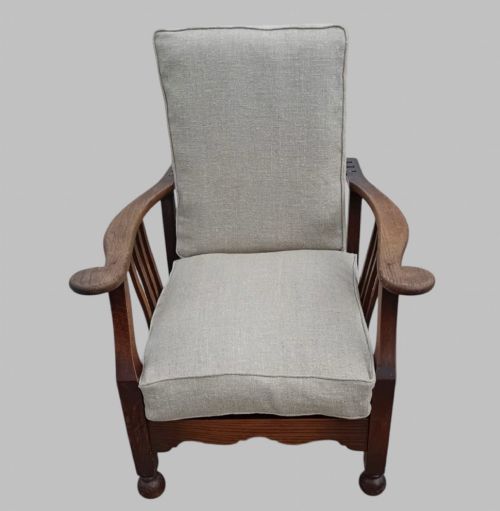
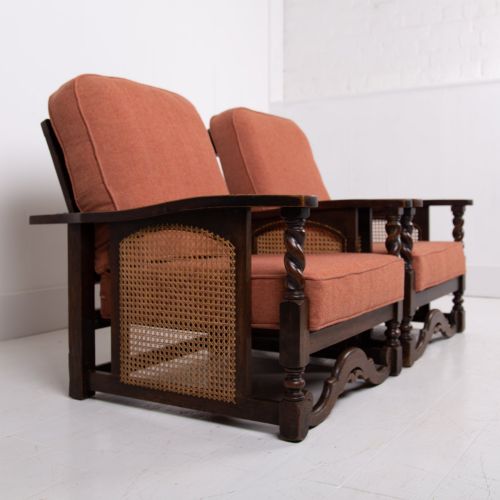
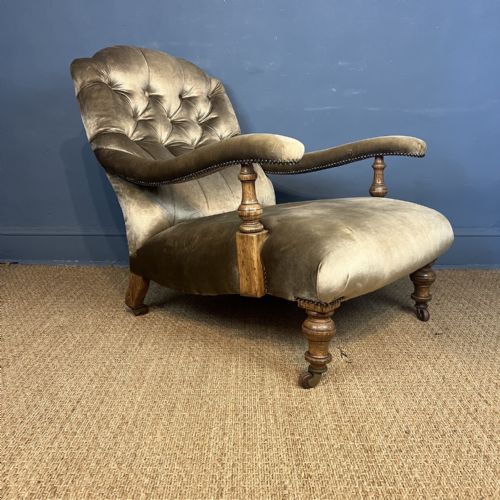
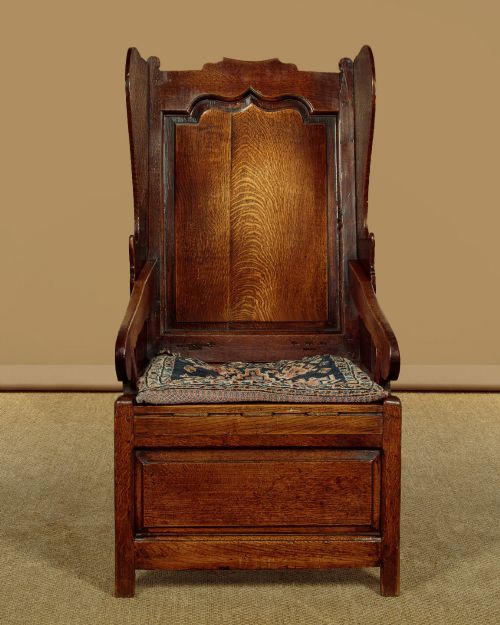
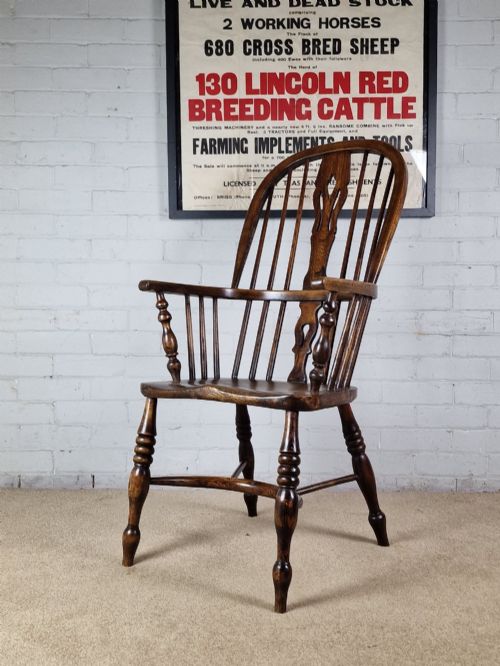
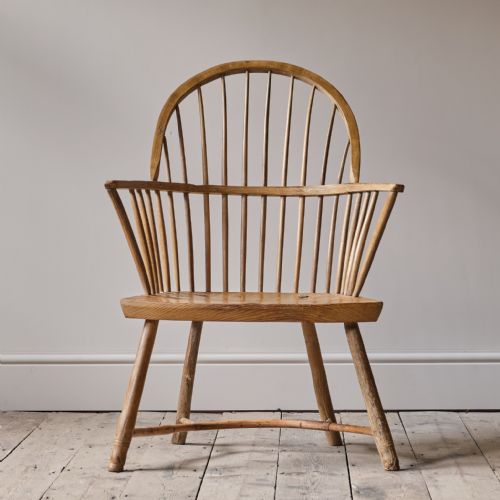
An oak fireside chair is a sturdy seat built for warmth and comfort, encompassing diverse forms such as Windsor chairs, lambing chairs, and low armchairs. Buyers searching for an oak fireside chair encounter pieces ranging from simple 18th-century vernacular stick backs to elaborate 19th-century Victorian Gothic revivals and Arts & Crafts designs.
The selection includes regional variations like Scottish Windsor armchairs, Lincolnshire Windsors, and Welsh lambing chairs, alongside panel-backed and wingback configurations. Materials stretch beyond solid oak to incorporate elm seats, ash, beech, and fruitwood, paired with upholstery in leather, velvet, and fabric.
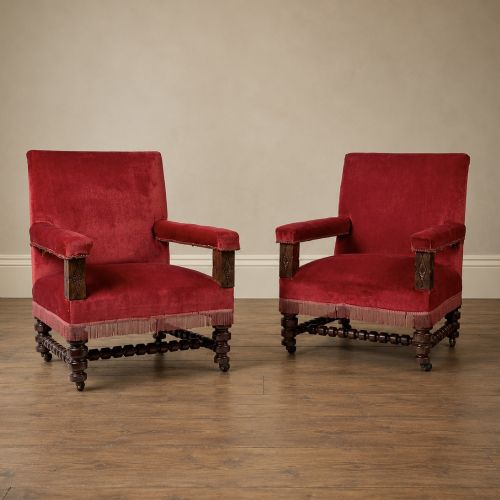
Makers and periods span the 17th century through the 1940s, providing choices in rocking chairs, reclining armchairs, and matching pairs. Each example reflects the domestic habits of its era, from high-backed reading chairs designed to block drafts to low open armchairs suited for hearthside repose.
How they were made
Makers built these seats using solid oak for frames, posts, and panels, frequently combining it with elm for sculpted solid timber seats and ash or beech for spindles and legs. Joinery relied on traditional methods including mortise and tenon joints, pegged frames, and turned components such as bobbin turning and barley twist supports.
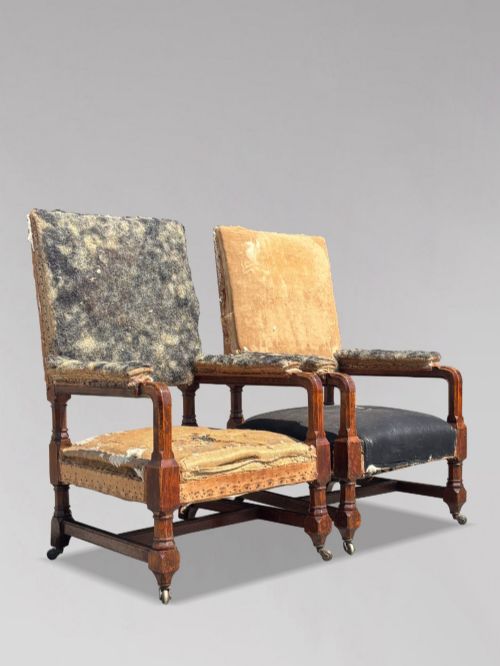
Upholstered versions incorporated horsehair and padding beneath covers of leather, velvet, and woven fabric, secured with brass tacks. Windsor and stick-back variants utilised steam-bent hoops and spindles socketed directly into heavy wooden seats.
The archive reveals regional oak forms including Welsh lambing chairs alongside Scottish Windsor armchairs.
What varies in quality
Quality rests upon the integrity of the timber framing, the retention of original surface patination, and the balance of the proportions. Early joined chairs with thick oak panels and untouched structural joints stand apart from later utilitarian pieces.
The sophistication of the turning, the depth of hand-carving on lion heads or panel work, and the survival of period leather or velvet upholstery elevate certain examples above standard vernacular production.
Heals of London·Adolf Loos·Robert Mouseman Thompson
The Oak Fireside Chair Glossary
- Lambing chair
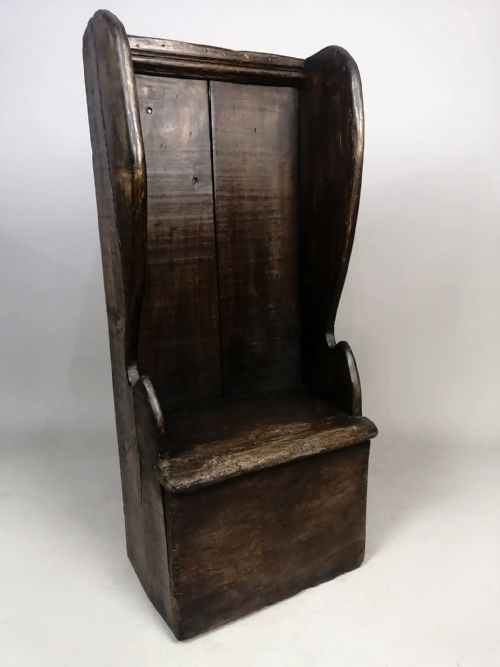
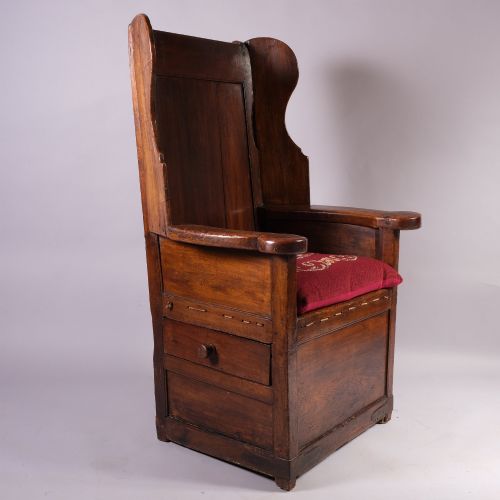
- A traditional high-backed armchair featuring solid wooden wings designed to shield the sitter from hearth draughts. These often include a closed base or drawer beneath the seat.
- Windsor chair
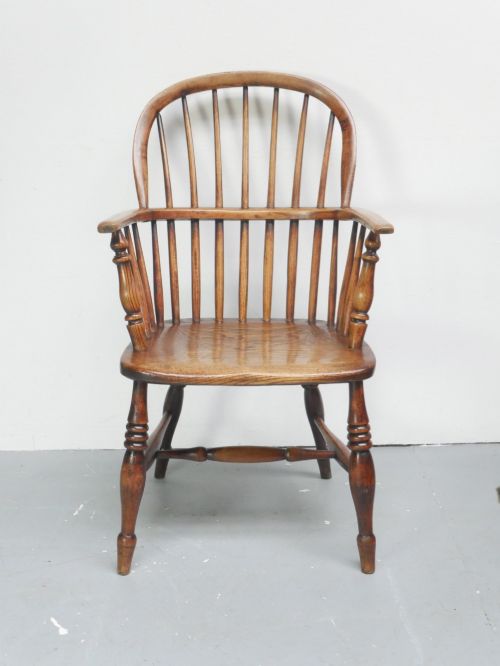
- A chair constructed with a solid timber seat into which the legs and back spindles are separately inserted. Regional variants include stick backs, hoop backs, and comb backs.
- Stick back
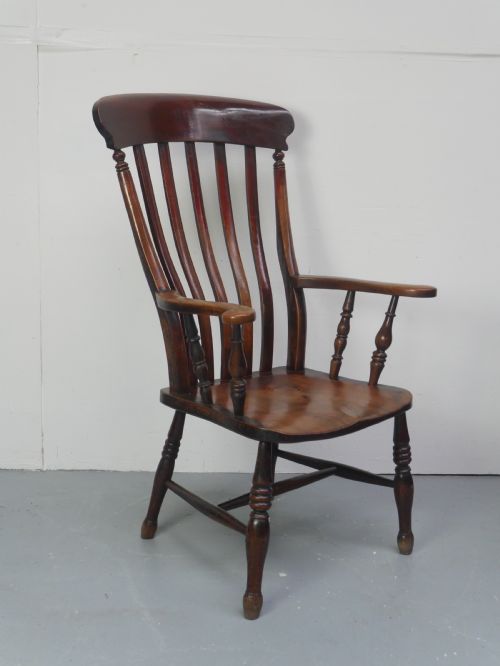
- A chair form where turned vertical wooden spindles form the backrest, secured into a bentwood crest rail. This vernacular construction style prioritised functional strength.
- Bobbin turning
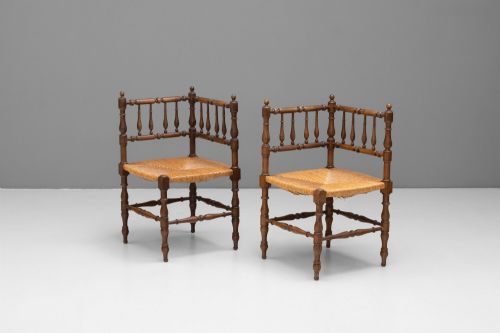
- A decorative furniture turning technique resembling a string of spools or bobbins. It appeared frequently on 19th-century revival frames.
- Wainscot
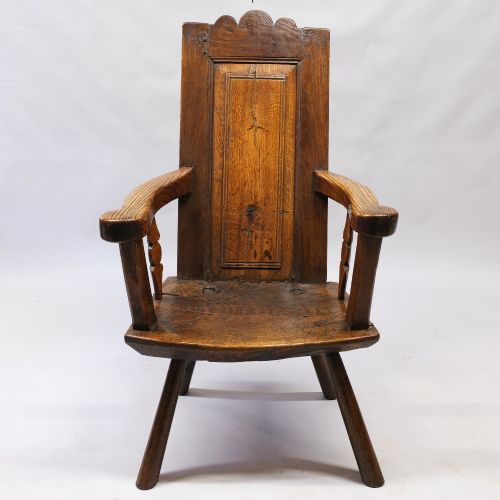
- An early form of heavy wooden armchair constructed with panelled backrests and solid wooden arms. They reflect 17th-century and 18th-century joinery traditions.
Oak Fireside Chair: Frequently Asked Questions
What is a lambing chair?
A lambing chair is an enclosed wooden seat featuring high sides and solid wings designed to keep out drafts near an open hearth. They frequently incorporate under-seat storage or panelled lower sections.
Historically used for nursing or resting close to the fire, these chairs showcase vernacular woodworking traditions, particularly in Welsh and regional English pieces from the 18th century.
How do I identify a Windsor chair?
A Windsor chair is distinguished by its heavy solid wooden seat, usually carved from elm, into which the legs and back spindles are bored directly. They avoid traditional frame-and-panel construction in favour of stick-built joinery.
Variations include hoop backs, low backs, and regional styles from locations like Lincolnshire and Scotland, often dating from the 18th and 19th centuries.
Are these chairs comfortable for daily use?
Many of these chairs offer deep seating, ergonomic rake in the backrests, and supportive armrests designed for prolonged reading or resting by a fireplace. Upholstered leather and velvet variants provide added cushioning.
Solid wood examples can be softened with loose cushions, making them practical for modern living rooms and studies alongside antique upholstered armchairs and reclining models.
How do I date an oak armchair?
Dating relies on examining the joinery methods, tool marks, timber shrinkage, and the stylistic vocabulary of the period, such as Jacobean revival twists or Arts & Crafts simplicity. Early 18th-century pieces show pegged mortise and tenon joints and hand-rived wood.
Later Victorian Gothic and Edwardian examples display machine assistance, factory stamps, or specific revival motifs that distinguish them from earlier vernacular furniture.