

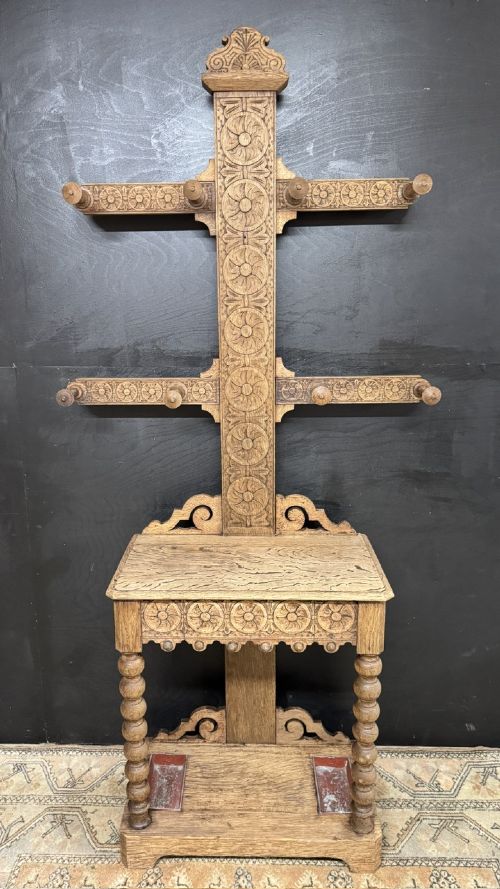


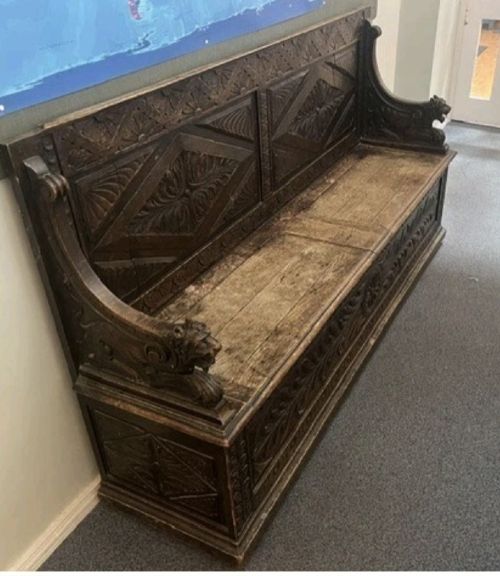
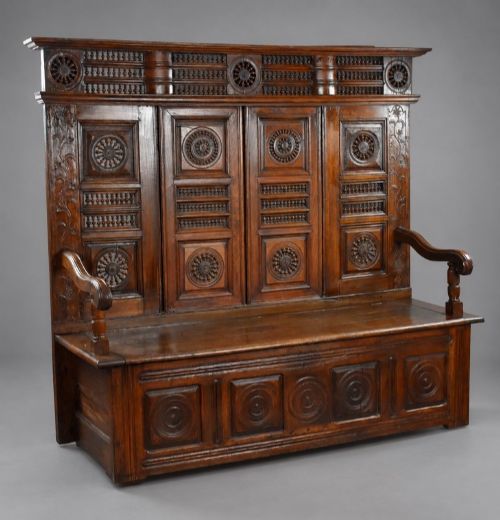
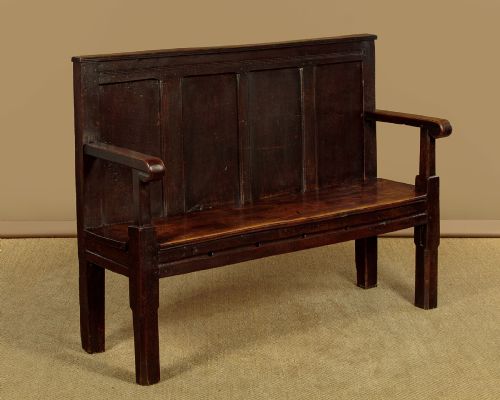


Oak Entry Bench
An oak entry bench welcomes guests with sturdy presence, offering practical seating and hidden storage.
Oak Entry Bench
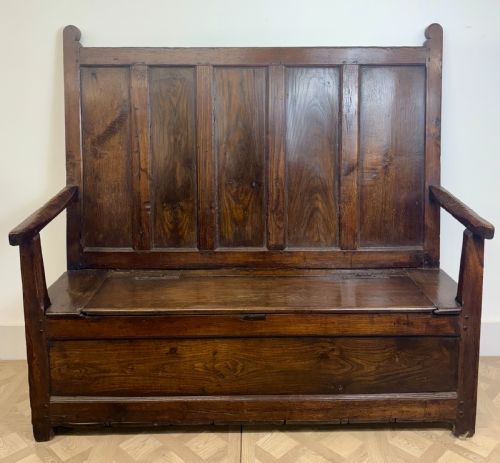
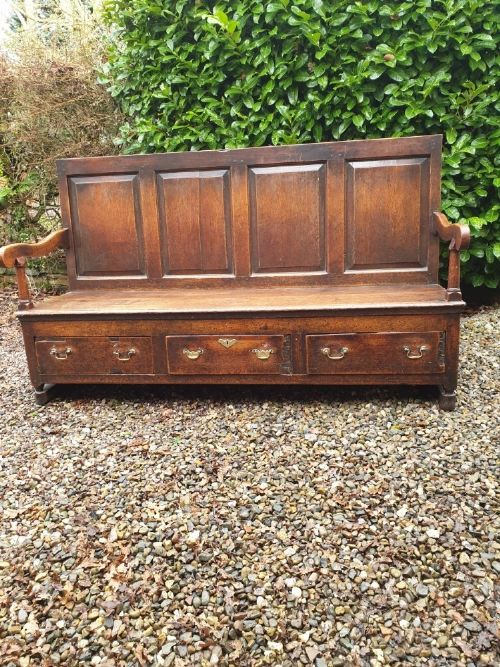
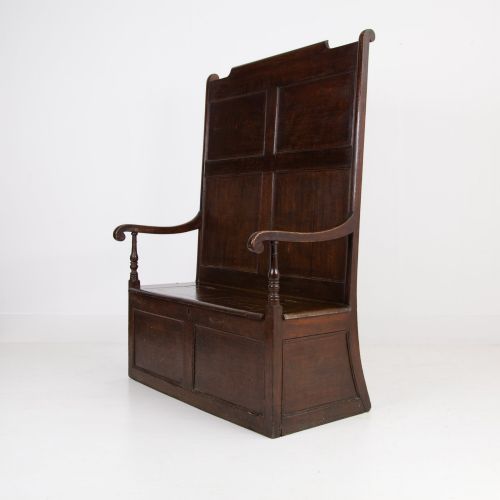
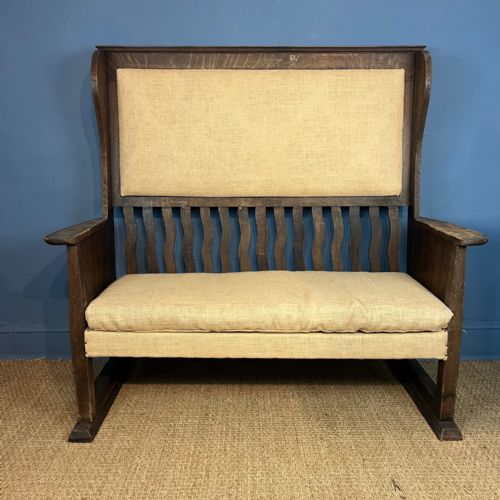
An oak entry bench serves as a functional seat for hallways and corridors, combining historical joinery with everyday utility. When you search for an oak entry bench, you encounter forms that range from box settles to monks benches and high back seat designs.
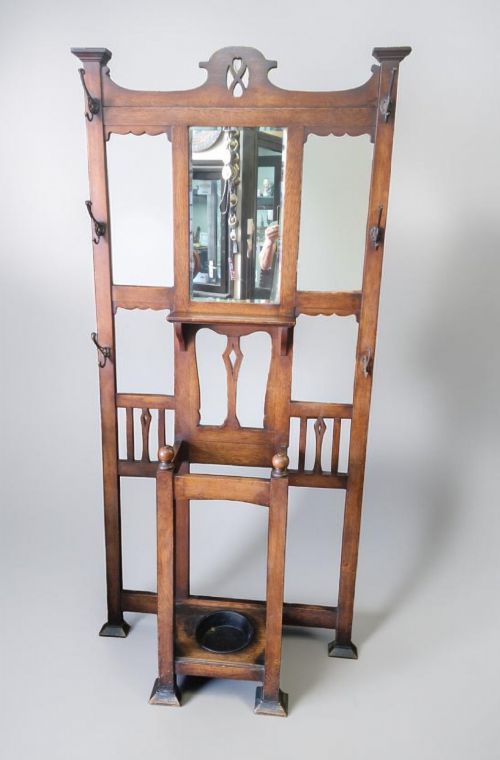
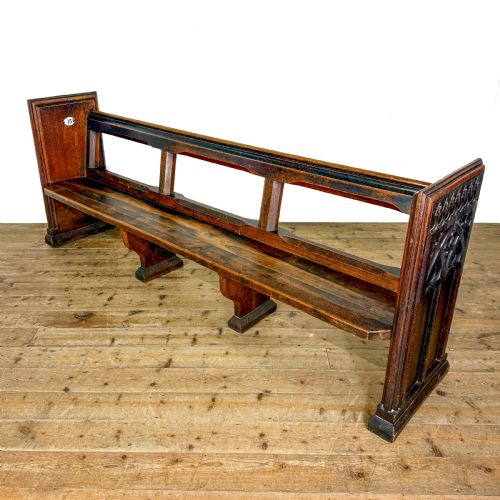
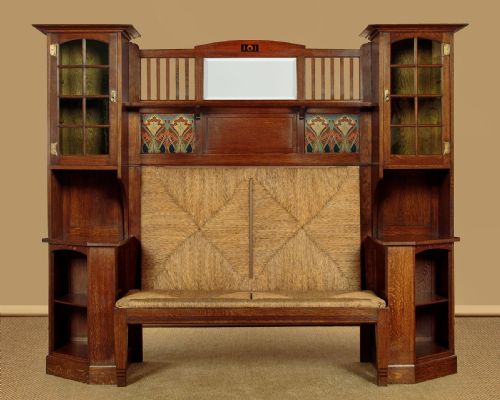
The pieces listed on this page span several distinct periods and styles, including the eighteenth century, eighteen-eighties, eighteen-nineties, and nineteen-twenties. Regional cabinetmakers and larger movements produced these versatile items in Georgian country, Arts and Crafts, Jacobean revival, and Gothic revival styles.
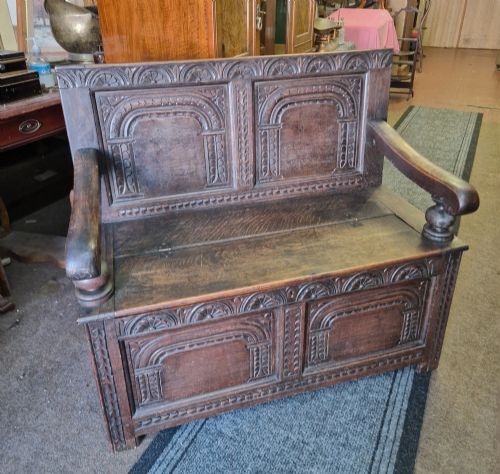
Makers utilised solid oak, often incorporating carved panels and box compartments beneath the seat. These benches function as both seating furniture and storage receptacles within entrance spaces.
How they were made
Cabinetmakers constructed these pieces primarily from solid oak, selecting timber for its strength and prominent grain patterns. Structural assembly relied on traditional joinery methods suited to heavy use in domestic entryways.
Surfaces frequently display hand carving on high backs and front panels, reflecting regional workmanship or specific movement aesthetics. Hardware components such as brass fittings add functional detail to the construction.
Oak Entry Bench Retail Price Guide 2026
Typical asking prices for oak entry bench among the pieces listed under this phrase on Sellingantiques today, from the lower quarter to the upper quarter. They describe what is for sale here now, not the wider market.
The listings span four distinct periods, incorporating oak, brass, and fabric materials across four historic design styles.
What varies in quality
The depth and execution of the carved panel work distinguish simpler utility items from more ambitious cabinetmaking. Relief carving executed with sharp detail and balanced proportion elevates a piece above standard workshop production.
Structural integrity and the retention of original timber components determine the overall calibre of a bench. Pieces that maintain their early hardware and uncompromised solid oak frames represent the finer examples within the range.
The Oak Entry Bench Glossary
- Settle bench
- A wooden bench featuring a high back to block drafts, often equipped with a box seat beneath. This form served domestic halls for centuries.
- Monks bench
- A convertible piece of furniture that transforms from a table into a bench with a backrest. It functions efficiently in smaller entry spaces.
- Solid oak
- Timber sourced from the oak tree used in its natural state without veneers. This material provides durability and distinct grain characteristics.
- Arts and Crafts
- A design movement valuing handcraftsmanship, simple forms, and local materials over industrial production. It influenced late nineteenth-century cabinetmaking.
- Jacobean revival
- An architectural and decorative style drawing on early seventeenth-century motifs. Pieces often feature geometric mouldings and dark finishes.
Oak Entry Bench: Frequently Asked Questions
Where did people put an oak entry bench?
These benches sat in hallways, boot rooms, and entrance lobbies of large and modest homes alike.
Occupants used the seating to pull on footwear before venturing outdoors into the weather.
What went inside the box settle storage?
Households stored bulky outerwear, heavy wool blankets, and footwear inside the compartment beneath the hinged seat.
Keeping these items out of sight maintained an orderly appearance in the main hallway.
How do I date an oak bench?
Construction techniques, tool marks, and stylistic motifs provide clues to the period of manufacture.
Eighteenth-century examples often display simpler plank construction, while later revival pieces adopt specific historic ornamentation.
Will a high back bench block light?
High back panels can cast shadows if placed directly in front of a primary light source or narrow corridor window.
Positioning the bench against a solid wall preserves the natural illumination of the entrance space.