


Oak Drop Handle Chest
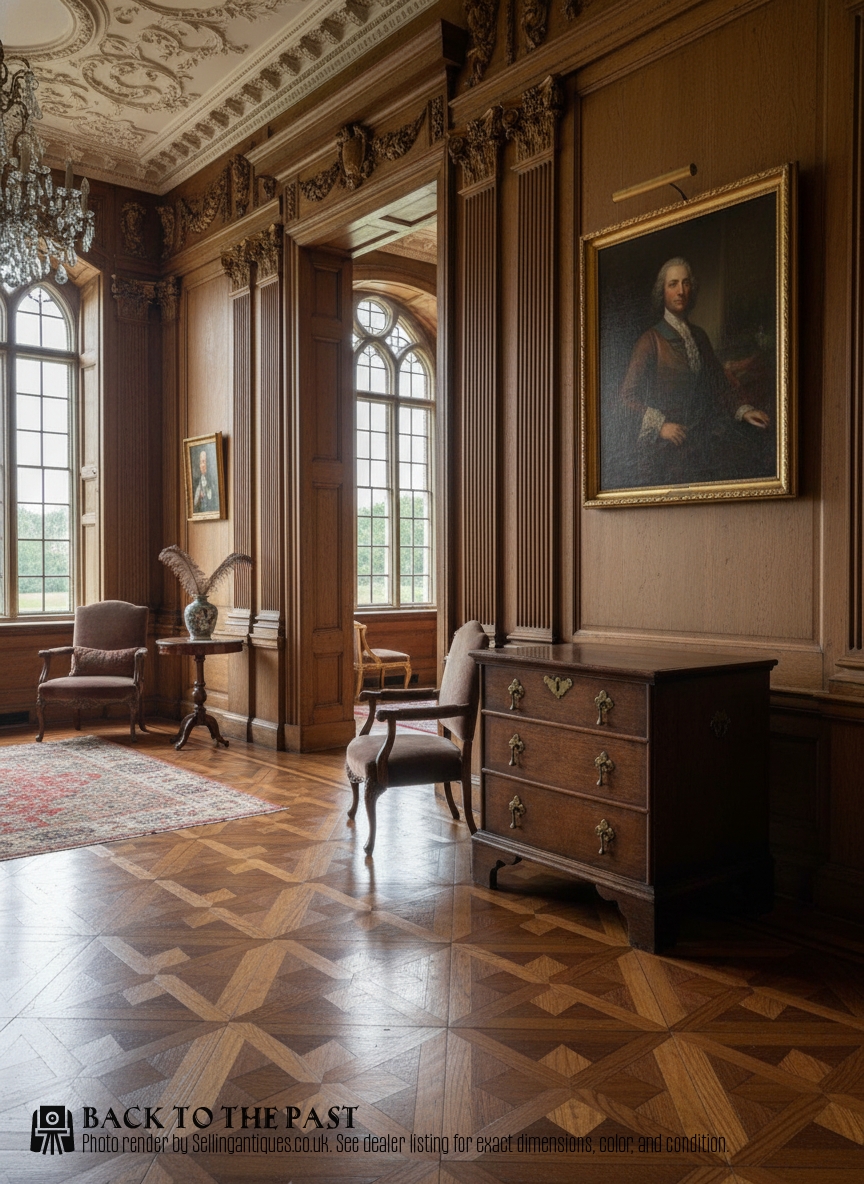
An oak drop handle chest brings tactile warmth and early vernacular timber into a room, offering practical storage grounded in centuries of craftsmanship.
Oak Drop Handle Chest
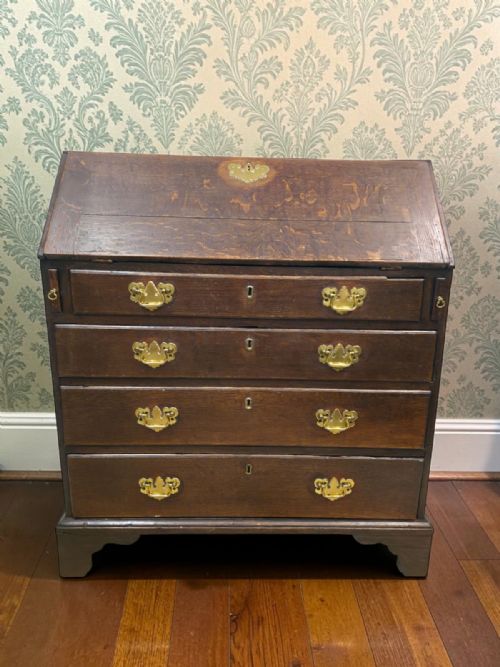
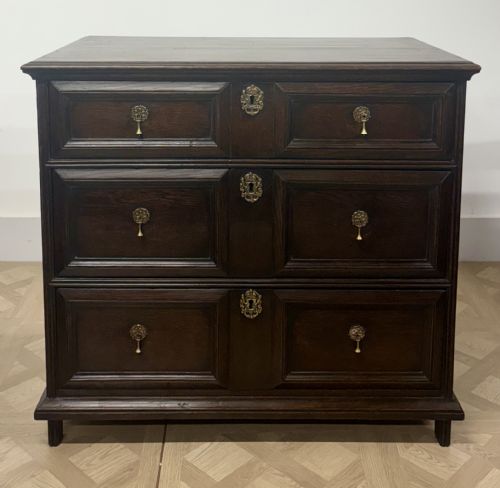
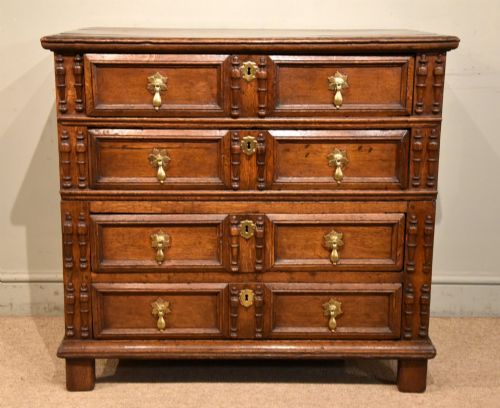
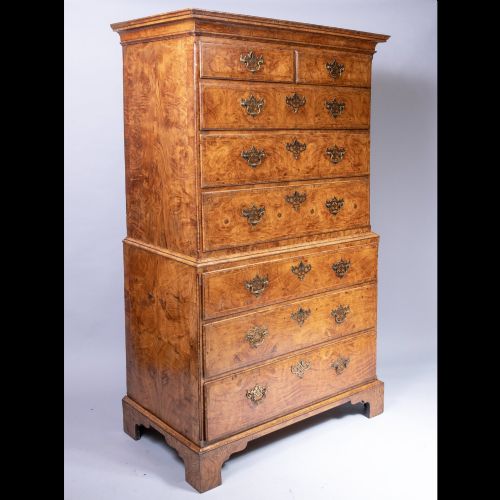
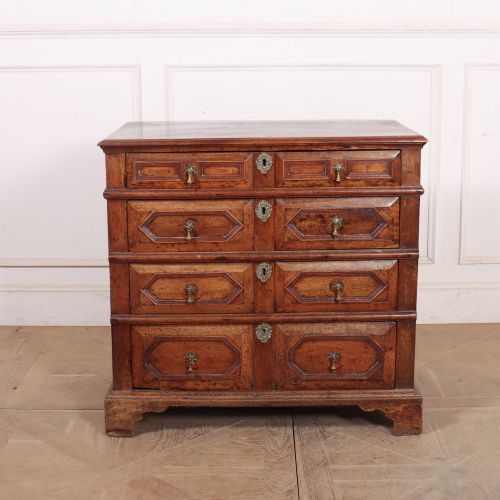
An oak drop handle chest is a substantial storage piece built from solid timber, most frequently encountered from the seventeenth and eighteenth centuries. These items range from compact two-part chests of drawers to taller formats like tallboys and chests on stands, reflecting the domestic needs of their periods.
The materials span solid oak alongside walnut, elm, burr elm, and decorative oyster veneers, often accented by brass or metal hardware. Surviving examples demonstrate stylistic shifts through Jacobean geometric mouldings, Queen Anne proportions, and Georgian refinement.
How they were made
Joiners constructed these pieces primarily from solid oak and elm, utilising frame and panel techniques to accommodate seasonal wood movement. Drawer linings and secondary timbers often incorporate native hardwoods shaped with hand tools.
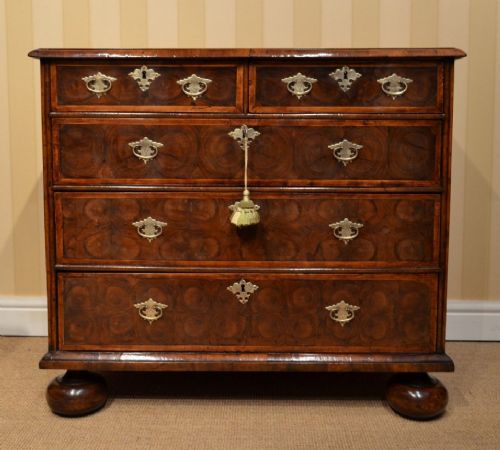
Surface ornamentation relied on applied geometric mouldings, contrasting oyster veneers in walnut, and intricate inlay work. Metal fitments such as brass drop handles and iron hinges were secured by hand-cast fixings.
An eighteenth-century close stool in oak reminds us that seventeenth and eighteenth-century domestic convenience had very specific, highly polished private requirements.
What varies in quality
Quality rests in the crispness of the geometric mouldings, the selection of figured timber such as burr elm or oyster veneer, and the integrity of the original construction. Superior pieces retain their early drawer linings and untouched surface patination.
The refinement of proportions and the retention of period brass drop handles or pear drop handles distinguish higher grade examples. Alterations to stands, bases, or hardware introduce variations that influence the character of each piece.
The Oak Drop Handle Chest Glossary
- Drop handle
- A pendant-style metal pull suspended from a backplate, typical of seventeenth and early eighteenth-century drawer furniture. These handles swing freely on pins or loops.
- Oyster veneer
- Circular cross-sections of branches or small boughs sliced and laid in intricate geometric patterns across a surface. Walnut and olive branches were frequently utilised for this decorative technique.
- Tallboy
- A tall chest of drawers made in two stacked sections, combining a chest on chest format. This form emerged to maximise vertical storage space.
- Geometric moulding
- Raised wooden bars applied in rectilinear or rectilinear-and-curvilinear patterns to drawer fronts and door panels. They created strong shadow lines popular during the seventeenth century.
- Chest on stand
- A storage chest elevated upon a separate base fitted with legs and sometimes a drawer. This form lifted the primary storage compartment higher off damp floors.
Oak Drop Handle Chest: Frequently Asked Questions
How do I date an oak chest?
Dating relies on observing construction methods, timber choice, and decorative details like geometric mouldings or bracket feet. Earlier pieces from the seventeenth century often employ pegged frame and panel joinery.
Later eighteenth-century examples show refined dovetail construction in the drawers and softer proportions associated with the Georgian period.
Where were these chests used?
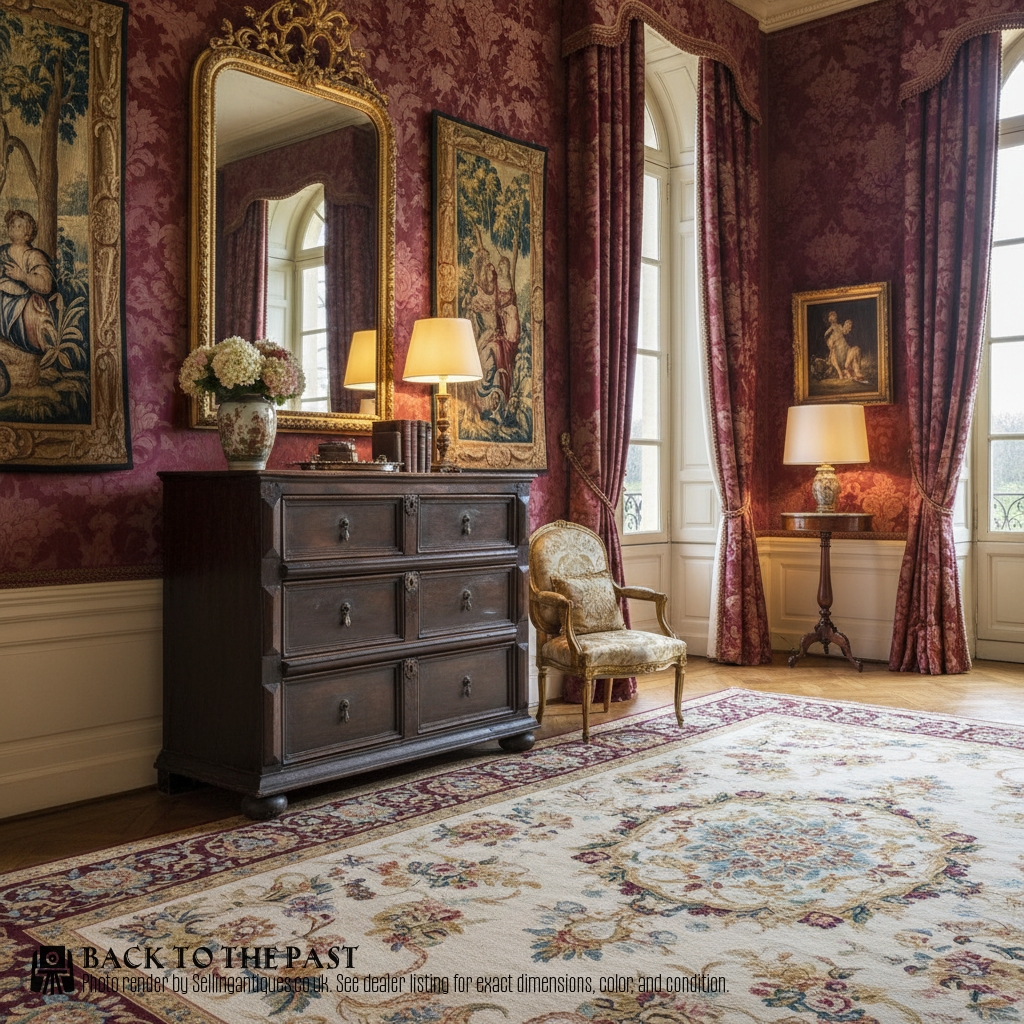
These chests were placed in bedrooms, parlours, and hallways to store clothing, linens, and domestic documents. Their sturdy construction suited the daily demands of early households.
In contemporary interiors, they function effectively as bedroom storage, hallway console alternatives, or living room statement pieces.
Are drop handles original?
Assessing hardware involves checking for filled fixing holes and matching patination around the backplates. Many pieces received replacement handles during subsequent centuries as fashions changed or fixings failed.
Finding period-appropriate brass drop handles or pear drop handles that match the expected age adds significantly to the integrity of the piece.
How do I care for antique oak?
Maintaining antique oak involves keeping pieces away from direct heat sources and sudden humidity changes to prevent timber splitting. Regular dusting with a dry, soft cloth preserves the wax finish.
Applying a traditional beeswax polish occasionally helps nourish the grain and maintain the deep surface patination built up over centuries.