
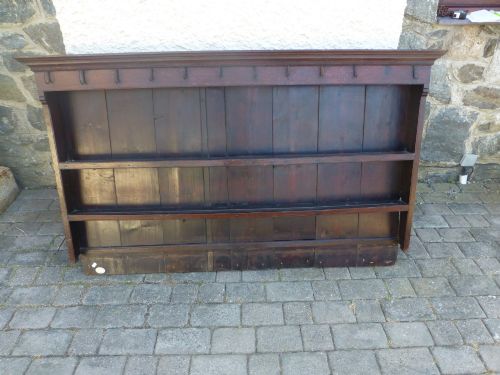
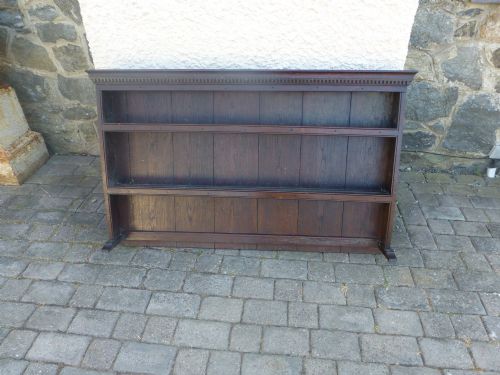
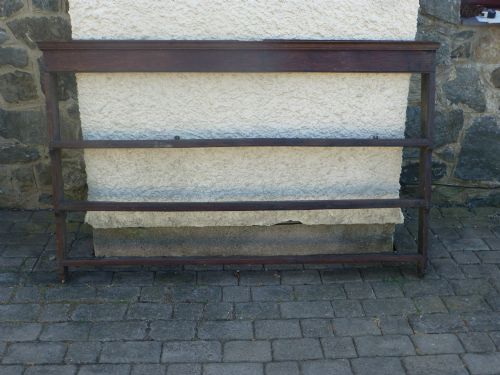
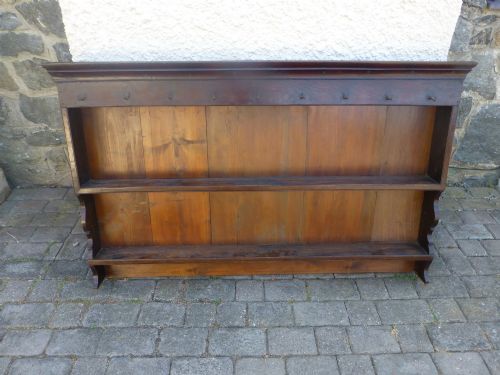
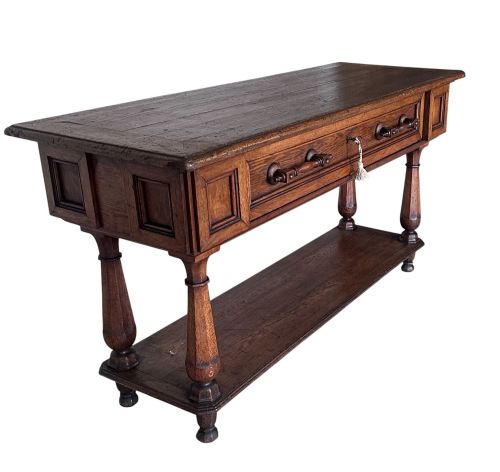
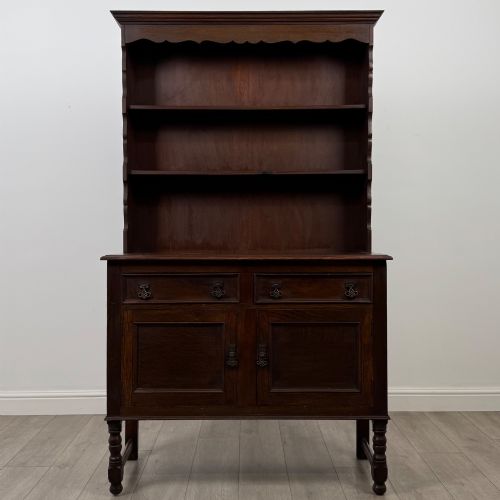
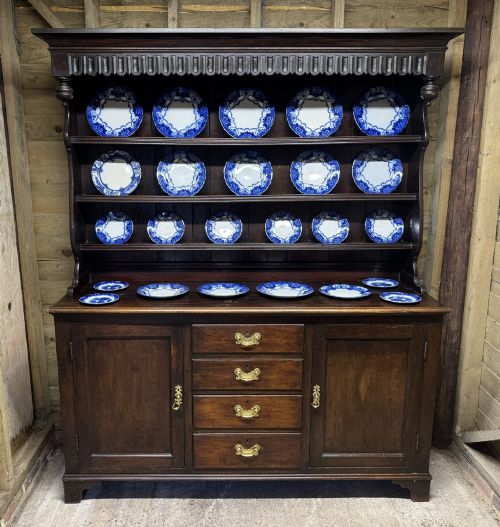
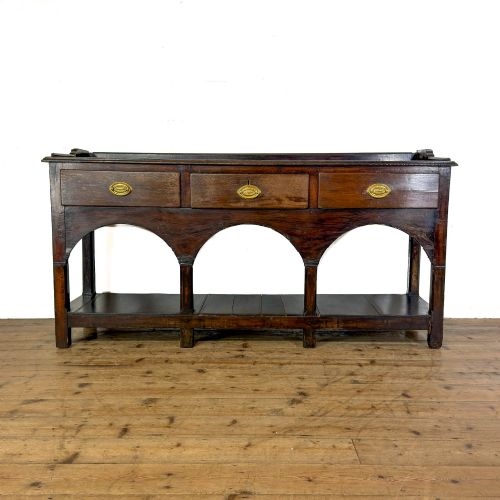

Oak Dresser Shelves
Oak dresser shelves bring domestic history straight to your wall, holding plates and pottery with timeless utility.
Oak Dresser Shelves
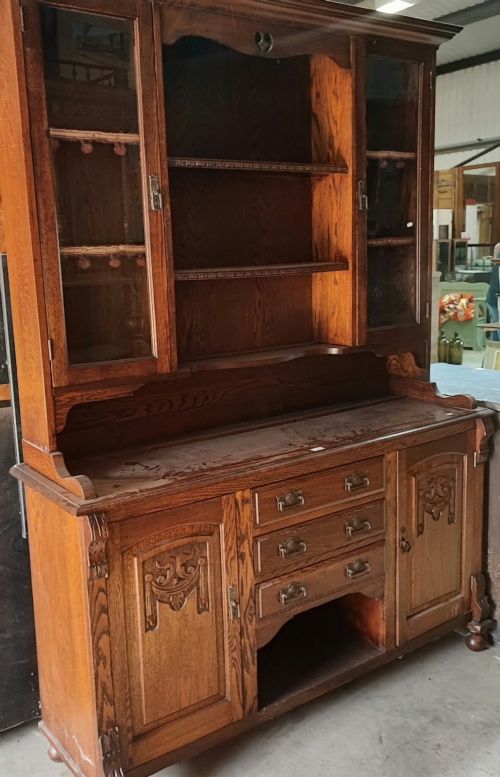
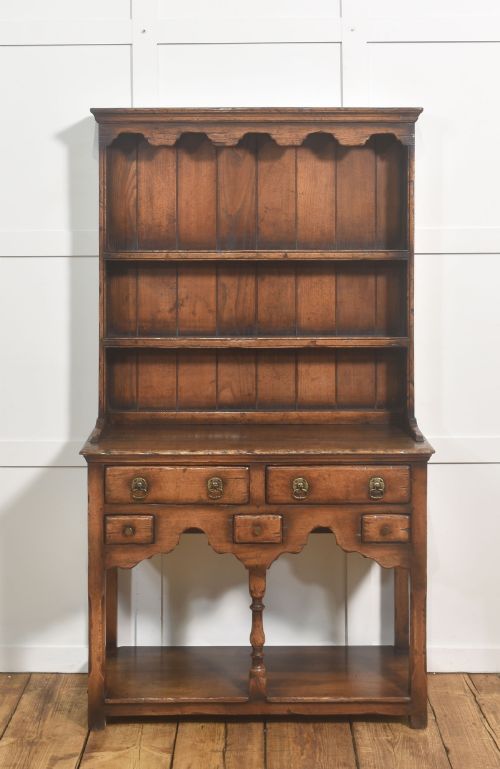
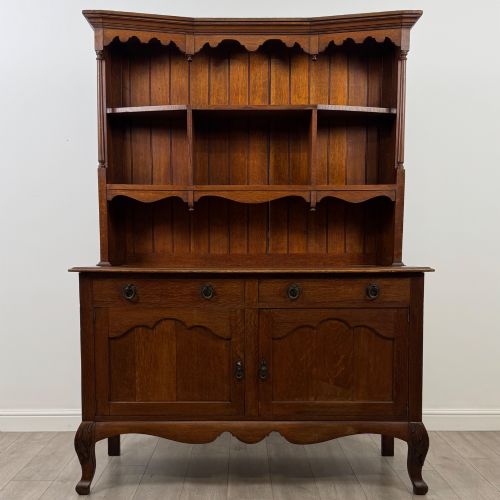
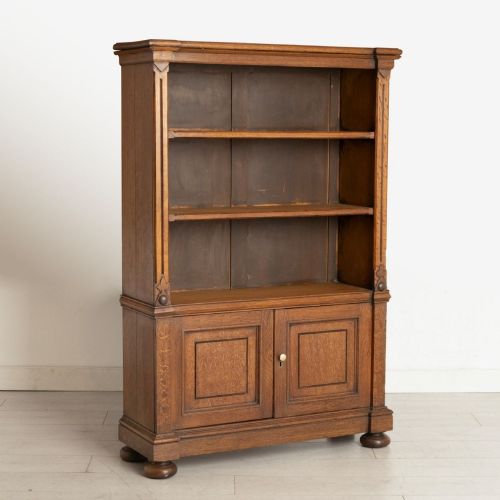
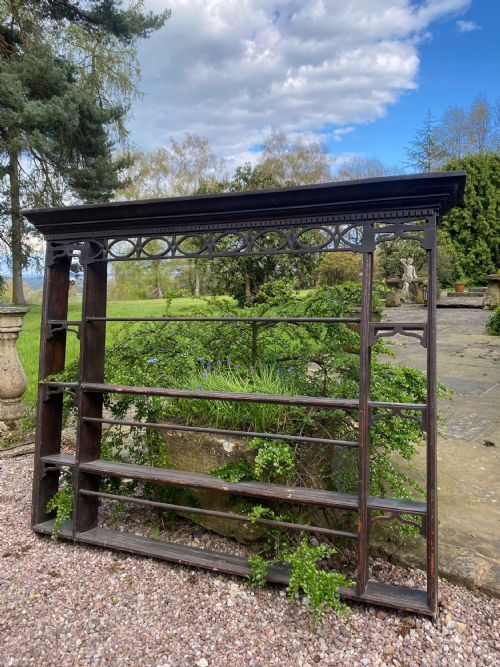
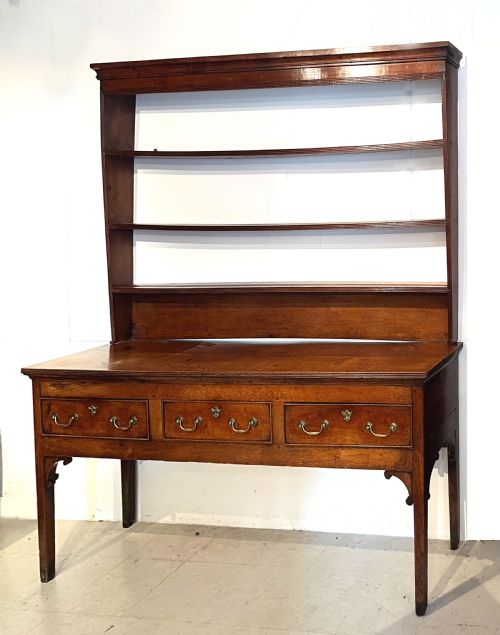
When you search for oak dresser shelves, you encounter wall-mounted plate racks, open plate rails and the upper tiers of Welsh dressers designed to display ceramics. These pieces originate across the eighteenth and nineteenth centuries, spanning Georgian, Victorian and Edwardian periods.
You will most commonly meet timber racks built for farmhouse kitchens and country cottages, often pairing oak with secondary woods like pine. They arrive either attached to a dresser base or as standalone wall hanging shelves intended to hold delftware.
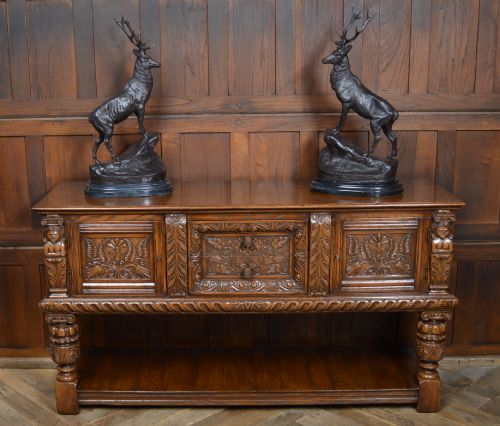
Regional variations appear in the record, from English country workshops to French provincial makers and Welsh farmhouse joinery. Pieces range from simple boarded hanging shelves to elaborate structures featuring Corinthian columns and glazed compartments.
Materials and Construction
Cabinet makers relied primarily on solid oak, supplemented occasionally by pine, elm, and walnut for secondary framing or decorative panels. Brass and iron hardware, such as hinges and hanging brackets, secured the heavy timber structures to domestic walls.
Joinery methods combined traditional pegged mortise and tenon joints with hand-planed backboards and channeled plate grooves. Carved detailing, applied mouldings, and architectural columns occasionally enriched the surface of eighteenth-century and revival pieces.
Early kitchen walls held plates upright in oak grooves so grease could drain off before dinner.
Distinctions in Quality
The standard of timber selection and grain figure dictates the visual weight of the piece, with quarter-sawn golden oak outshining plain utility boards. Superior examples display crisp hand-carved mouldings and original brass or iron fittings rather than later replacements.
Proportion and structural integrity separate fine provincial joinery from hasty workshop output, particularly in how securely the plate rails and cornices hold their weight. Surface patination achieved through centuries of wax polishing creates a depth absent in stripped or heavily refinished timber.
John Moyr Smith
The Oak Dresser Shelves Glossary
- Delft rack
- An open wooden wall shelf specifically designed with grooved ledges to display tin-glazed earthenware plates upright. These racks formed the upper section of traditional country dressers before moving to wall-hanging formats.
- Pot board
- A low slatted or solid lower shelf fitted between the legs of a dresser base, traditionally used for storing heavy pots and pans. This structural feature helps date vernacular oak furniture.
- Welsh dresser
- A traditional dual-purpose piece of dining furniture combining a lower storage base of drawers and cupboards with an upper plate rack. Surviving examples frequently separate the upper shelves from the base.
- Quarter-sawn
- A timber cutting method that reveals prominent medullary ray figuring in oak, producing a distinctive silver-grain pattern. Cabinet makers favoured this cut for visible decorative surfaces.
- Cornice
- The moulded horizontal projection crowning the top of a wall shelf or dresser rack. It provides a finished architectural transition to the ceiling line.
Oak Dresser Shelves: Frequently Asked Questions
What is the difference between a plate rack and a dresser?
A plate rack consists solely of the upper hanging shelves meant for wall mounting, while a full dresser includes a lower base of cupboards and drawers.
Many antique pieces were originally part of a two-part Welsh dresser that became separated over time into standalone wall shelves and base cabinets.
How were oak dresser shelves used historically?
Households utilised these open shelves in kitchens and dining parlours to store and display ceramic tableware, pewter plates and delftware.
The grooved wooden ledges kept heavy dishes from sliding forward during daily domestic life.
How do I date an antique oak wall rack?
Dating relies on examining the timber preparation, nail types, joinery techniques, and the presence of hand-planed backboards.
Eighteenth-century examples often display pegged construction and vernacular styling, whereas later Victorian and Edwardian pieces show machine-sawn elements and revival ornamentation.
Can antique shelves support heavy modern plates?
Traditional oak wall shelves possess robust mortise and tenon construction designed to bear the weight of heavy earthenware.
However, proper wall anchoring into structural studs is essential when hanging dense antique timber safely in a modern home.