

Oak Dresser Base Drawers
When you search for oak dresser base drawers, you encounter sturdy timber storage units built to hold household provisions and display serving ware.
Oak Dresser Base Drawers
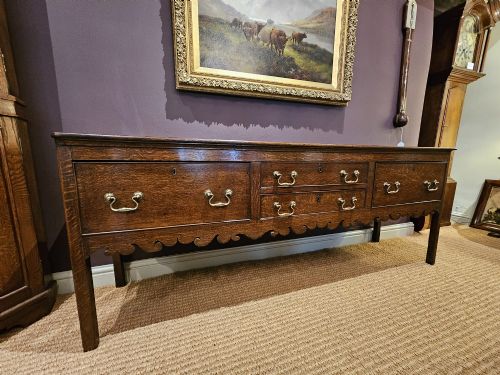
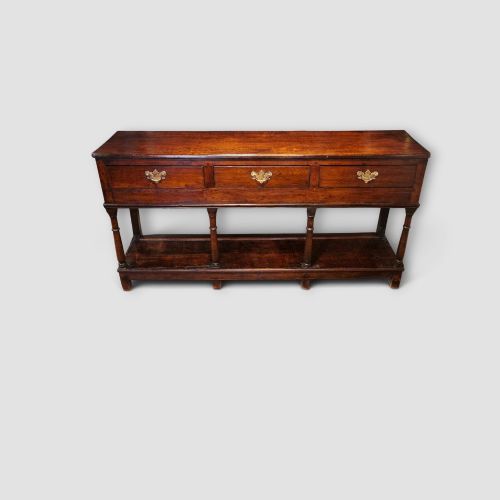
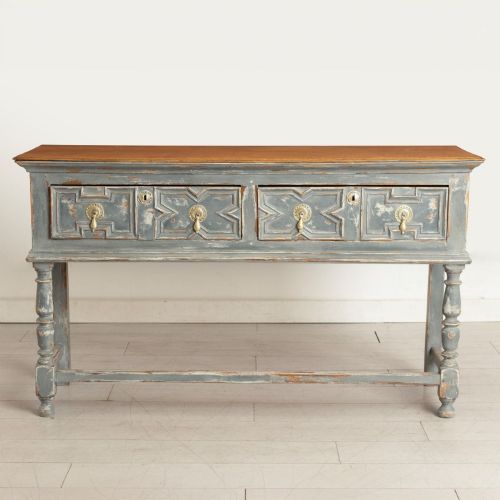
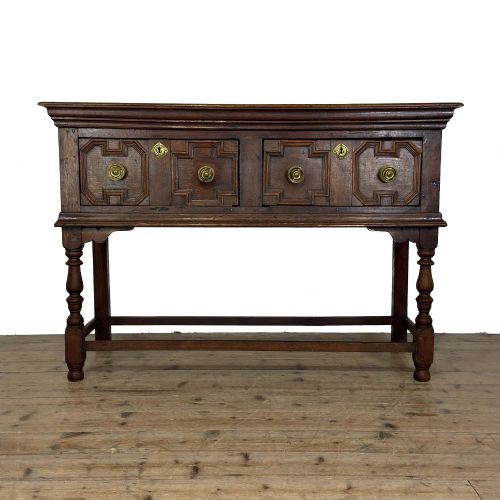
Oak dresser base drawers represent foundational domestic furniture designed for utility in English homes from the seventeenth century through the Georgian era and into later revival periods. These low-standing storage units typically combine working drawer tiers with surface tops, sometimes incorporating open potboards beneath for plates or linen.
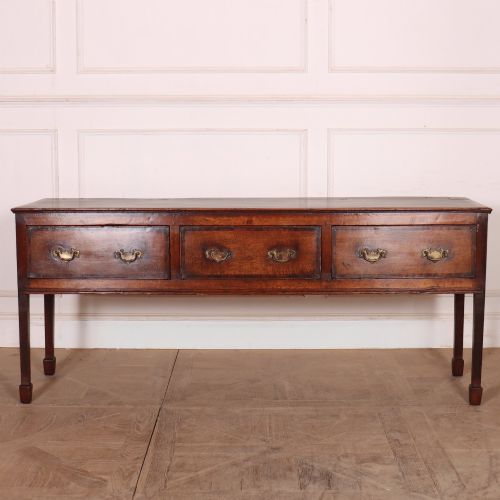
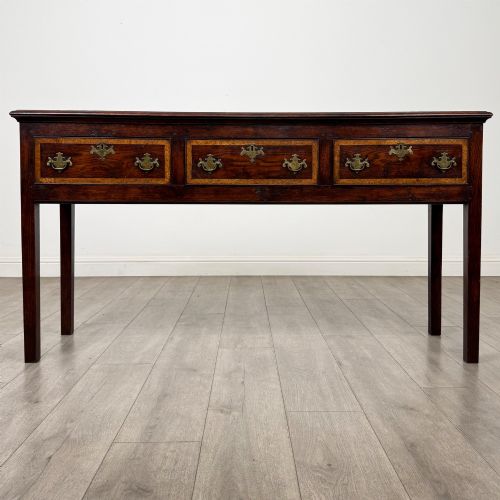
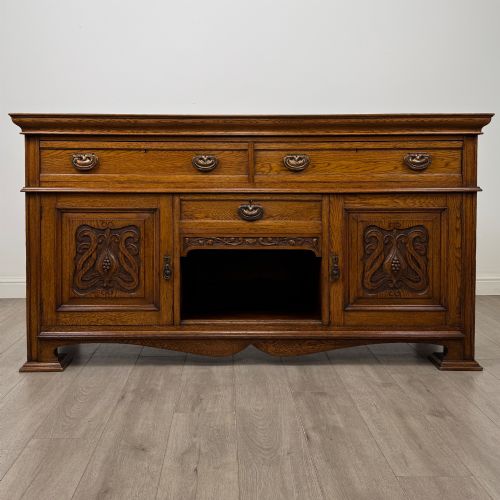
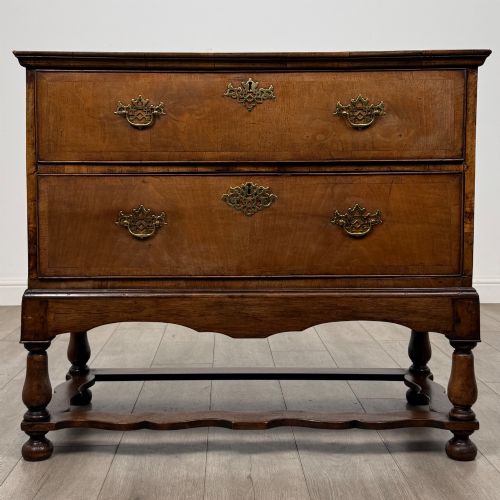
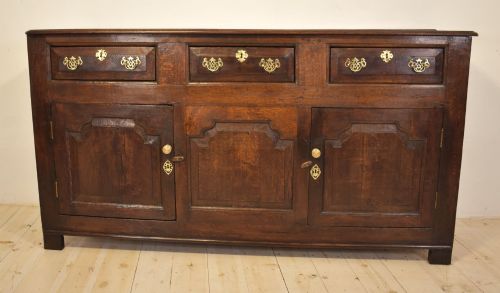
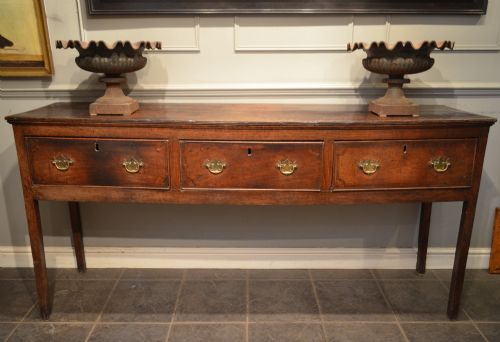
The pieces appearing on this page span vernacular country craftsmanship, formal George III designs, and later Edwardian interpretations. Buyers frequently encounter formats with three primary drawers, spice drawers, or cupboard bases that reflect regional preferences from Wales and English counties.
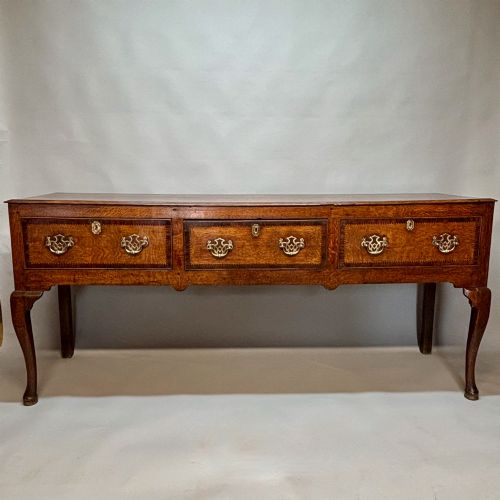
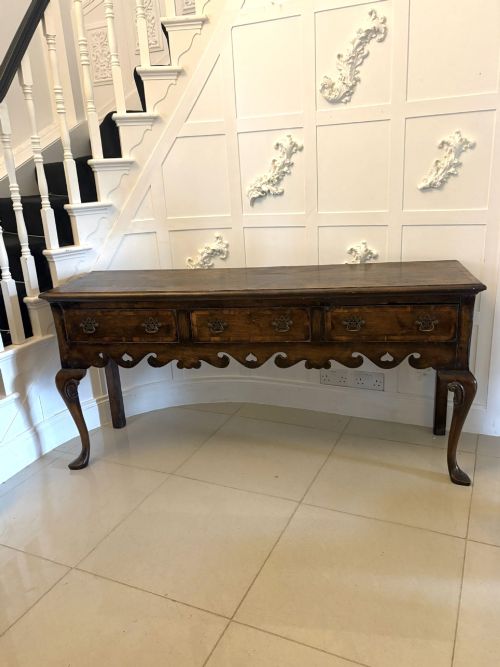
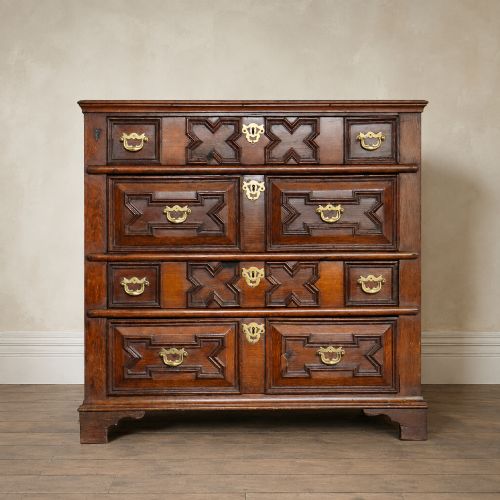
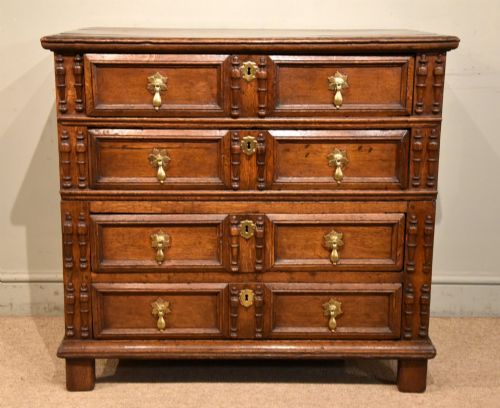
Early examples retain the heavy framing of the seventeenth century, while eighteenth-century iterations introduce cabriole legs, geometric mouldings, and walnut cross-banding. Later adaptations from around 1900 emulate these historic styles using traditional forms to suit modern domestic spaces.
How They Were Made
Joiners constructed these pieces primarily from solid English oak, frequently pairing walnut for decorative cross-banding or fruitwood for specific surface elements. Timber framing relied on mortise and tenon joints secured by wooden pegs, providing structural rigidity for heavy daily use.
Hardware details incorporated cast brass drop handles, escutcheons, and iron fittings that patinated over centuries of handling. Certain surfaces received coats of paint or dark wax finishes to protect the wood grain and achieve specific aesthetic qualities demanded by changing domestic fashions.
Materials recorded across these items include solid oak, brass fittings, iron hardware, fruitwood, and decorative wood inlay.
What Varies in Quality
The calibre of a piece depends heavily on the integrity of its timber selection and the restraint shown in its construction. Superior examples display tight, straight oak grain with minimal sapwood intrusion, whereas lesser items rely on more utilitarian planks or later replacement boards.
Carving execution separates standard regional work from exceptional metropolitan production. Crisp, deep geometric mouldings and well-proportioned cabriole legs indicate skilled cabinet-making, while shallow or heavy-handed surface decoration suggests provincial or later revival workshop output.
The Oak Dresser Base Drawers Glossary
- Potboard
- An open lower shelf built into a dresser base specifically designed for storing pots and serving dishes. This architectural feature distinguishes base furniture meant for working kitchens from formal dining room sideboards.
- Spice drawers
- Small, ancillary drawers arranged within the main tier or superstructure to hold dry goods and medicinal ingredients. These compartments add complexity to the internal layout of eighteenth-century examples.
- Cabriole leg
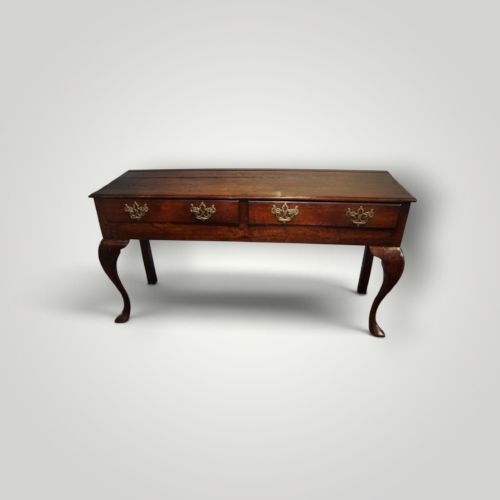
- A furniture support shaped with a double curve resembling the leg of an animal, moving outward at the knee and tapering inward at the ankle. This style appears frequently on Georgian period dresser bases.
- Cross-banding
- A decorative border technique where thin strips of veneer, often walnut, are laid across the grain of the primary wood surface. This treatment frames drawer fronts to create visual contrast on high-status pieces.
- Geometric moulding
- Raised wooden profiling applied in rectilinear or intersecting patterns across drawer fronts during the seventeenth century. These designs create shadow and depth on flat timber surfaces.
- Lowboy
- A small side table featuring one or more rows of drawers, standing on relatively tall legs. These compact pieces share construction methods and periods with larger dresser bases.
Oak Dresser Base Drawers: Frequently Asked Questions
How are oak dresser bases cleaned?
Dust surfaces regularly with a dry, soft cloth to prevent particulate buildup on the timber. Avoid modern silicone sprays or harsh chemical polishes that can degrade historic wax finishes.
Nourish dry oak periodically using traditional beeswax applied sparingly with fine cotton pads. Buff the surface gently along the grain to maintain a natural, protective sheen over the wood.
Where were these pieces used originally?
Households positioned these low storage units primarily in kitchens, sculleries, and large dining parlours. They functioned as preparation surfaces while holding utensils, provisions, and table linens within easy reach.
Regional variations served different domestic needs across England and Wales. Rural homes utilised open potboards for heavy ceramics, while urban townhouses favoured enclosed cupboard bases.
Can I use a dresser base as a sideboard?
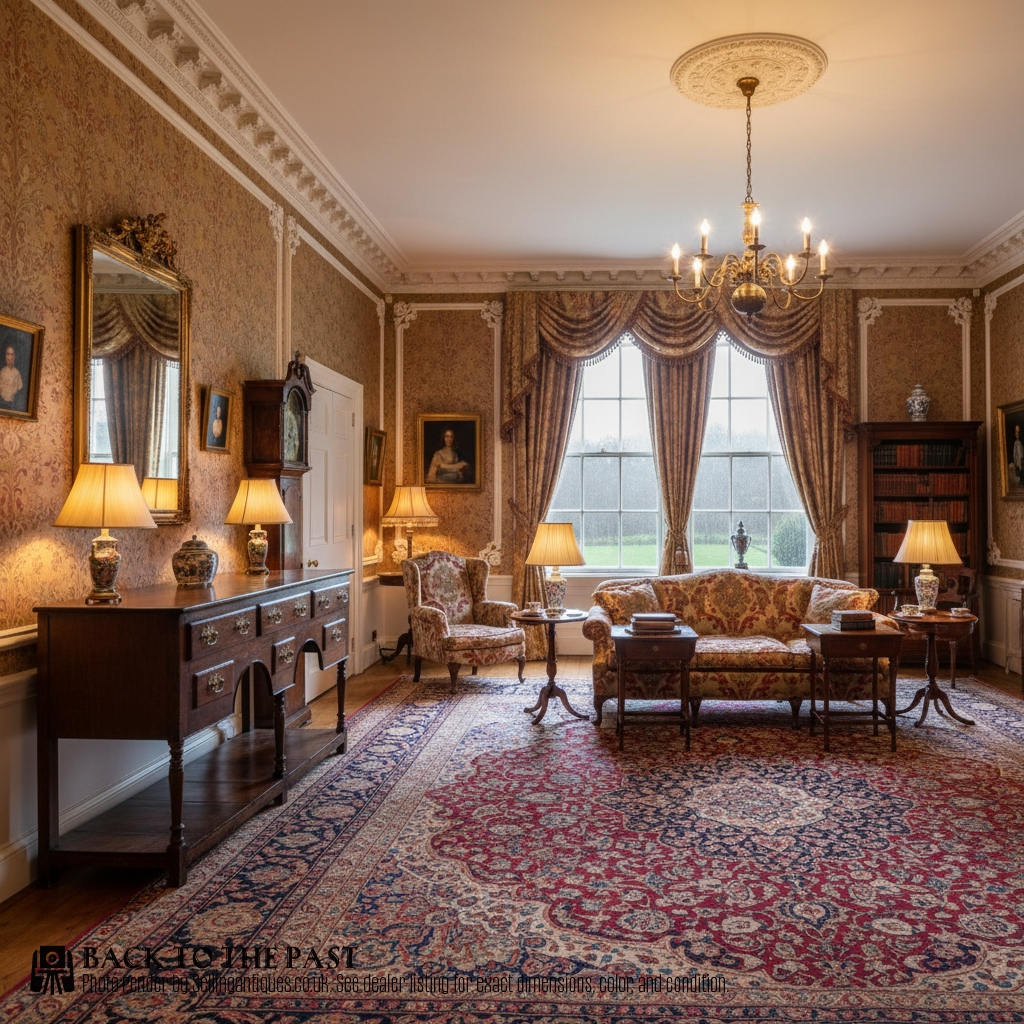
These historical units integrate seamlessly into modern dining rooms or hallways as functional sideboards. Their shallow depth and sturdy top surfaces provide ideal proportions for serving food or displaying decorative items.
The internal drawer arrangements accommodate modern tableware, linens, and everyday household items. Their enduring construction ensures they withstand regular daily use in contemporary settings.
How do I identify a Georgian piece?
Examine the hardware placement and leg style for period characteristics typical of the eighteenth century. Look for hand-cut dovetail joints inside the drawer boxes and subtle irregularities in the oak planks that indicate manual sawing.
Check for secondary woods like fruitwood or walnut cross-banding which frequently accompanied Georgian designs. Revivals from later centuries often feature machine-cut elements and more uniform timber coloration.