
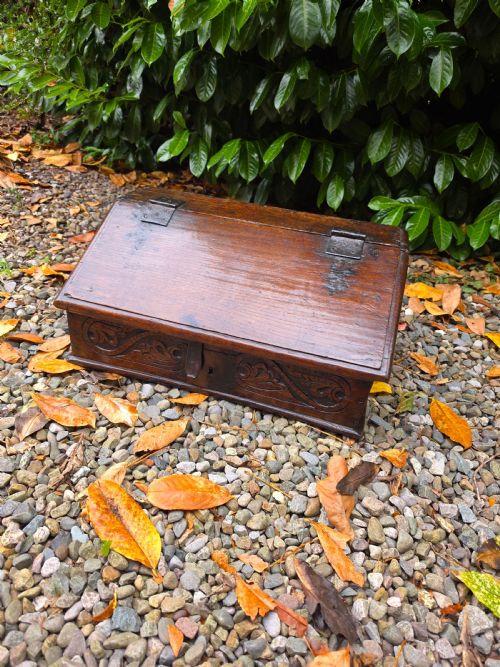
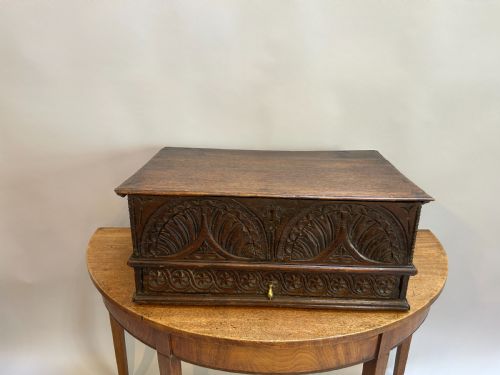


Oak Document Storage Box
An oak document storage box is a practical container built to safeguard papers, and the pieces found here span centuries of timber craftsmanship.
Oak Document Storage Box
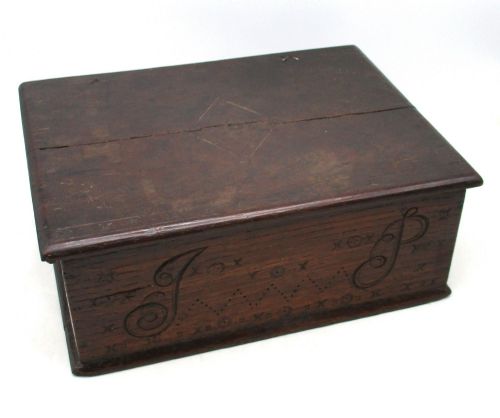
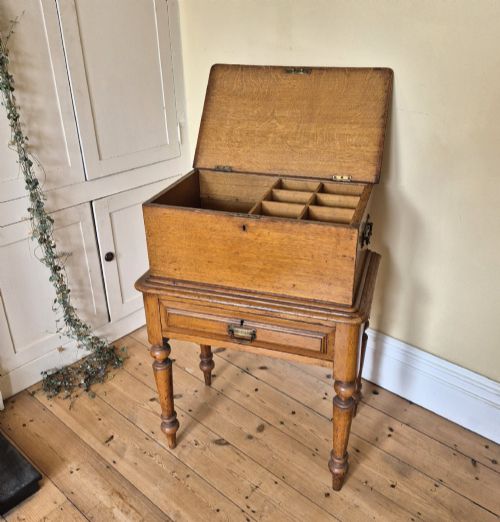
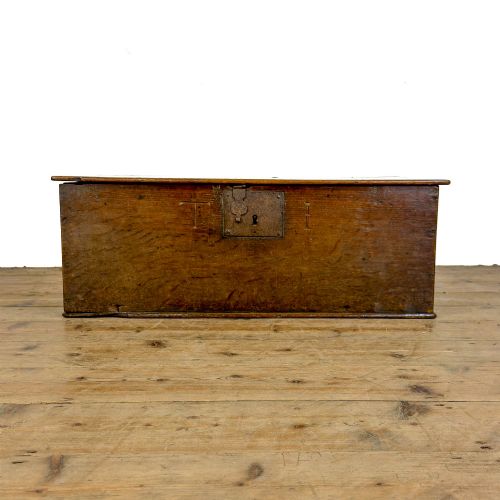
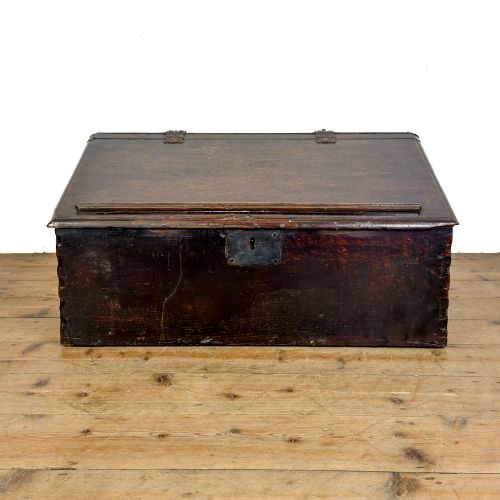
When you search for an oak document storage box, you encounter pieces designed to hold papers, books, and letters securely. The selection here leans heavily towards bible boxes, desk boxes, and strong boxes originating from the seventeenth, eighteenth, and nineteenth centuries.
These items served various domestic and institutional functions, from holding parish registers to storing personal correspondence. Many examples feature sloping lids for writing or flat tops for stacking, reflecting the specific paperwork needs of their original owners.
Materials and construction methods
Makers constructed these storage pieces primarily from solid oak, sometimes incorporating contrasting timbers such as holly and bog oak for decorative inlay work. Structural integrity relied on robust joinery techniques suited to heavy daily use.
Iron and brass hardware, including hinges, carrying handles, and locks, provide both security and functional contrast to the warm timber surfaces. Surface treatments range from simple pigment finishes to chip-carved detailing and carved friezes.
One box carries a specific ecclesiastical provenance linked to a historic Lincolnshire estate.
Distinguishing quality in timber boxes
Quality in these storage pieces rests upon the precision of the joinery and the depth of the carving. Finely executed chip carving or intricate inlay work distinguishes exceptional items from plain utility boxes.
The survival of original brass or wrought iron fittings and internal compartments, such as small drawers, elevates the interest of a piece. Timber selection and the crispness of surface detail also mark the distinction between standard workshops and master makers.
The Oak Document Storage Box Glossary
- Bible box
- A desk-style container originally built to hold a family bible or important household documents. These pieces often feature sloping lids.
- Chip carved
- A method of ornamentation where the maker removes small chips of wood from the surface to create geometric patterns. This technique appears frequently on seventeenth-century pieces.
- Bog oak
- Subfossil oak that has been buried in peat bogs for centuries, turning a dark brown or black colour. Craftsmen utilised this material for contrasting inlay work.
- Frieze
- A decorative horizontal band carved directly into the wooden panel of a box. It often displays floral or geometric motifs typical of its period.
Oak Document Storage Box: Frequently Asked Questions
What is a bible box?
A bible box is a wooden chest featuring a sloping or flat lid designed to protect sacred texts and valuable papers from dust and damage. They sat upon tables or desks in homes and churches.
Over time, these versatile containers adapted to hold general correspondence and documents, functioning as portable desk spaces before dedicated writing furniture became common.
How old are these boxes?
The pieces available range from seventeenth-century examples carrying deep chip carvings to nineteenth-century presentation and ticket-dispensing boxes. Construction styles and hardware help indicate the specific era of manufacture.
Earlier examples often display vernacular joinery and seventeenth-century motifs, while later nineteenth-century pieces may incorporate brass bindings or painted finishes.
Where were these boxes used?
These storage pieces served in domestic parlours, estate offices, churches, and institutional settings like railway stations. Their robust construction allowed them to withstand frequent handling and transport.
Ecclesiastical examples often held parish records, while domestic versions secured family letters, deeds, and household accounts away from prying eyes.
How do I care for old oak?
Maintaining antique timber requires keeping the box away from direct heat sources and dramatic humidity shifts. Simple dusting with a soft cloth preserves the natural finish without damaging the wood.
Applying occasional appropriate wax feeds the oak and protects the surface grain, ensuring the box remains stable for everyday display.